

Více o knize
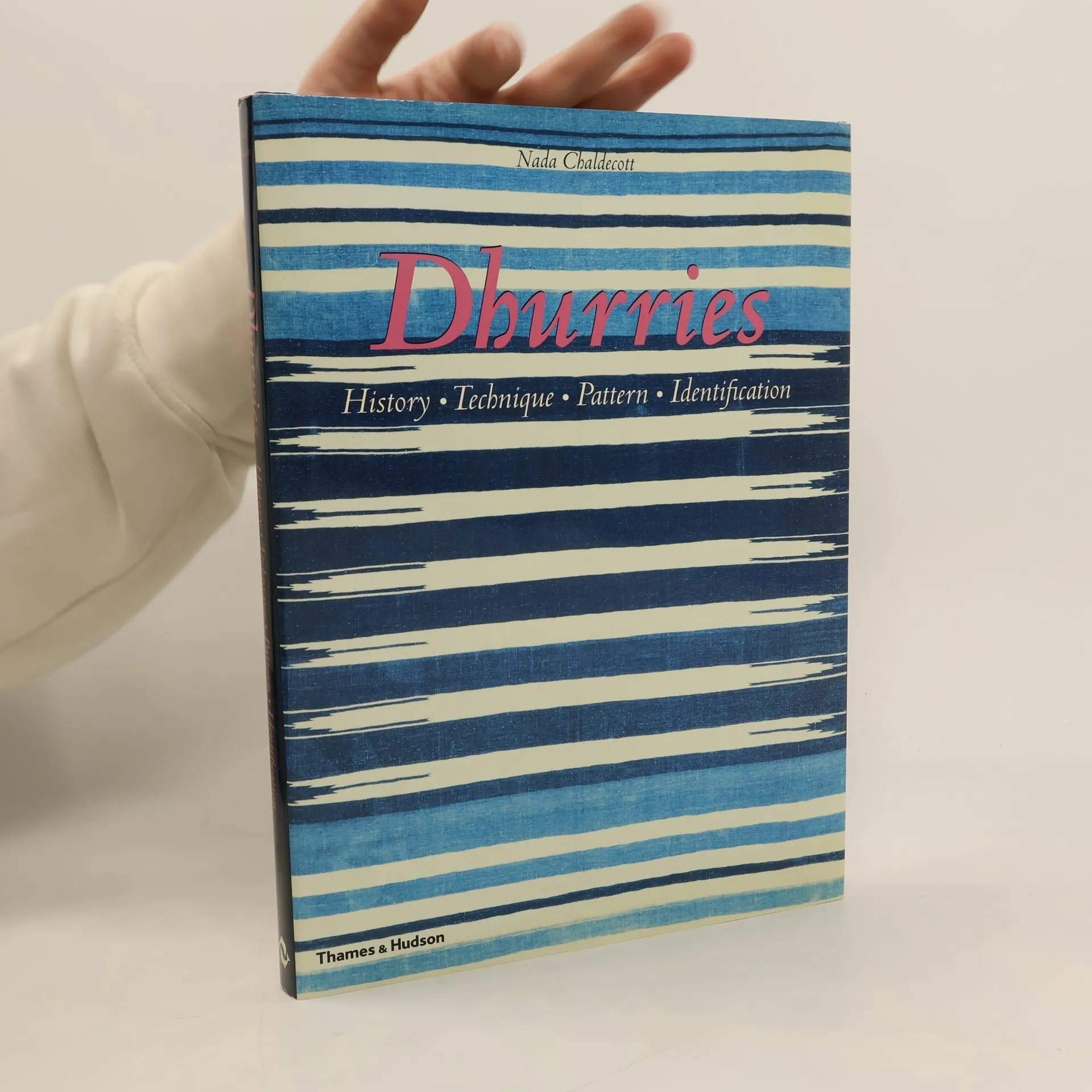
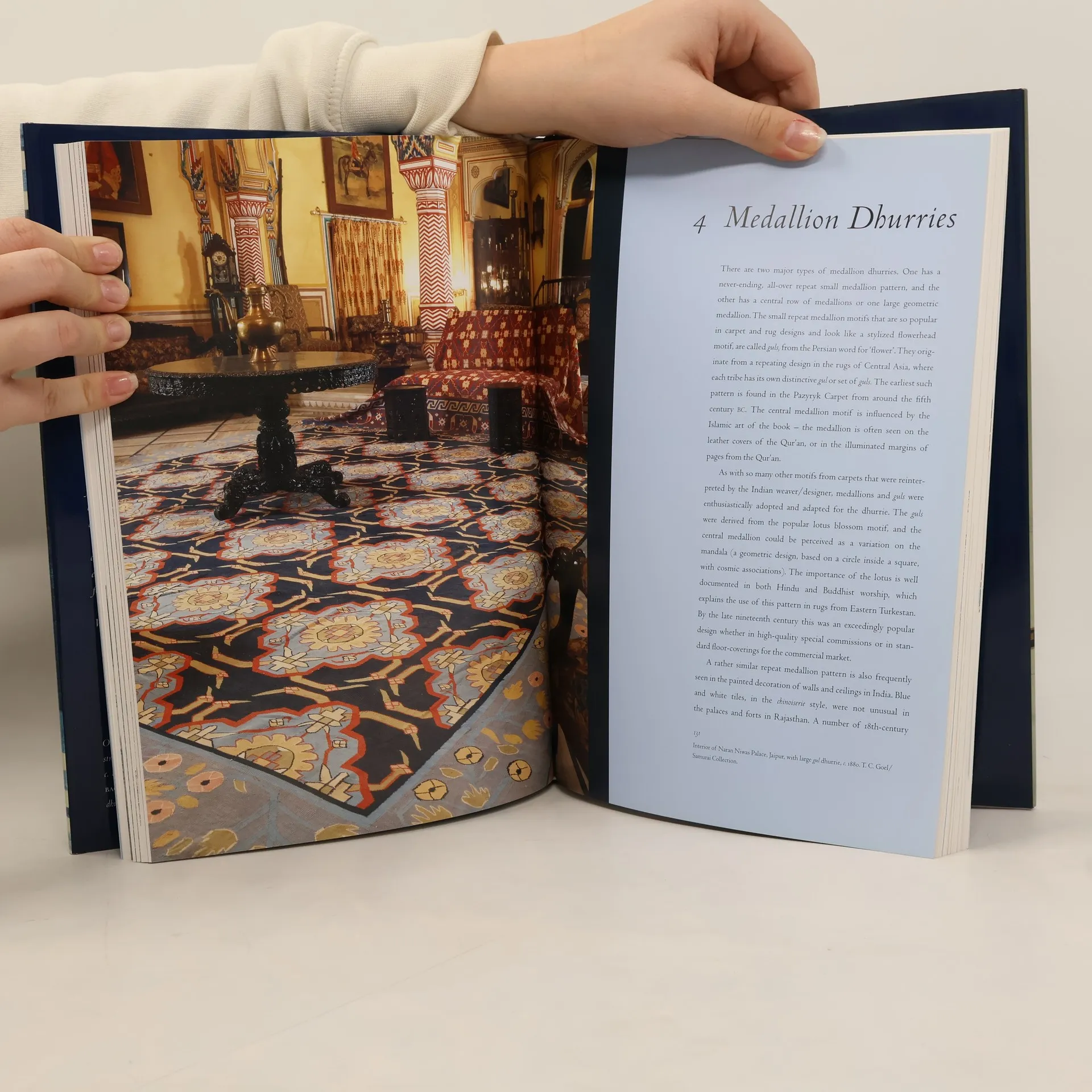
The dhurrie, a traditional floor covering from India, is gaining popularity in Western decor due to its vibrant colors and simple yet diverse designs, making it an ideal match for modern interiors. Following the trend of kilims, dhurries are becoming increasingly sought after, marking a shift in the market. This comprehensive guide features over 240 examples, many specially photographed, showcasing various patterns—both figurative and geometric. It delves into the materials, spinning, dyeing, and weaving techniques involved in creating these textiles, accompanied by a map, glossary, select bibliography, and index. The dhurrie's history is traced from ancient Ajanta cave paintings to the present, highlighting the earliest known example from the seventeenth century in Rajasthan's Amber Palace. Nada Chaldecott expertly navigates this history, exploring the evolution from royal Mughal workshops to local cottage industries and even state penitentiary workshops. This guide is essential for collectors, textile enthusiasts, and anyone seeking inspiration in design and color, featuring 265 illustrations, 248 in color, to enrich the reader's understanding and appreciation of dhurries.
Nákup knihy
Dhurries, Nada Chaldecott, Jamie Govier
- Jazyk

- Rok vydání
- 2003
- Vazba
- (pevná)
Tady nám chybí tvá recenze.
- Titul
- Dhurries
- Podtitul
- History, Technique, Pattern, Identification
- Jazyk
- anglicky
- Autoři
- Nada Chaldecott, Jamie Govier
- Vydavatel
- Thames & Hudson
- Rok vydání
- 2003
- Vazba
- pevná
- Počet stran
- 160
- ISBN10
- 0500511381
- ISBN13
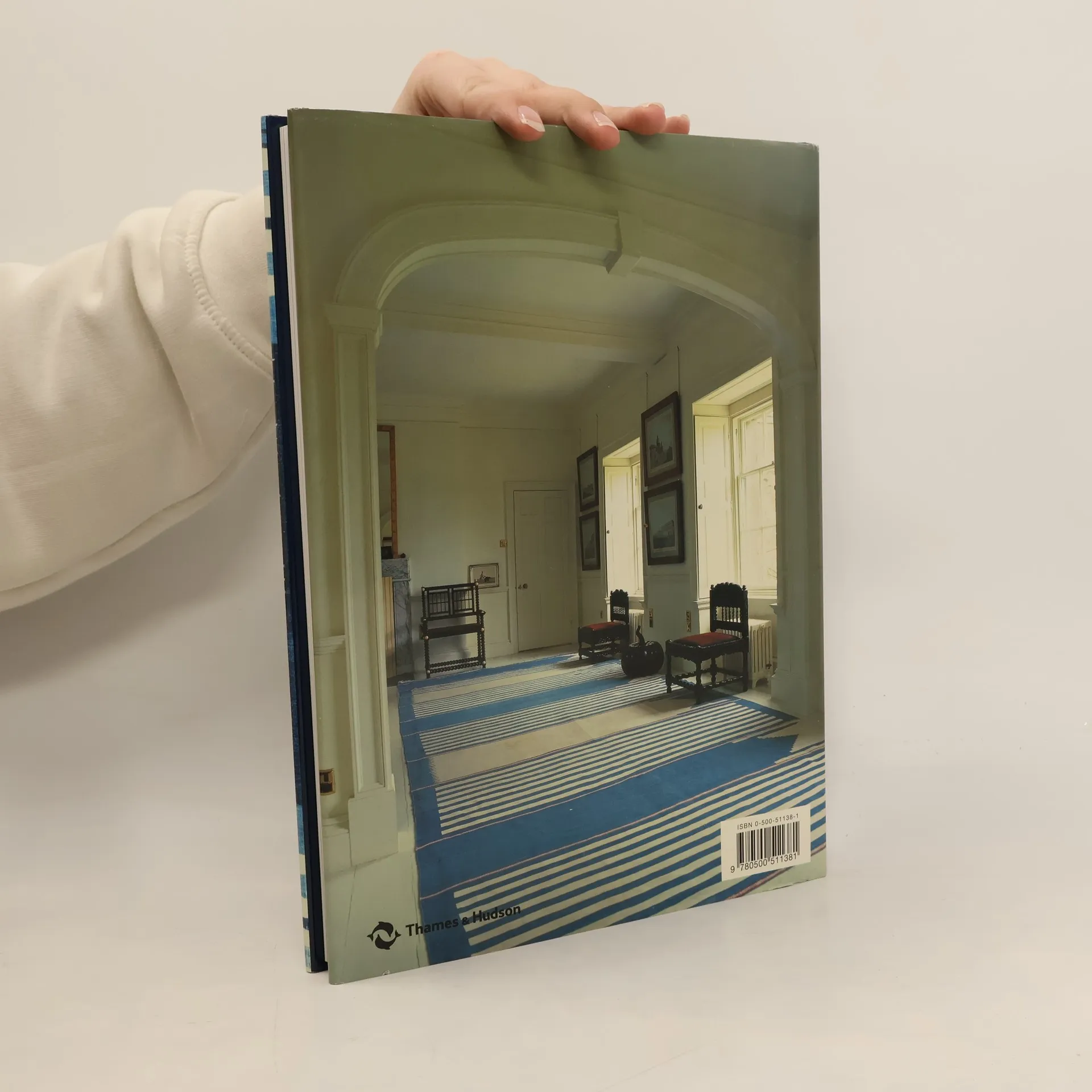
- 9780500511381
- Série
- Štítky
- Umění, Architektura, Módní tématika, Indie, Starožitnosti
- Hodnocení
- 4,65 z 5
- Anotace
- The dhurrie, a traditional floor covering from India, is gaining popularity in Western decor due to its vibrant colors and simple yet diverse designs, making it an ideal match for modern interiors. Following the trend of kilims, dhurries are becoming increasingly sought after, marking a shift in the market. This comprehensive guide features over 240 examples, many specially photographed, showcasing various patterns—both figurative and geometric. It delves into the materials, spinning, dyeing, and weaving techniques involved in creating these textiles, accompanied by a map, glossary, select bibliography, and index. The dhurrie's history is traced from ancient Ajanta cave paintings to the present, highlighting the earliest known example from the seventeenth century in Rajasthan's Amber Palace. Nada Chaldecott expertly navigates this history, exploring the evolution from royal Mughal workshops to local cottage industries and even state penitentiary workshops. This guide is essential for collectors, textile enthusiasts, and anyone seeking inspiration in design and color, featuring 265 illustrations, 248 in color, to enrich the reader's understanding and appreciation of dhurries.