

Více o knize
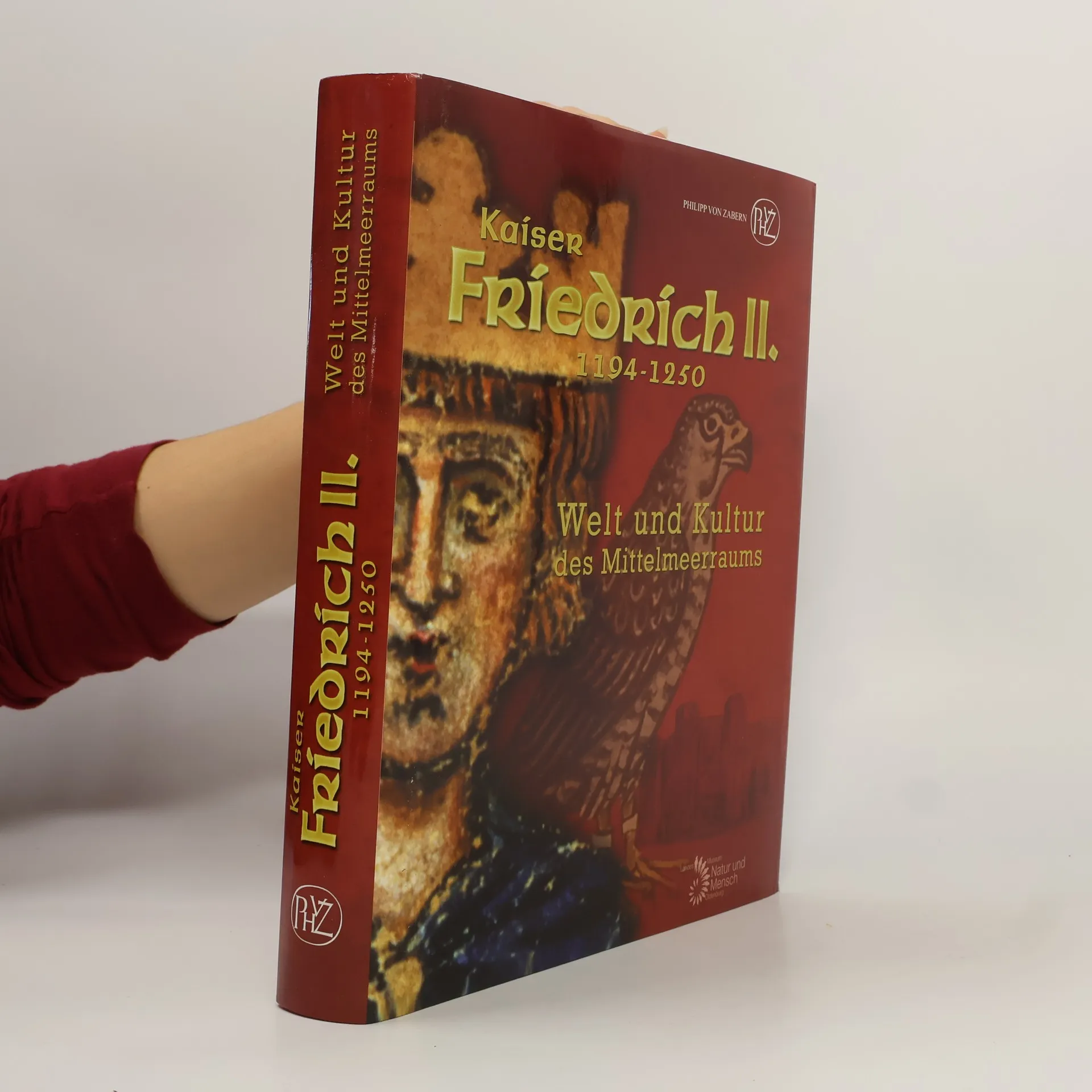
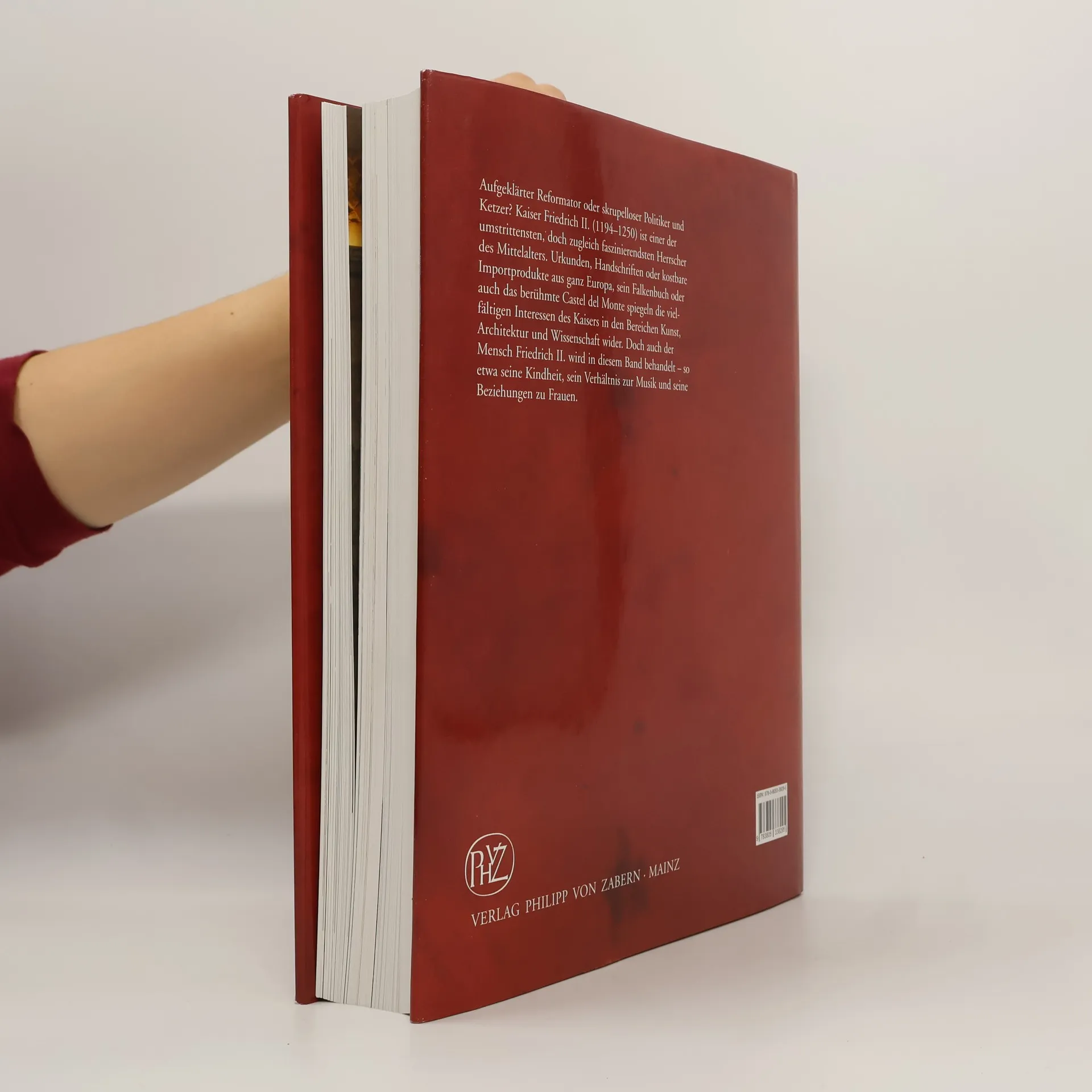
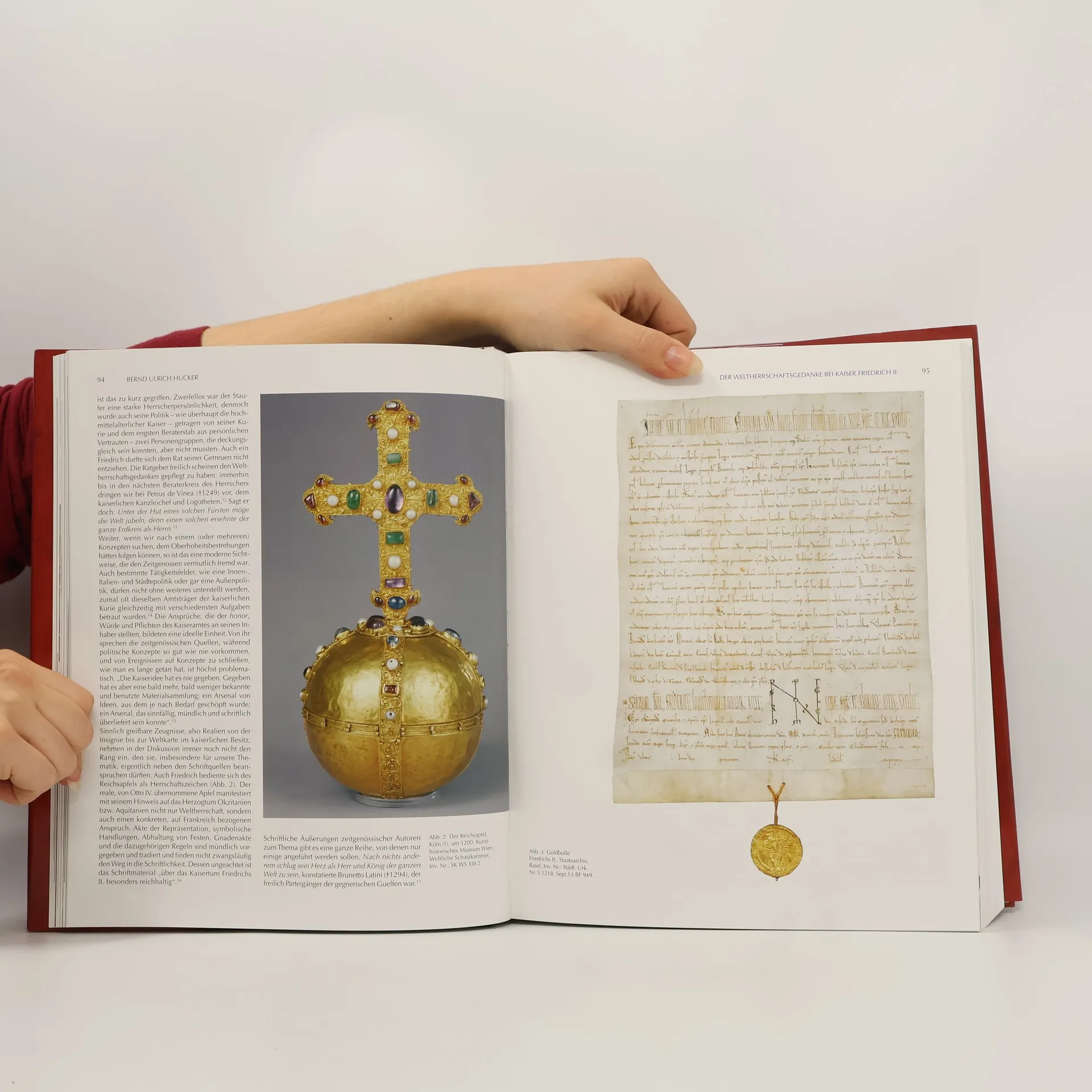
Emperor Frederick II (1194-1250) stands out as one of the most controversial and intriguing rulers of the Middle Ages. He was not only a regent but also a scientist, patron, and builder. Some viewed him as the first enlightened ruler and a champion of Reformation, while others labeled him a ruthless politician, heretic, and betrayer of Christianity. This exploration of his personality is set against the backdrop of cultural exchanges with the East and the coexistence of Islam, Judaism, and Christianity. Numerous exhibits from European museums, libraries, and collections highlight his diverse interests in art, architecture, and science, reflected in documents, manuscripts, and precious imports made of glass or metal. Notable features include the Castel del Monte and Frederick II's falconry handbook. Additionally, the examination of his childhood, musical inclinations, and relationships with women reveals the more human aspects of the Emperor. This multifaceted portrayal captures both the complexities and the legacy of a ruler who left an indelible mark on history. 544p (Philipp von Zabern 2008)
Nákup knihy
Kaiser Friedrich II. (1194-1250), Mamoun Fansa, Karen Ermete
- Jazyk

- Rok vydání
- 2008
- Vazba
- (pevná)
Nikdo zatím neohodnotil.
- Titul
- Kaiser Friedrich II. (1194-1250)
- Podtitul
- Welt und Kultur des Mittelmeerraums: Begleitband zur Sonderausstellung "Kaiser Friedrich II. (1194-1250). Welt und Kultur des Mittelmeerraums" im Landesmuseum für Natur und Mensch, Oldenburg
- Jazyk
- německy
- Autoři
- Mamoun Fansa, Karen Ermete
- Vydavatel
- Philipp von Zabern
- Rok vydání
- 2008
- Vazba
- pevná
- Počet stran
- 544
- ISBN10
- 3805338295
- ISBN13
- 9783805338295
- Série
- Anotace
- Emperor Frederick II (1194-1250) stands out as one of the most controversial and intriguing rulers of the Middle Ages. He was not only a regent but also a scientist, patron, and builder. Some viewed him as the first enlightened ruler and a champion of Reformation, while others labeled him a ruthless politician, heretic, and betrayer of Christianity. This exploration of his personality is set against the backdrop of cultural exchanges with the East and the coexistence of Islam, Judaism, and Christianity. Numerous exhibits from European museums, libraries, and collections highlight his diverse interests in art, architecture, and science, reflected in documents, manuscripts, and precious imports made of glass or metal. Notable features include the Castel del Monte and Frederick II's falconry handbook. Additionally, the examination of his childhood, musical inclinations, and relationships with women reveals the more human aspects of the Emperor. This multifaceted portrayal captures both the complexities and the legacy of a ruler who left an indelible mark on history. 544p (Philipp von Zabern 2008)