

Více o knize
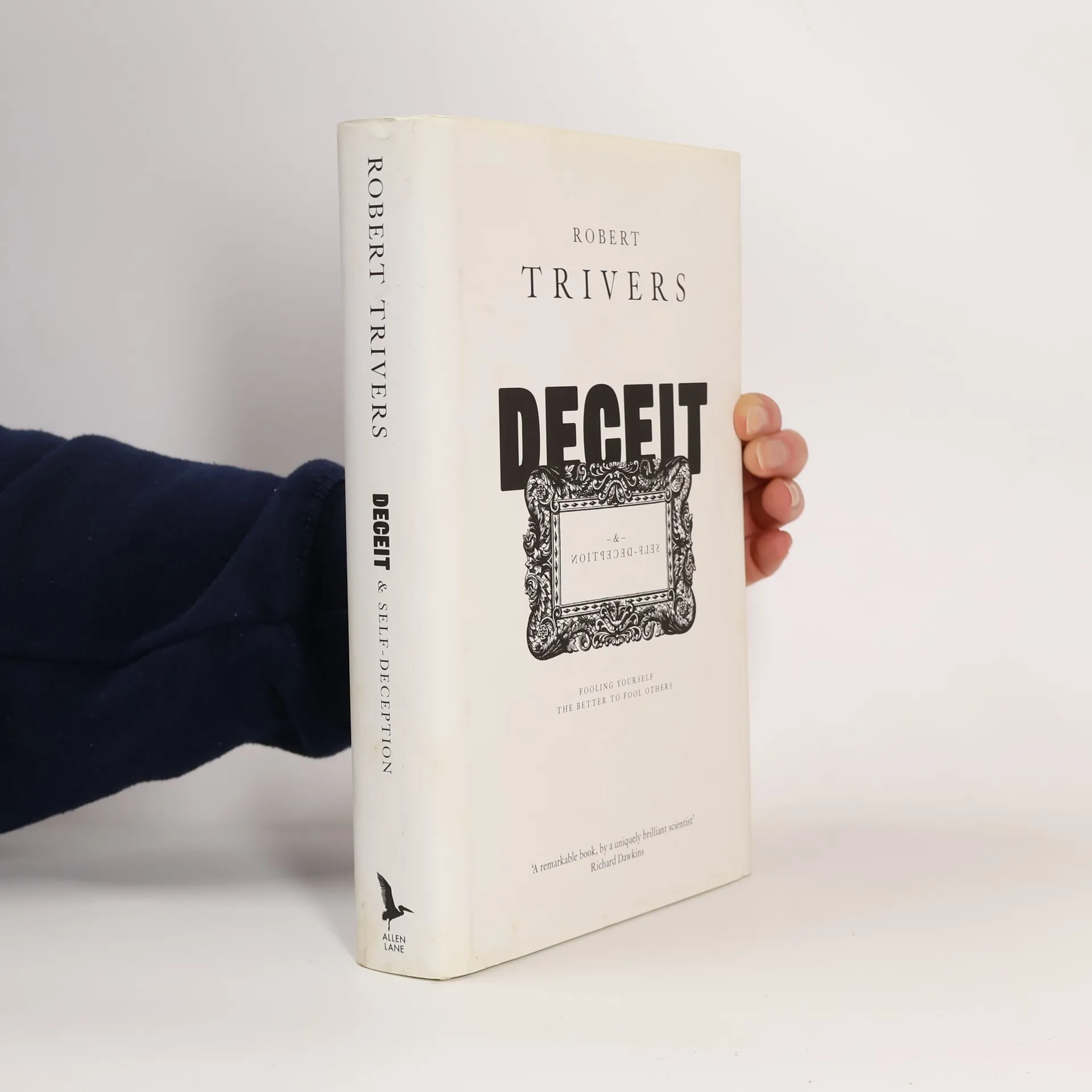
Whether it’s in a cockpit at takeoff or the planning of an offensive war, a romantic relationship or a dispute at the office, there are many opportunities to lie and self-deceive—but deceit and self-deception carry the costs of being alienated from reality and can lead to disaster. So why does deception play such a prominent role in our everyday lives? In short, why do we deceive? In his bold new work, prominent biological theorist Robert Trivers unflinchingly argues that self-deception evolved in the service of deceit—the better to fool others. We do it for biological reasons—in order to help us survive and procreate. From viruses mimicking host behavior to humans misremembering (sometimes intentionally) the details of a quarrel, science has proven that the deceptive one can always outwit the masses. But we undertake this deception at our own peril. Trivers has written an ambitious investigation into the evolutionary logic of lying and the costs of leaving it unchecked.



Nákup knihy
Deceit and Self-Deception, Robert Trivers
- Jazyk

- Rok vydání
- 2011
- Vazba
- (pevná)
Doručení
Platební metody
Tady nám chybí tvá recenze.
- Titul
- Deceit and Self-Deception
- Podtitul
- Fooling Yourself the Better to Fool Others
- Jazyk
- anglicky
- Autoři
- Robert Trivers
- Vydavatel
- Penguin
- Rok vydání
- 2011
- Vazba
- pevná
- Počet stran
- 397
- ISBN10
- 0713998261
- ISBN13
- 9780713998269
- Série
- Kategorie
- Hodnocení
- 3,7 z 5
- Anotace
- Whether it’s in a cockpit at takeoff or the planning of an offensive war, a romantic relationship or a dispute at the office, there are many opportunities to lie and self-deceive—but deceit and self-deception carry the costs of being alienated from reality and can lead to disaster. So why does deception play such a prominent role in our everyday lives? In short, why do we deceive? In his bold new work, prominent biological theorist Robert Trivers unflinchingly argues that self-deception evolved in the service of deceit—the better to fool others. We do it for biological reasons—in order to help us survive and procreate. From viruses mimicking host behavior to humans misremembering (sometimes intentionally) the details of a quarrel, science has proven that the deceptive one can always outwit the masses. But we undertake this deception at our own peril. Trivers has written an ambitious investigation into the evolutionary logic of lying and the costs of leaving it unchecked.