


Parametry
- 256 stránek
- 9 hodin čtení
Více o knize
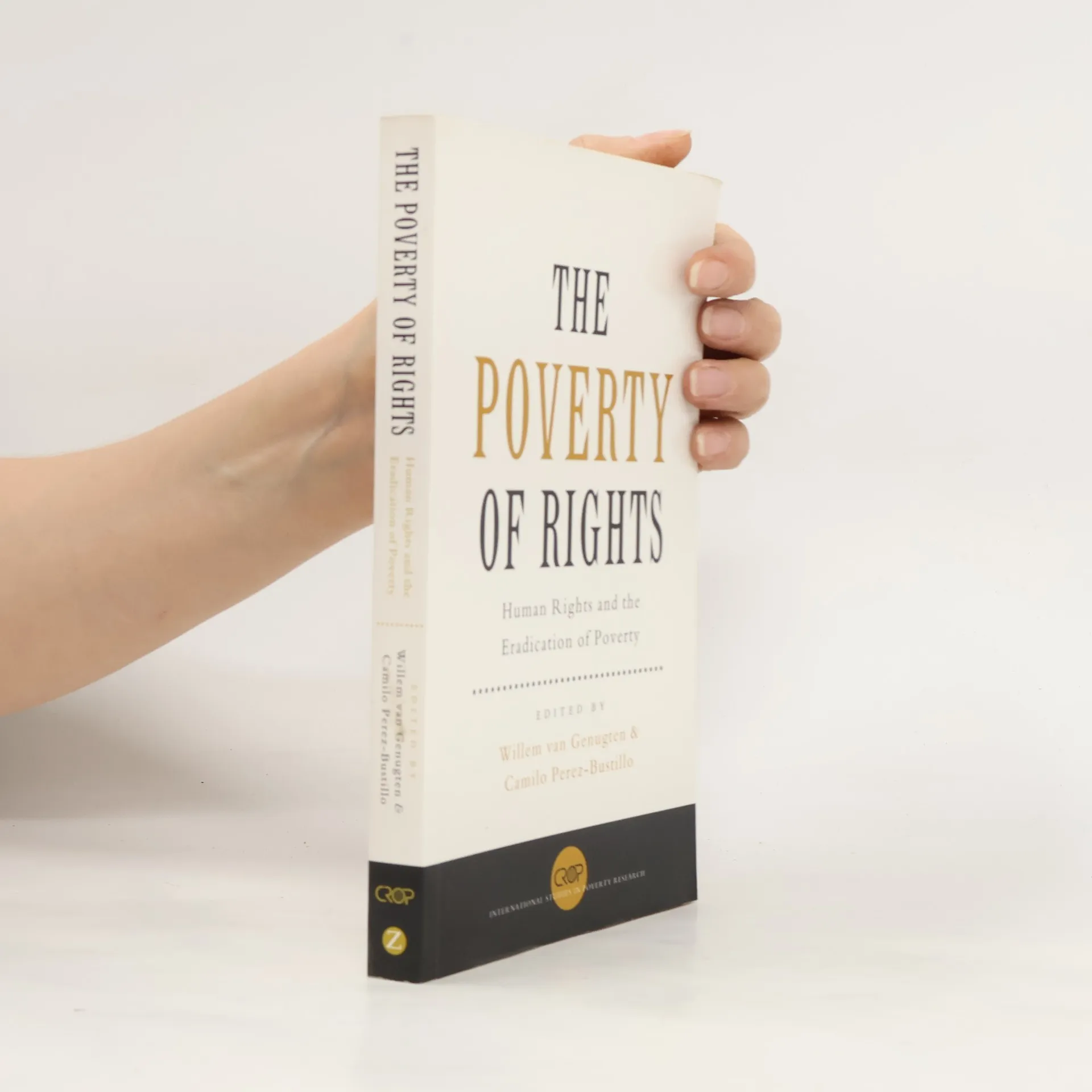
Political leaders, social scientists, and lawyers are increasingly focusing on measures to reduce poverty and uphold human rights as outlined in legal systems. This volume innovatively combines these two critical issues. The primarily Latin American authors are acutely aware of their continent's history of severe human rights violations and the stark contrast of wealth and inequality. They argue that while law is not a cure-all for poverty, it serves as a vital foundation for social mobilization, which can be enhanced by engaged and critical social science. Recognizing economic, social, and cultural rights as equally important as civil and political rights is essential. Strong advocacy for adherence to international human rights norms and their incorporation into national legal frameworks can significantly contribute to the fight against global poverty and social injustice. The contributors, comprising lawyers and social scientists from diverse disciplines, focus on the intersection of human rights and poverty, particularly the struggles of indigenous peoples. They address various important questions, including the emerging concept of the right to development. This work represents a significant intellectual contribution to the ongoing political struggle to alleviate world poverty.
Nákup knihy
Crop International Studies in Poverty Research: The Poverty of Rights, Willem J. Van Genugten, Camilo Perez-Bustillo
- Jazyk

- Rok vydání
- 2001
- Vazba
- (měkká)
Nikdo zatím neohodnotil.
- Titul
- Crop International Studies in Poverty Research: The Poverty of Rights
- Podtitul
- Human Rights and the Eradication of Poverty
- Jazyk
- anglicky
- Vydavatel
- Zed Books
- Rok vydání
- 2001
- Vazba
- měkká
- Počet stran
- 256
- ISBN10
- 1856499782
- ISBN13
- 9781856499781
- Série
- Kategorie
- Anotace
- Political leaders, social scientists, and lawyers are increasingly focusing on measures to reduce poverty and uphold human rights as outlined in legal systems. This volume innovatively combines these two critical issues. The primarily Latin American authors are acutely aware of their continent's history of severe human rights violations and the stark contrast of wealth and inequality. They argue that while law is not a cure-all for poverty, it serves as a vital foundation for social mobilization, which can be enhanced by engaged and critical social science. Recognizing economic, social, and cultural rights as equally important as civil and political rights is essential. Strong advocacy for adherence to international human rights norms and their incorporation into national legal frameworks can significantly contribute to the fight against global poverty and social injustice. The contributors, comprising lawyers and social scientists from diverse disciplines, focus on the intersection of human rights and poverty, particularly the struggles of indigenous peoples. They address various important questions, including the emerging concept of the right to development. This work represents a significant intellectual contribution to the ongoing political struggle to alleviate world poverty.