

Více o knize
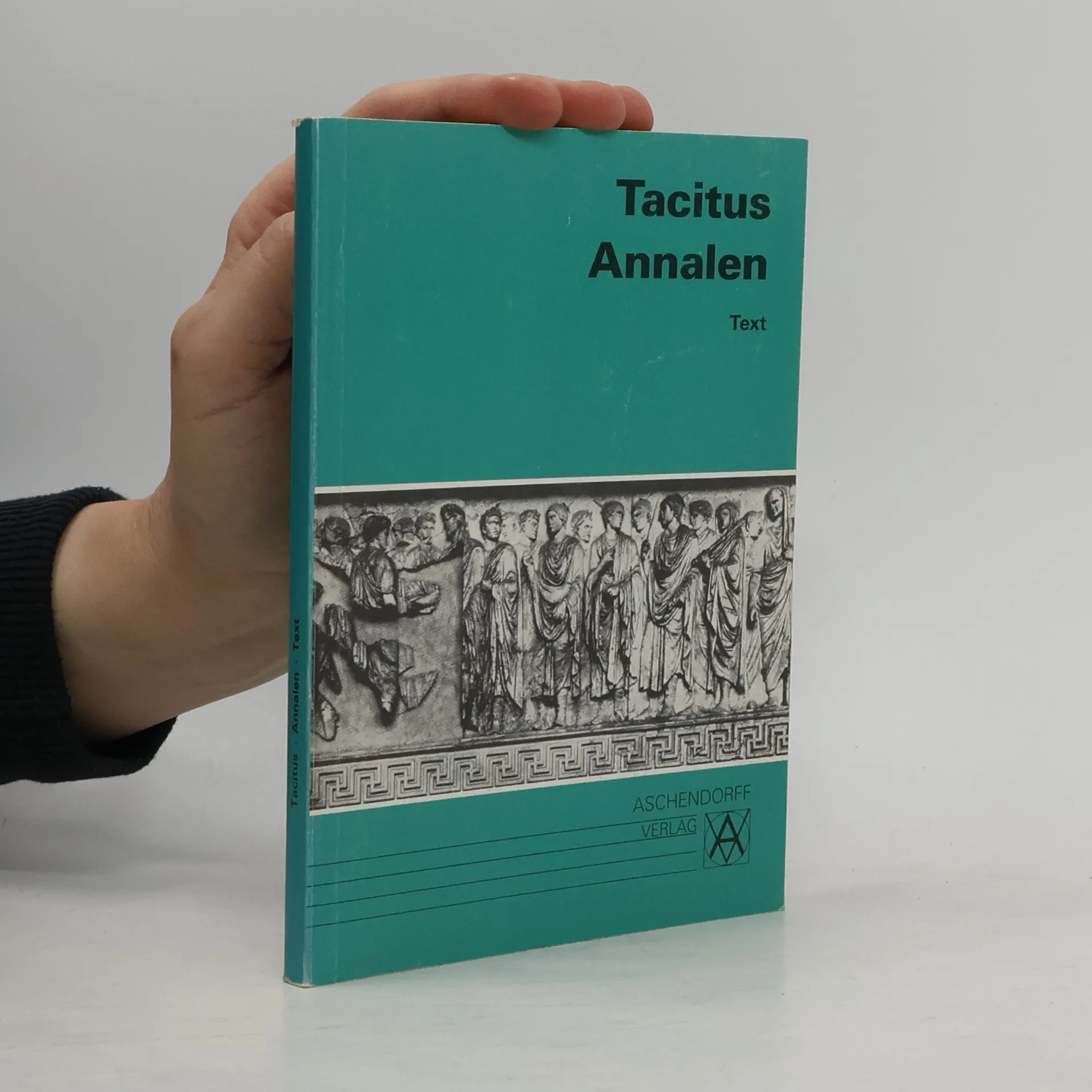
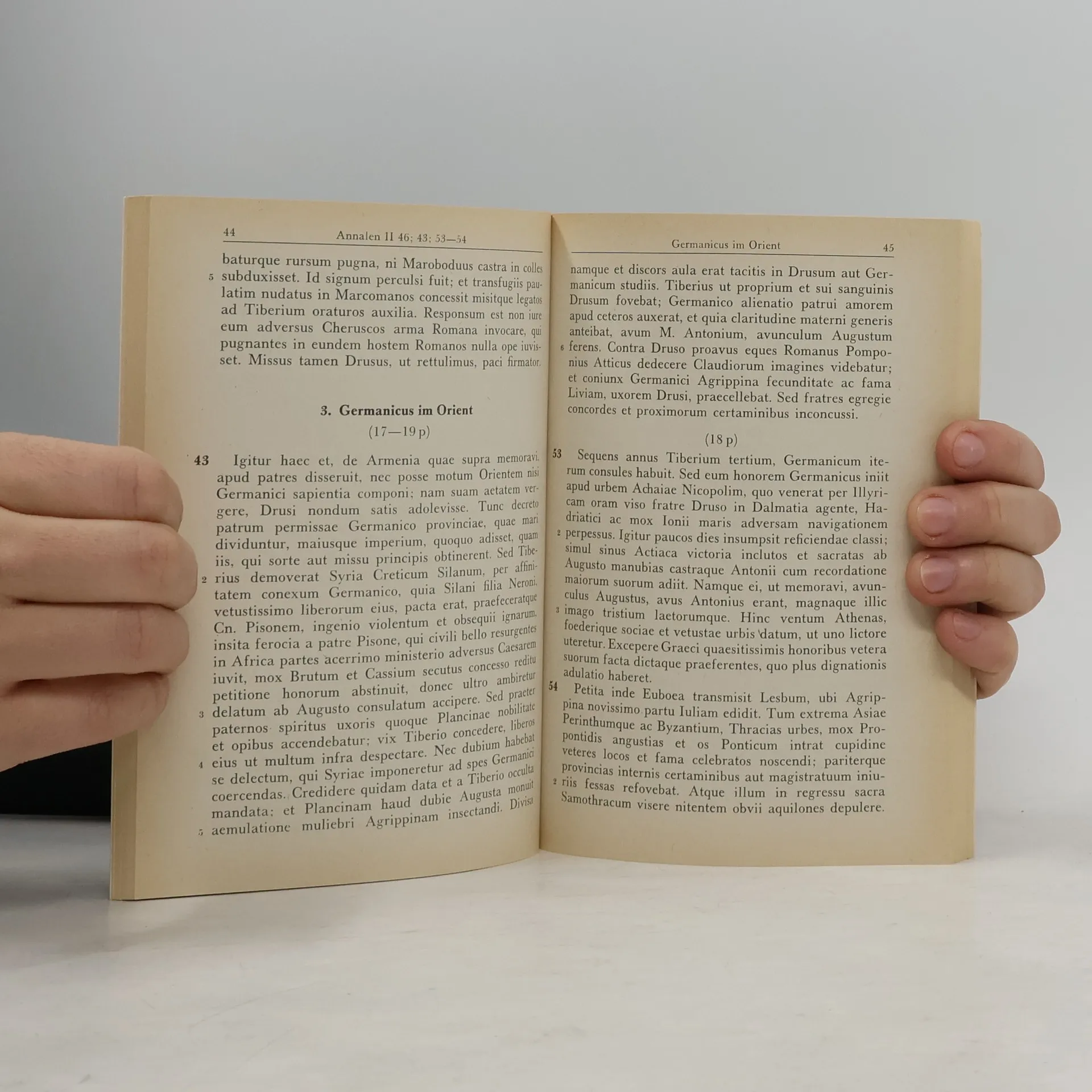
In "The Annals of Imperial Rome", his last and greatest work, Tacitus (AD c.55-c.117) covers the period from AD 14, just before the death of Augustus, to the death of Nero in AD 68. Not all the passages have survived, but in those that have the depth and diversity of genius are manifest. From a vicious, vituperative biography of Tiberius to the more straightforward accounts of Gaius (Caligula), Claudius and Nero, which reveal an extraordinary gift for pictorial description, the Annals carry conviction both as a work of art and as a history. Michael Grant's tranlation of The Annals is a fine one. It captures the emotional patriotism of Tacitus's moral tone, offset by a lucid understanding that Rome is doomed, and conveys with vigor the lives of the great emperors who laid the foundations of modern Europe.




Nákup knihy
Aschendorffs Sammlung lateinischer und griechischer Klassiker: Annalen. Text, Tacitus, Ferdinand Broemser
- Jazyk
- Rok vydání
- 1977
- product-detail.submit-box.info.binding
- (měkká)
Doručení
Platební metody
Tady nám chybí tvá recenze.
- Autoři
- Tacitus, Ferdinand Broemser
- Vydavatel
- Aschendorff Verlag
- Rok vydání
- 1977
- Vazba
- měkká
- Počet stran
- 228
- ISBN10
- 3402021218
- ISBN13
- 9783402021217
- Série
- Původní název
- Annales
- Hodnocení
- 3,95 z 5
- Anotace
- In "The Annals of Imperial Rome", his last and greatest work, Tacitus (AD c.55-c.117) covers the period from AD 14, just before the death of Augustus, to the death of Nero in AD 68. Not all the passages have survived, but in those that have the depth and diversity of genius are manifest. From a vicious, vituperative biography of Tiberius to the more straightforward accounts of Gaius (Caligula), Claudius and Nero, which reveal an extraordinary gift for pictorial description, the Annals carry conviction both as a work of art and as a history. Michael Grant's tranlation of The Annals is a fine one. It captures the emotional patriotism of Tacitus's moral tone, offset by a lucid understanding that Rome is doomed, and conveys with vigor the lives of the great emperors who laid the foundations of modern Europe.