

Více o knize
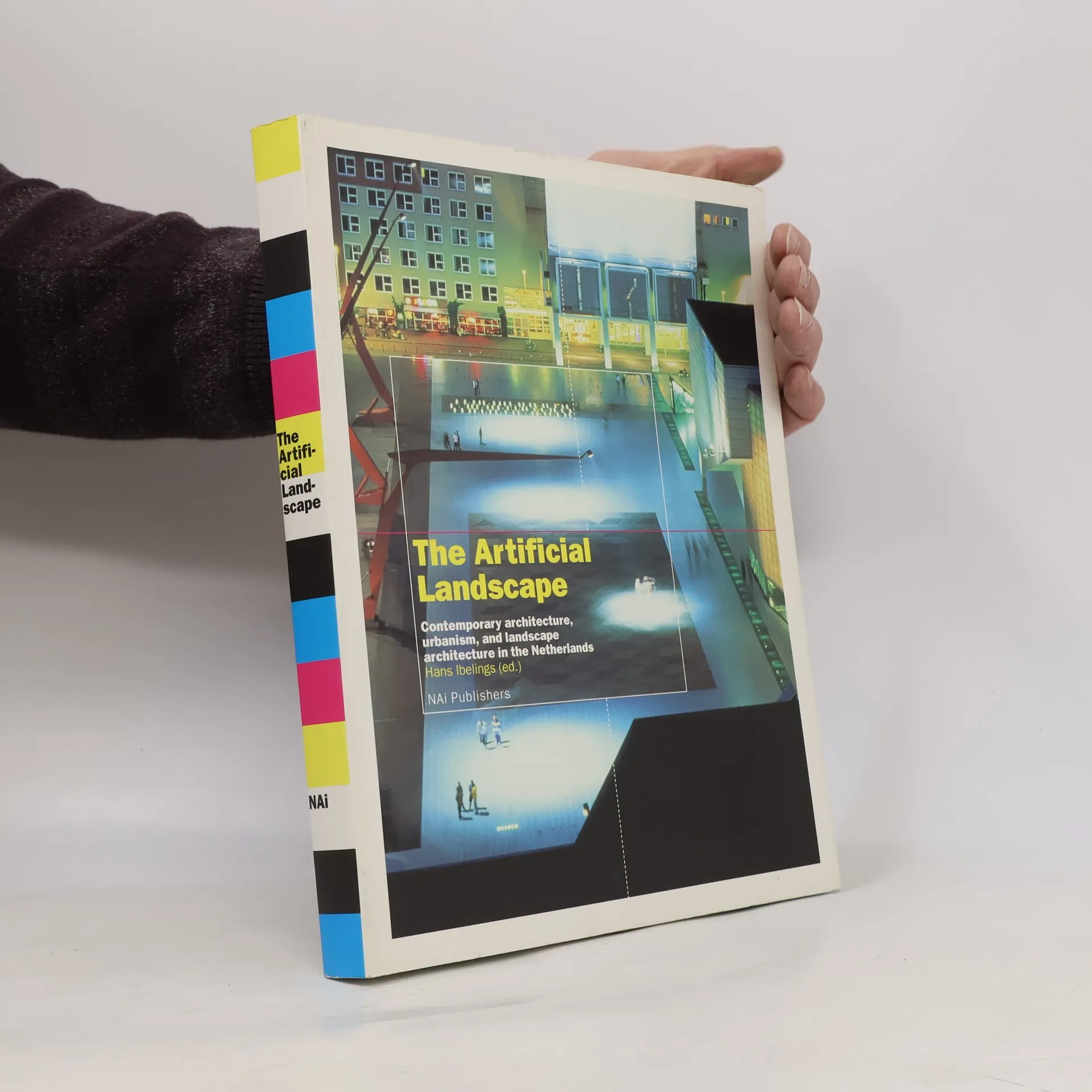
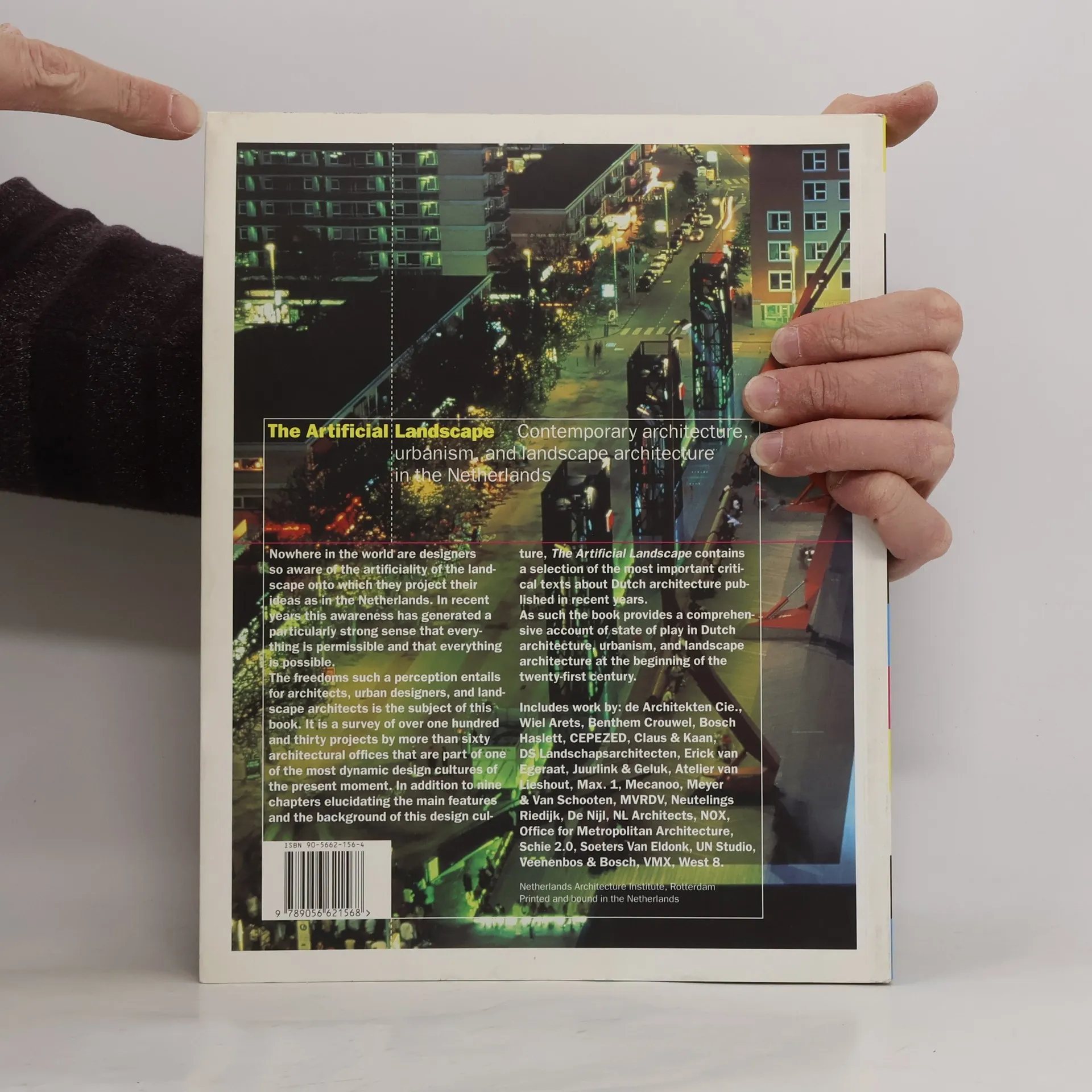
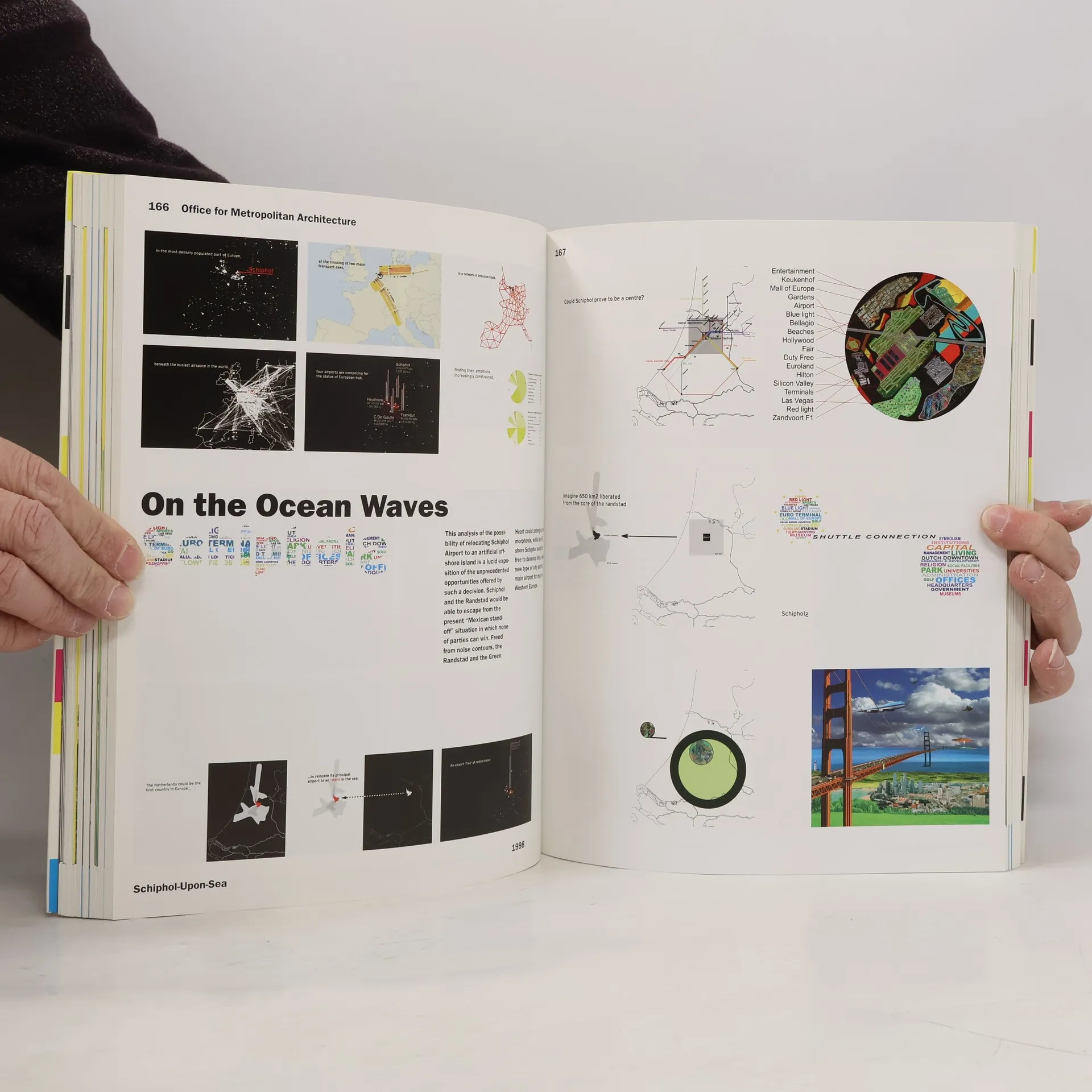
The architecture and architectural culture of the Netherlands have been experiencing a remarkable surge, with many new buildings and projects showcasing the current flourishing in Dutch architecture, urban planning, and landscaping. Artificial Landscape illustrates the results of this late twentieth-century creativity and examines the background of its success, exploring the 'Dutch phenomenon' and its socio-historical context. It reveals that even in a period of globalization, there exists a distinct Dutch 'climate,' and despite its specific national character, there is much to learn from it, particularly regarding its unique synthesis of architecture, urbanism, and landscaping. This movement is represented by a selection of designs, built works, ideas, plans, and manifestoes from architects and firms such as OMA/Rem Koolhaas, Neutelings Riedijk, MVRDV, Maurice Nio, and Max 1. In addition to documenting the state of Dutch architecture, Artificial Landscape serves as a survey of contemporary architectural criticism, collecting significant critiques of Dutch architecture, urban planning, and landscape architecture from recent years.
Nákup knihy
The Artificial Landscape, Hans Ibelings, Netherlands Architecture Institute
- Jazyk

- Rok vydání
- 2000
- Vazba
- (měkká),
- Stav knihy
- Poškozená
- Cena
- 113 Kč
Doručení
Platební metody
Nikdo zatím neohodnotil.
- Podtitul
- Contemporary Architecture, Urbanism, and Landscape Architecture in the Netherlands
- Jazyk
- anglicky
- Vydavatel
- NAi Publishers
- Rok vydání
- 2000
- Vazba
- měkká
- Počet stran
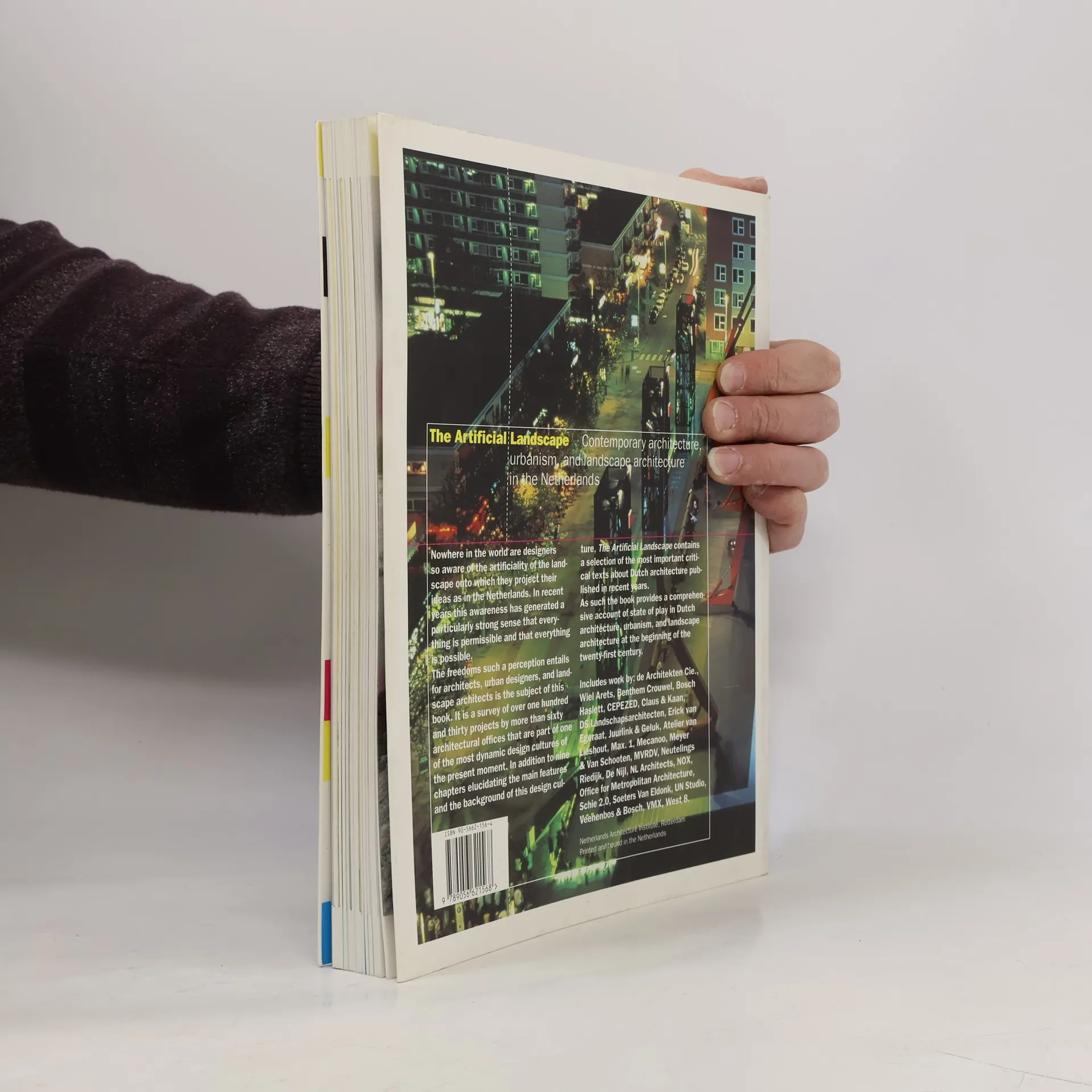
- 302
- ISBN10
- 9056621564
- ISBN13
- 9789056621568
- Série
- Štítky
- Naučná literatura, Umění & Kultura, Architektura, Architektura & Urbanismus, Ekologická tématika, Design, Dějiny 20. století, Dějiny architektury
- Anotace
- The architecture and architectural culture of the Netherlands have been experiencing a remarkable surge, with many new buildings and projects showcasing the current flourishing in Dutch architecture, urban planning, and landscaping. Artificial Landscape illustrates the results of this late twentieth-century creativity and examines the background of its success, exploring the 'Dutch phenomenon' and its socio-historical context. It reveals that even in a period of globalization, there exists a distinct Dutch 'climate,' and despite its specific national character, there is much to learn from it, particularly regarding its unique synthesis of architecture, urbanism, and landscaping. This movement is represented by a selection of designs, built works, ideas, plans, and manifestoes from architects and firms such as OMA/Rem Koolhaas, Neutelings Riedijk, MVRDV, Maurice Nio, and Max 1. In addition to documenting the state of Dutch architecture, Artificial Landscape serves as a survey of contemporary architectural criticism, collecting significant critiques of Dutch architecture, urban planning, and landscape architecture from recent years.