

Více o knize
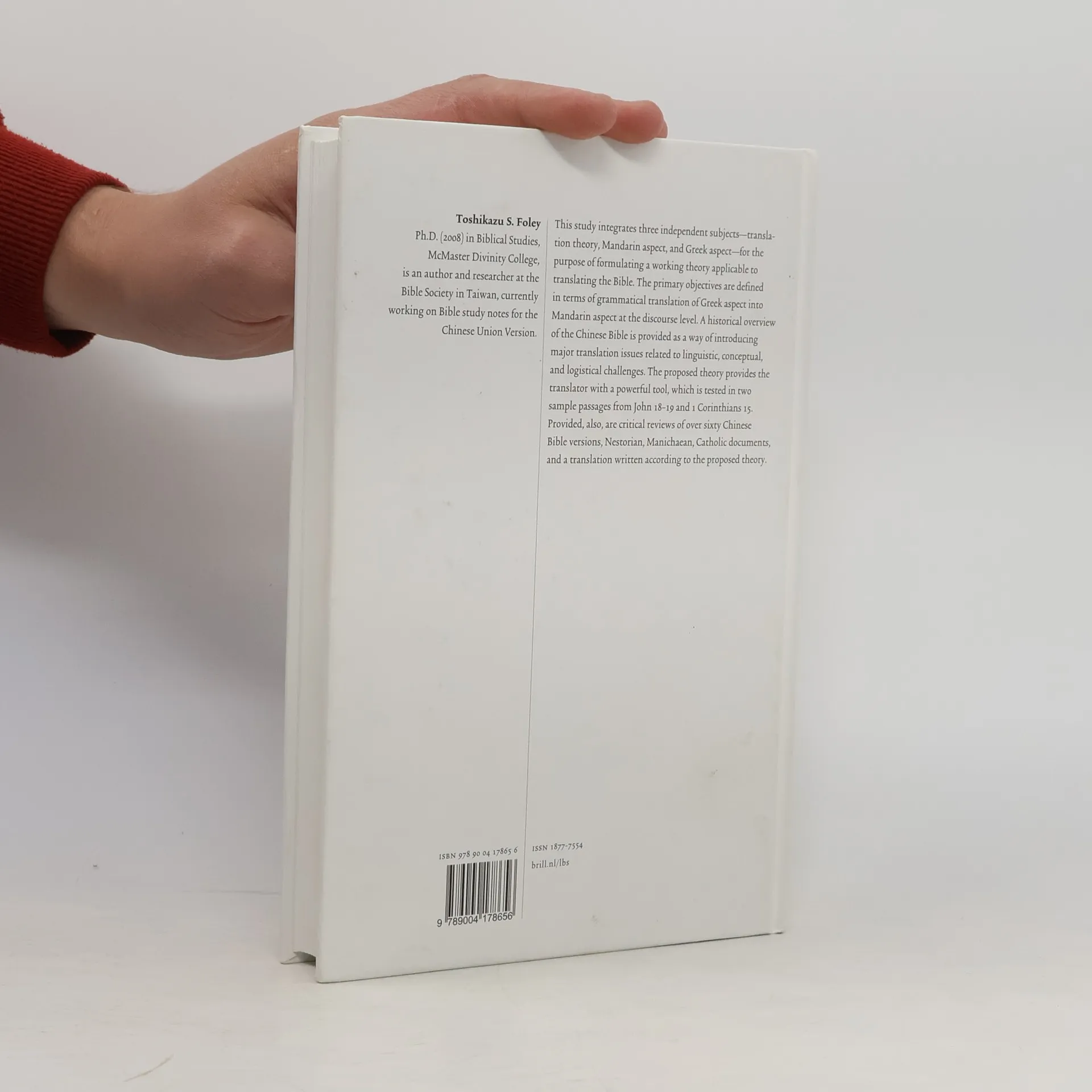
This study integrates three independent subjects - translation theory, Mandarin aspect, and Greek aspect - for the purpose of formulating a working theory applicable to translating the Bible. The primary objectives are defined in terms of grammatical translation of Greek aspect into Mandarin aspect at the discourse level. A historical overview of the Chinese Bible is provided as a way of introducing major translation issues related to linguistic, conceptual, and logistical challenges. The proposed theory provides the translator with a powerful tool, which is tested in two sample passages from John 18-19 and 1 Corinthians 15. Provided, also, are critical reviews of over sixty Chinese Bible versions, Nestorian, Manichaean, Catholic documents, and a translation written according to the proposed theory.
Nákup knihy
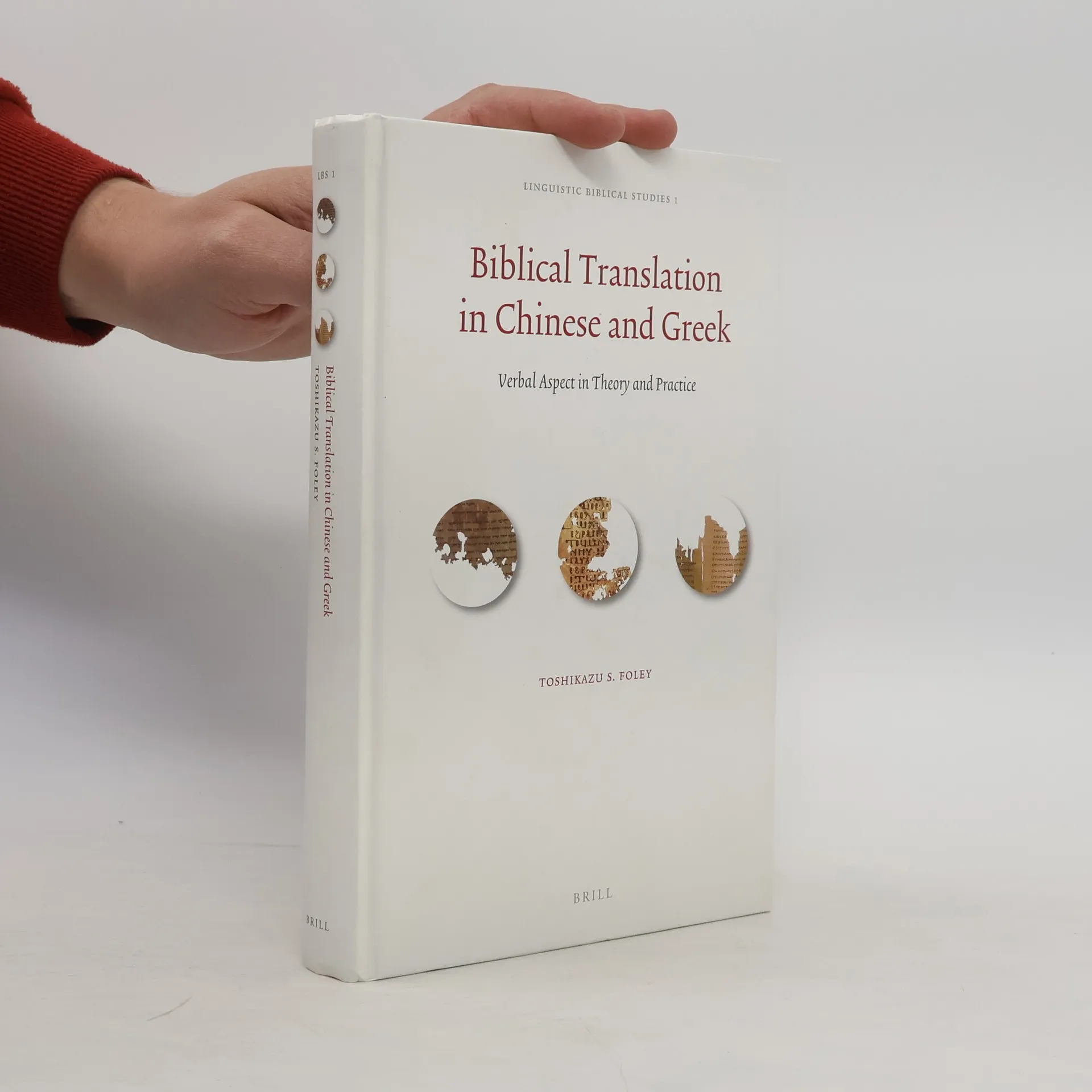
Biblical Translation in Chinese and Greek, Toshikazu S. Foley
- Jazyk

- Rok vydání
- 2009
- Vazba
- (pevná)
Doručení
Platební metody
Nikdo zatím neohodnotil.
- Titul
- Biblical Translation in Chinese and Greek
- Podtitul
- Verbal Aspect in Theory and Practice
- Jazyk
- anglicky
- Autoři
- Toshikazu S. Foley
- Vydavatel
- Brill Academic Pub
- Rok vydání
- 2009
- Vazba
- pevná
- Počet stran
- 449
- ISBN10
- 9004178651
- ISBN13
- 9789004178656
- Série
- Štítky
- Lingvistika, Historie náboženství
- Anotace
- This study integrates three independent subjects - translation theory, Mandarin aspect, and Greek aspect - for the purpose of formulating a working theory applicable to translating the Bible. The primary objectives are defined in terms of grammatical translation of Greek aspect into Mandarin aspect at the discourse level. A historical overview of the Chinese Bible is provided as a way of introducing major translation issues related to linguistic, conceptual, and logistical challenges. The proposed theory provides the translator with a powerful tool, which is tested in two sample passages from John 18-19 and 1 Corinthians 15. Provided, also, are critical reviews of over sixty Chinese Bible versions, Nestorian, Manichaean, Catholic documents, and a translation written according to the proposed theory.