

Více o knize
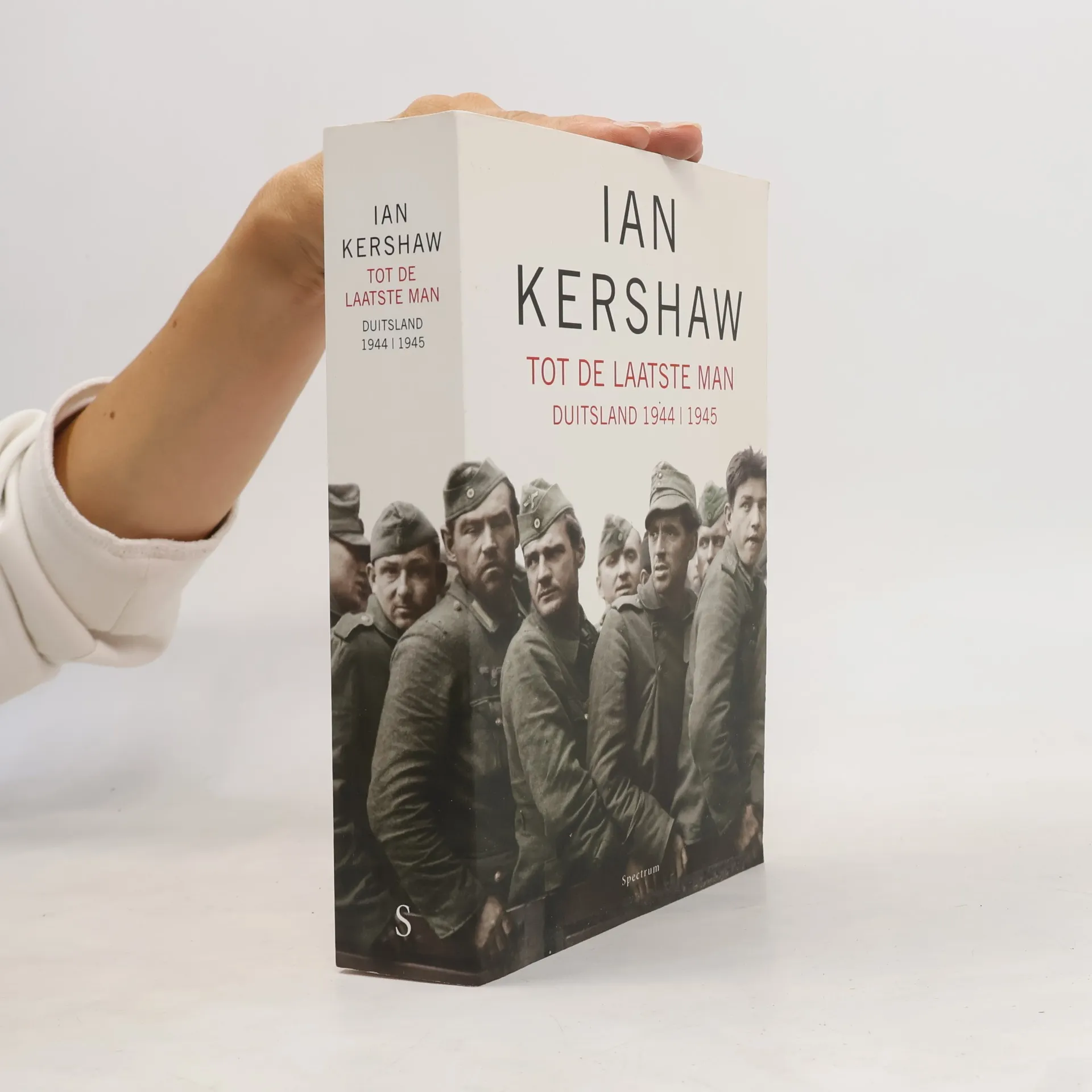
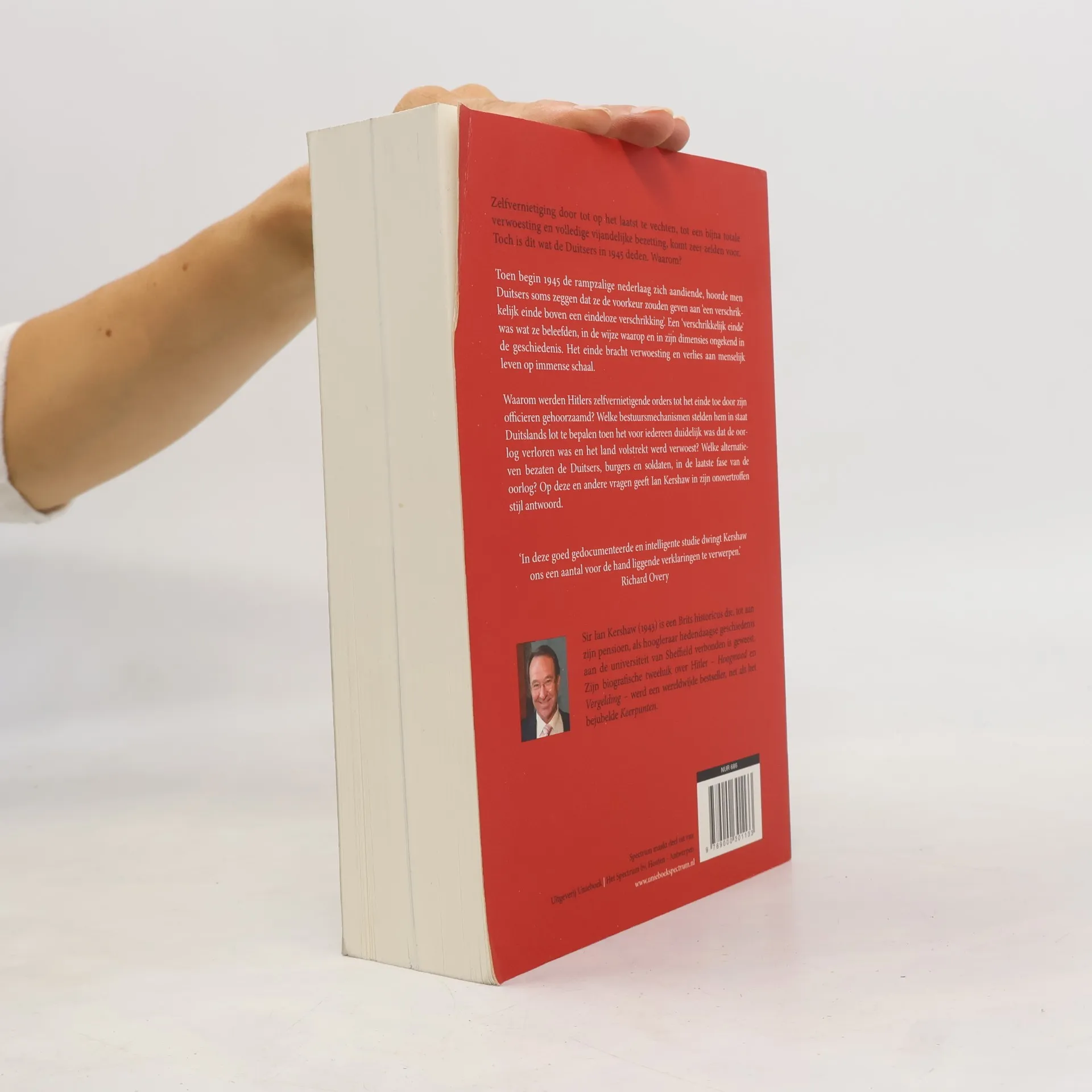
Countless books have been written about why Nazi Germany lost World War II, yet remarkably little attention has been paid to the equally vital question of how and why it was able to hold out as long as it did. The Third Reich did not surrender until Germany had been left in ruins and almost completely occupied. Even in the near-apocalyptic final months, when the war was plainly lost, the Nazis refused to sue for peace. Historically, this is extremely rare. Drawing on original testimony from ordinary Germans and arch-Nazis alike, award-winning historian Ian Kershaw explores this fascinating question in a gripping and focused narrative that begins with the failed bomb plot in July 1944 and ends with the German capitulation in May 1945. Hitler, desperate to avoid a repeat of the "disgraceful" German surrender in 1918, was of course critical to the Third Reich's fanatical determination, but his power was sustained only because those below him were unable, or unwilling, to challenge it. Even as the military situation grew increasingly hopeless, Wehrmacht generals fought on, their orders largely obeyed, and the regime continued its ruthless persecution of Jews, prisoners, and foreign workers. Based on prodigious new research, Kershaw's The End is a harrowing yet enthralling portrait of the Third Reich in its last desperate gasps.
Nákup knihy
Tot de laatste man, Ian Kershaw, Ronald Kuil, Tiny Mulder
- Jazyk

- Rok vydání
- 2011
- Vazba
- (měkká),
- Stav knihy
- Dobrá
- Cena
- 249 Kč
Nikdo zatím neohodnotil.
- Titul
- Tot de laatste man
- Podtitul
- Hitlers Duitsland, 1944 1945
- Jazyk
- nizozemsky
- Autoři
- Ian Kershaw, Ronald Kuil, Tiny Mulder
- Vydavatel
- Penguin Books
- Rok vydání
- 2011
- Vazba
- měkká
- Počet stran
- 608
- ISBN10
- 9000301130
- ISBN13
- 9789000301133
- Série
- Anotace
- Countless books have been written about why Nazi Germany lost World War II, yet remarkably little attention has been paid to the equally vital question of how and why it was able to hold out as long as it did. The Third Reich did not surrender until Germany had been left in ruins and almost completely occupied. Even in the near-apocalyptic final months, when the war was plainly lost, the Nazis refused to sue for peace. Historically, this is extremely rare. Drawing on original testimony from ordinary Germans and arch-Nazis alike, award-winning historian Ian Kershaw explores this fascinating question in a gripping and focused narrative that begins with the failed bomb plot in July 1944 and ends with the German capitulation in May 1945. Hitler, desperate to avoid a repeat of the "disgraceful" German surrender in 1918, was of course critical to the Third Reich's fanatical determination, but his power was sustained only because those below him were unable, or unwilling, to challenge it. Even as the military situation grew increasingly hopeless, Wehrmacht generals fought on, their orders largely obeyed, and the regime continued its ruthless persecution of Jews, prisoners, and foreign workers. Based on prodigious new research, Kershaw's The End is a harrowing yet enthralling portrait of the Third Reich in its last desperate gasps.