

Více o knize
The "user illusion" in computing is the desktop graphical user interface (GUI): the friendly, comprehensible illusion presented to the user to conceal all the bouncing bits and bytes that do the actual work. Tor Nørretranders writes that "our consciousness is a user illusion for ourselves and the world ... one's very own map of oneself and one's possibilities of intervening in the world." Much of Nørretranders' evidence comes from comparing the wide bandwidth of experience to the narrow bandwidth of consciousness, and from examining how much of our brain function is never consciously acknowledged. Although slightly out of date (the book was written in 1991; it was a bestseller in Europe), The User Illusion has been well translated and gives a refreshing, non-Anglophone take on a problem that is not likely to go away anytime soon.


Nákup knihy
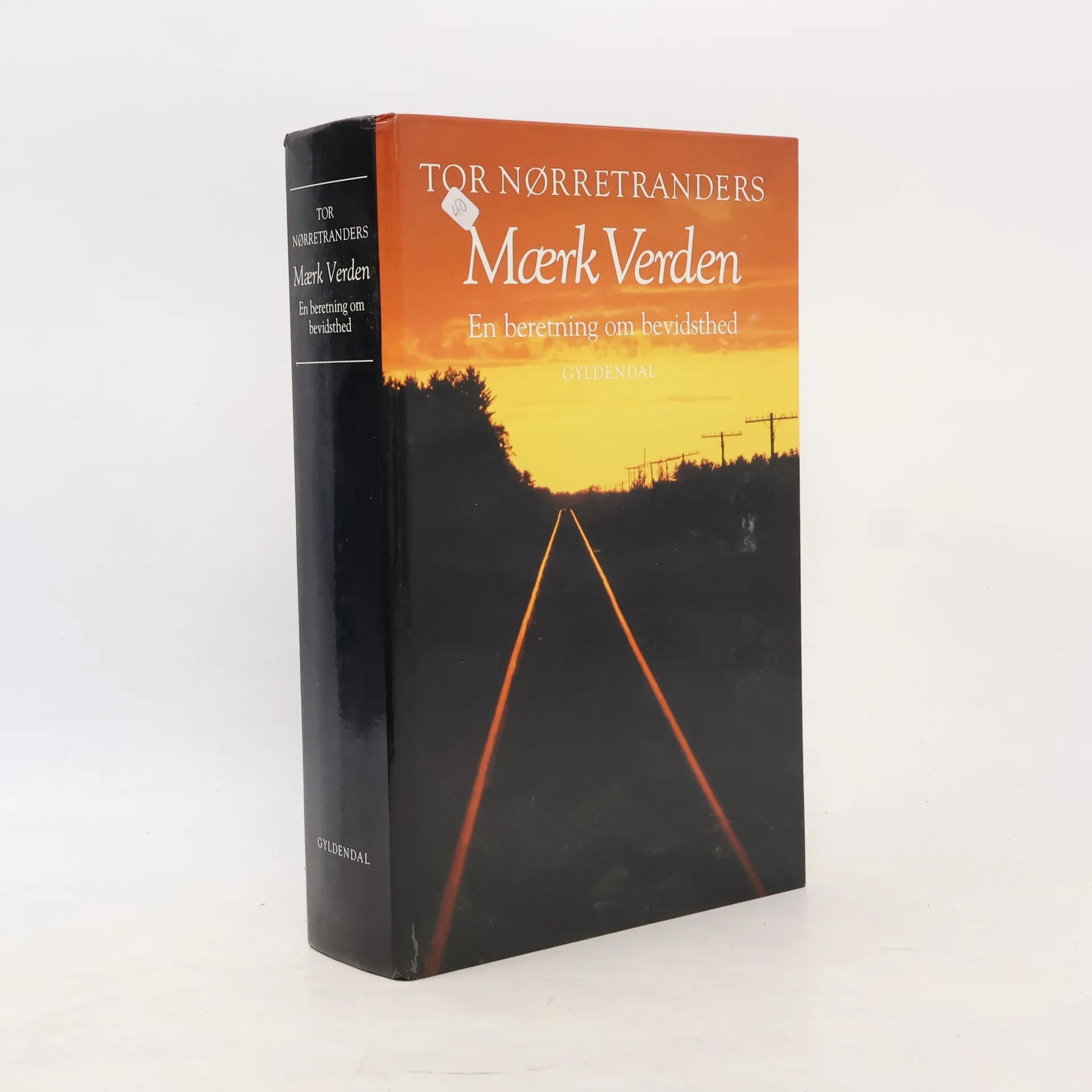
Mærk Verden, Tor Nørretranders
- Jazyk

- Rok vydání
- 1991
- Vazba
- (pevná)
Doručení
Platební metody
Tady nám chybí tvá recenze.
- Titul
- Mærk Verden
- Podtitul
- En beretning om bevidsthed
- Jazyk
- dánsky
- Autoři
- Tor Nørretranders
- Vydavatel
- Gyldendal
- Rok vydání
- 1991
- Vazba
- pevná
- Počet stran
- 572
- ISBN10
- 8701503227
- ISBN13
- 9788701503228
- Série
- Kategorie
- Hodnocení
- 4,35 z 5
- Anotace
- The "user illusion" in computing is the desktop graphical user interface (GUI): the friendly, comprehensible illusion presented to the user to conceal all the bouncing bits and bytes that do the actual work. Tor Nørretranders writes that "our consciousness is a user illusion for ourselves and the world ... one's very own map of oneself and one's possibilities of intervening in the world." Much of Nørretranders' evidence comes from comparing the wide bandwidth of experience to the narrow bandwidth of consciousness, and from examining how much of our brain function is never consciously acknowledged. Although slightly out of date (the book was written in 1991; it was a bestseller in Europe), The User Illusion has been well translated and gives a refreshing, non-Anglophone take on a problem that is not likely to go away anytime soon.