


Více o knize
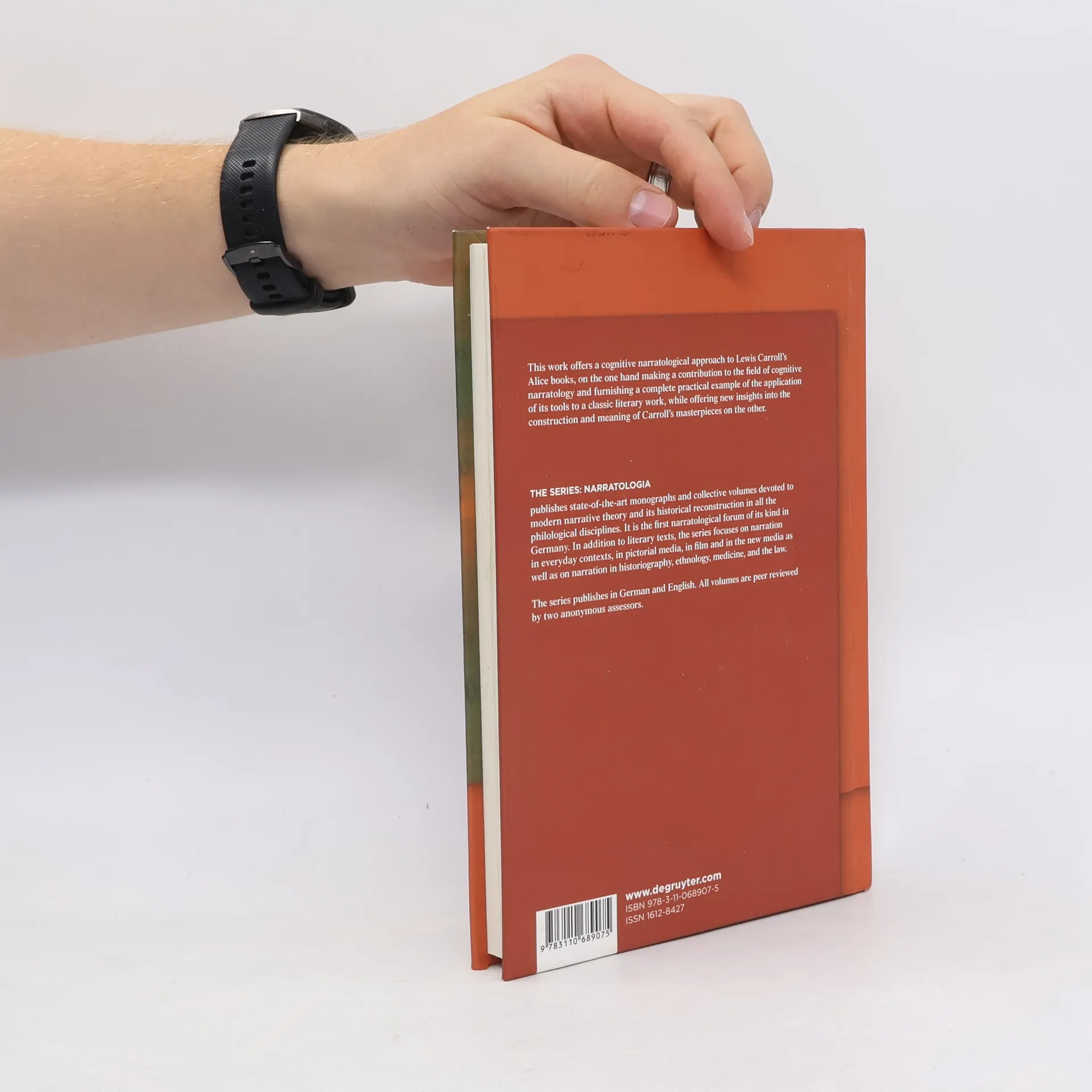
We live in an age that is witnessing a growing interest in narrative studies, cognitive neuroscientific tools, mind studies and artificial intelligence hypotheses. This book therefore aims to expand the exegesis of Carroll's "Alice" books, aligning them with the current intellectual environment. The theoretical force of this volume lies in the successful encounter between a great book (and all its polysemous ramifications) and a new interpretative point of view, powerful enough to provide a new original contribution, but well grounded enough not to distort the text itself. Moreover, this book is one of the first to offer a complete, thorough analysis of one single text through the theoretical lens of cognitive narratology, and not just as a series of brief examples embedded within a more general discussion. It emphasises in a more direct, effective way the actual novelty and usefulness of the dialogue established between narrative theory and the cognitive sciences. It links specific concepts elaborated in the theory of cognitive narratology with the analysis of the "Alice" books, helping in this way to discuss, question and extend the concepts themselves, opening up new interpretations and practical methods.
Nákup knihy
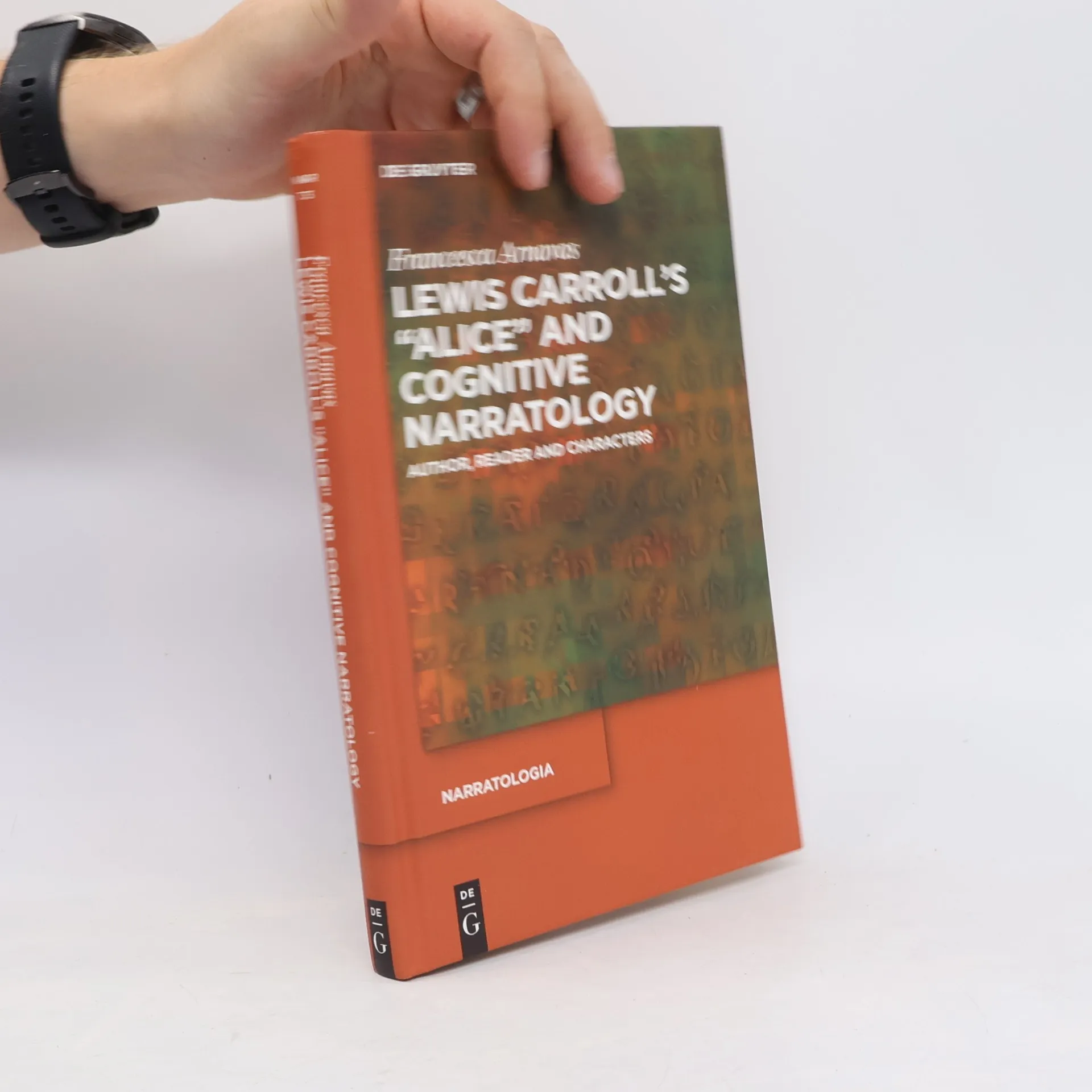
Narratologia - 73: Lewis Carroll's "Alice" and Cognitive Narratology, Francesca Arnavas
- Jazyk

- Rok vydání
- 2021
- Vazba
- (pevná),
- Stav knihy
- Poškozená
- Cena
- 78 Kč
Doručení
Platební metody
Nikdo zatím neohodnotil.
- Podtitul
- Author, Reader and Characters
- Jazyk
- anglicky
- Autoři
- Francesca Arnavas
- Vydavatel
- De Gruyter
- Rok vydání
- 2021
- Vazba
- pevná
- Počet stran
- 224
- ISBN10
- 3110689073
- ISBN13
- 9783110689075
- Série
- Štítky
- Naučná literatura, Společenské vědy, Historické téma, Dětská literatura, Literární věda, Děti, 19. století, Velká Británie, Anglická literatura, Literární kritika, Literární teorie
- Anotace
- We live in an age that is witnessing a growing interest in narrative studies, cognitive neuroscientific tools, mind studies and artificial intelligence hypotheses. This book therefore aims to expand the exegesis of Carroll's "Alice" books, aligning them with the current intellectual environment. The theoretical force of this volume lies in the successful encounter between a great book (and all its polysemous ramifications) and a new interpretative point of view, powerful enough to provide a new original contribution, but well grounded enough not to distort the text itself. Moreover, this book is one of the first to offer a complete, thorough analysis of one single text through the theoretical lens of cognitive narratology, and not just as a series of brief examples embedded within a more general discussion. It emphasises in a more direct, effective way the actual novelty and usefulness of the dialogue established between narrative theory and the cognitive sciences. It links specific concepts elaborated in the theory of cognitive narratology with the analysis of the "Alice" books, helping in this way to discuss, question and extend the concepts themselves, opening up new interpretations and practical methods.