




Více o knize
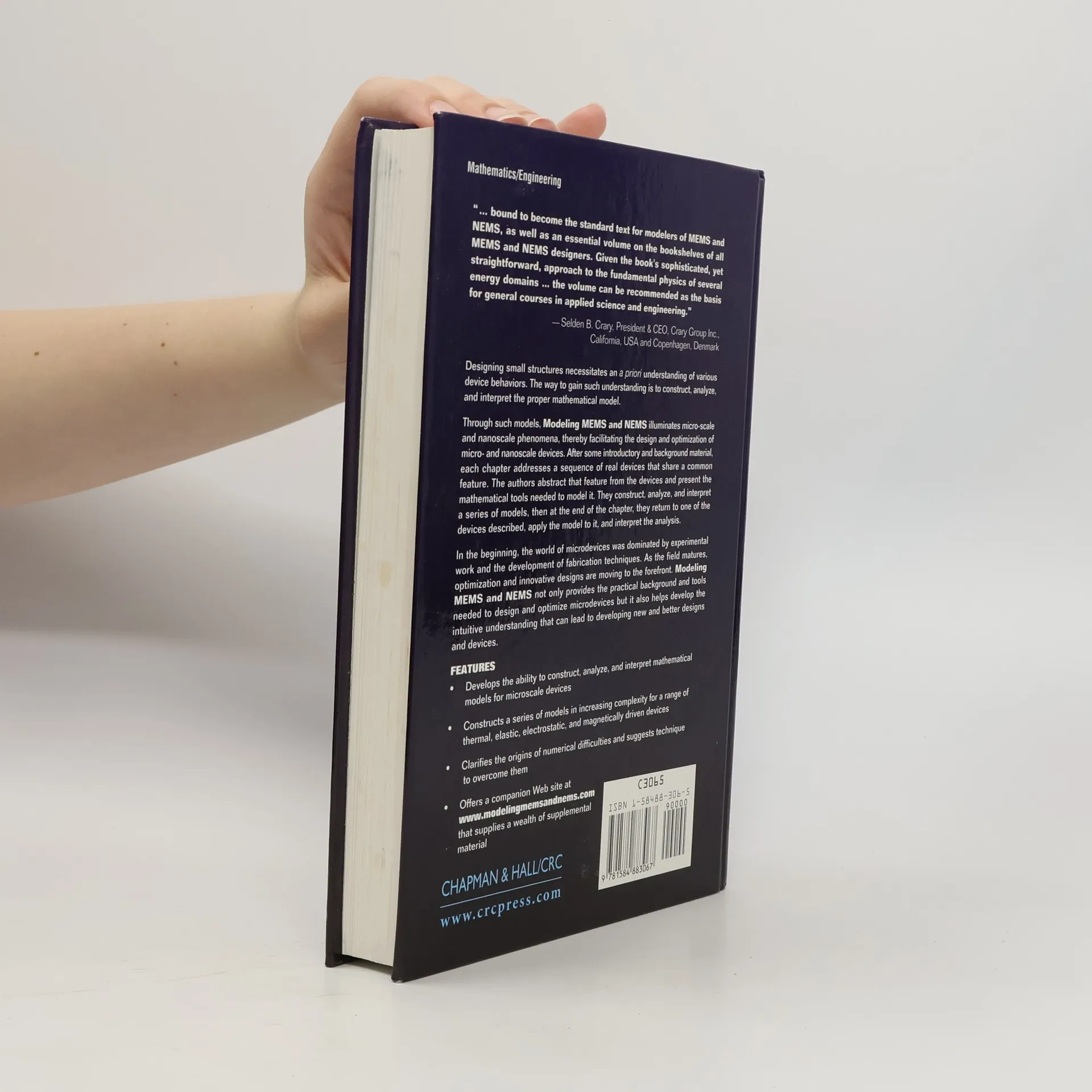
Designing small structures necessitates an a priori understanding of various device behaviors. The way to gain such understanding is to construct, analyze, and interpret the proper mathematical model.Through such models, Modeling MEMS and NEMS illuminates microscale and nanoscale phenomena, thereby facilitating the design and optimization of micro- and nanoscale devices. After some introductory material, a review of continuum mechanics, and a study of scaling, the book is organized around phenomena. Each chapter addresses a sequence of real devices that share a common feature. The authors abstract that feature from the devices and present the mathematical tools needed to model it. They construct, analyze, and interpret a series of models of increasing complexity, then at the end of the chapter, they return to one of the devices described, apply the model to it, and interpret the analysis.In the beginning, the world of microdevices was dominated by experimental work and the development of fabrication techniques. As it matures, optimization and innovative designs are moving to the forefront. Modeling MEMS and NEMS not only provides the practical background and tools needed to design and optimize microdevices but it also helps develop the intuitive understanding that can lead to developing new and better designs and devices.
Nákup knihy
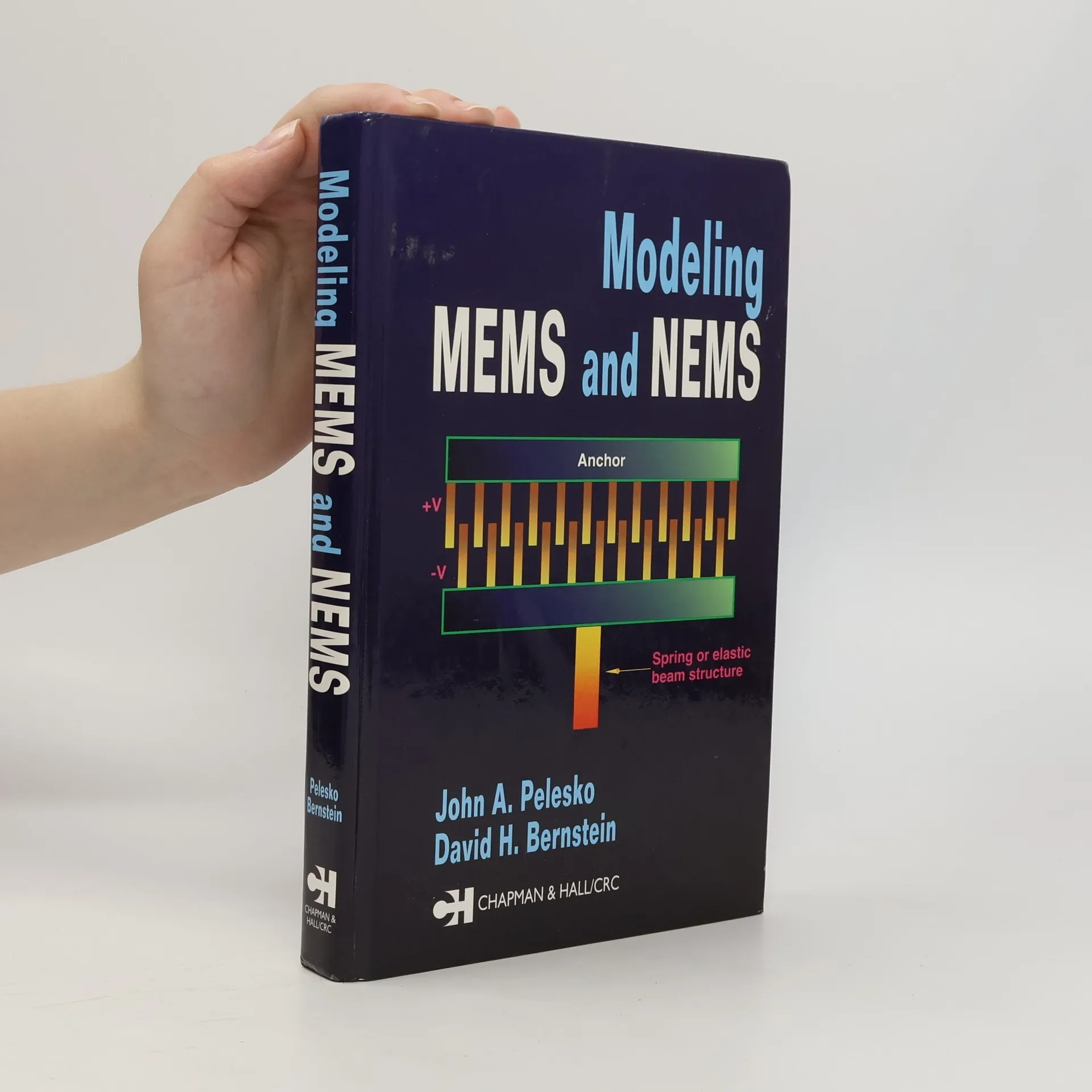
Modeling MEMS and NEMS, John A. Pelesko, David H. Bernstein
- Jazyk

- Rok vydání
- 2003
- Vazba
- (pevná),
- Stav knihy
- Poškozená
- Cena
- 165 Kč
Doručení
Platební metody
Nikdo zatím neohodnotil.
- Jazyk
- anglicky
- Vydavatel
- CRC Press
- Rok vydání
- 2003
- Vazba
- pevná
- Počet stran
- 384
- ISBN10
- 1584883065
- ISBN13
- 9781584883067
- Série
- Štítky
- Naučná literatura, Technologie & Průmysl, Věda & Matematika, Přírodní vědy, Počítače & Internet, Fyzika, Strojírenství, Matematická analýza
- Anotace
- Designing small structures necessitates an a priori understanding of various device behaviors. The way to gain such understanding is to construct, analyze, and interpret the proper mathematical model.Through such models, Modeling MEMS and NEMS illuminates microscale and nanoscale phenomena, thereby facilitating the design and optimization of micro- and nanoscale devices. After some introductory material, a review of continuum mechanics, and a study of scaling, the book is organized around phenomena. Each chapter addresses a sequence of real devices that share a common feature. The authors abstract that feature from the devices and present the mathematical tools needed to model it. They construct, analyze, and interpret a series of models of increasing complexity, then at the end of the chapter, they return to one of the devices described, apply the model to it, and interpret the analysis.In the beginning, the world of microdevices was dominated by experimental work and the development of fabrication techniques. As it matures, optimization and innovative designs are moving to the forefront. Modeling MEMS and NEMS not only provides the practical background and tools needed to design and optimize microdevices but it also helps develop the intuitive understanding that can lead to developing new and better designs and devices.