



Více o knize
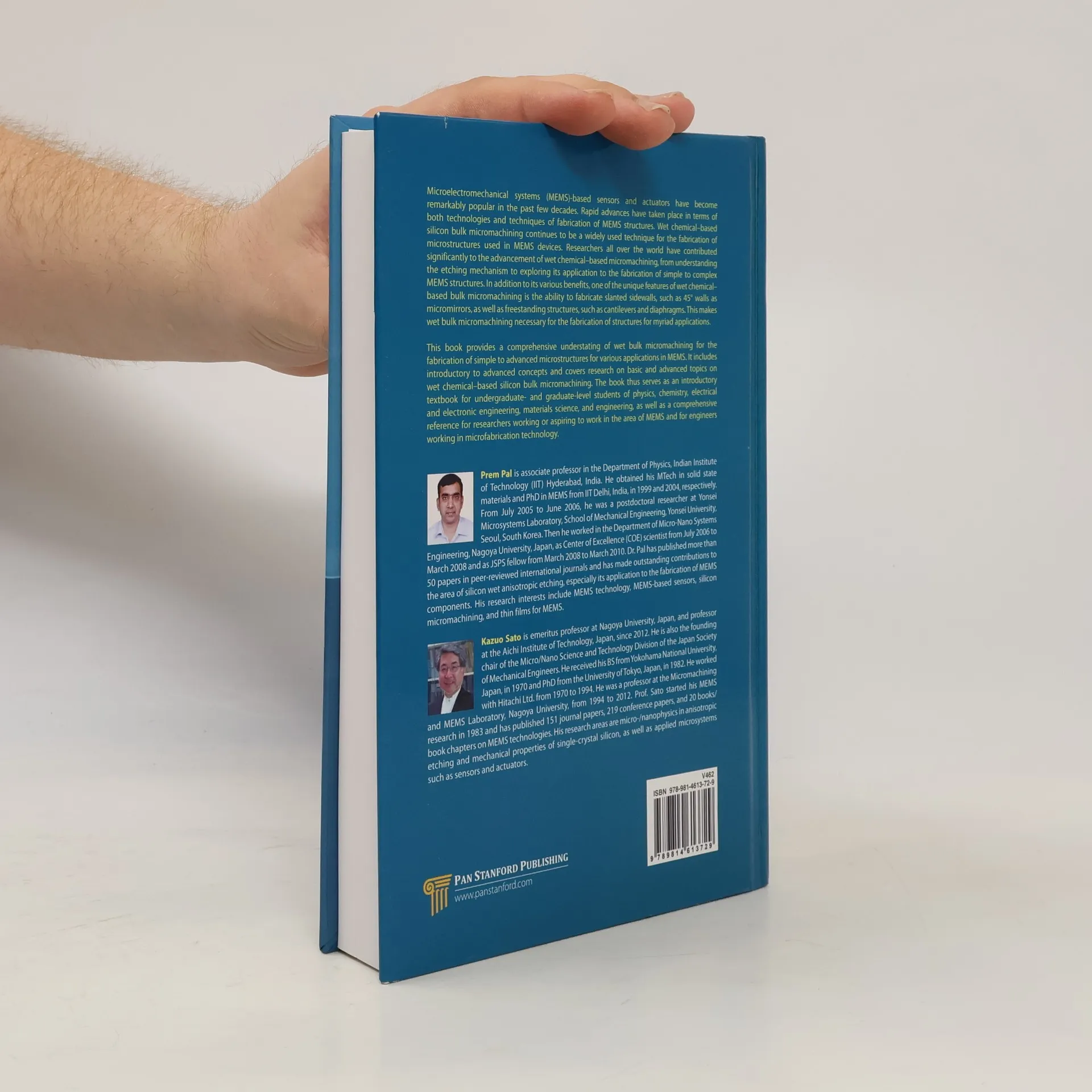
Microelectromechanical systems (MEMS)-based sensors and actuators have gained significant popularity in recent decades, driven by rapid advancements in technology and fabrication techniques. Wet chemical-based silicon bulk micromachining remains a widely used method for creating microstructures in MEMS devices. Global researchers have made substantial contributions to this field, enhancing understanding of etching mechanisms and expanding applications from simple to complex MEMS structures. A notable advantage of wet chemical-based bulk micromachining is its capability to produce slanted sidewalls, such as 45-degree walls for micromirrors, and freestanding structures like cantilevers and diaphragms. This versatility is essential for a wide range of applications. The book offers a thorough exploration of wet bulk micromachining, from foundational to advanced concepts, and encompasses research on both basic and complex topics in the field. It serves as an introductory textbook for undergraduate and graduate students in physics, chemistry, electrical and electronic engineering, and materials science, while also acting as a comprehensive reference for researchers and engineers involved in MEMS and microfabrication technology.
Nákup knihy
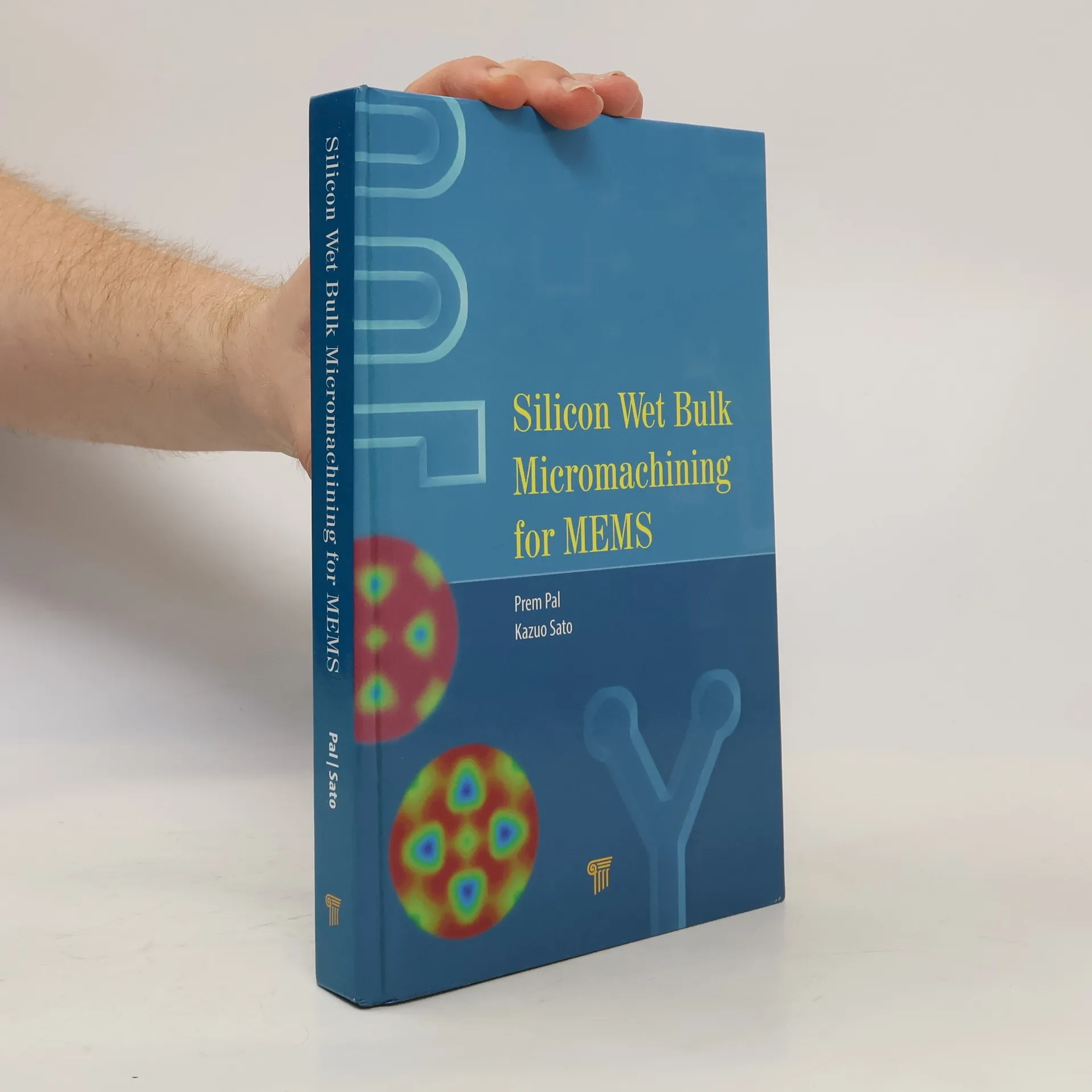
Silicon Wet Bulk Micromachining for MEMS, Prem Pal, Kazuo Sato
- Jazyk

- Rok vydání
- 2017
- product-detail.submit-box.info.binding
- (pevná),
- Stav knihy
- Poškozená
- Cena
- 155 Kč
Doručení
Platební metody
Nikdo zatím neohodnotil.
- Jazyk
- anglicky
- Autoři
- Prem Pal, Kazuo Sato
- Vydavatel
- Jenny Stanford Publishing
- Rok vydání
- 2017
- Vazba
- pevná
- Počet stran
- 424
- ISBN10
- 981461372X
- ISBN13
- 9789814613729
- Série
- Štítky
- Naučná literatura, Věda & Matematika, Přírodní vědy, Věda, Technologie, Fyzika, Asie, Elektronika
- Anotace
- Microelectromechanical systems (MEMS)-based sensors and actuators have gained significant popularity in recent decades, driven by rapid advancements in technology and fabrication techniques. Wet chemical-based silicon bulk micromachining remains a widely used method for creating microstructures in MEMS devices. Global researchers have made substantial contributions to this field, enhancing understanding of etching mechanisms and expanding applications from simple to complex MEMS structures. A notable advantage of wet chemical-based bulk micromachining is its capability to produce slanted sidewalls, such as 45-degree walls for micromirrors, and freestanding structures like cantilevers and diaphragms. This versatility is essential for a wide range of applications. The book offers a thorough exploration of wet bulk micromachining, from foundational to advanced concepts, and encompasses research on both basic and complex topics in the field. It serves as an introductory textbook for undergraduate and graduate students in physics, chemistry, electrical and electronic engineering, and materials science, while also acting as a comprehensive reference for researchers and engineers involved in MEMS and microfabrication technology.