


Více o knize
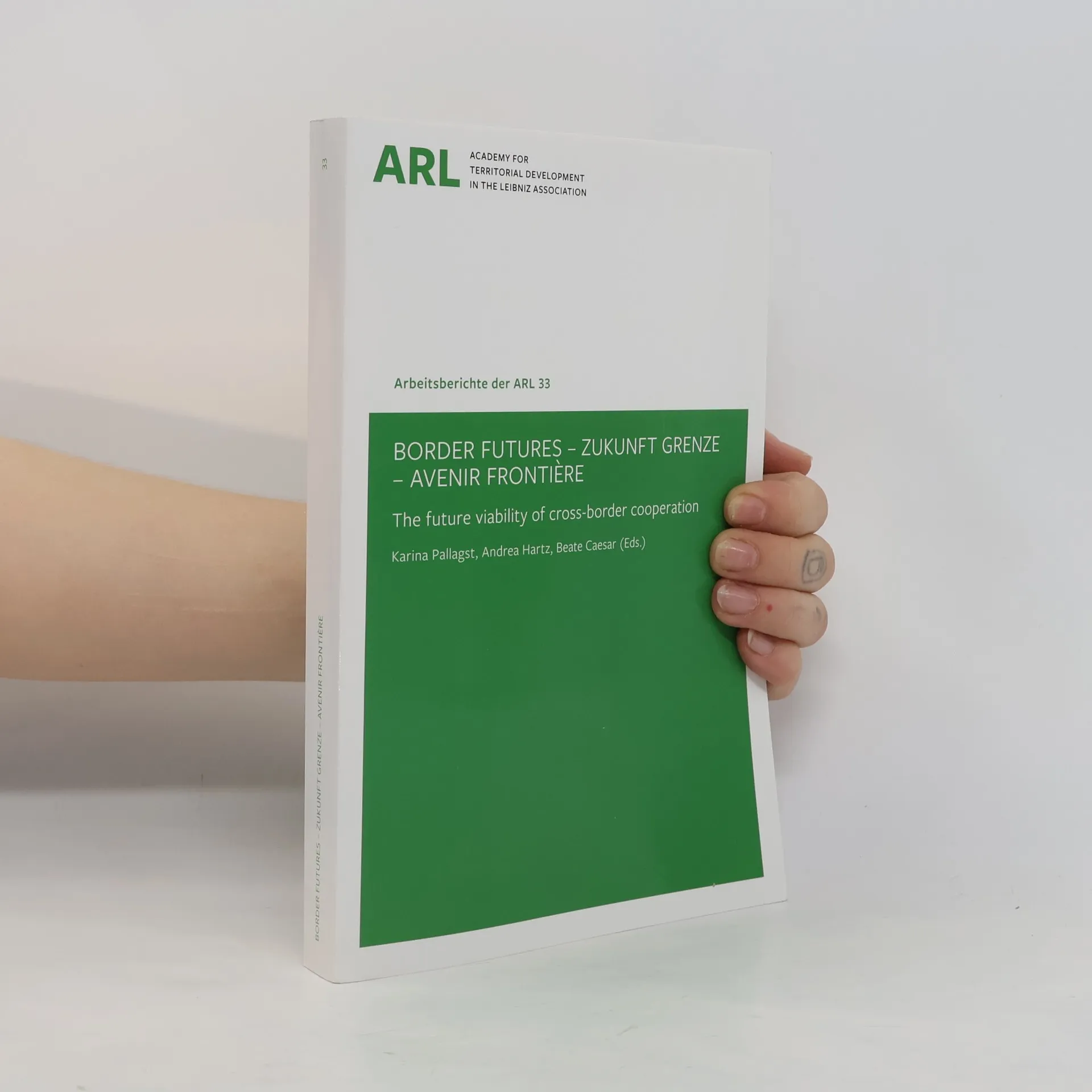
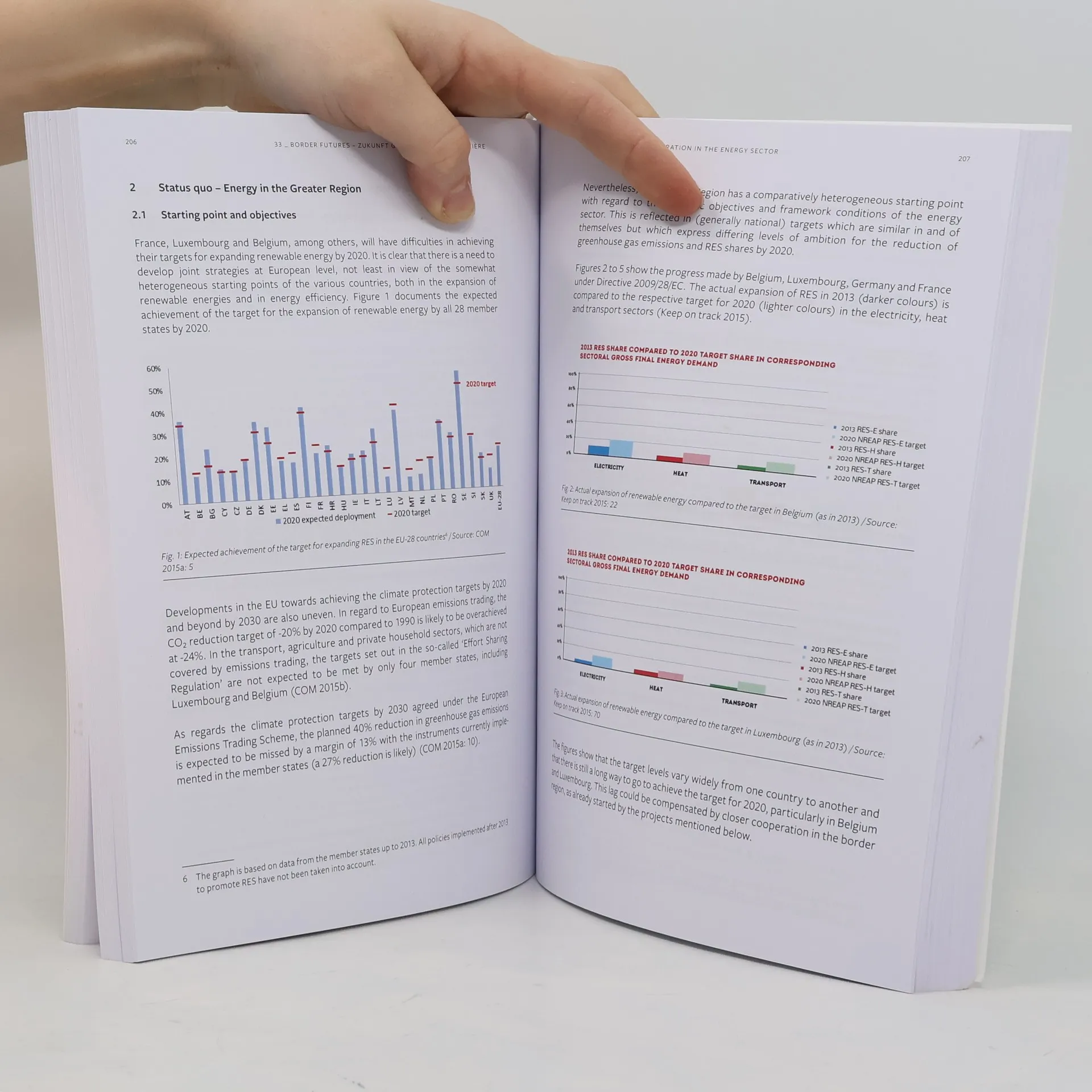
What current discourses are relevant for border areas? What opportunities and obstacles arise from their unique situations? These questions guided the Border Futures working group's discussions. Regions like the Greater Region and the Trinational Metropolitan Region of the Upper Rhine extend beyond immediate borders, yet face challenges in cross-border cooperation due to a lack of responsive instruments. Increasing cross-border interactions, economic transformations, new energy policies, and demographic changes present new hurdles. Additionally, spatial polarization affects the future viability of these regions, raising concerns about urban metropolisation and rural public service provision. This volume, building on the Border Futures discussions, examines practical cross-border cooperation and recent research pertinent to planning in European border regions. The insights aim to be applicable within the Regional Working Group's territory and contribute to the broader discourse on enhancing cross-border cooperation. Key topics include sustainable governance, new spatial functions, and innovative planning instruments, alongside opportunities presented by the current EU structural policy programming period for border areas.
Nákup knihy
Arbeitsberichte der ARL - 33: Border Futures-Zukunft Grenze-Avenir Frontière, Karina Pallagst, Andrea Hartz, Beate Caesar
- Jazyk

- Rok vydání
- 2022
- Vazba
- (měkká),
- Stav knihy
- Velmi dobrá
- Cena
- 159 Kč
Nikdo zatím neohodnotil.
- Titul
- Arbeitsberichte der ARL - 33: Border Futures-Zukunft Grenze-Avenir Frontière
- Podtitul
- The Future Viability of Cross-Border Cooperation
- Jazyk
- anglicky
- Autoři
- Karina Pallagst, Andrea Hartz, Beate Caesar
- Vydavatel
- BoD – Books on Demand
- Rok vydání
- 2022
- Vazba
- měkká
- Počet stran
- 390
- ISBN10
- 3888384362
- ISBN13
- 9783888384363
- Série
- Anotace
- What current discourses are relevant for border areas? What opportunities and obstacles arise from their unique situations? These questions guided the Border Futures working group's discussions. Regions like the Greater Region and the Trinational Metropolitan Region of the Upper Rhine extend beyond immediate borders, yet face challenges in cross-border cooperation due to a lack of responsive instruments. Increasing cross-border interactions, economic transformations, new energy policies, and demographic changes present new hurdles. Additionally, spatial polarization affects the future viability of these regions, raising concerns about urban metropolisation and rural public service provision. This volume, building on the Border Futures discussions, examines practical cross-border cooperation and recent research pertinent to planning in European border regions. The insights aim to be applicable within the Regional Working Group's territory and contribute to the broader discourse on enhancing cross-border cooperation. Key topics include sustainable governance, new spatial functions, and innovative planning instruments, alongside opportunities presented by the current EU structural policy programming period for border areas.