

Více o knize
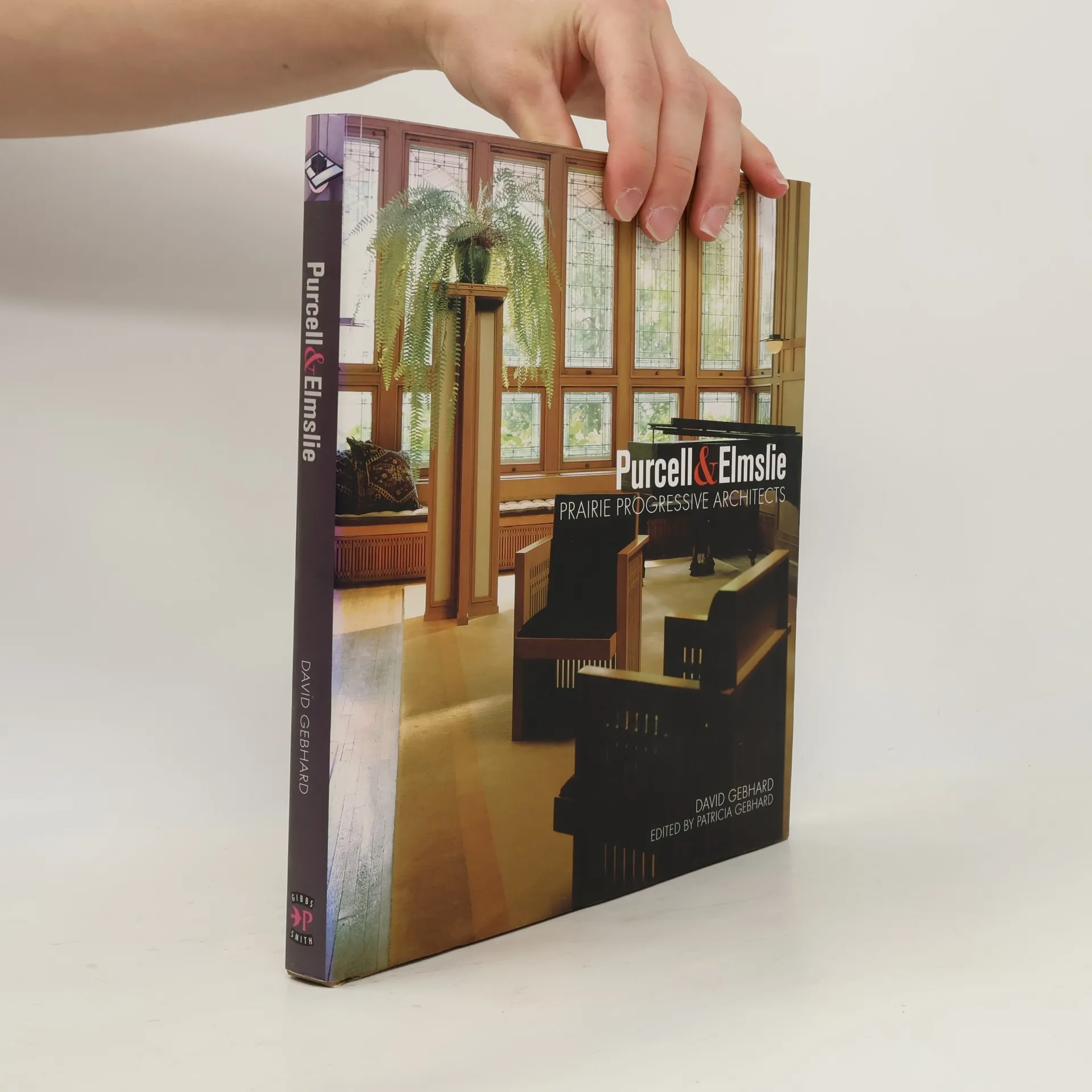
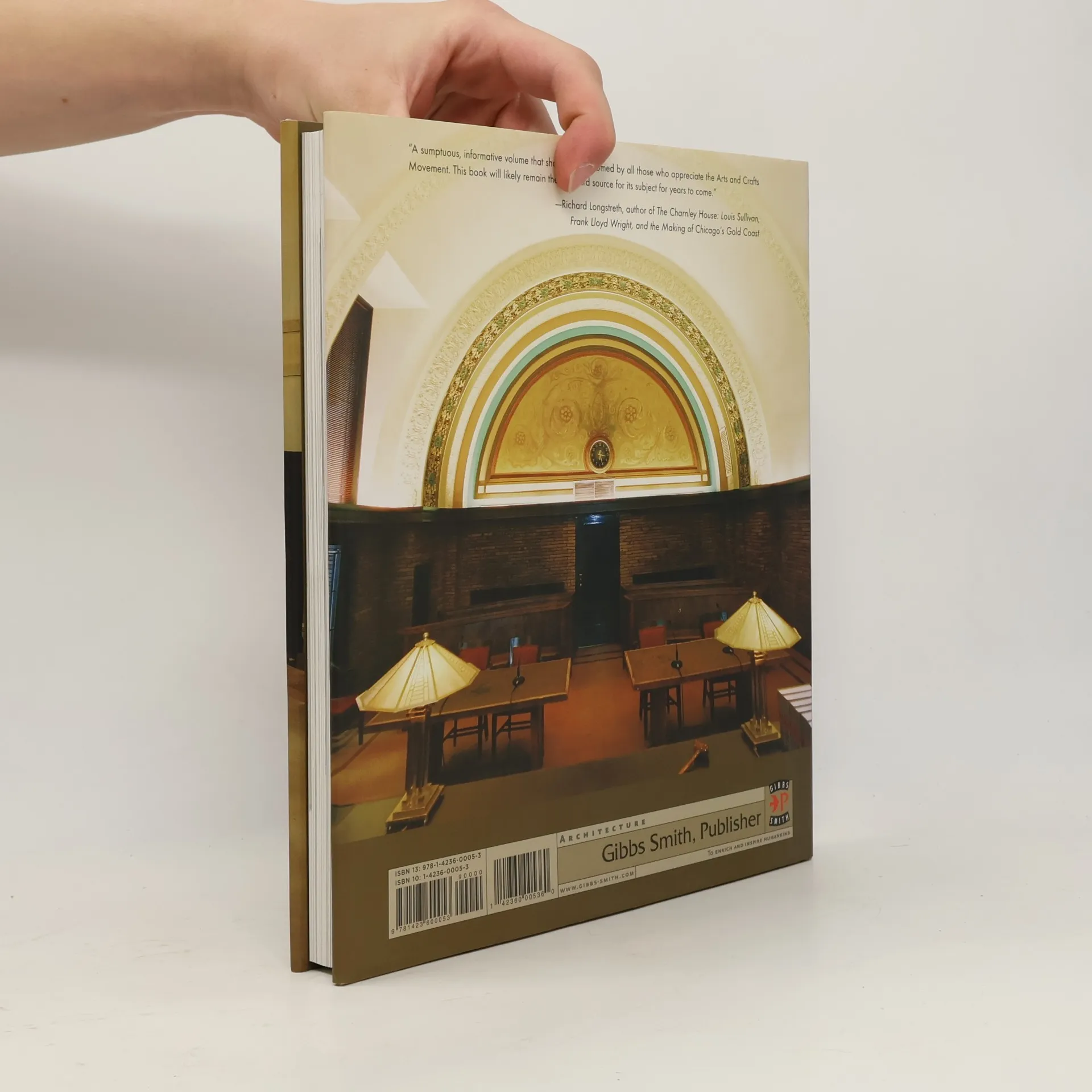
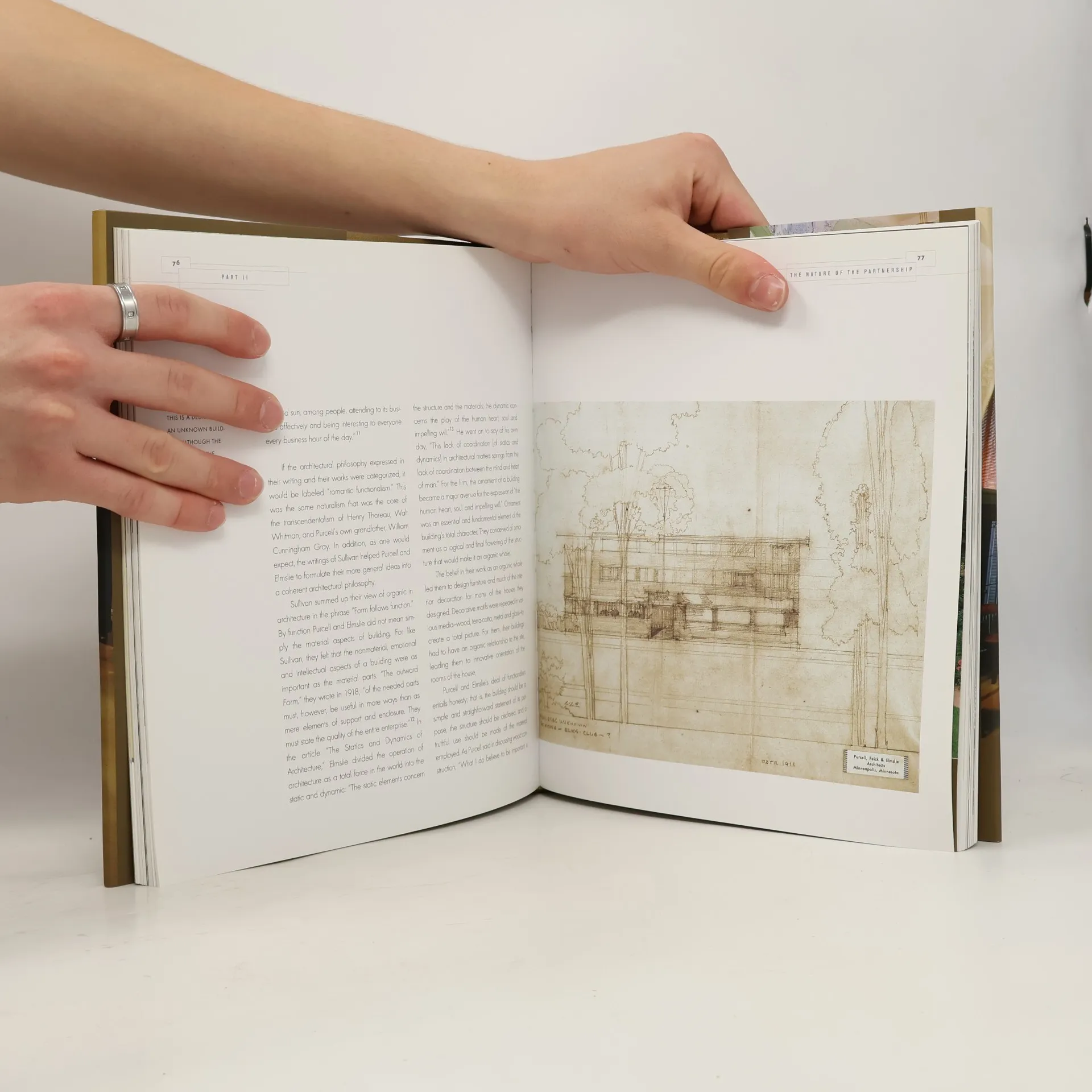
Purcell and Prairie Progressives delves into the contributions of two key figures in the organic architecture movement, highlighting their significant impact on American architecture and the Prairie School. With a focus on simplicity and honesty, Purcell and Elmslie designed homes and buildings that reflected democratic values through straightforward forms, natural materials, and site-sensitive designs. They believed that architecture transcends mere structure, culminating in the integration of color, environment, and decorative elements like glass and terra-cotta. Their firm achieved notable success by creating open-planned, free-flowing houses that were accessible to many Americans of moderate means. The book discusses various projects across the Midwest, including Minnesota, Michigan, Iowa, North Dakota, Illinois, and Wisconsin, emphasizing the need to acknowledge these progressive architects. It features comprehensive biographies of George Grant Elmslie and William Gray Purcell, details their collaborative work, explores projects completed after the firm's dissolution, and catalogs their major works, showcasing the lasting legacy of Purcell and Elmslie in the realm of architecture.
Nákup knihy
Purcell & Elmslie, David Gebhard, Patricia Gebhard
- Jazyk

- Rok vydání
- 2006
- Vazba
- (pevná)
Nikdo zatím neohodnotil.
- Titul
- Purcell & Elmslie
- Podtitul
- Prairie Progressive Architects
- Jazyk
- anglicky
- Autoři
- David Gebhard, Patricia Gebhard
- Vydavatel
- Gibbs Smith
- Rok vydání
- 2006
- Vazba
- pevná
- Počet stran
- 144
- ISBN10
- 1423600053
- ISBN13
- 9781423600053
- Série
- Štítky
- Architektura
- Anotace
- Purcell and Prairie Progressives delves into the contributions of two key figures in the organic architecture movement, highlighting their significant impact on American architecture and the Prairie School. With a focus on simplicity and honesty, Purcell and Elmslie designed homes and buildings that reflected democratic values through straightforward forms, natural materials, and site-sensitive designs. They believed that architecture transcends mere structure, culminating in the integration of color, environment, and decorative elements like glass and terra-cotta. Their firm achieved notable success by creating open-planned, free-flowing houses that were accessible to many Americans of moderate means. The book discusses various projects across the Midwest, including Minnesota, Michigan, Iowa, North Dakota, Illinois, and Wisconsin, emphasizing the need to acknowledge these progressive architects. It features comprehensive biographies of George Grant Elmslie and William Gray Purcell, details their collaborative work, explores projects completed after the firm's dissolution, and catalogs their major works, showcasing the lasting legacy of Purcell and Elmslie in the realm of architecture.