


Více o knize
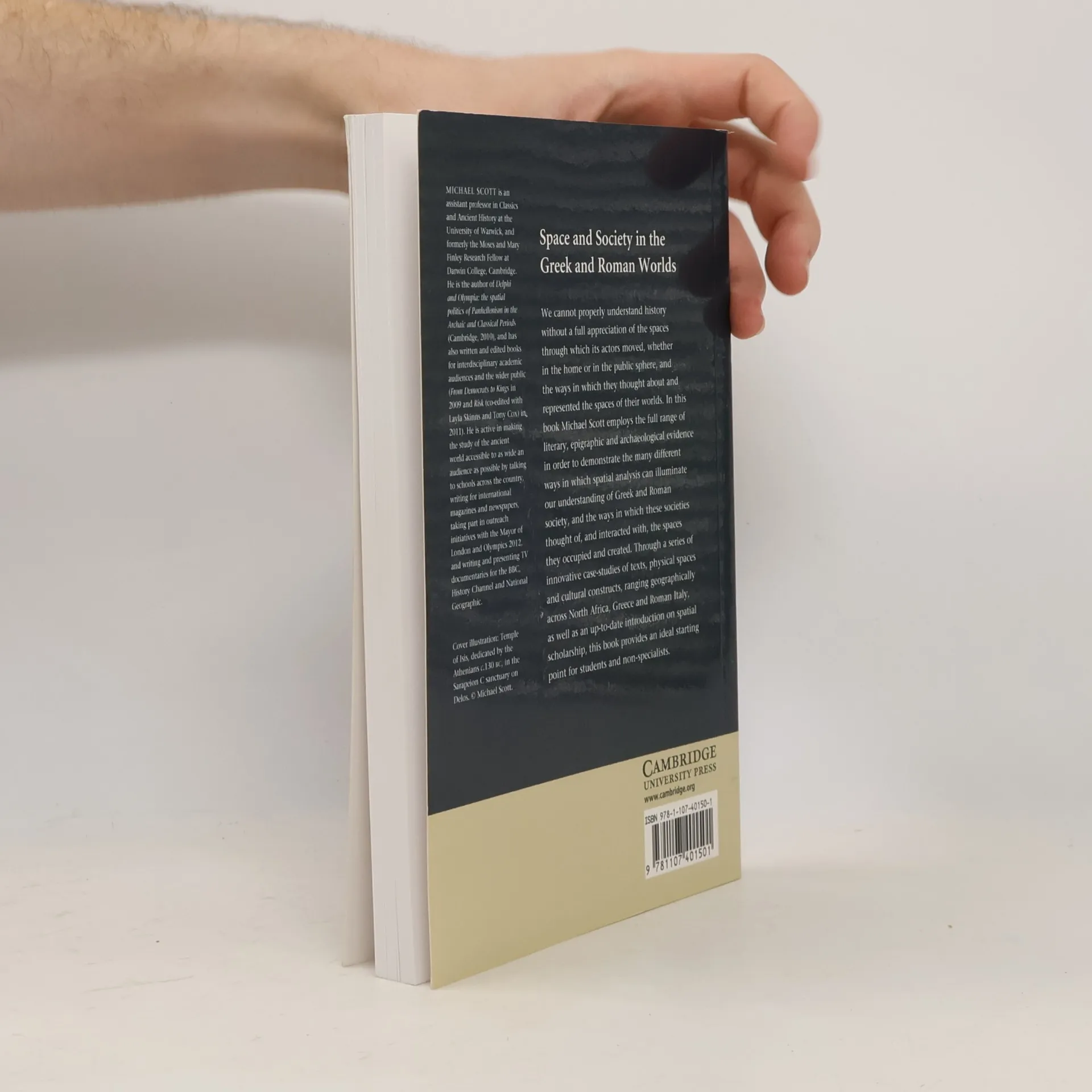
We cannot properly understand history without a full appreciation of the spaces through which its actors moved, whether in the home or in the public sphere, and the ways in which they thought about and represented the spaces of their worlds. In this book Michael Scott employs the full range of literary, epigraphic and archaeological evidence in order to demonstrate the many different ways in which spatial analysis can illuminate our understanding of Greek and Roman society and the ways in which these societies thought of, and interacted with, the spaces they occupied and created. Through a series of innovative case studies of texts, physical spaces and cultural constructs, ranging geographically across North Africa, Greece and Roman Italy, as well as an up-to-date introduction on spatial scholarship, this book provides an ideal starting point for students and non-specialists.
Nákup knihy
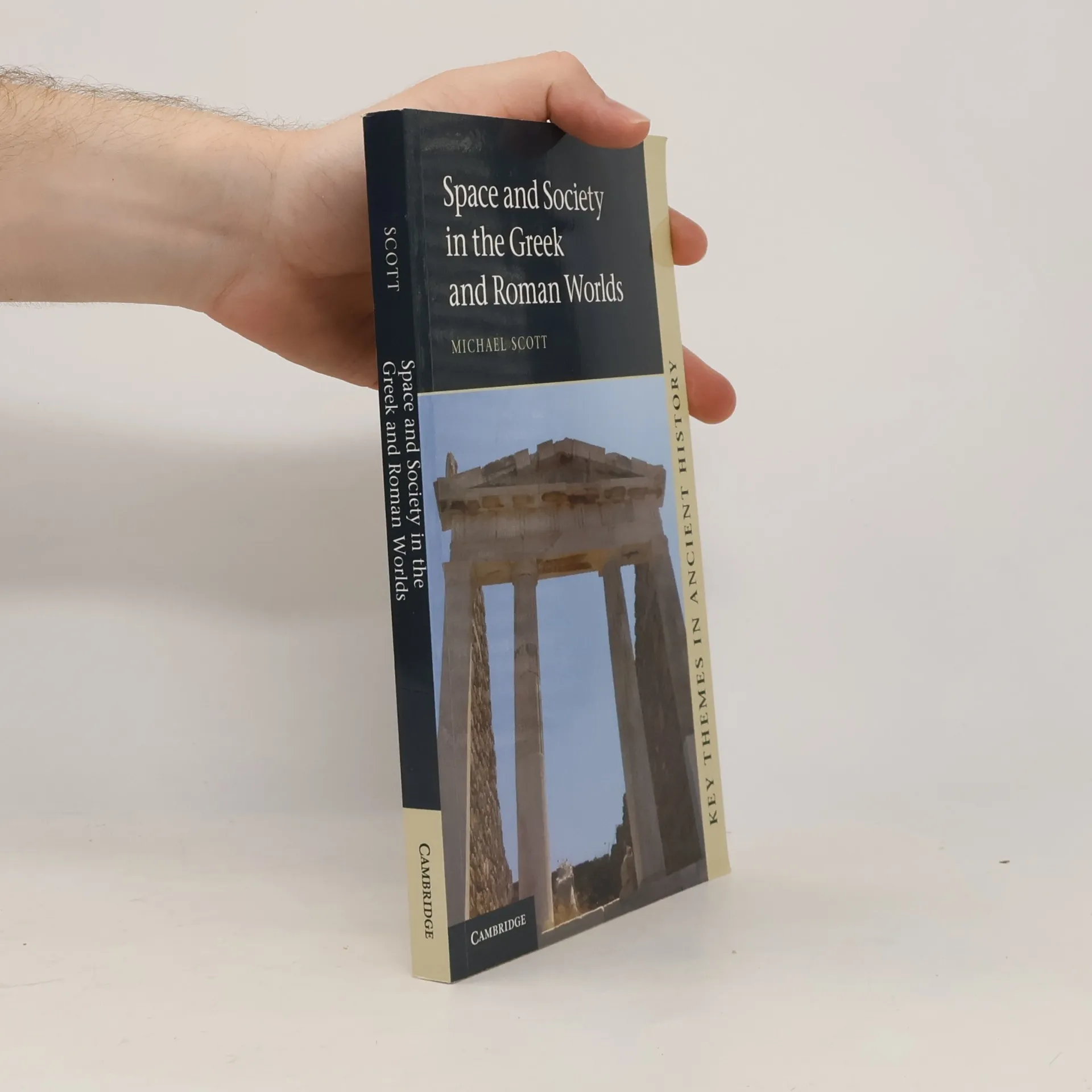
Space and Society in the Greek and Roman Worlds, Michael Scott
- Jazyk

- Rok vydání
- 2012
- Vazba
- (měkká)
Nikdo zatím neohodnotil.
- Titul
- Space and Society in the Greek and Roman Worlds
- Jazyk
- anglicky
- Autoři
- Michael Scott
- Vydavatel
- Cambridge University Press
- Rok vydání
- 2012
- Vazba
- měkká
- Počet stran
- 230
- ISBN10
- 110740150X
- ISBN13
- 9781107401501
- Série
- Anotace
- We cannot properly understand history without a full appreciation of the spaces through which its actors moved, whether in the home or in the public sphere, and the ways in which they thought about and represented the spaces of their worlds. In this book Michael Scott employs the full range of literary, epigraphic and archaeological evidence in order to demonstrate the many different ways in which spatial analysis can illuminate our understanding of Greek and Roman society and the ways in which these societies thought of, and interacted with, the spaces they occupied and created. Through a series of innovative case studies of texts, physical spaces and cultural constructs, ranging geographically across North Africa, Greece and Roman Italy, as well as an up-to-date introduction on spatial scholarship, this book provides an ideal starting point for students and non-specialists.