


Více o knize
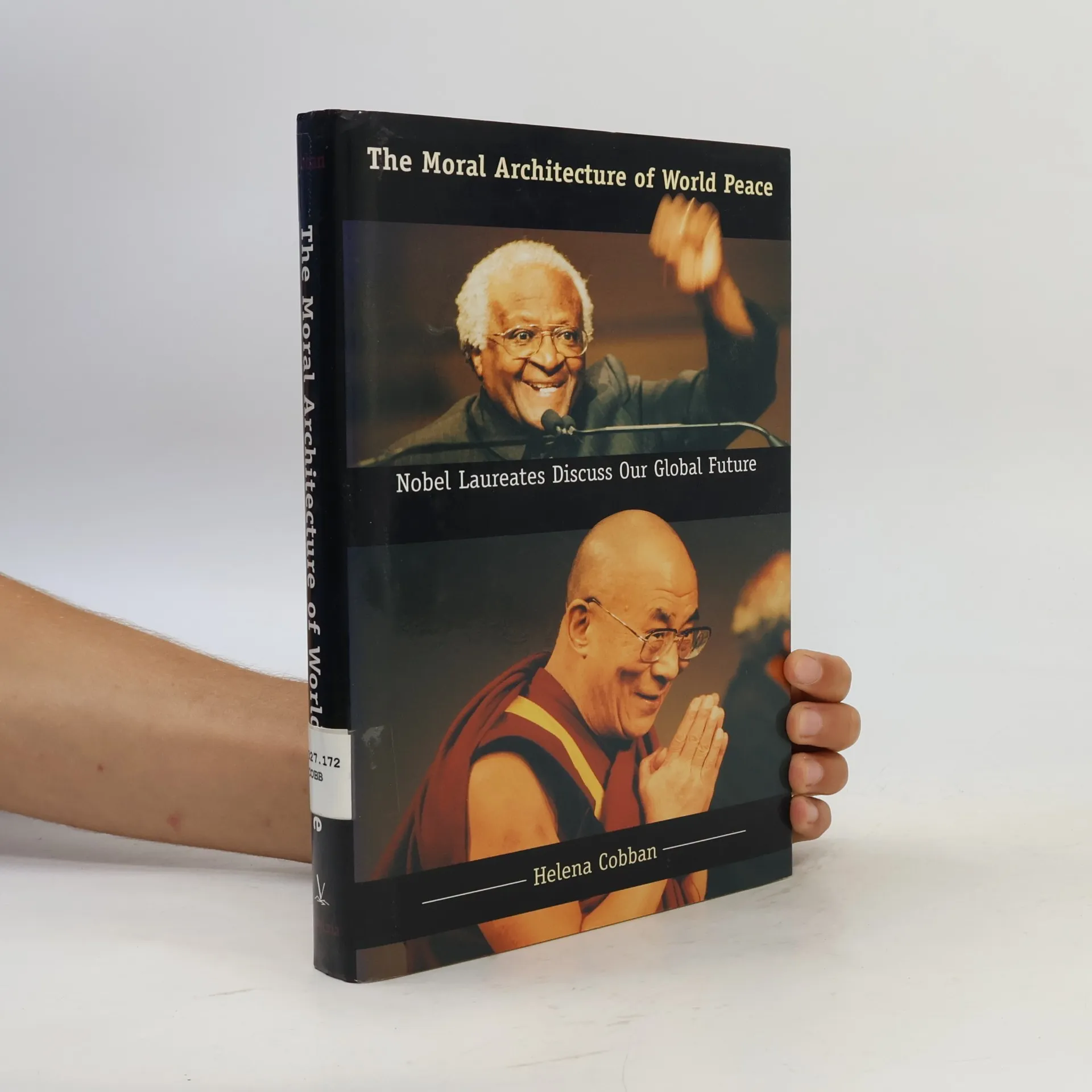
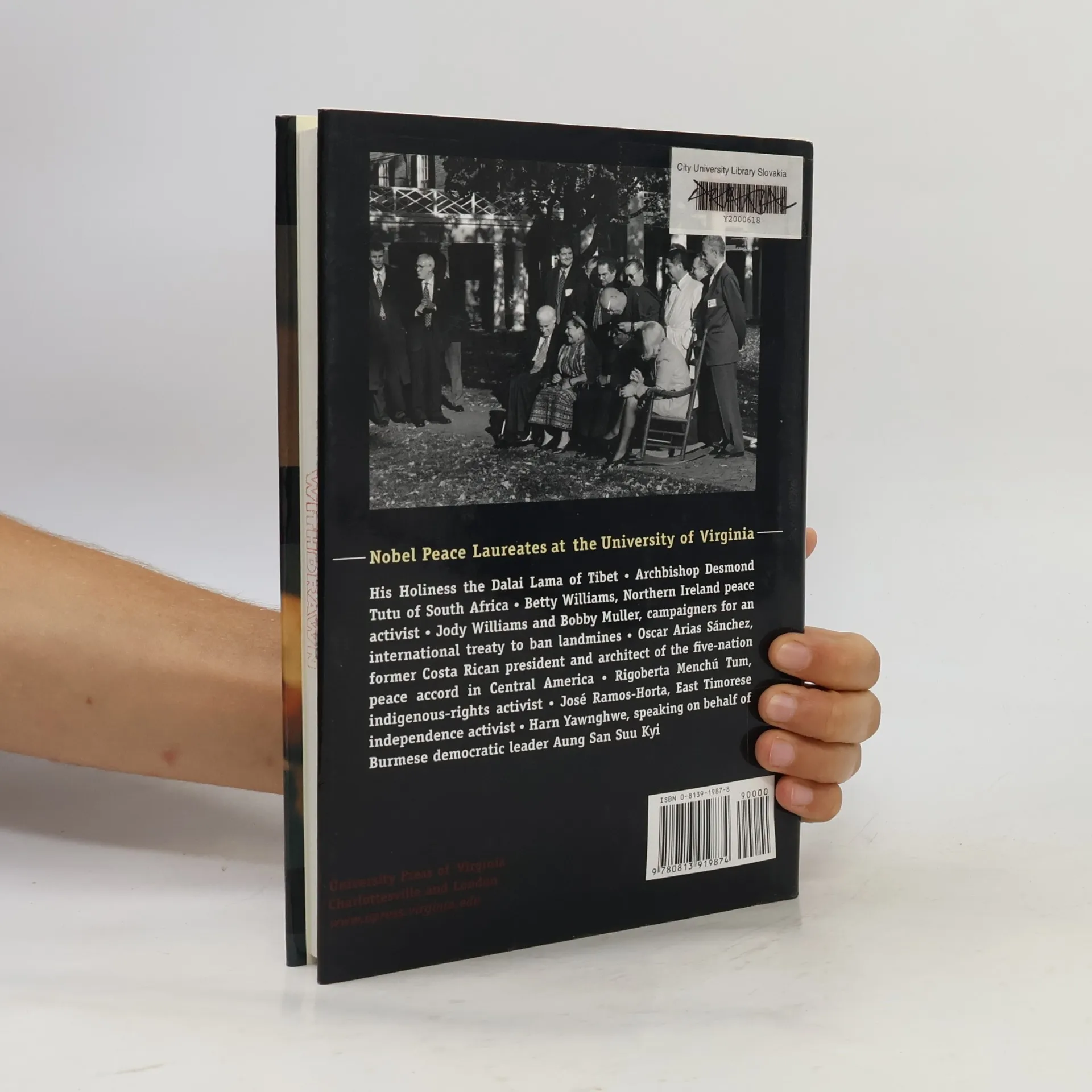
In November 1998, eight Nobel Peace Prize laureates convened at the University of Virginia for two days of profound dialogue. Their discussions, featuring insights from figures like the Dalai Lama and Archbishop Desmond Tutu, spanned traditional international-relations topics and delved into personal transformation and community organizing. Veteran journalist Helena Cobban captures their compelling vision for a shared global future, emphasizing that peace stems from personal strength and activism rather than mere economic trends. Each chapter presents a laureate's perspective, underscoring that peace encompasses personal, spiritual, economic, and military dimensions of global interconnectedness. The Dalai Lama highlights the necessity of inner disarmament, while Betty Williams speaks to the emotional scars of war. Jody Williams and Bobby Muller recount their successful campaign for a landmine ban, and Oscar Arias Sánchez urges wealthier nations to acknowledge their luxury spending versus the needs of the less fortunate. Rigoberta Menchú Tum and José Ramos-Horta lament the sacrifices of marginalized communities, while Harn Yawnghwe discusses the challenges of transitioning from authoritarian rule in Burma. Cobban articulates a shared understanding among these leaders: the potential for individuals to escape cycles of suspicion and violence. Their stories reflect personal and political triumphs, sacrifices, and the complexities
Nákup knihy
The Moral Architecture of World Peace, Helena Cobban
- Jazyk

- Rok vydání
- 2000
- Vazba
- (pevná),
- Stav knihy
- Poškozená
- Cena
- 184 Kč
Doručení
Platební metody
Nikdo zatím neohodnotil.
- Podtitul
- Nobel Laureates Discuss Our Global Future - Page-Barbour Lectures
- Jazyk
- anglicky
- Autoři
- Helena Cobban
- Vydavatel
- University of Virginia Press
- Rok vydání
- 2000
- Vazba
- pevná
- Počet stran
- 288
- ISBN10
- 0813919878
- ISBN13
- 9780813919874
- Série
- Štítky
- Naučná literatura, Společenské vědy, Životopisy, Politologie & Politika, Politika, Politické teorie, Mezinárodní vztahy, Mír
- Anotace
- In November 1998, eight Nobel Peace Prize laureates convened at the University of Virginia for two days of profound dialogue. Their discussions, featuring insights from figures like the Dalai Lama and Archbishop Desmond Tutu, spanned traditional international-relations topics and delved into personal transformation and community organizing. Veteran journalist Helena Cobban captures their compelling vision for a shared global future, emphasizing that peace stems from personal strength and activism rather than mere economic trends. Each chapter presents a laureate's perspective, underscoring that peace encompasses personal, spiritual, economic, and military dimensions of global interconnectedness. The Dalai Lama highlights the necessity of inner disarmament, while Betty Williams speaks to the emotional scars of war. Jody Williams and Bobby Muller recount their successful campaign for a landmine ban, and Oscar Arias Sánchez urges wealthier nations to acknowledge their luxury spending versus the needs of the less fortunate. Rigoberta Menchú Tum and José Ramos-Horta lament the sacrifices of marginalized communities, while Harn Yawnghwe discusses the challenges of transitioning from authoritarian rule in Burma. Cobban articulates a shared understanding among these leaders: the potential for individuals to escape cycles of suspicion and violence. Their stories reflect personal and political triumphs, sacrifices, and the complexities