


Více o knize
This insightful book by a prominent writer on U.S. foreign policy delves into the Bush administration's approach and its broader global strategy. It begins with a historical overview of America’s foreign relations, highlighting a generally moral and practical stance. The author critiques the Bush administration's foreign policy, noting that while Bush may be strategically correct, he often falters tactically in uniting a divided nation and coalition against formidable enemies. The aftermath of the 2001 terror attacks has significantly altered the landscape of American foreign policy, revealing the dire challenges posed by despair in the Arab world and the deteriorating conditions in Africa and Central Asia. These crises threaten to foster lawless regions conducive to terrorism and the proliferation of weapons of mass destruction. The book also addresses the fraying of key American alliances and the intense domestic political strife surrounding foreign policy, reminiscent of the Vietnam era. The author provides a thorough evaluation of Bush and his critics, urging immediate action to prevent escalating casualties in the war on terror. He advocates for a new strategy to garner support for a robust anti-terror policy, proposes initiatives for the Israeli-Palestinian conflict, and suggests significant reforms for international institutions like the United Nations Security Council. This work serves as a vital guide to contemporary
Nákup knihy
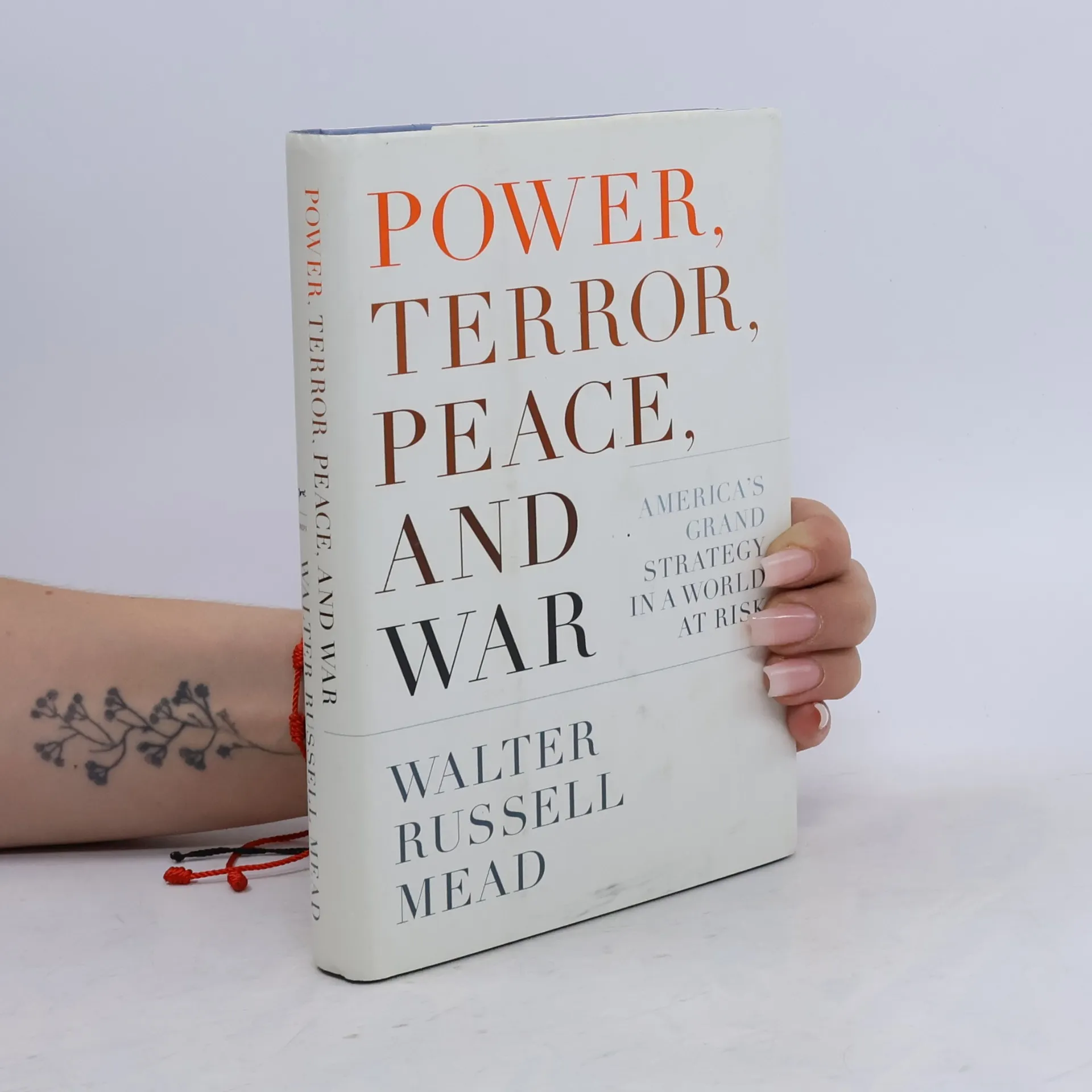
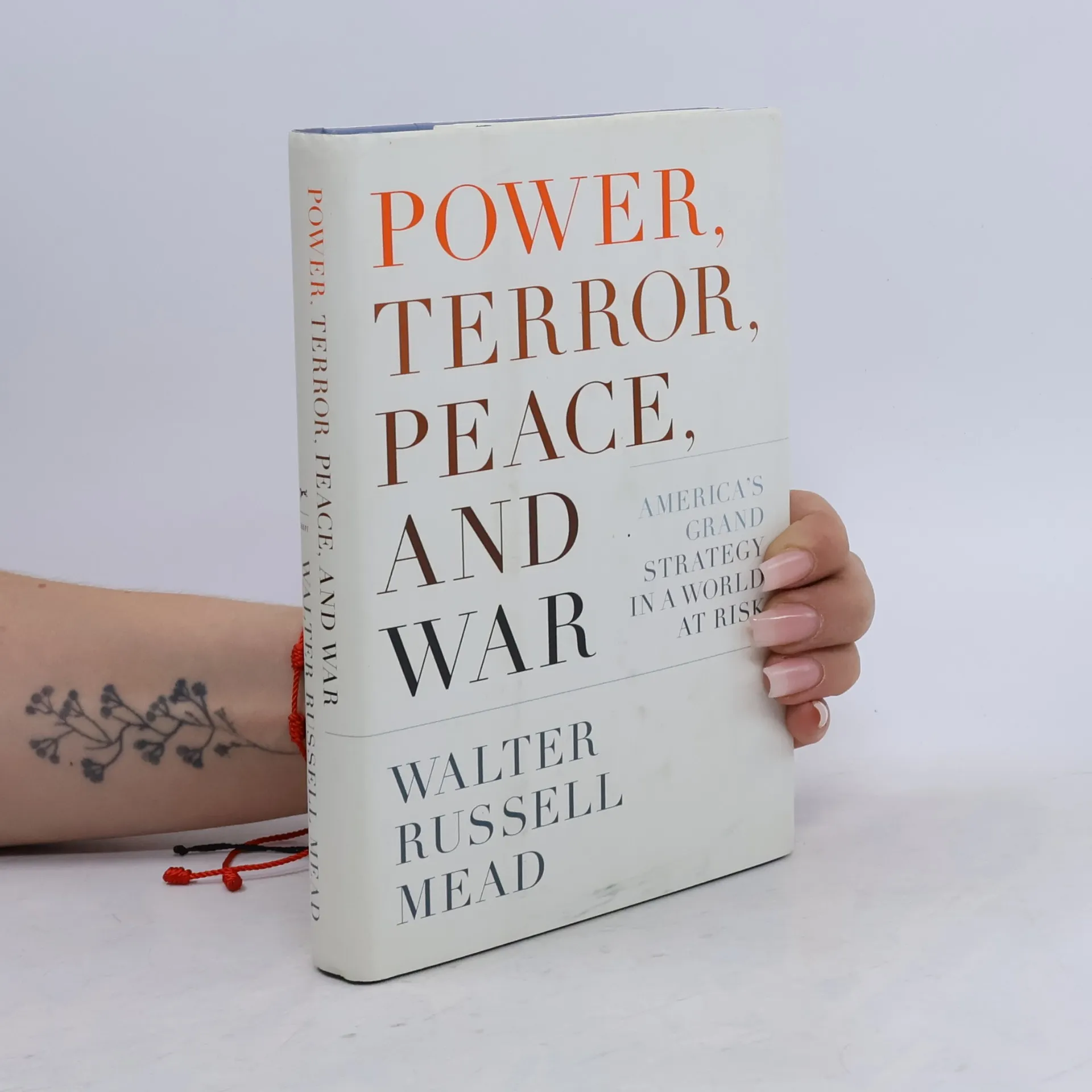
Power, Terror, Peace, and War, Walter Russell Mead
- Jazyk

- Rok vydání
- 2004
- Vazba
- (pevná),
- Stav knihy
- Poškozená
- Cena
- 130 Kč
Doručení
Platební metody
Nikdo zatím neohodnotil.
- Podtitul
- America's Grand Strategy in a World at Risk
- Jazyk
- anglicky
- Autoři
- Walter Russell Mead
- Vydavatel
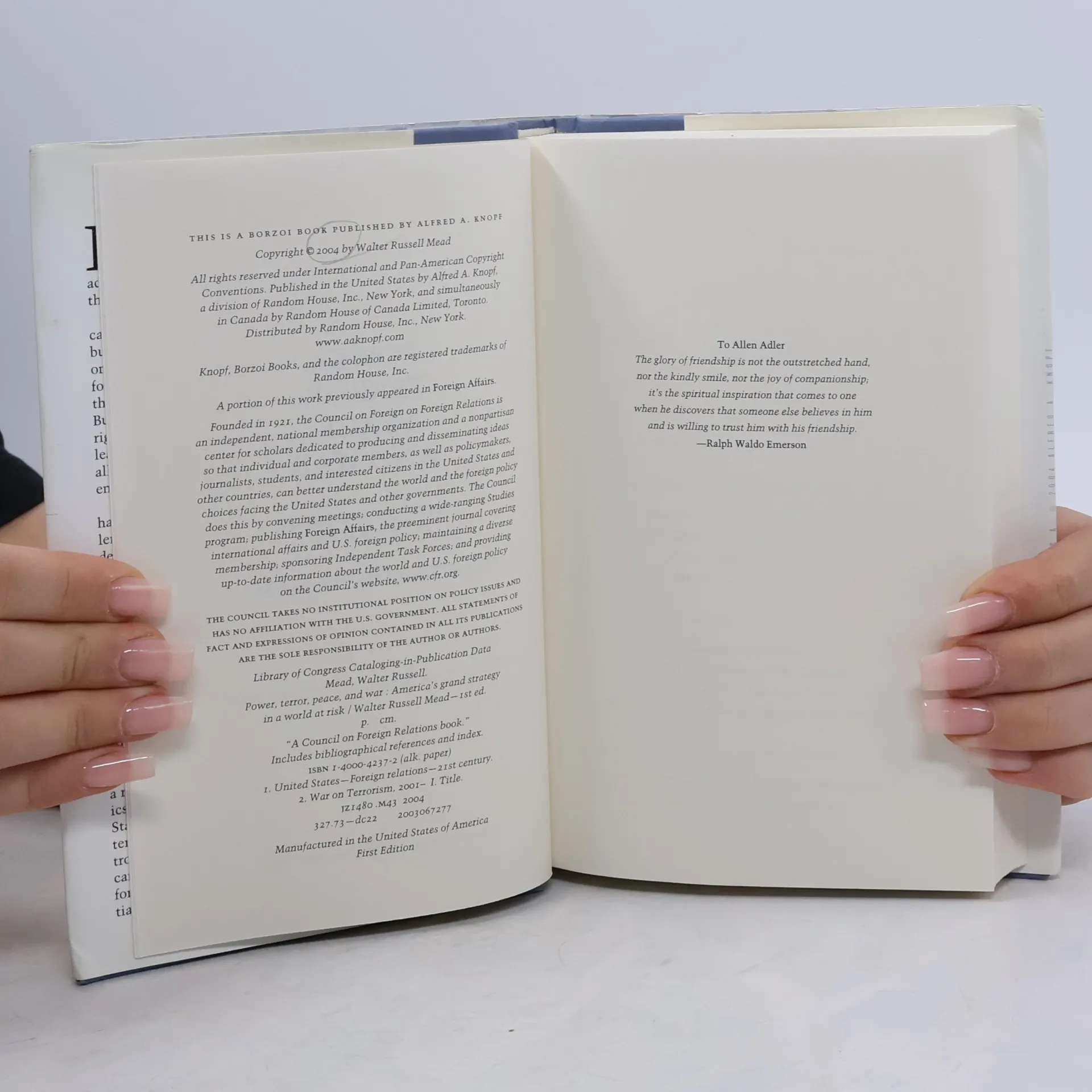
- Knopf
- Rok vydání
- 2004
- Vazba
- pevná
- Počet stran
- 240
- ISBN10
- 1400042372
- ISBN13
- 9781400042371
- Série
- Štítky
- Naučná literatura, Společenské vědy, Politologie & Politika, Politika, USA, Války, 21. století, Mezinárodní vztahy
- Anotace
- This insightful book by a prominent writer on U.S. foreign policy delves into the Bush administration's approach and its broader global strategy. It begins with a historical overview of America’s foreign relations, highlighting a generally moral and practical stance. The author critiques the Bush administration's foreign policy, noting that while Bush may be strategically correct, he often falters tactically in uniting a divided nation and coalition against formidable enemies. The aftermath of the 2001 terror attacks has significantly altered the landscape of American foreign policy, revealing the dire challenges posed by despair in the Arab world and the deteriorating conditions in Africa and Central Asia. These crises threaten to foster lawless regions conducive to terrorism and the proliferation of weapons of mass destruction. The book also addresses the fraying of key American alliances and the intense domestic political strife surrounding foreign policy, reminiscent of the Vietnam era. The author provides a thorough evaluation of Bush and his critics, urging immediate action to prevent escalating casualties in the war on terror. He advocates for a new strategy to garner support for a robust anti-terror policy, proposes initiatives for the Israeli-Palestinian conflict, and suggests significant reforms for international institutions like the United Nations Security Council. This work serves as a vital guide to contemporary