



Více o knize
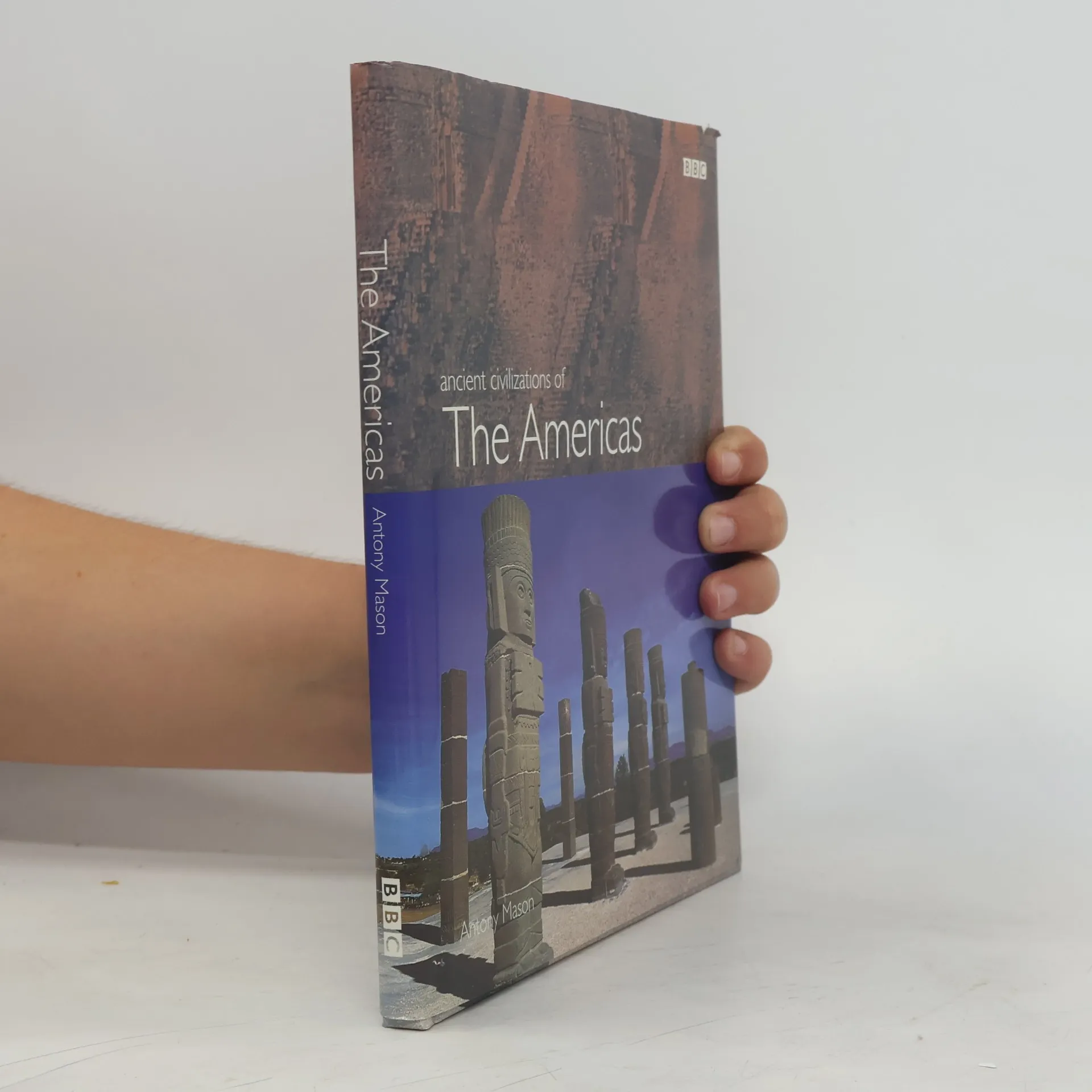
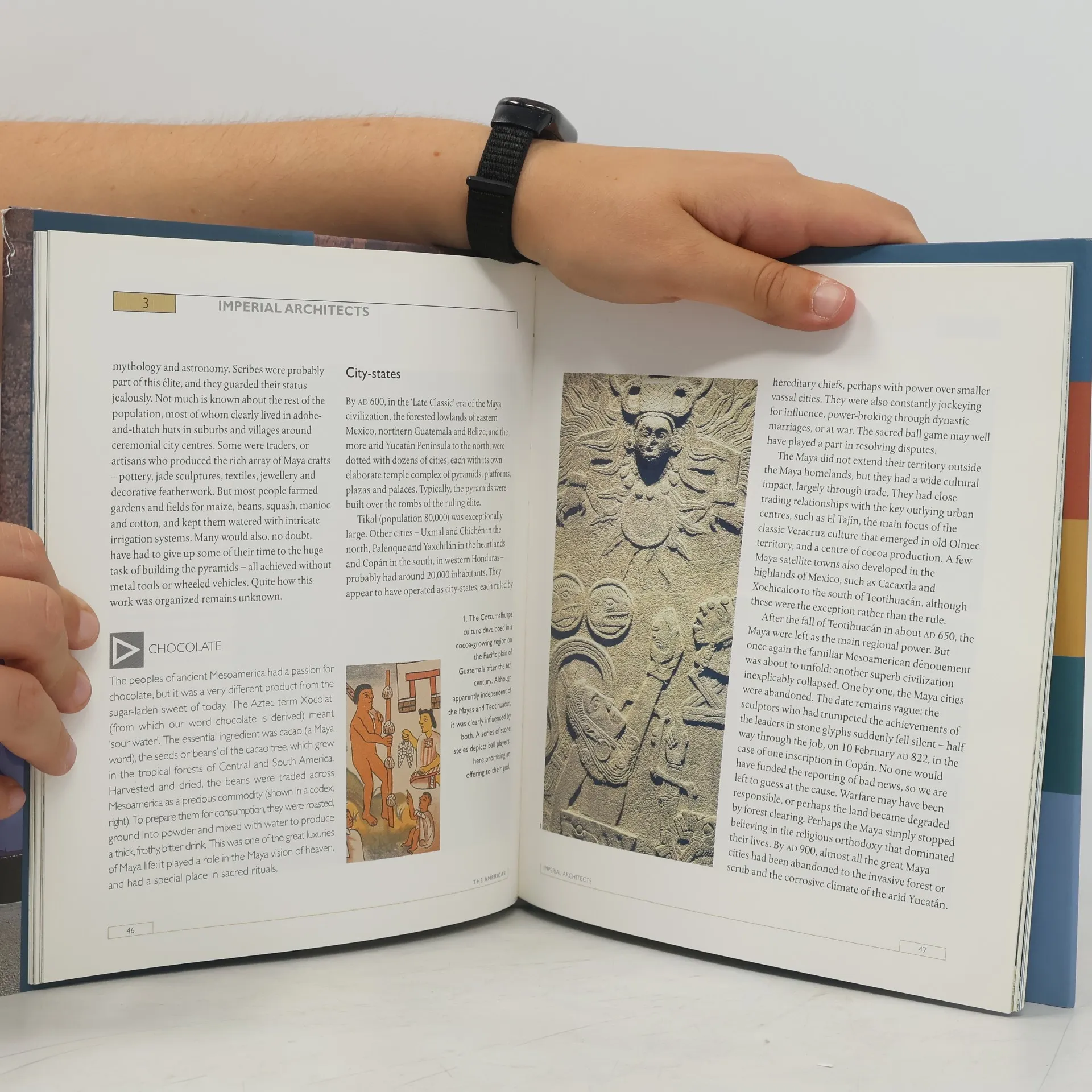
In ancient North and South America, extraordinary civilizations rose and fell, leaving behind remarkable legacies like the Mayan pyramids and the ruins of Machu Picchu and Teotihuacan. This narrative begins over 13,000 years ago, when humans first migrated from Asia to Alaska, and concludes with the Indian Wars of the nineteenth century. It traces the movement of peoples across the continents and explores their impressive artistic and architectural achievements. Well-established religions, economies, agricultural methods, and trade routes emerged, alongside craftsmen who created exquisite gold, silver, and pottery artifacts. By 500 BC, sophisticated societies had developed in Peru, and by AD 500, cultures such as the Maya in modern Mexico and Guatemala had reached maturity. The late fourteenth century heralded the rise of powerful empires like the Aztecs and the Inca, both organized societies with efficient bureaucracies that extended their rule over vast territories. However, these civilizations faced unprecedented challenges with the arrival of European colonists, particularly the Spanish conquistadors in the sixteenth century. While many aspects were lost in the brutal encounters that ensued, ancient crafts, customs, and the remnants of engineering and architectural marvels endured, highlighting the astonishing skills and organization of these cultures.
Nákup knihy
Ancient Civilizations of the Americas, Antony Mason
- Jazyk

- Rok vydání
- 2001
- Vazba
- (pevná),
- Stav knihy
- Poškozená
- Cena
- 104 Kč
Doručení
Platební metody
Nikdo zatím neohodnotil.
- Jazyk
- anglicky
- Autoři
- Antony Mason
- Vydavatel
- BBC Books
- Rok vydání
- 2001
- Vazba
- pevná
- Počet stran
- 96
- ISBN10
- 0563537590
- ISBN13
- 9780563537595
- Série
- Anotace
- In ancient North and South America, extraordinary civilizations rose and fell, leaving behind remarkable legacies like the Mayan pyramids and the ruins of Machu Picchu and Teotihuacan. This narrative begins over 13,000 years ago, when humans first migrated from Asia to Alaska, and concludes with the Indian Wars of the nineteenth century. It traces the movement of peoples across the continents and explores their impressive artistic and architectural achievements. Well-established religions, economies, agricultural methods, and trade routes emerged, alongside craftsmen who created exquisite gold, silver, and pottery artifacts. By 500 BC, sophisticated societies had developed in Peru, and by AD 500, cultures such as the Maya in modern Mexico and Guatemala had reached maturity. The late fourteenth century heralded the rise of powerful empires like the Aztecs and the Inca, both organized societies with efficient bureaucracies that extended their rule over vast territories. However, these civilizations faced unprecedented challenges with the arrival of European colonists, particularly the Spanish conquistadors in the sixteenth century. While many aspects were lost in the brutal encounters that ensued, ancient crafts, customs, and the remnants of engineering and architectural marvels endured, highlighting the astonishing skills and organization of these cultures.