



Více o knize
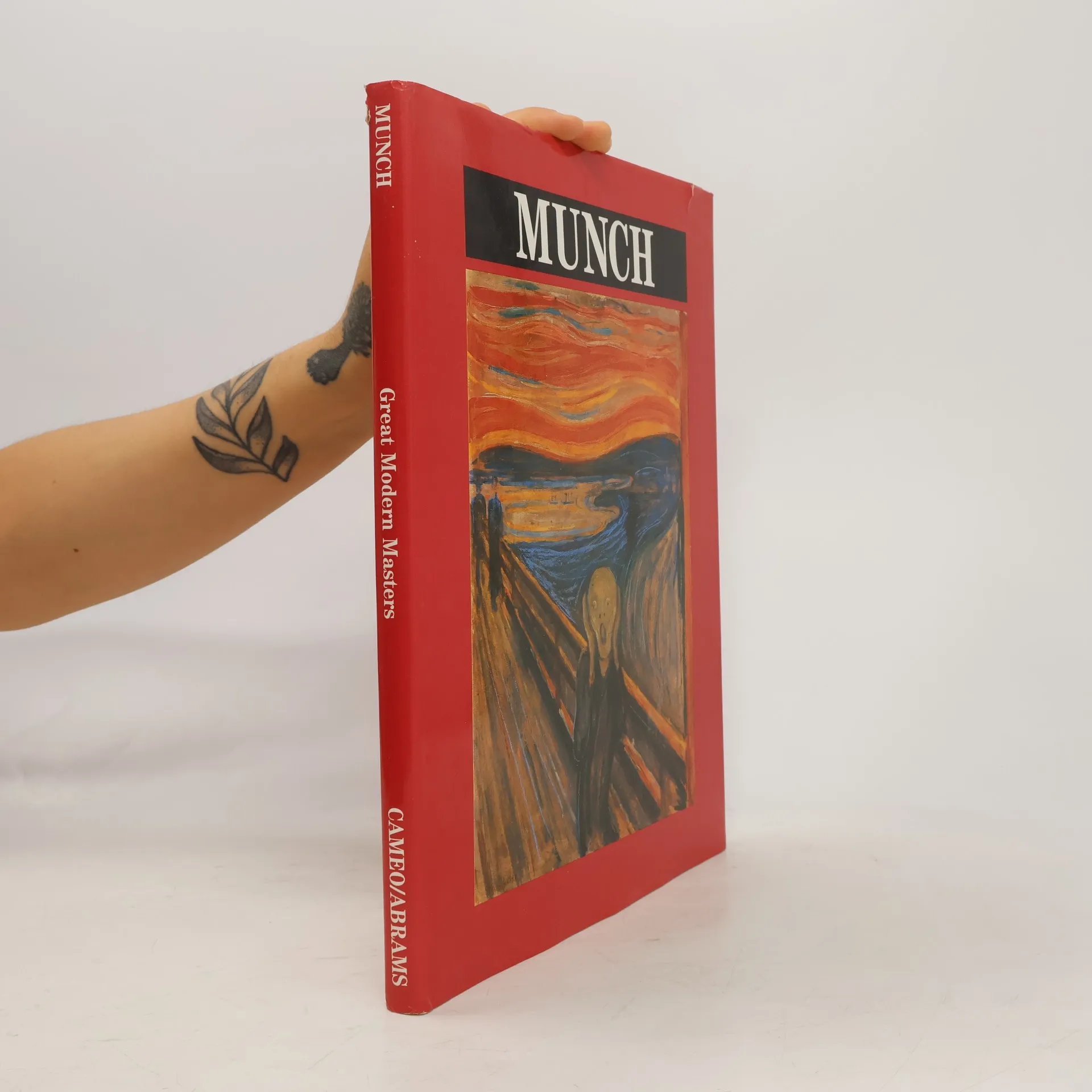
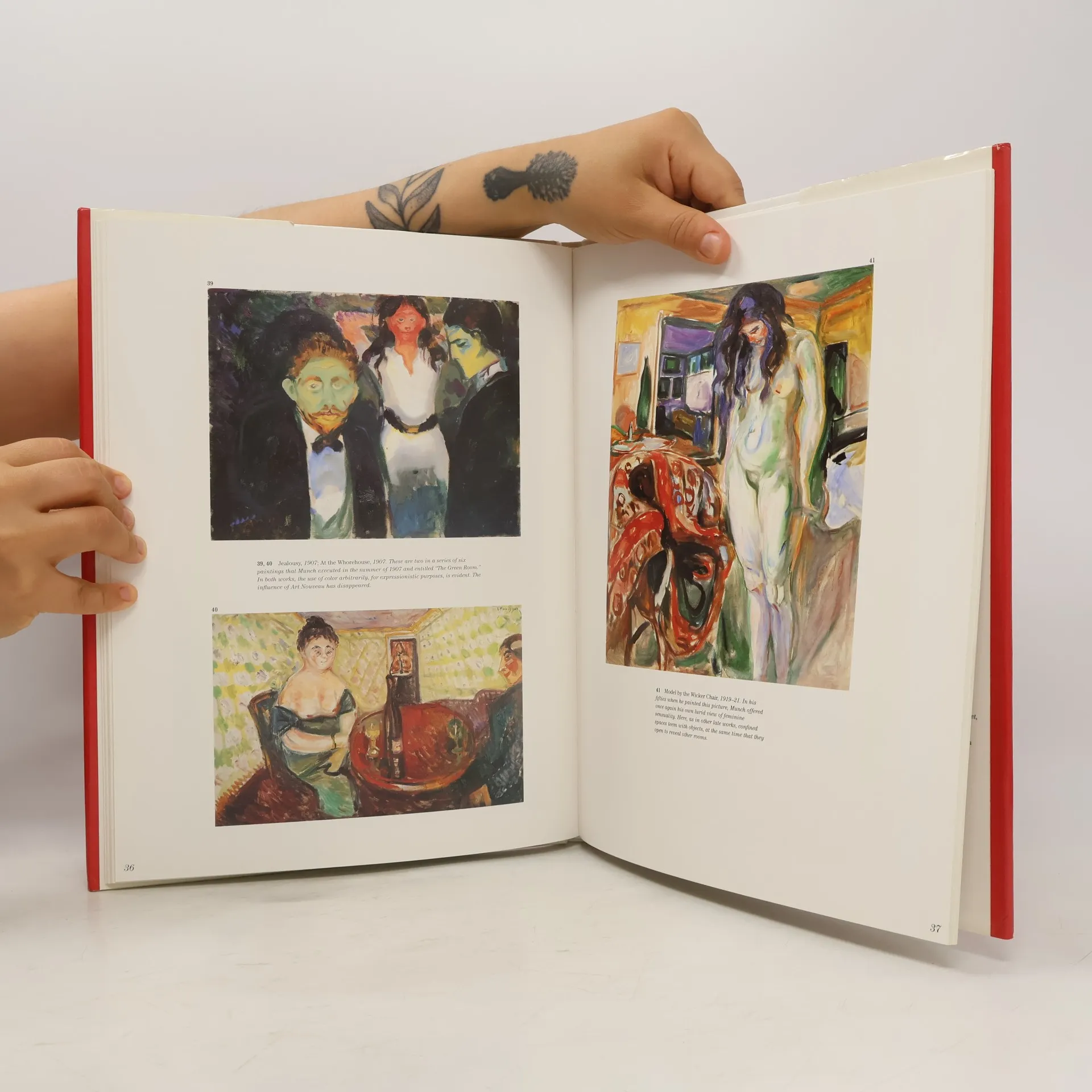
Edward Munch (1863-1944) stands out as the foremost artist from Scandinavia in modern history. His early years in Christiana, Norway, exposed him to influential artists and intellectuals, while his time in Paris introduced him to groundbreaking innovations. A pivotal exhibition in Berlin in 1892 established him as a distinctive and provocative figure in the art world. Munch's work significantly impacted the development of Expressionism, a movement that continues to resonate in contemporary Europe. Throughout his extensive career, he explored themes of death, love, and sex, aiming to visually express the complexities of human emotions. His sensitivity to emotional experiences allows his art to connect deeply with viewers' innermost feelings. In an introductory essay and accompanying commentaries on forty color plates, Thomas M. Messer, Director of the Solomon R. Guggenheim Foundation, examines Munch's artistic evolution within his historical context. He highlights the familial and familiar influences that permeate Munch's art, as well as the relationships with writers, poets, and patrons that supported him during challenging times. Renowned as a master of graphic arts, Munch's prints and drawings are presented alongside his paintings, illustrating the intensity with which he explored his themes across different mediums. His work powerfully conveys the psychic realities of his era through striking forms and images.
Nákup knihy
Great Modern Masters: Munch Cameo, Jose Maria Faerna, Edvard Munch
- Jazyk

- Rok vydání
- 1996
- Vazba
- (pevná),
- Stav knihy
- Poškozená
- Cena
- 170 Kč
Doručení
Platební metody
Nikdo zatím neohodnotil.
- Jazyk
- anglicky
- Autoři
- Jose Maria Faerna, Edvard Munch
- Vydavatel
- Harry N. Abrams
- Rok vydání
- 1996
- Vazba
- pevná
- Počet stran
- 64
- ISBN10
- 0810946947
- ISBN13
- 9780810946941
- Série
- Štítky
- Umění
- Anotace
- Edward Munch (1863-1944) stands out as the foremost artist from Scandinavia in modern history. His early years in Christiana, Norway, exposed him to influential artists and intellectuals, while his time in Paris introduced him to groundbreaking innovations. A pivotal exhibition in Berlin in 1892 established him as a distinctive and provocative figure in the art world. Munch's work significantly impacted the development of Expressionism, a movement that continues to resonate in contemporary Europe. Throughout his extensive career, he explored themes of death, love, and sex, aiming to visually express the complexities of human emotions. His sensitivity to emotional experiences allows his art to connect deeply with viewers' innermost feelings. In an introductory essay and accompanying commentaries on forty color plates, Thomas M. Messer, Director of the Solomon R. Guggenheim Foundation, examines Munch's artistic evolution within his historical context. He highlights the familial and familiar influences that permeate Munch's art, as well as the relationships with writers, poets, and patrons that supported him during challenging times. Renowned as a master of graphic arts, Munch's prints and drawings are presented alongside his paintings, illustrating the intensity with which he explored his themes across different mediums. His work powerfully conveys the psychic realities of his era through striking forms and images.