

Více o knize
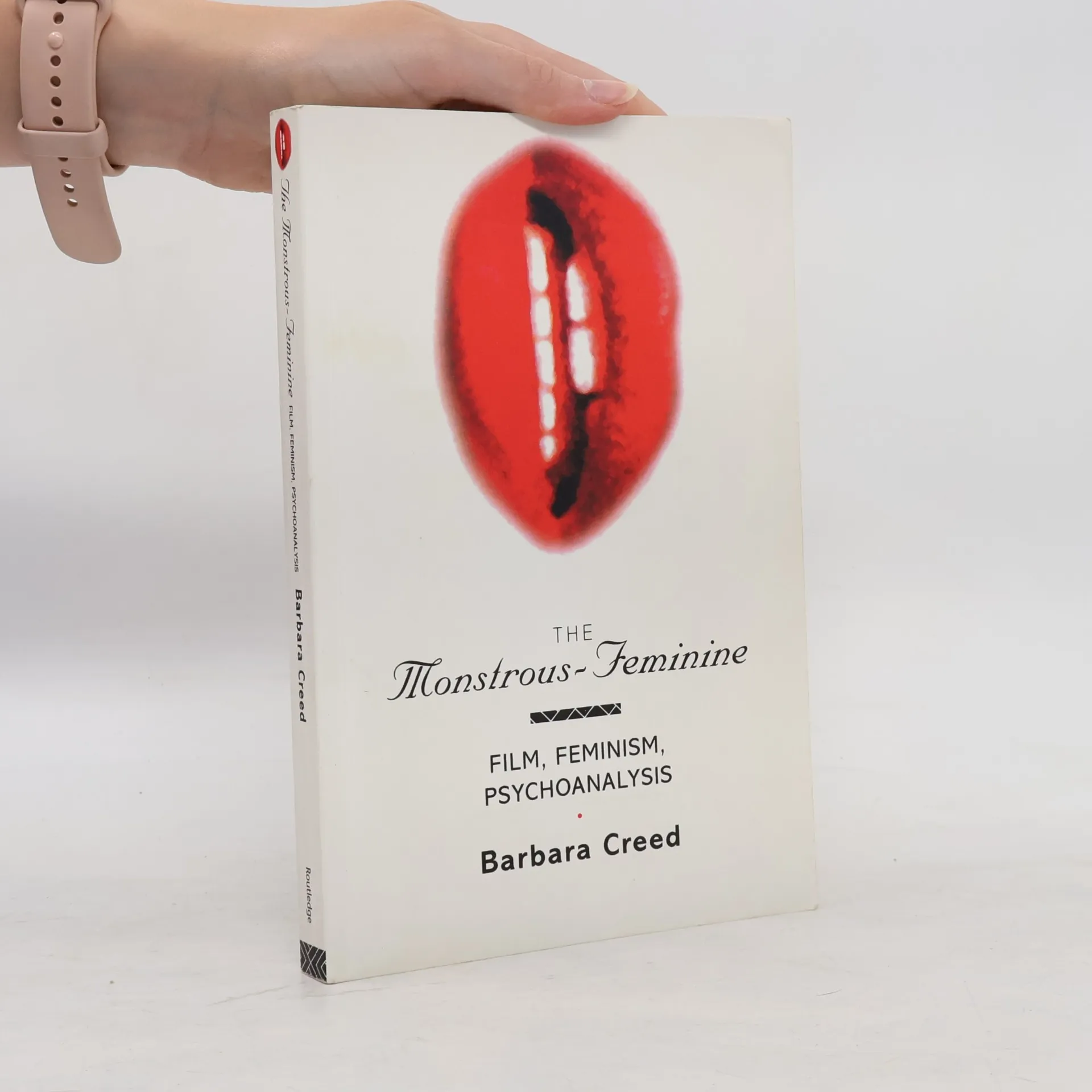
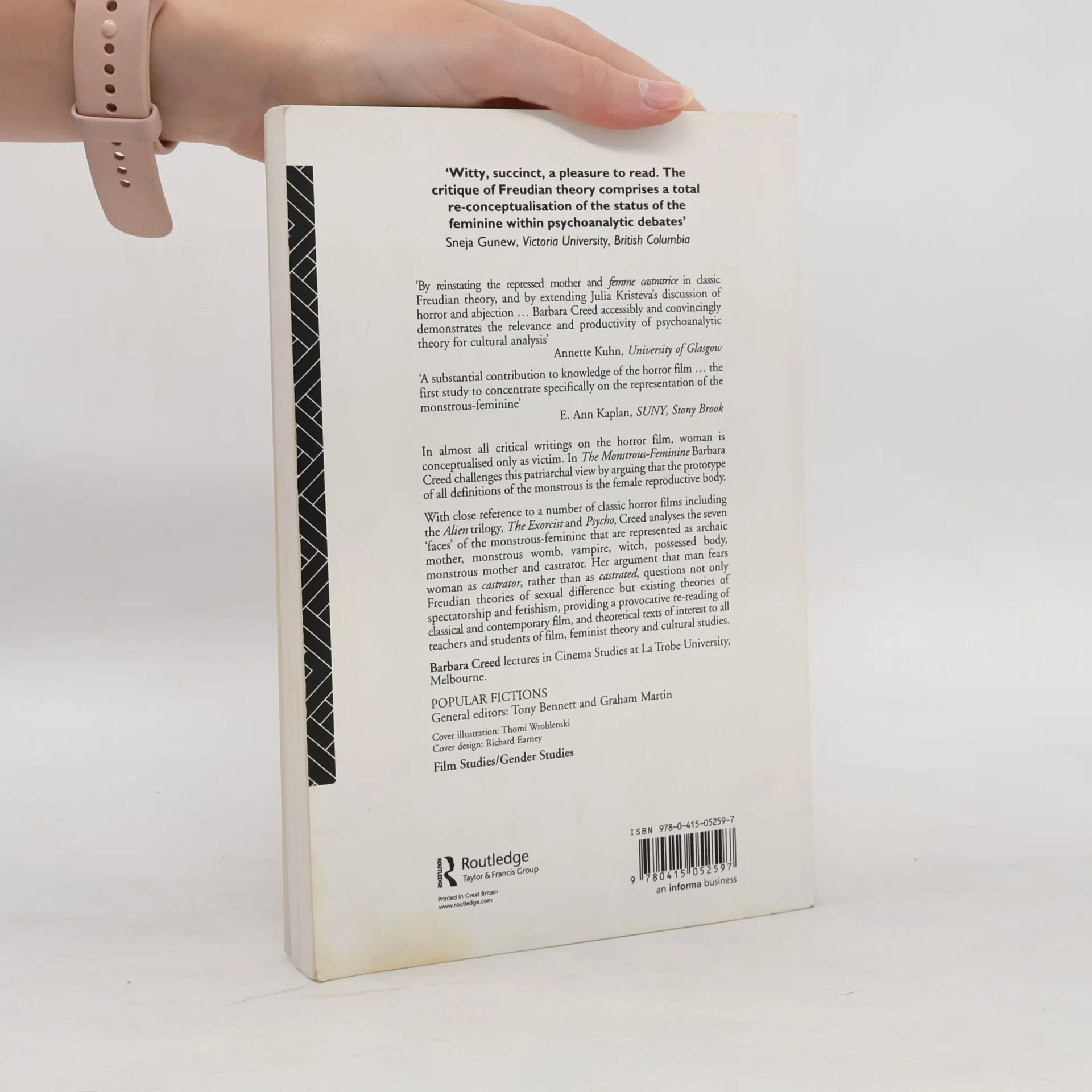
In almost all critical writings on the horror film, woman is conceptualised only as victim. In The Monstrous-Feminine Barbara Creed challenges this patriarchal view by arguing that the prototype of all definitions of the monstrous is the female reproductive body.With close reference to a number of classic horror films including the Alien trilogy, The Exorcist and Psycho, Creed analyses the seven `faces' of the monstrous-feminine: archaic mother, monstrous womb, vampire, witch, possessed body, monstrous mother and castrator. Her argument that man fears woman as castrator, rather than as castrated, questions not only Freudian theories of sexual difference but existing theories of spectatorship and fetishism, providing a provocative re-reading of classical and contemporary film and theoretical texts.
Nákup knihy
Popular Fictions Series: The Monstrous-Feminine, Barbara Creed
- Jazyk

- Rok vydání
- 1993
- Vazba
- (měkká),
- Stav knihy
- Dobrá
- Cena
- 639 Kč
Doručení
Platební metody
Nikdo zatím neohodnotil.
- Titul
- Popular Fictions Series: The Monstrous-Feminine
- Podtitul
- Film, Feminism, Psychoanalysis
- Jazyk
- anglicky
- Autoři
- Barbara Creed
- Vydavatel
- Routledge
- Rok vydání
- 1993
- Vazba
- měkká
- Počet stran
- 216
- ISBN10
- 0415052599
- ISBN13
- 9780415052597
- Série
- Štítky
- Společenské vědy, Umění, Filmová tématika, Feminismus, Psychoanalýza, Kritika, Gender, Performativní umění, Psychologické aspekty
- Anotace
- In almost all critical writings on the horror film, woman is conceptualised only as victim. In The Monstrous-Feminine Barbara Creed challenges this patriarchal view by arguing that the prototype of all definitions of the monstrous is the female reproductive body.With close reference to a number of classic horror films including the Alien trilogy, The Exorcist and Psycho, Creed analyses the seven `faces' of the monstrous-feminine: archaic mother, monstrous womb, vampire, witch, possessed body, monstrous mother and castrator. Her argument that man fears woman as castrator, rather than as castrated, questions not only Freudian theories of sexual difference but existing theories of spectatorship and fetishism, providing a provocative re-reading of classical and contemporary film and theoretical texts.