Tato edice se ponoří do klíčových momentů britské politické historie. Každý svazek nabízí hluboký ponor do specifických témat, která formovala národ. Jedná se o zásadní zdroj pro studenty i zájemce o detailní pochopení britského vývoje. Nabízí zasvěcený pohled na politické síly a události.
The English Reformation was the event which chiefly shaped English identity
well into the twentieth century. He provides a narrative of events, then
discusses the ideas which shaped the English Reformation, and surveys the ways
in which the English reacted to it, how far and quickly they accepted it and
assesses those who remained dissenters. schovat popis
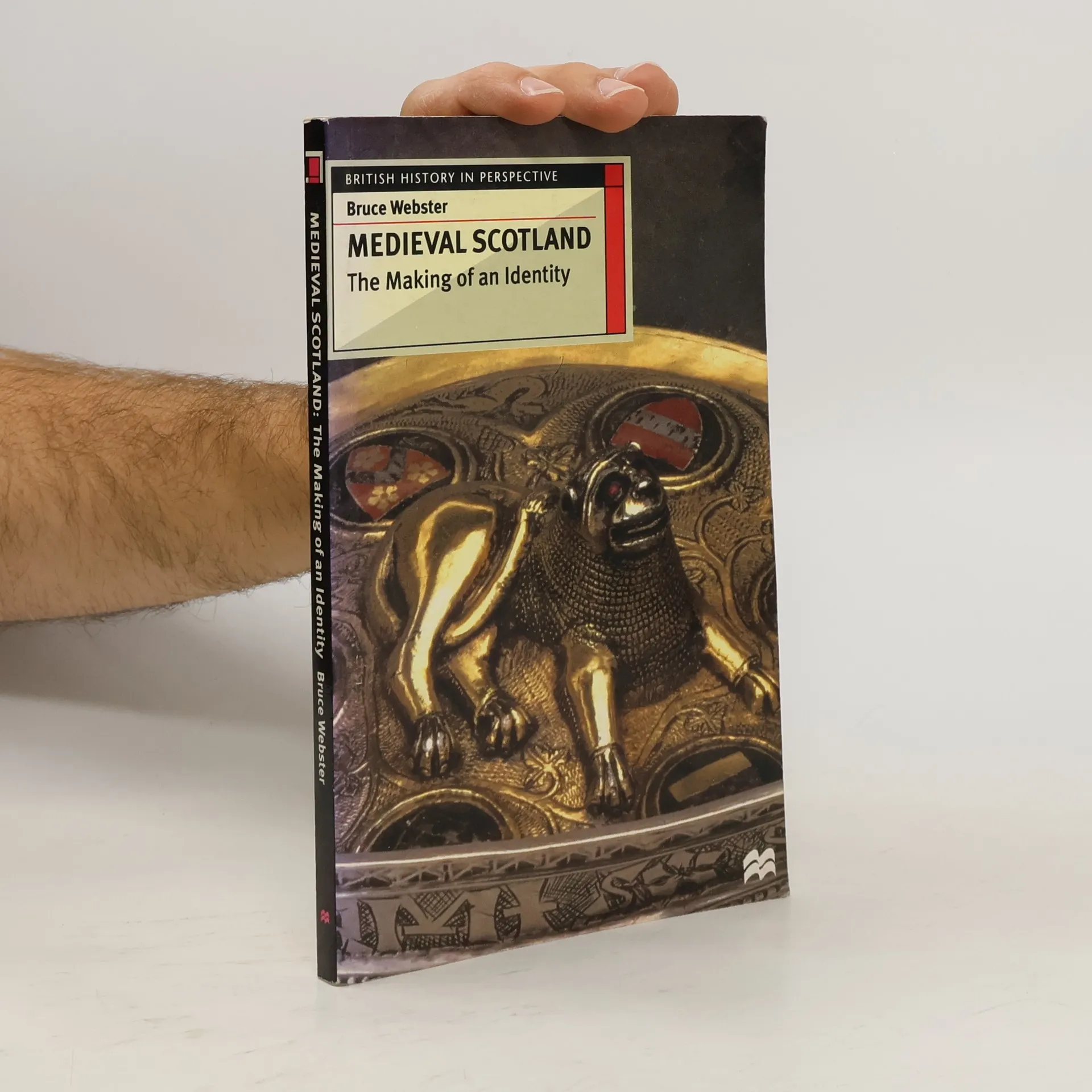
In the eleventh century there was no such identity as Scotland. The Scots were one of several peoples in the Kingdom of the King of Scots: the Picts may have faded away, but English, British, Galwegians were still distinct and Anglo-Normans were soon to be added. On the eve of the Reformation, five centuries later, Scotland was one of the most fiercely self-conscious nations in Europe. How this came about is the theme of this study.
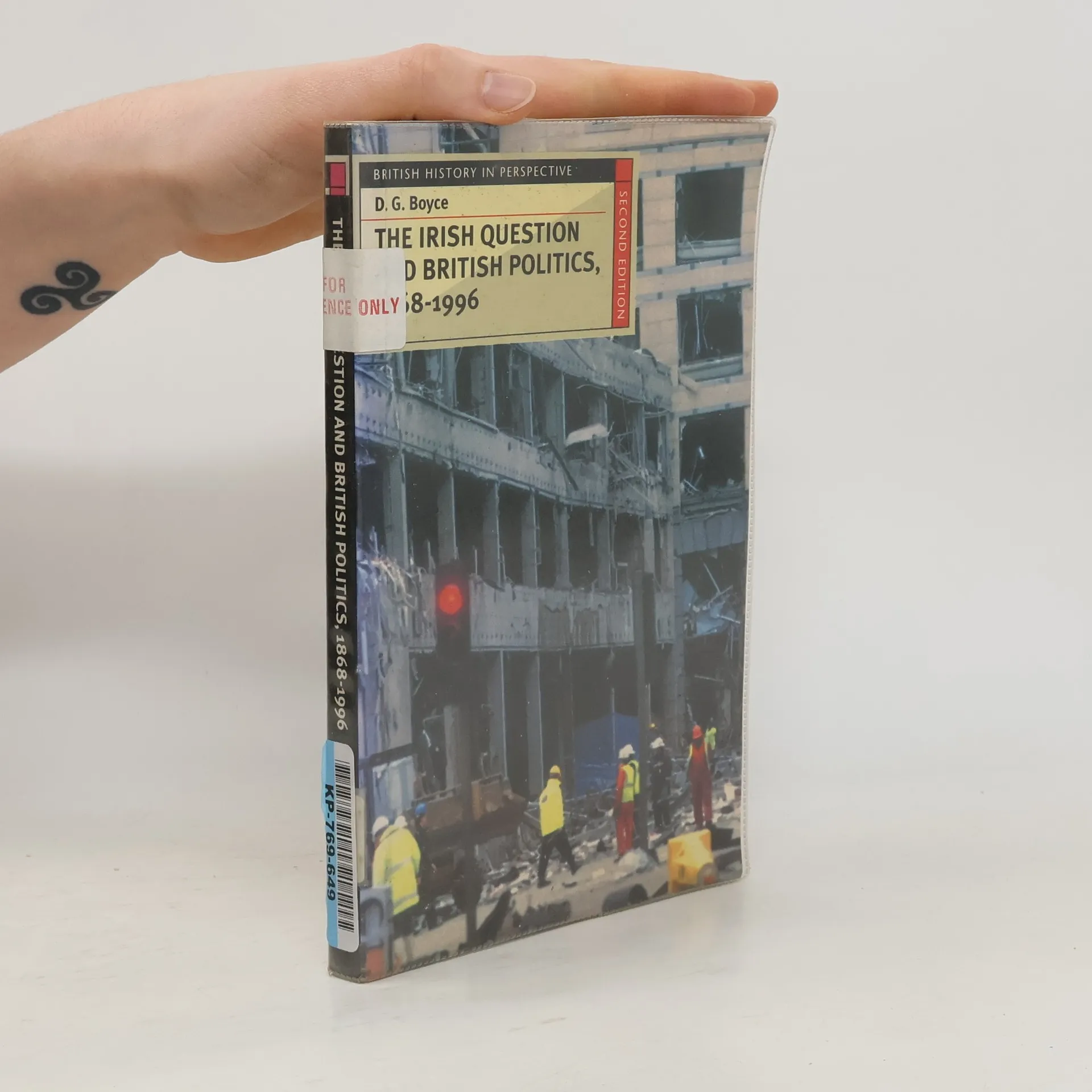
The problems of modern Ireland have attracted the attention of many British political leaders from Gladstone to Major. Attempts to formulate a 'solution' have been governed by the British perception of what the problem is, and by the structures, as well as the ideas of British party politics and British political life: Ireland was never a laboratory in which dispassionate political experiments could be conducted. Modern Ireland has been shaped by British policy, and this has itself been influenced by British political habits and traditions, social and economic reforms, and new governmental institutions have been applied by politicians both of the left and the right. The 'Framework Documents' represent the latest attempt to achieve what Gladstone, David Lloyd George and Neville Chamberlain sought, and failed to achieve: a lasting settlement of the political divisions within Ireland, and between Ireland the Great Britain. This book places the Irish question in the wider context of the history of the British Isles, and thus seeks to explain its special place in British history as the 'Oldest Question', and as a question for contemporary Britain. Fully revised and with a new chapter to bring the analysis up to 1996, this new edition of Professor Boyce's work will be widely acclaimed.
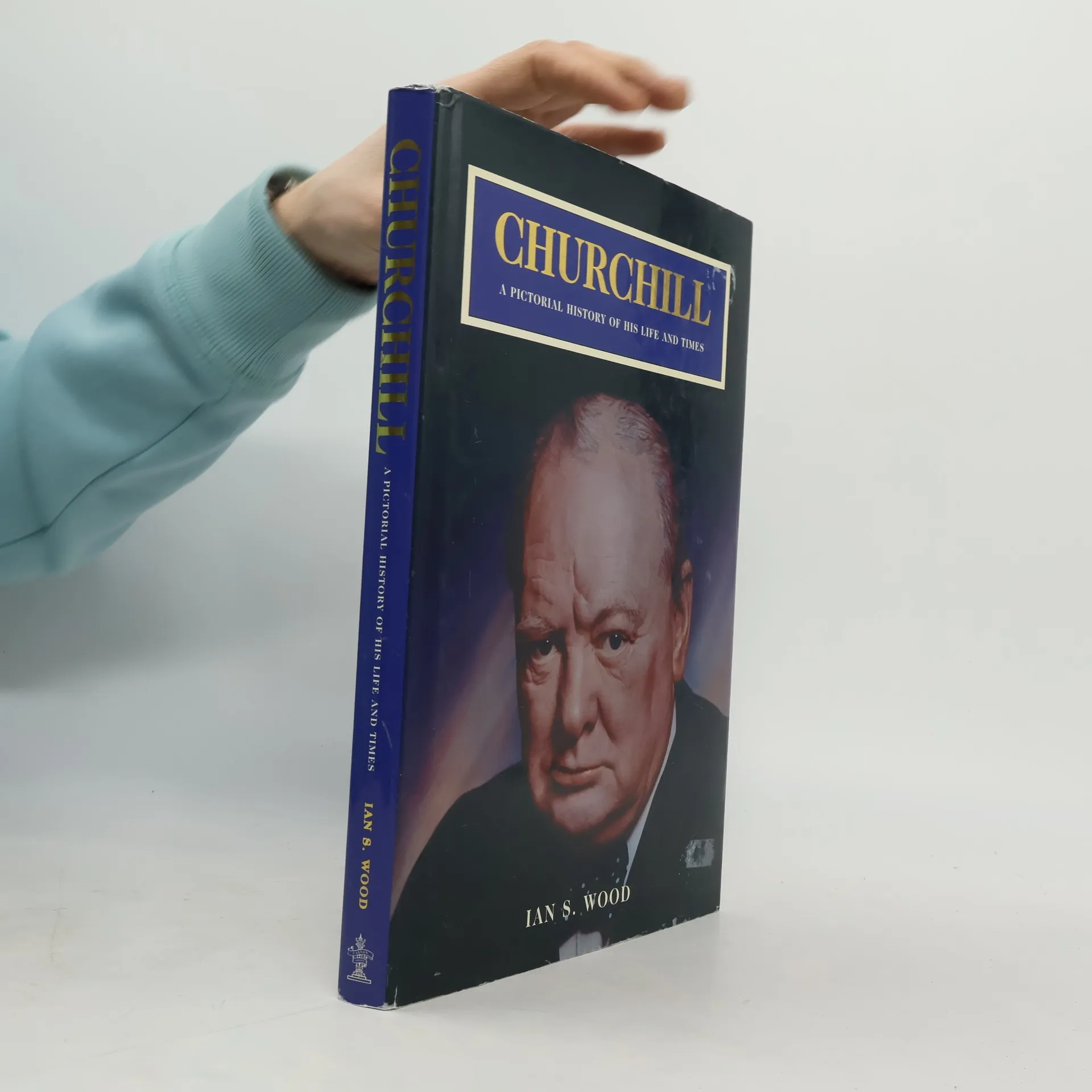
This new book reassesses the historical literature Churchill's life has prompted and looks at both his successes and failures in a thematic way. It is not a biography of Churchill, but addresses many of the issues raised throughout Churchill's career as a politician and, for a crucial period, a national leader, with a dramatic place in British history in the first half of the twentieth century. It considers his role as a strategist and minister in the First World War, his opposition to appeasement in the 1930s, his role in domestic politics and his attitudes to Europe, the United States, the Soviet Union and to the Irish question. Out of this overview emerges a politician in many ways flawed, yet also a larger-than-life figure with a generosity of spirit and leadership qualities which made him indispensable to Britain in the greatest crisis of its history.