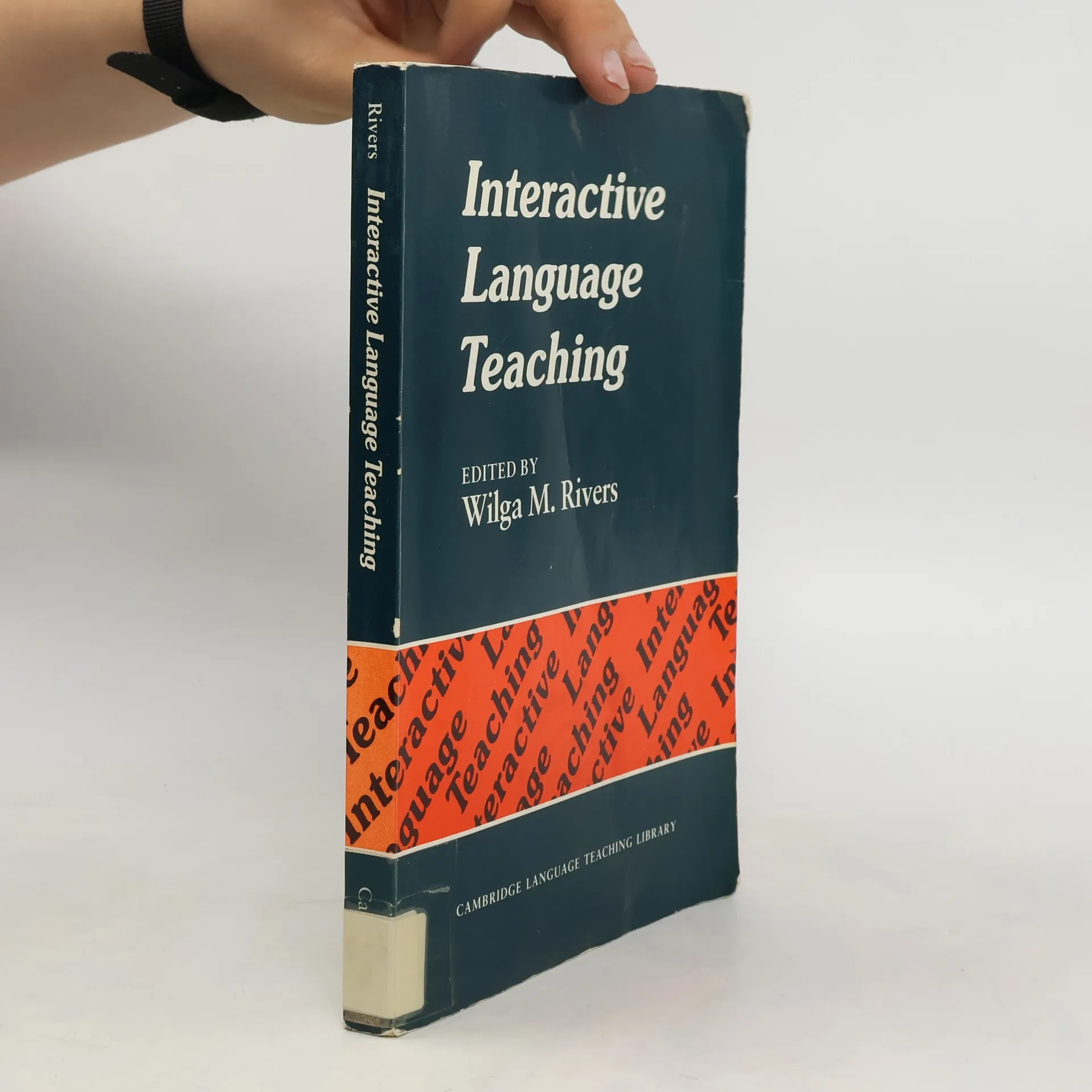
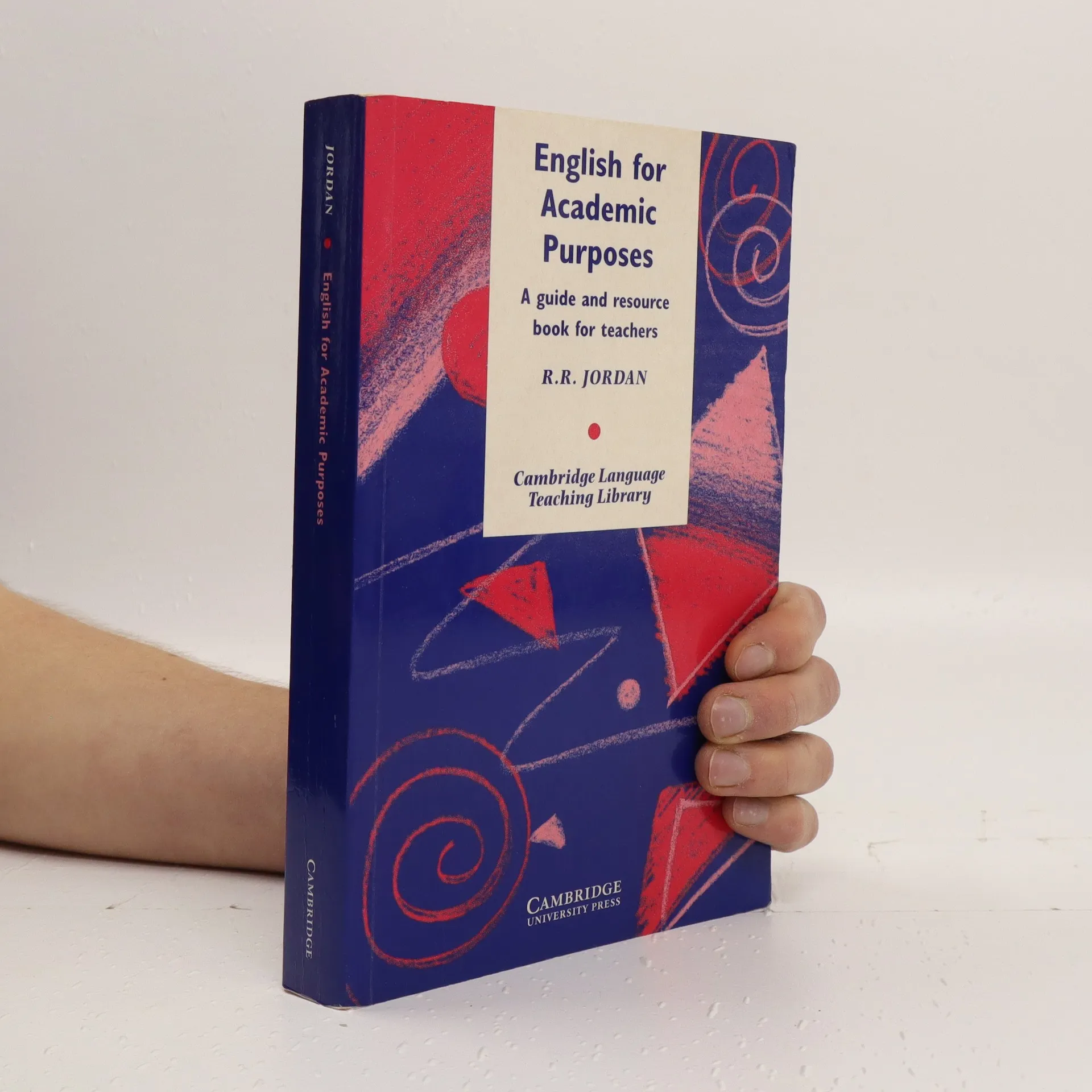
English for Academic Purposes provides a comprehensive overview of the field of English for Academic Purposes (EAP) for teachers. It not only looks at study skills, but also at other central concerns of EAP, such as needs analysis, syllabus and course design, methodology and materials, learning styles, tests and exams, and academic style and genre analysis. In addition to general EAP, the author also considers subject-specific language and the production of teaching materials. Throughout, the author adopts a user-friendly approach in which theoretical considerations are balanced with practical experience. Issues are discussed and illustrated, but readers are also encouraged to form their own opinions by means of stimulating introspect and discuss sections at the end of each chapter.
Cambridge Language Teaching Library Série
Tato série se ponořuje do hlubin jazykového vzdělávání a nabízí zasvěcené pohledy na teorii a praxi výuky jazyků. Zkoumá klíčové metody, pedagogické přístupy a relevantní výzkumy pro učitele i studenty. Poskytuje praktické strategie a teoretické základy pro efektivní jazykovou výuku v různých kontextech. Je to neocenitelný zdroj pro každého, kdo se zajímá o rozvoj jazykových dovedností a porozumění procesu učení.
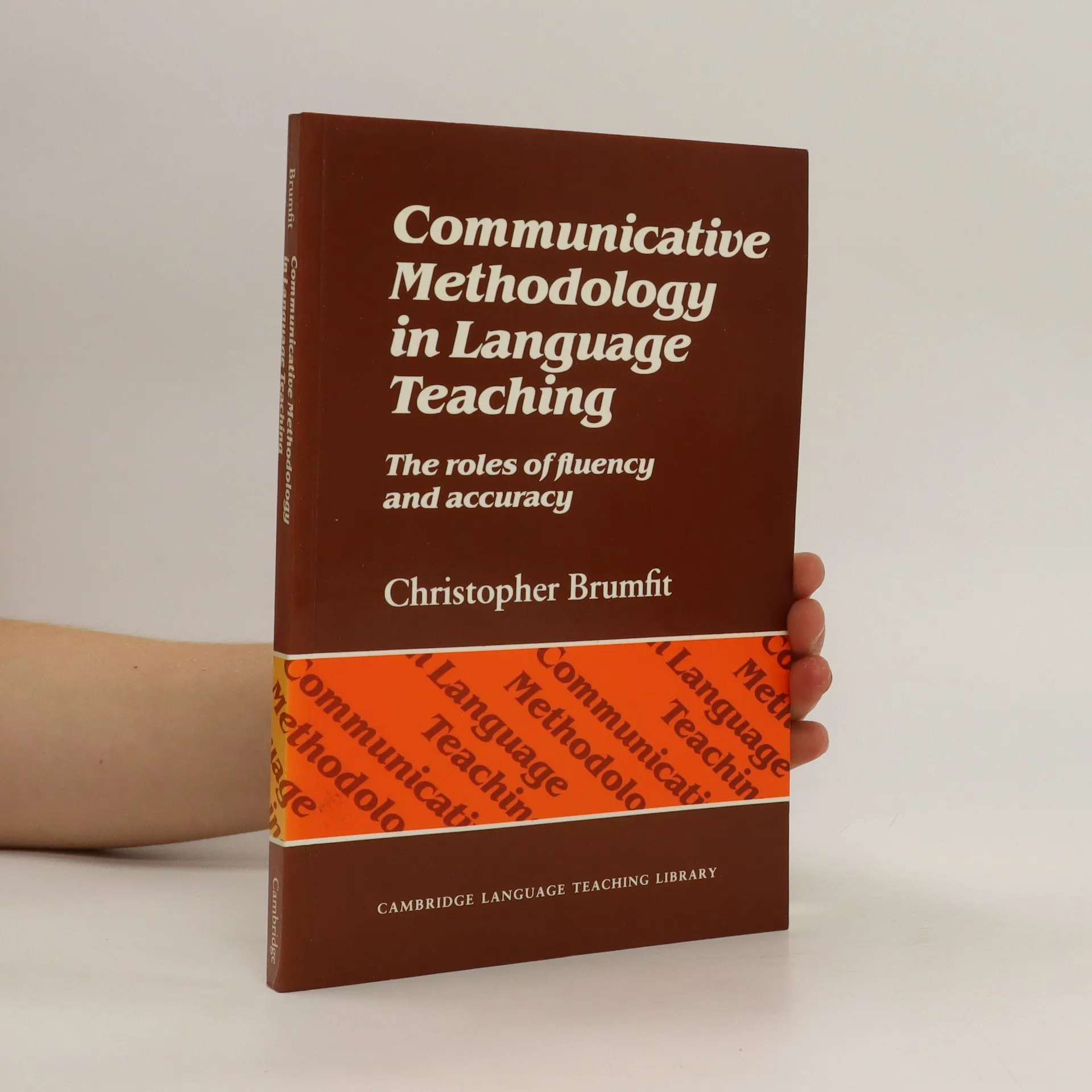
Communicative Methodology in Language Teaching
- 176 stránek
- 7 hodin čtení
Brumfit, Christopher
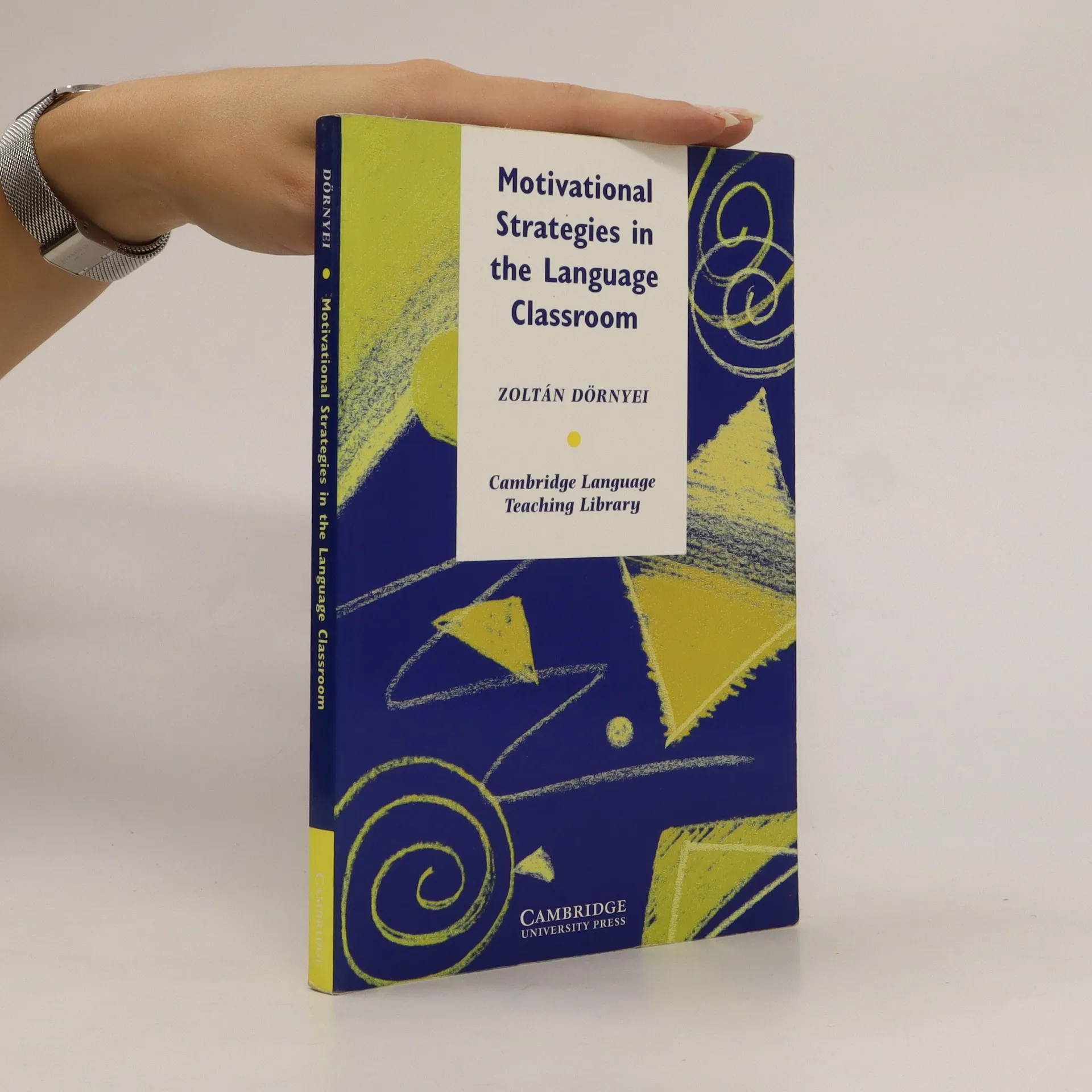
Motivational Strategies in the Language Classroom
- 164 stránek
- 6 hodin čtení
This volume gives an overview of the theory of motivation and applies it to practical skills and strategies, providing new insights into the field of motivational studies and its implications for second-language pedagogy.
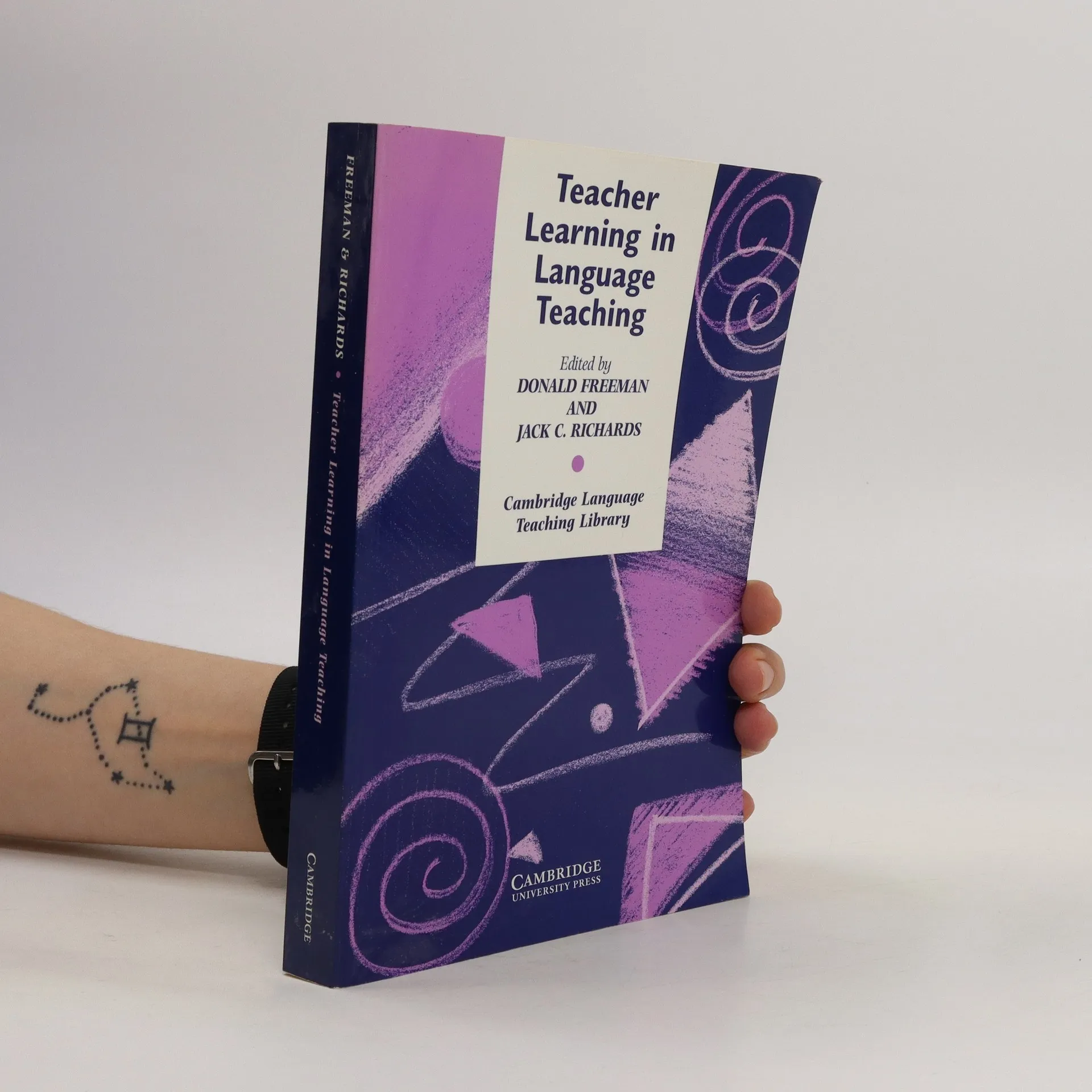
Teacher Learning in Language Teaching
- 406 stránek
- 15 hodin čtení
This book introduces a new field of educational research called teacher learning, as it applies to the teaching of languages. Up until recently, the study of second language teacher education has focused mainly on the knowledge base and specific skills needed for effective teaching. This book invites us to look at teacher education from a fresh point of view, through an exploration of the thinking and learning processes of individuals as they learn to teach. Seventeen original articles, based on studies done in North America, Europe, Asia, and Australia, provide examples of pioneering research into the ways that individuals learn to teach languages, and the roles that previous experience, social context, and professional training play in the process. The collection thus helps establish a research base for this newly developing field.
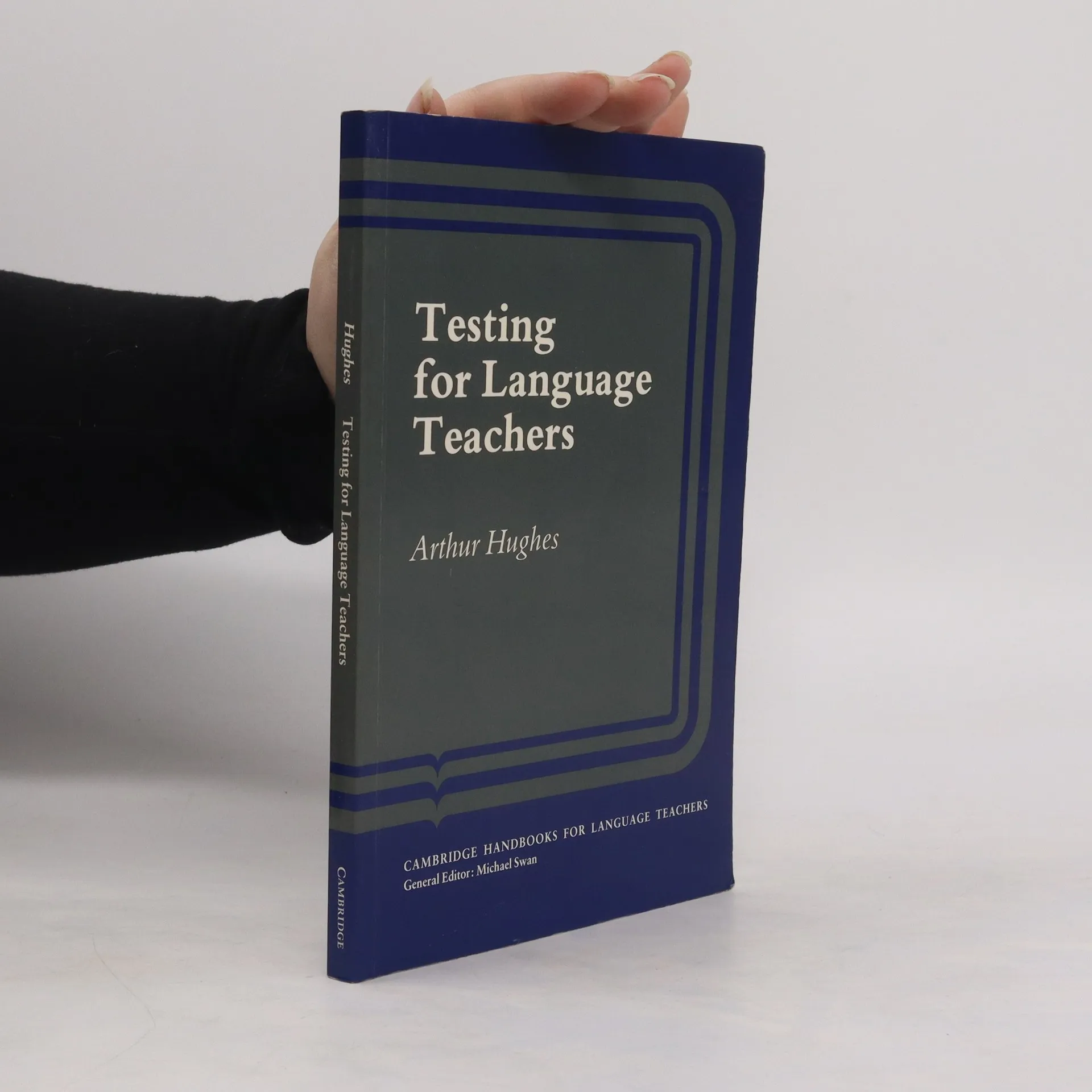
The main objective of this text is to assist language teachers in writing better tests. The author defines a good test as one that contains validity, reliability, practicality and a positive reaction. Hughes offers practical and realistic guidance on how to create a good test. The author pays special attention to the effect of testing on teaching - a test should not only be reliable and valid but should also have a positive effect on teaching. Chapters on the testing of writing, oral ability, reading, listening, grammar and vocabulary, and test administration are included. Also included are testing techniques that have been proven to be useful for teachers, and statistics that enable teachers to interpret test results. Reader activities can be found at the end of each chapter.
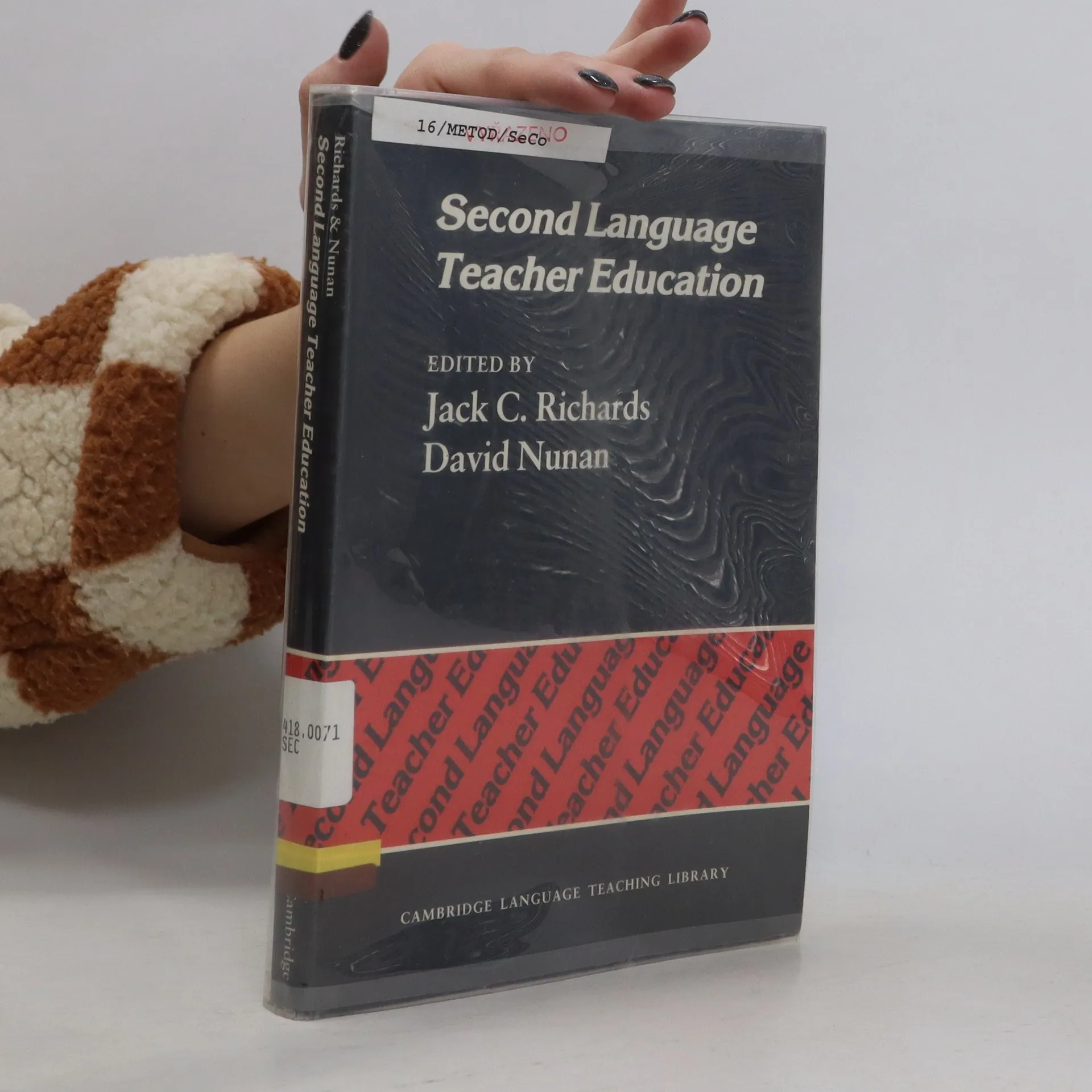
Second Language Teacher Education
- 356 stránek
- 13 hodin čtení
This text provides a detailed account of current approaches to the education of teachers of second languages. The paperback edition provides a detailed account of current approaches to the education of teachers of second languages. It offers valuable ideas on the observation and supervision of classrooms, on self-evaluation by teachers, and on teaching itself. Its emphasis reflects the shift in orientation from teacher training to teacher education, in which teachers are involved in developing their own theories of teaching, understanding the nature of teacher decision making, and developing strategies for critical self-evaluation. The book is aimed at teachers, teacher educators, and workshop facilitators involved both in pre-service and in-service education of teachers of second and foreign languages.
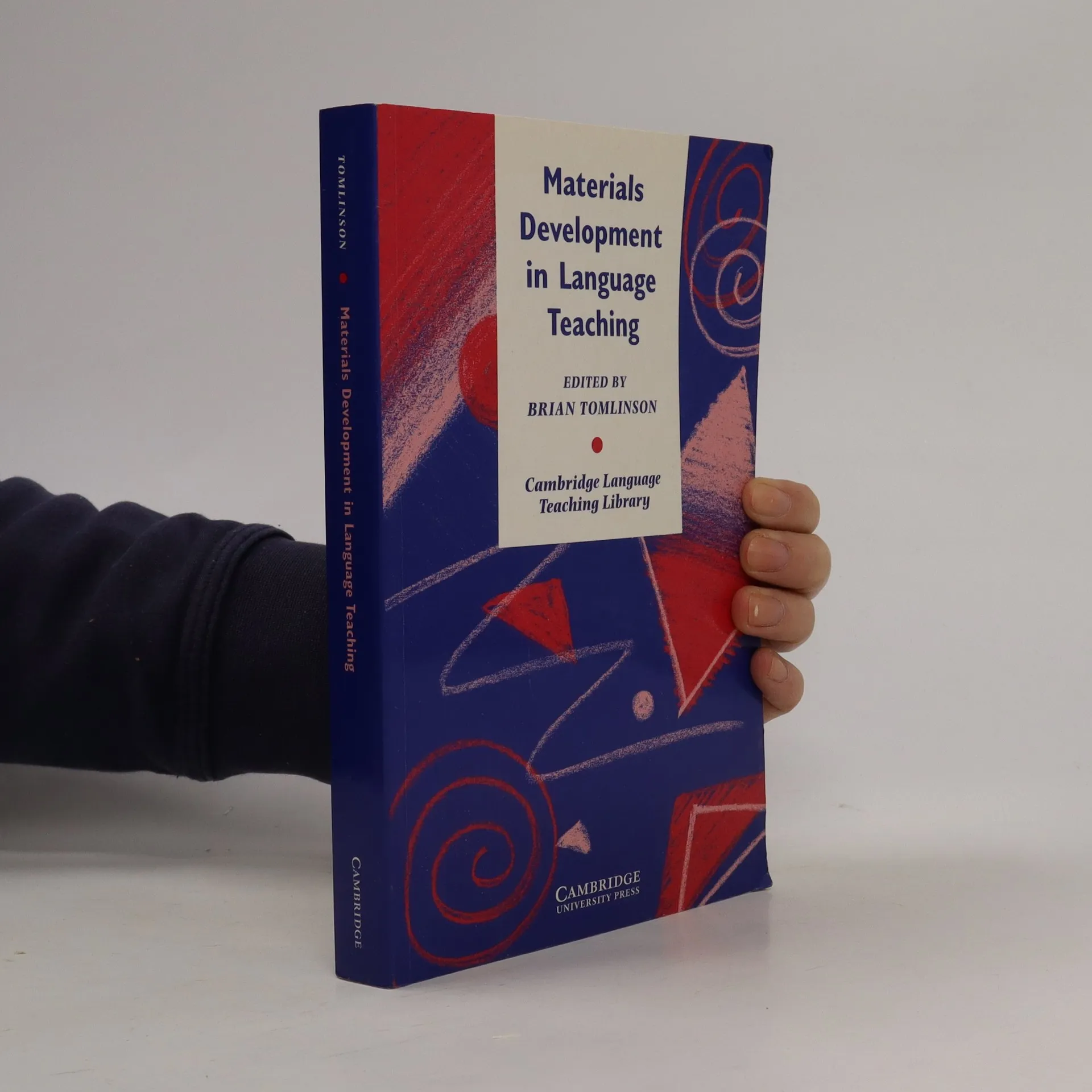
This book engages with current issues in developing materials for language teaching.
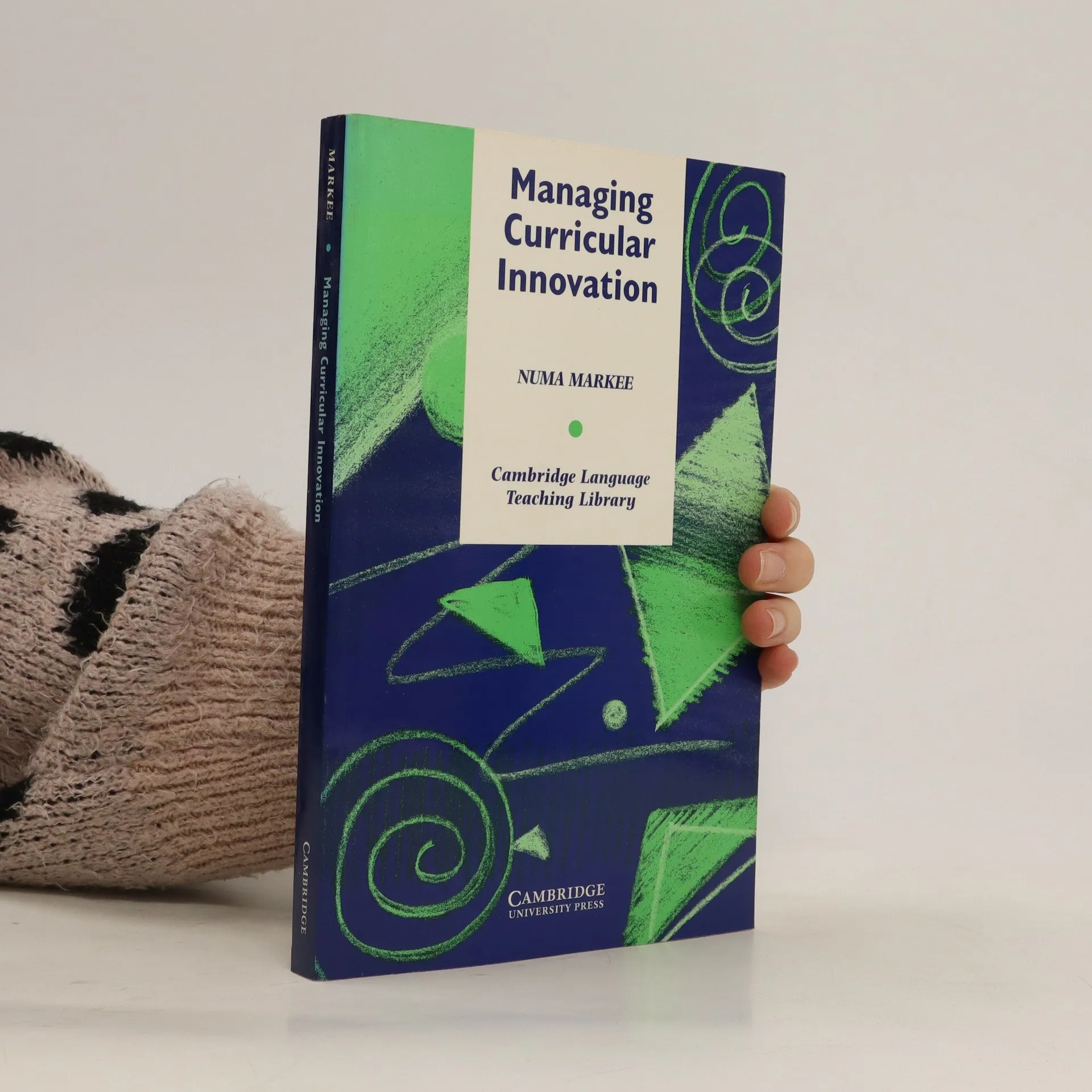
This book provides a comprehensive overview of instituting change in language education programs. The paperback edition provides a comprehensive overview of the theory and practice of instituting change in language education programs. It offers a theoretical framework, a detailed case study, and nine principles for the management of educational innovation.
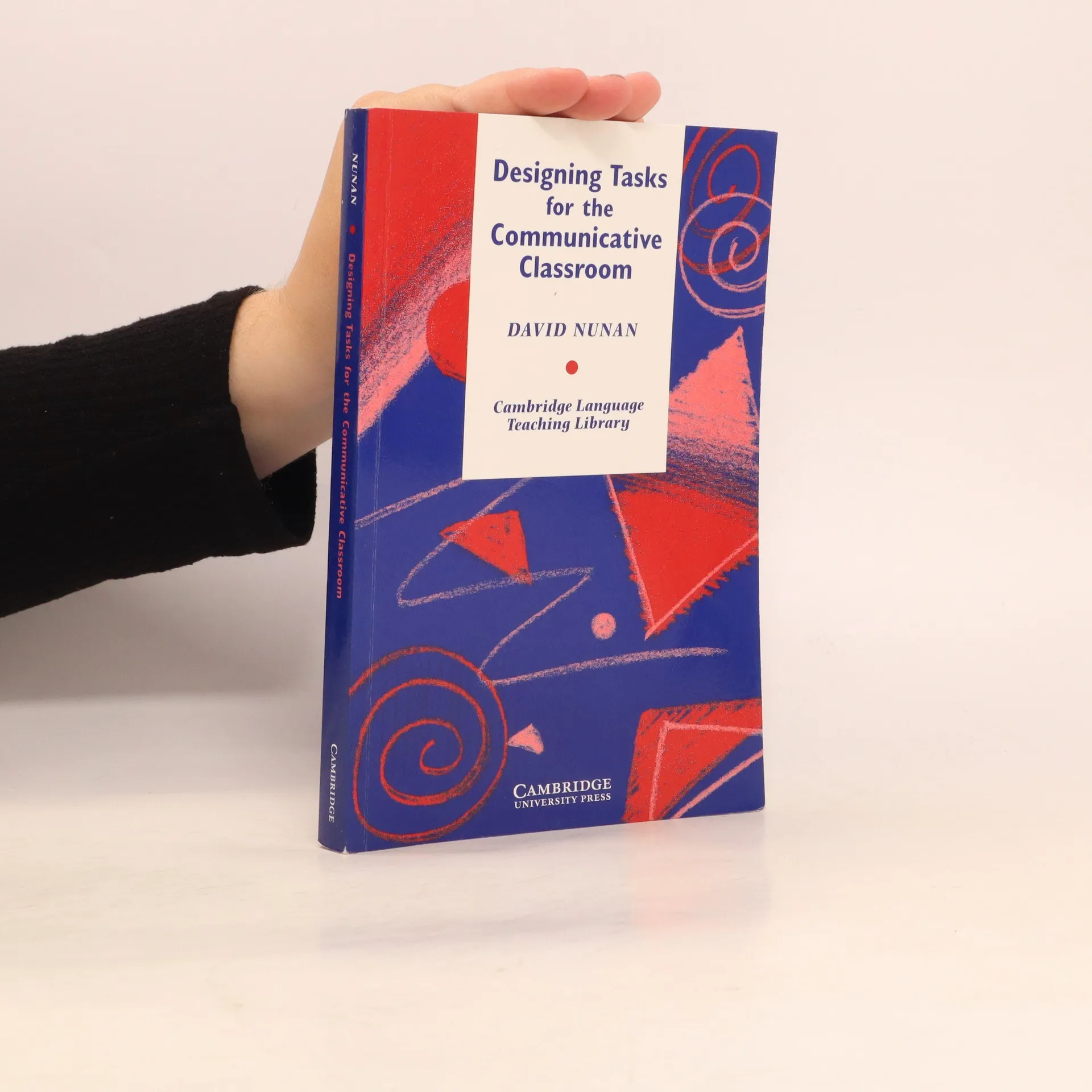
Designing Tasks for the Communicative Classroom provides a balanced introduction to both the theoretical and practical aspects of communicative task design, and is aimed at all second and foreign language teachers who want to develop their own tasks, or adopt/adapt those of others. The major purpose is to integrate recent research and practice in language teaching into a framework for analysing learning tasks. This framework should help teachers select, adapt or create their own communicative tasks. The ideas presented are relevant to teachers working in or preparing for a range of teaching situations with a variety of learner types.
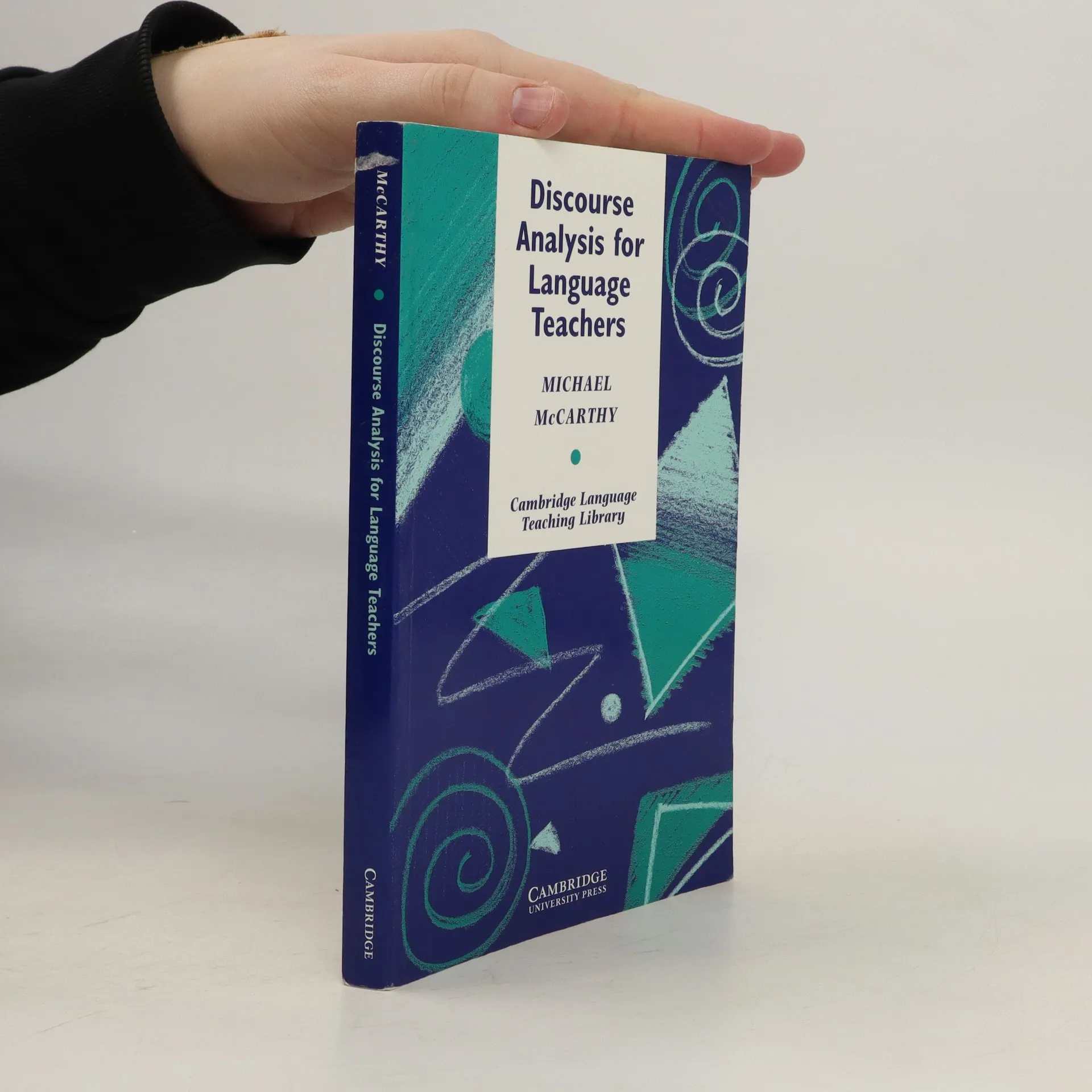
Discourse Analysis for Language Teachers
- 224 stránek
- 8 hodin čtení
Discourse Analysis for Language Teaching gives a practical introduction to the field of discourse analysis and its relevance for language teaching. It begins by answering the question 'What is discourse analysis?' and examines how discourse analysts approach spoken and written language. Different models of analysis are outlined and evaluated in terms of their usefulness to language teachers. This is followed by chapters on discourse-oriented approaches to grammar, vocabulary and phonology. The final section looks at spoken and written language in the light of native-speaker and learner data and considers examples of teaching approaches. Discourse Analysis for Language Teaching has a very practical orientation, and the text is interspersed with reader activities with guidance on appropriate responses at the end.
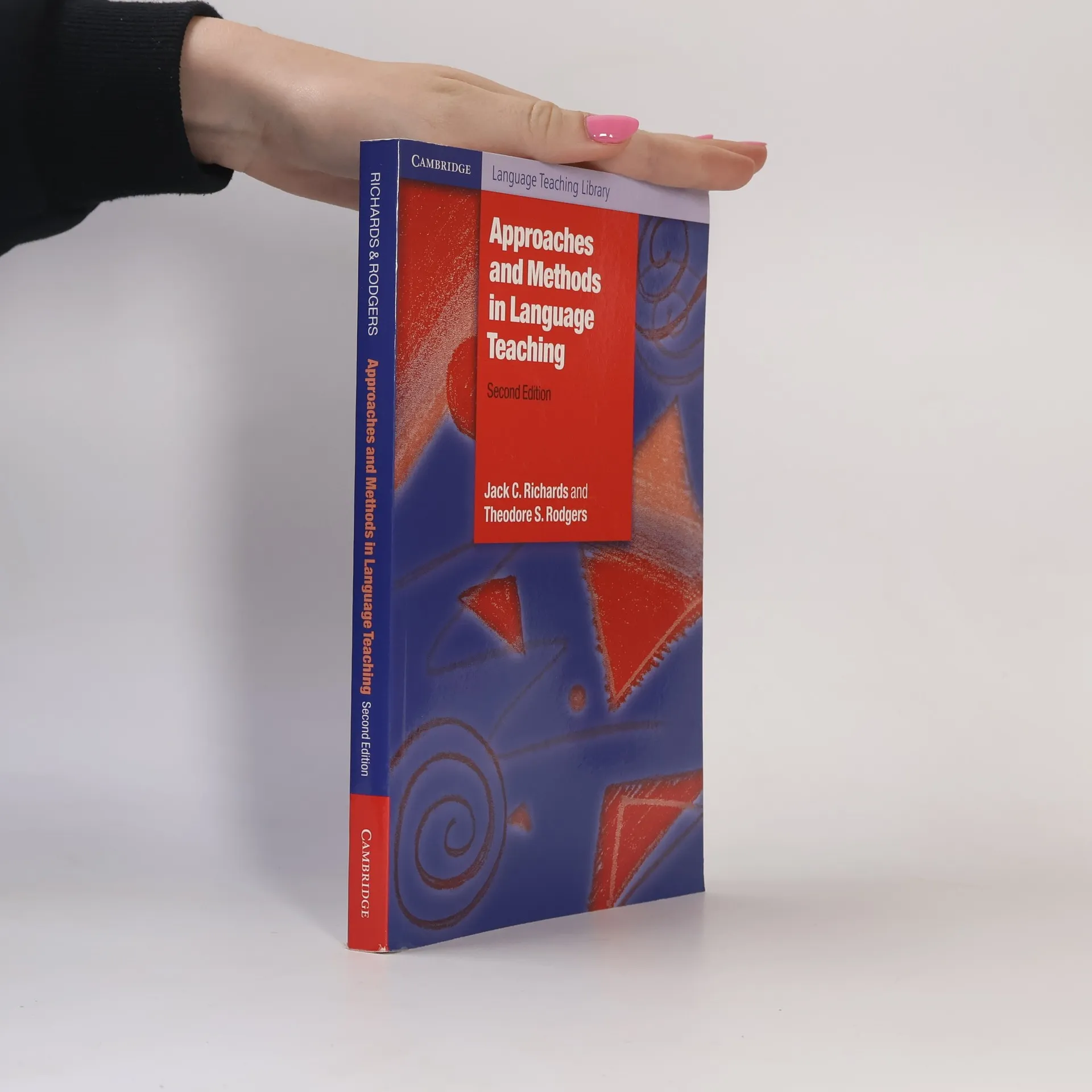
Cambridge Language Teaching Library: Approaches and Methods in Language Teaching
Second Edition
- 278 stránek
- 10 hodin čtení
This new edition surveys the major approaches and methods in language teaching. This new edition is an extensive revision of the first edition of this successful text. Like the first edition, it surveys the major approaches and methods in language teaching, such as grammar translation, audiolingualism, communicative language teaching, and the natural approach. This edition includes new chapters on topics such as whole language, multiple intelligences, neurolinguistic programming, competency-based language teaching, cooperative language learning, content-based instruction, task-based language teaching, and the Post-Methods Era. Teachers and teachers-in-training will discover that this second edition is a comprehensive survey and analysis of the major and minor teaching methods used around the world.
Affect in Language Learning
- 364 stránek
- 13 hodin čtení
This book examines the role of affect and cognition in language learning
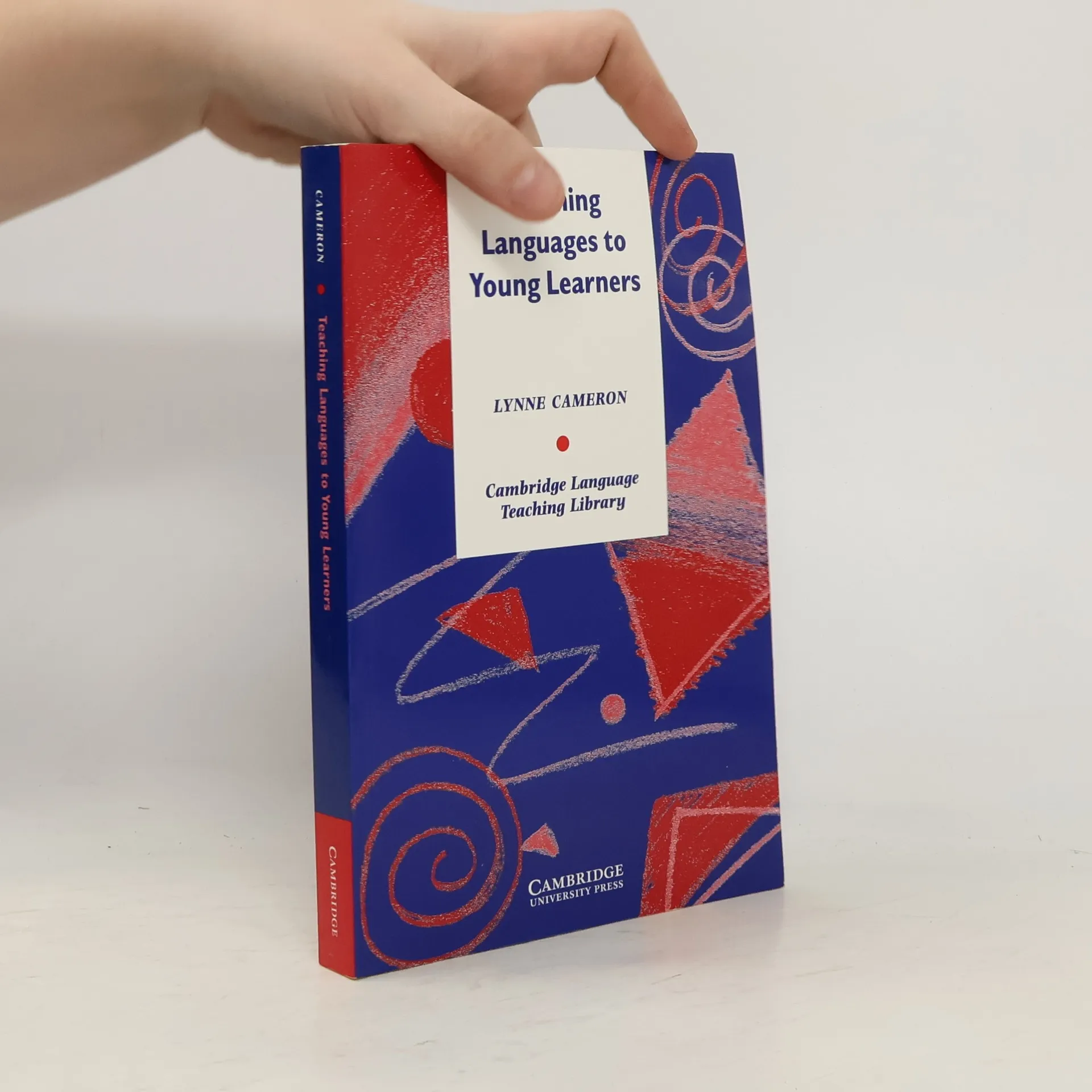
Teaching Languages to Young Learners
- 274 stránek
- 10 hodin čtení
Recent years have seen rapid growth in the numbers of children being taught foreign languages at younger ages. While course books aimed at young learners are appearing on the market, there is scant theoretical reference in the teacher education literature. Teaching Languages to Young Learners is one of the few to develop readers' understanding of what happens in classrooms where children are being taught a foreign language. It will offer teachers and trainers a coherent theoretical framework to structure thinking about children's language learning. It gives practical advice on how to analyse and evaluate classroom activities, language use and language development. Examples from classrooms in Europe and Asia will help bring alive the realities of working with young learners of English.
Needs Analysis for Language Course Design
- 274 stránek
- 10 hodin čtení
An essential toolkit for language teachers who need to design language courses for working professionals, vocational schools, undergraduate and graduate students.
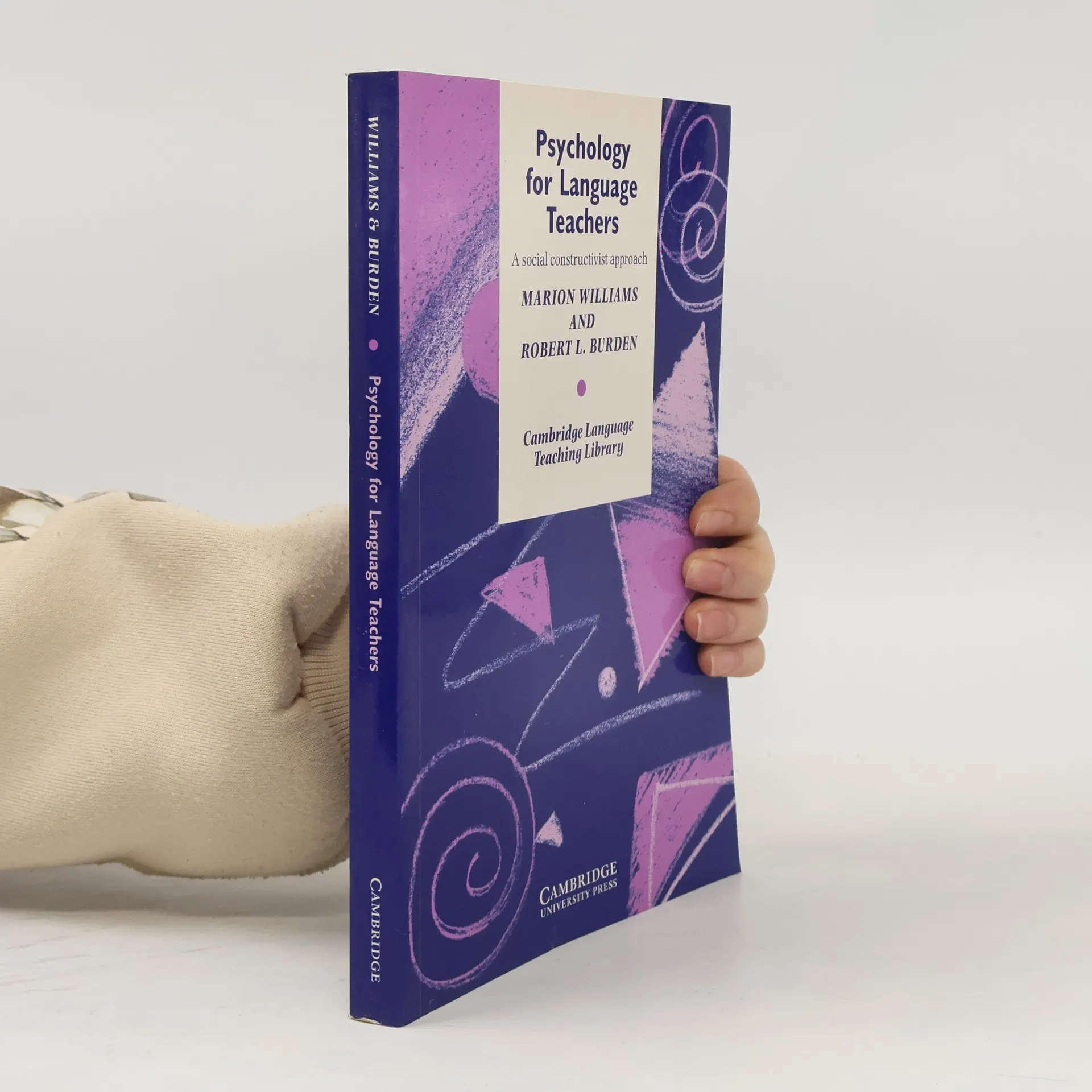
Psychology for Language Teachers
- 252 stránek
- 9 hodin čtení
This book considers the field of educational psychology and its applications to language teaching.
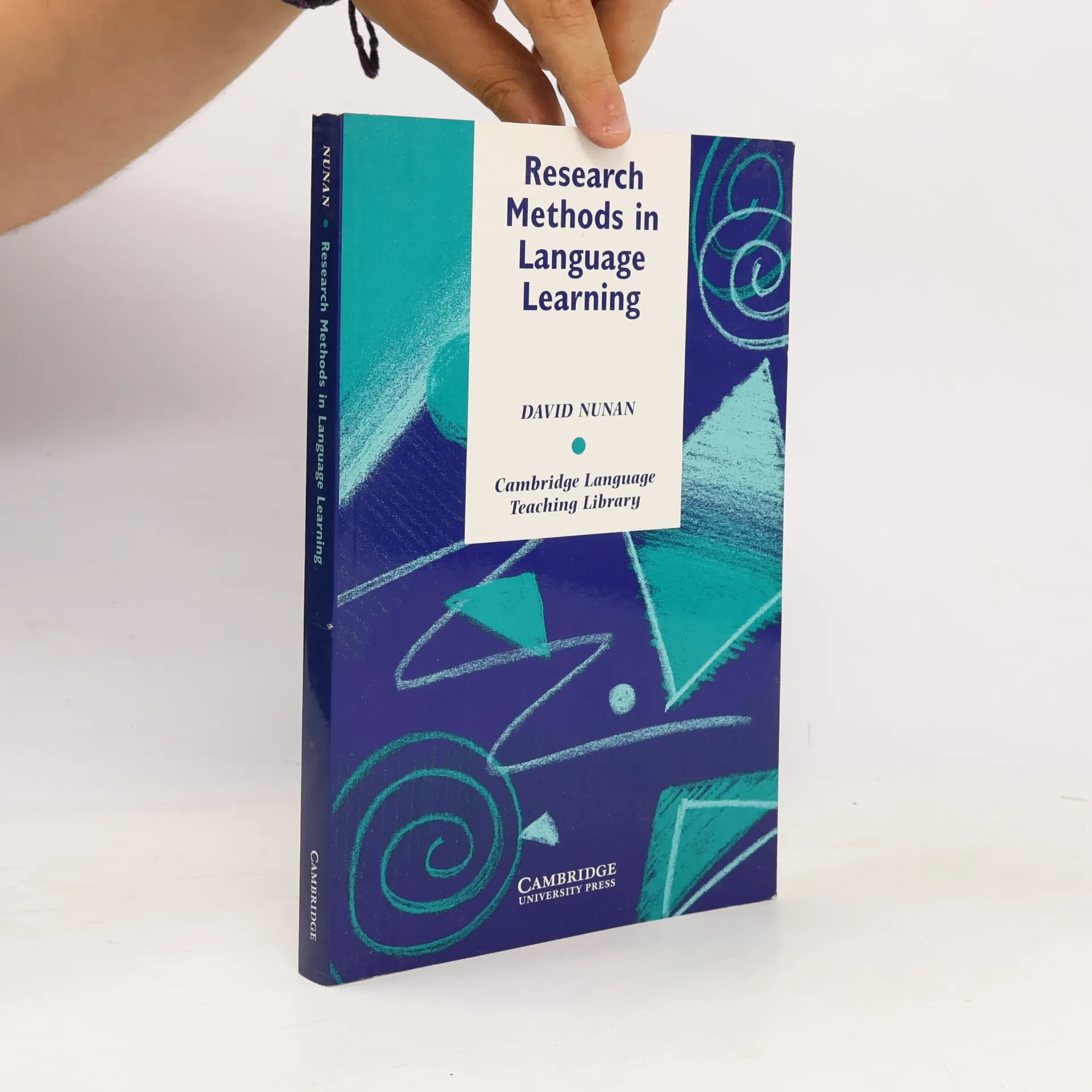
Research Methods in Language Learning helps readers understand and critique research.
Teachers and writers describe the approaches and techniques they have incorporated into their own teaching.
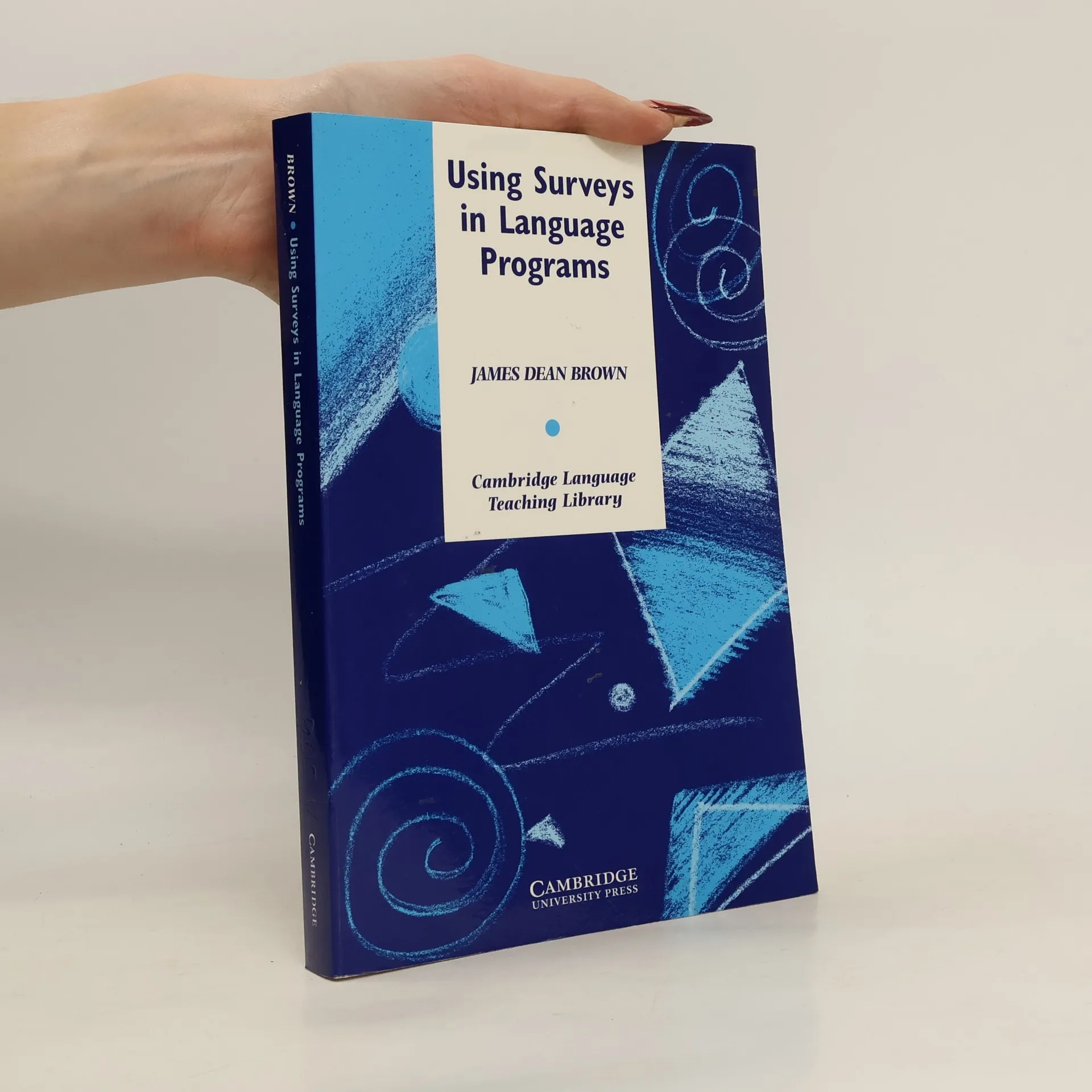
This text presents a comprehensive but practical overview of how to develop and implement effective survey projects. This book presents a comprehensive but practical overview of the different phases and activities involved in the development and implementation of effective survey projects by language teaching professionals. It is accessible to graduate students, language teachers, administrators, and researchers. The theoretical and practical issues involved in survey design are defined and discussed. Each chapter includes a list of key terms, a set of review questions, and a collection of exercises for practical application. Language teaching professionals will find all the crucial information needed to survey students and teachers about their beliefs and practices.
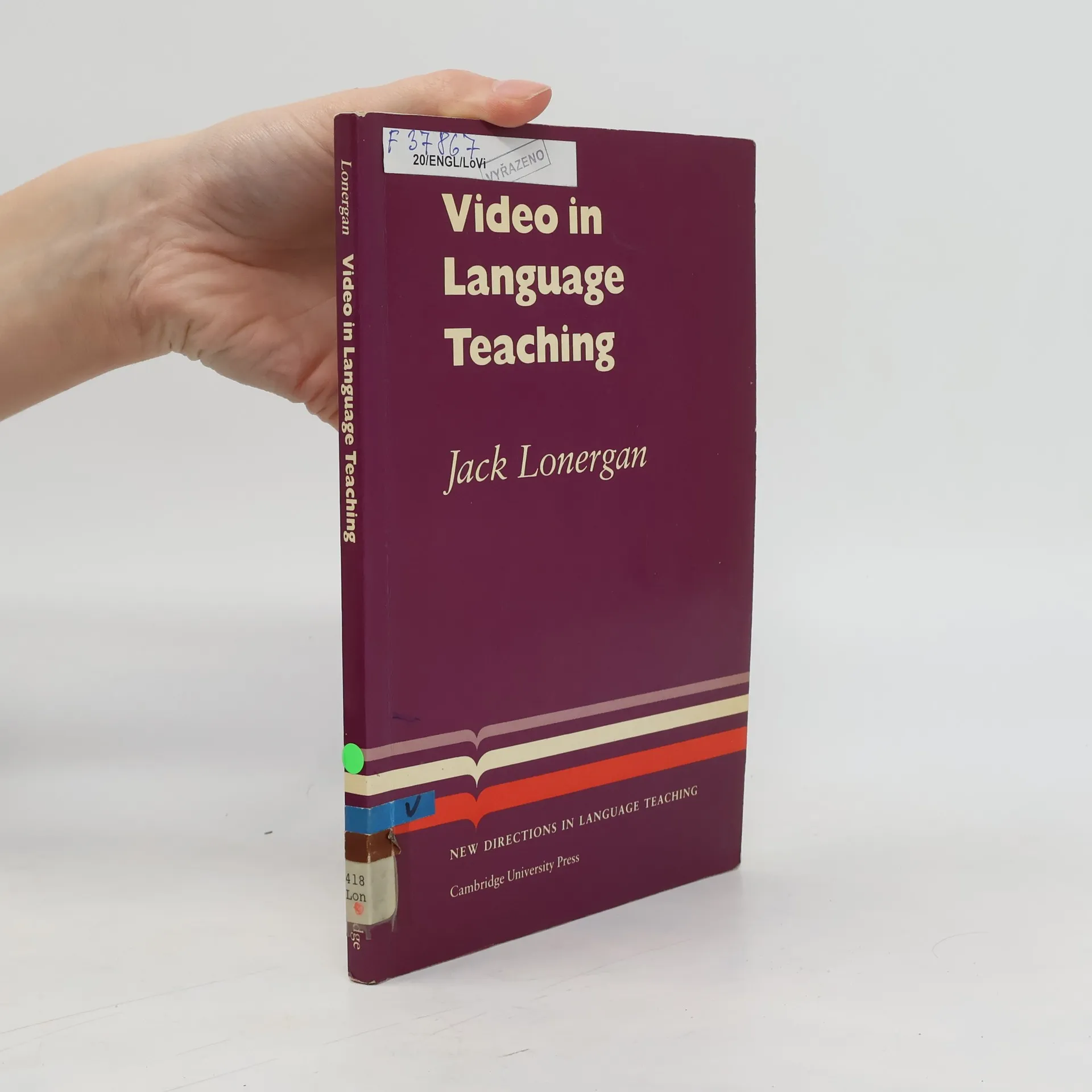
Video in Language Teaching
- 136 stránek
- 5 hodin čtení
Book by Lonergan, Jack
Task-Based Language Teaching
- 240 stránek
- 9 hodin čtení
The updated edition features a solid foundation in task design while incorporating significant enhancements, including four new chapters that expand on contemporary practices and insights. This refresh aims to provide readers with the latest methodologies and tools for effective task creation, making it a valuable resource for educators and practitioners seeking to improve their approaches.
Society and the Language Classroom
- 252 stránek
- 9 hodin čtení
Focusing on classroom dynamics, this book presents a series of case studies from diverse global contexts, including Australia, South Africa, and Japan, exploring learner and teacher interactions in English language classrooms. It highlights critical issues such as the clash between learners' expectations and teachers' change initiatives, as well as the unpredictable outcomes of educational innovations. The insights gained are crucial for educators, teacher trainers, and curriculum developers, emphasizing the need for a nuanced understanding of classroom behavior.
Establishing Self-Access
- 296 stránek
- 11 hodin čtení
Focusing on self-access language learning (SALL), this book provides practical ideas supported by relevant literature and research. It offers a comprehensive resource for establishing and managing self-access learning facilities, featuring a typology of such facilities, management strategies, and a step-by-step evaluation guide. With a variety of practical suggestions tailored for different contexts, it serves as an invaluable tool for pre-service teacher trainees, experienced educators, and administrators involved in financing self-access initiatives.
Conversation
- 378 stránek
- 14 hodin čtení
Focusing on the dynamics of English conversation, this book explores its significance for English Language Teaching (ELT) classrooms. It delves into the nuances of conversational skills and their impact on language acquisition, offering valuable insights for educators. The text emphasizes practical applications and strategies to enhance conversational competence among learners, making it a vital resource for teachers aiming to foster effective communication in their students.
Listening in the Language Classroom
- 384 stránek
- 14 hodin čtení
Challenging conventional approaches to second language listening, this book presents a transformative perspective grounded in a deep understanding of the listening process. It offers innovative strategies that aim to enhance teaching methods, encouraging educators to rethink their practices for more effective language acquisition.
Teachers need a clear description of what constitutes grammar and how it can best be taught in the English language classroom. This book illustrates a new way of describing the grammar of spoken and written English and demonstrates how lexical phrases, frames and patterns provide a link between grammar and vocabulary. These processes and techniques are contextualised within a task-based approach to teaching and learning. Numerous interactive tasks are provided to guide readers. Over 40 examples of teaching exercises are included to illustrate techniques which can be applied in the classroom immediately.
Group Dynamics in the Language Classroom
- 204 stránek
- 8 hodin čtení
The study of 'group dynamics' is a vibrant academic field, overlapping diverse disciplines. It is also highly relevant to language education because the success of classroom learning is very much dependent on how students relate to each other, what the classroom climate is like, what roles the teacher and the learners play and, more generally, how well students can co-operate and communicate with each other. This innovative book addresses these issues and offers practical advice on how to manage language learner groups in a way that they develop into cohesive and productive teams.
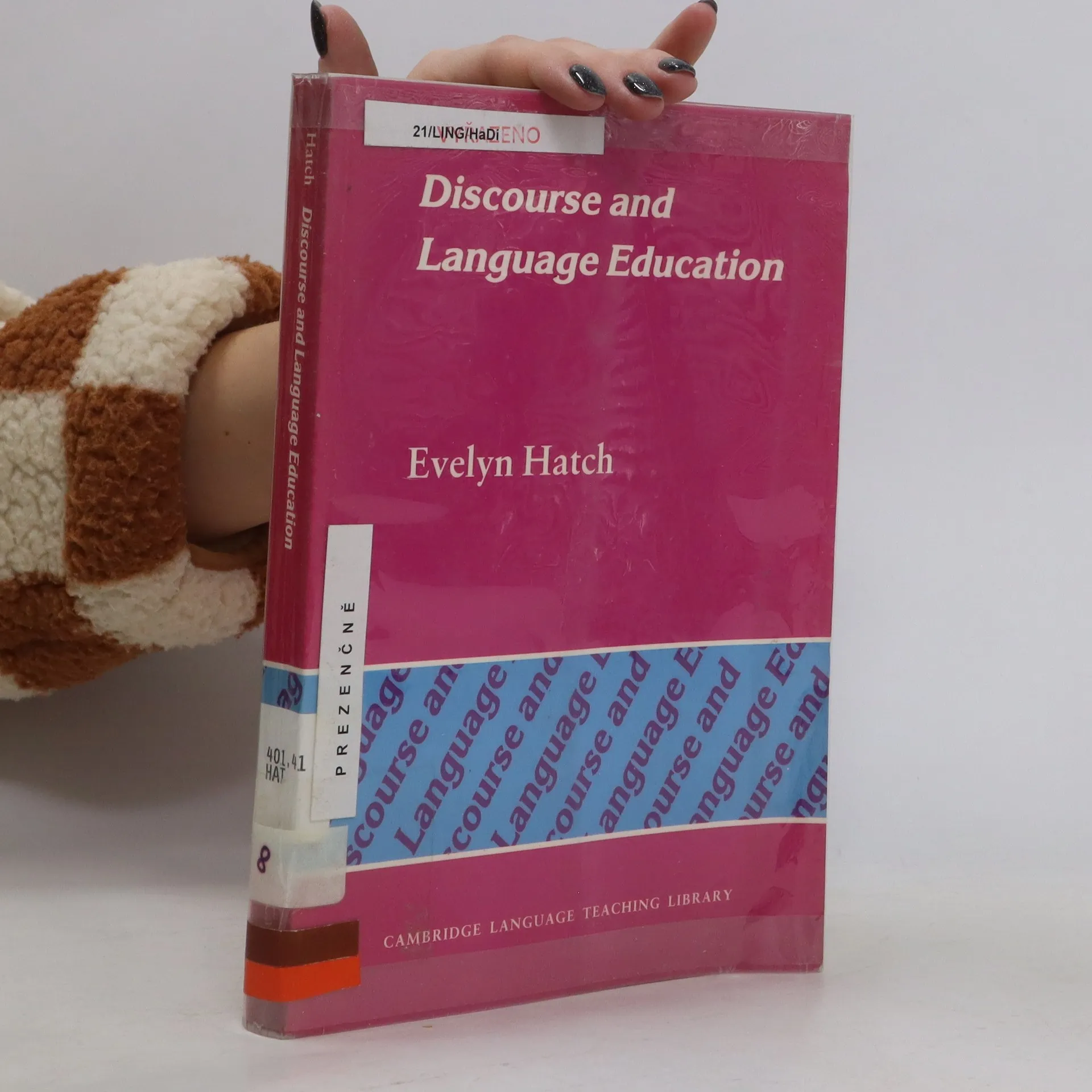
Discourse and Language Education is part of the Cambridge Language Teaching Library series. Discourse analysis describes how such communication is structured, so that it is socially appropriate and linguistically accurate. This book gives practical experience in analyzing discourse and the study of written language. The analyses show the ways we use linguistic signals to carry out our discourse goals and the differences between written and spoken language as well as across languages. This text can be used as a manual in teacher education courses and linguistics and communications courses. It will be of great interest to second language teachers, foreign language teachers, and special education teachers (especially those involved with the hearing impaired).
Cambridge Language Teaching Library: Culture Bound
Bridging the Cultural Gap in Language Teaching
- 236 stránek
- 9 hodin čtení
This book is designed to give language teachers a basis for introducing a cultural component into their teaching. The paperback edition is a collection of selected essays that attempts to provide language teachers with a basis for introducing a cultural component into their teaching. It includes essays written especially for the volume, as well as some that have been previously published.
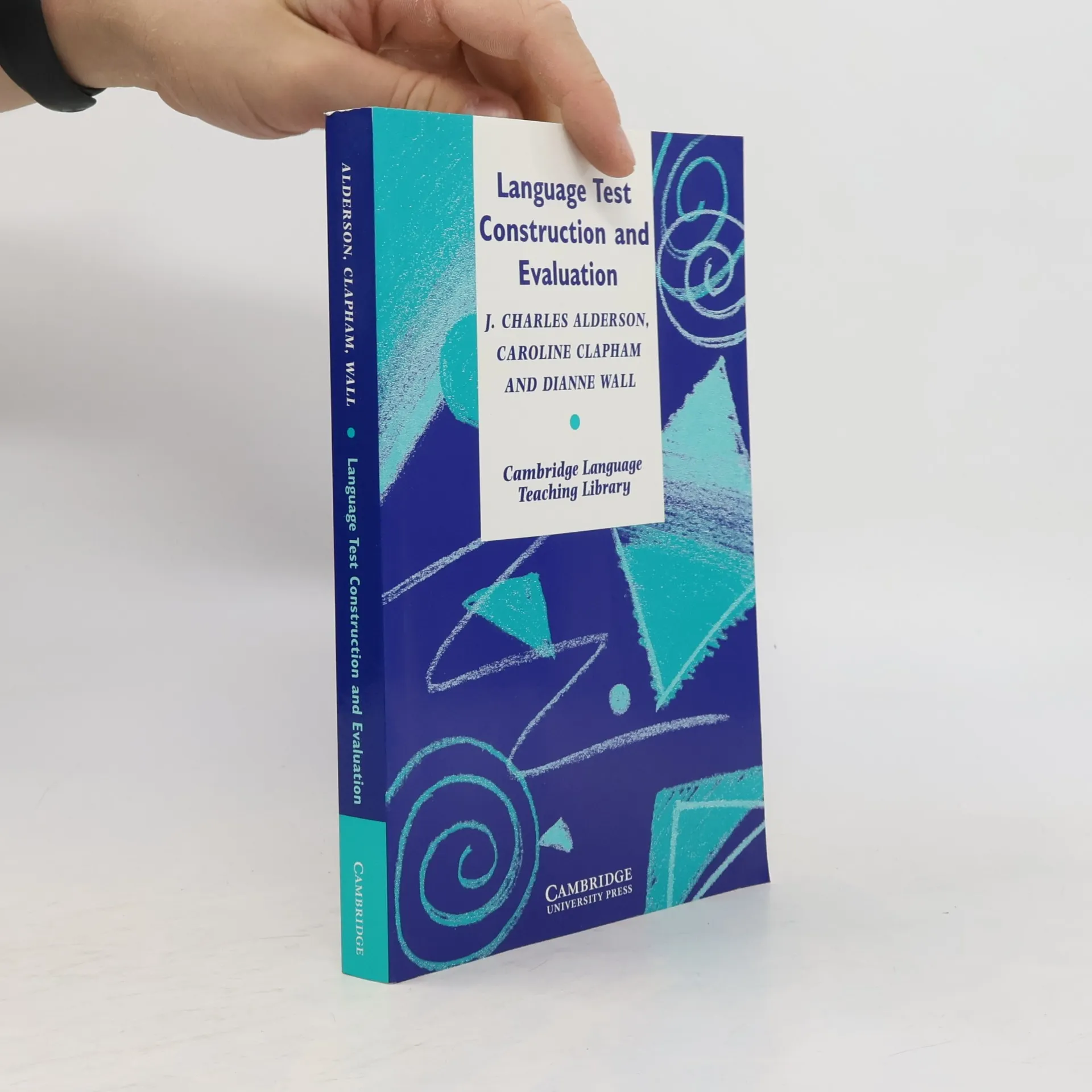
Cambridge Language Teaching Library: Language Test Construction and Evaluation
- 324 stránek
- 12 hodin čtení
Language Test Construction and Evaluation describes the process of language test construction clearly and comprehensively. Each chapter deals with one stage of the test construction process; from drafting initial test specifications, to reporting test scores, test validation and washback. In addition, current practice in the examining of English as a Foreign Language by different examining boards is reviewed in order to compare testing principles with present test practice. The focus is on the practical: it does not assume a statistical background but explains and demystifies the procedures and concepts that are relevant to the construction and evaluation of language tests. Language Test Construction and Evaluation will provide an invaluable reference for anyone who wishes to understand how language tests are, and should be, constructed.
Cambridge Language Teaching Library: The Context of Language Teaching
- 256 stránek
- 9 hodin čtení
This is an important collection of papers by a distinguished personality in the field. Topics covered include second language acquisition, syllabus design, methodology and methods, listening, speaking, vocabulary and grammar. Issues in applied linguistics are summarised and presented with clarity and their practical implications explored, thus making the vital connection between theory and practice in language teaching. Language teachers and students of applied linguistics will find this collection contains a wide range of recent work in linguistics presented in a lucid and highly accessible form.
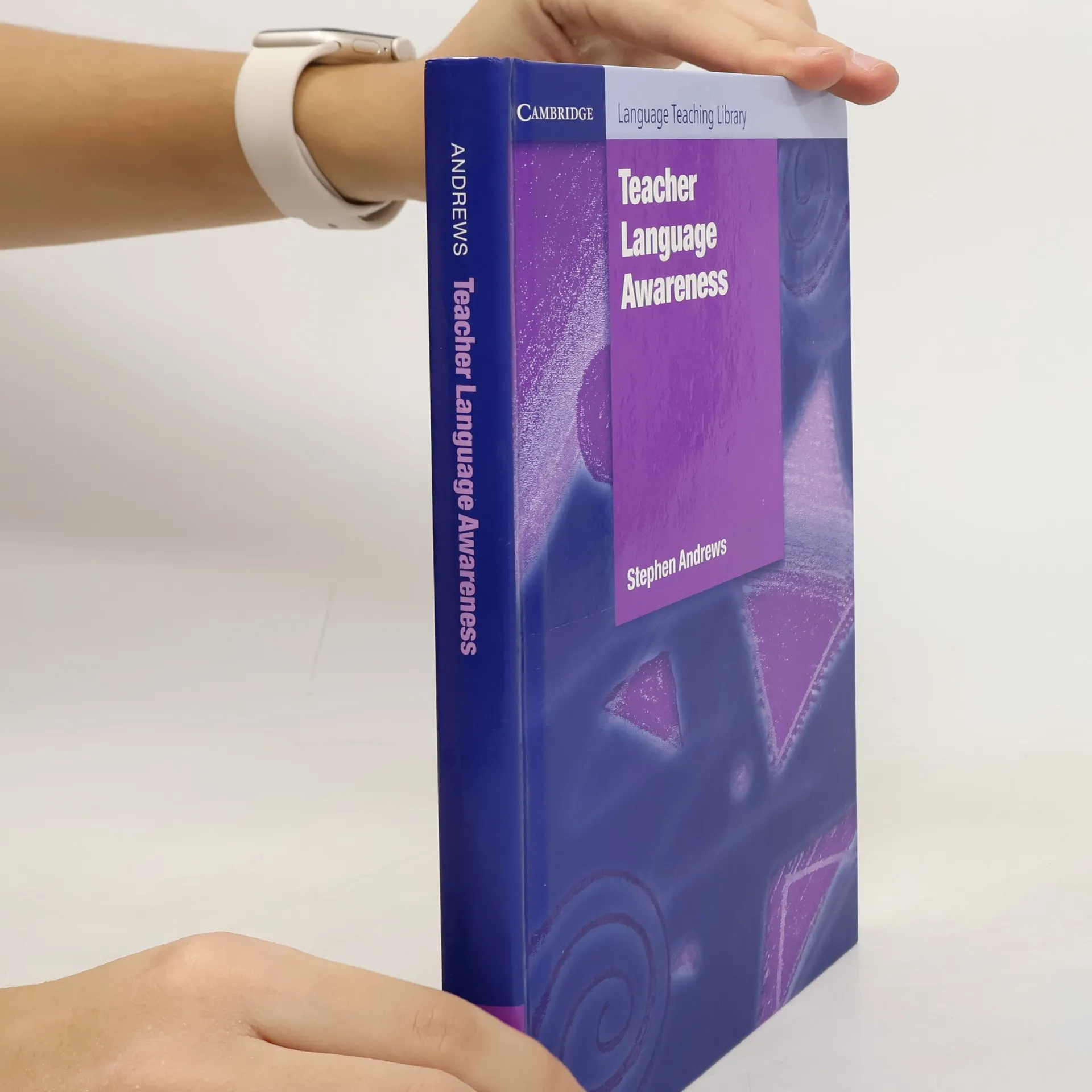
Cambridge Language Teaching Library: Teacher Language Awareness
- 248 stránek
- 9 hodin čtení
Teacher Language Awareness (TLA) is an area of increasing interest to those involved in language teacher education. This book provides an introduction to the nature of TLA, assesses its impact upon teaching and its potential impact on learning. The book focuses specifically on grammar. It aims to encourage teachers and others involved in language education to think more deeply about the importance of TLA ad to adopt a more principled approach to the planning of those parts of their programmes assosciated with it.
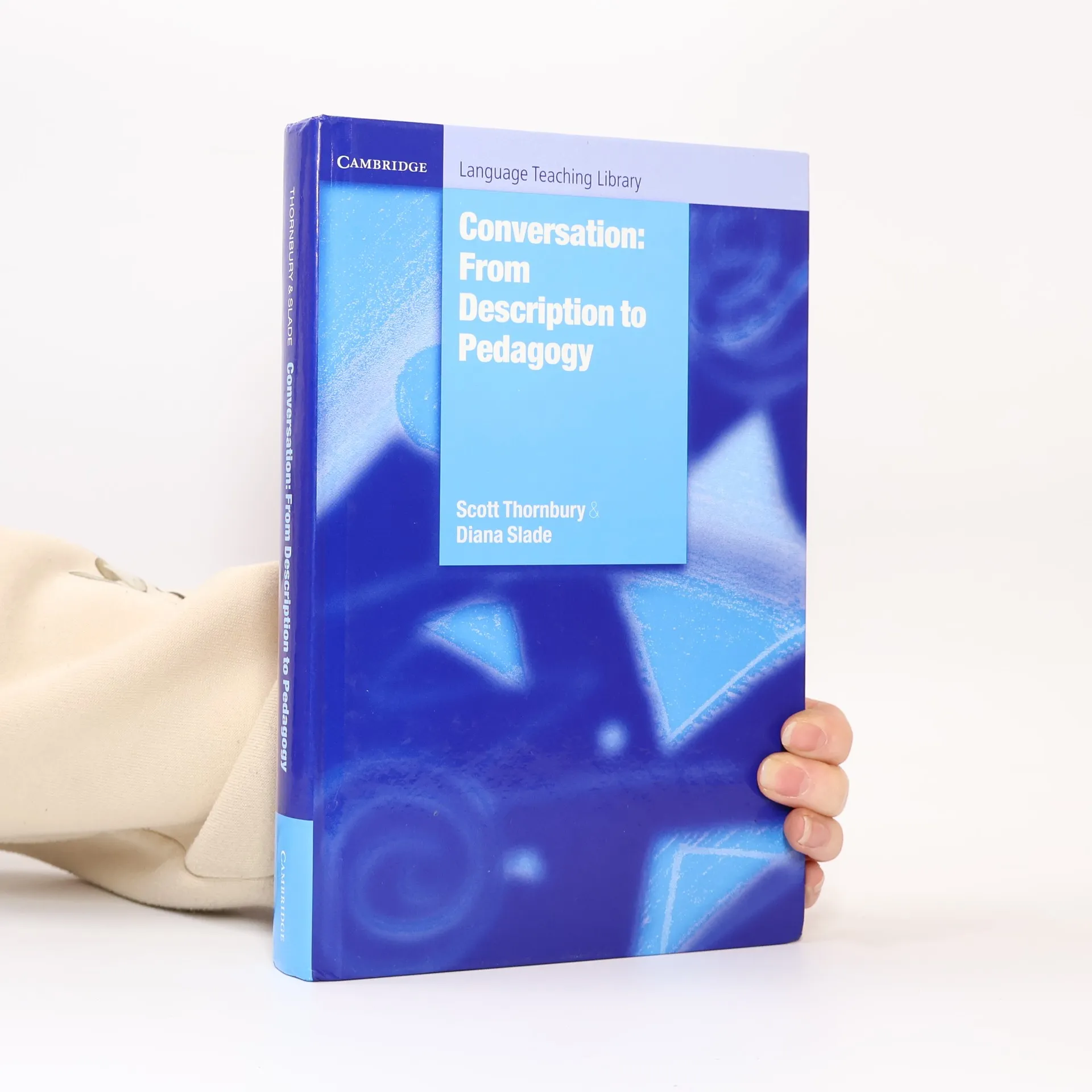
Cambridge Language Teaching Library: Conversation
From Description to Pedagogy
- 376 stránek
- 14 hodin čtení
This book provides a comprehensive account of conversation in English and its implications for the ELT classroom. After a general overview and definition of conversation it provides the reader with a systematic description of conversational English, from the vocabulary of conversation, to grammar, discourse and genre. This is followed by an informed account of the development of conversation in both first and second language acquisition. It then describes a range of methodological approaches, procedures and techniques for teaching conversation in English. On this basis, an integrated approach to the teaching of conversation is provided, along with practical classroom applications.
Cambridge Language Teaching Library: Foreign and Second Language Learning
Language Acquisition Research and Its Implications for the Classroom
- 122 stránek
- 5 hodin čtení
In Foreign and Second Language Learning, William Littlewood surveys recent research into how people acquire languages and considers its relevance for language teaching. He describes the most important studies and ideas about first language acquisition, and how these have influenced and developed into studies of second language acquisition. He considers the background of language theories which were current before the present interest in acquisition research, and looks at factors such as learners' errors, whether learners are predisposed to acquire language in certain sequences, why some people are apparently more successful at learning languages than others, and how learners make use of their new language to communicate. The use of clear examples, the careful explanation and balanced commentary on the research enable the reader to evaluate the evidence and consider the relevance of work in this field to the day to day concerns of teaching and learning languages.
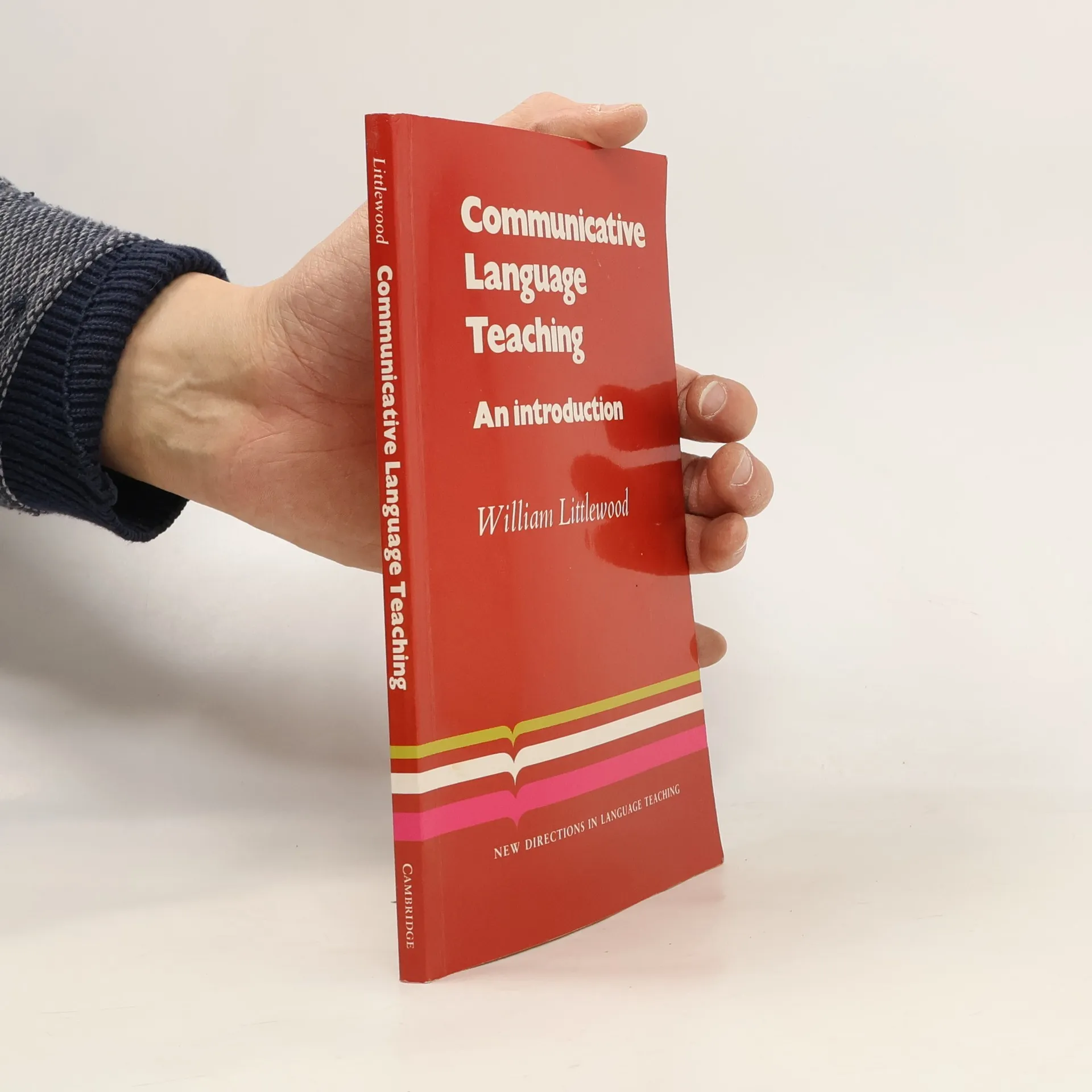
Communicative Language Teaching
- 122 stránek
- 5 hodin čtení
The communicative approach is changing the face of foreign language teaching. It provides an introduction to communicative language teaching for practising classroom teachers. The author gives a single coherent account of the basic communicative ideas, emphasizing those aspects most important in the classroom so that teachers can integrate the new ideas into their own familiar methods. He stresses that a knowledge of grammar remains essential for effective communication.