Lazebník Sevilský neboli Marná ostražitost
- 108 stránek
- 4 hodiny čtení
Komedie o čtyřech dějstvích. Satirická komedie konfrontující svět aristokracie a měšťanů.


Tato dramatická trilogie sleduje osudy mazaného lazebníka, který svými intrikami a důvtipem manipuluje šlechtou i obyčejnými lidmi. Příběhy se odehrávají v historickém prostředí a jsou plné humoru, lásky a společenské satiry. Díla jsou proslulá nejen jako divadelní hry, ale především jako základ pro slavné operní adaptace.
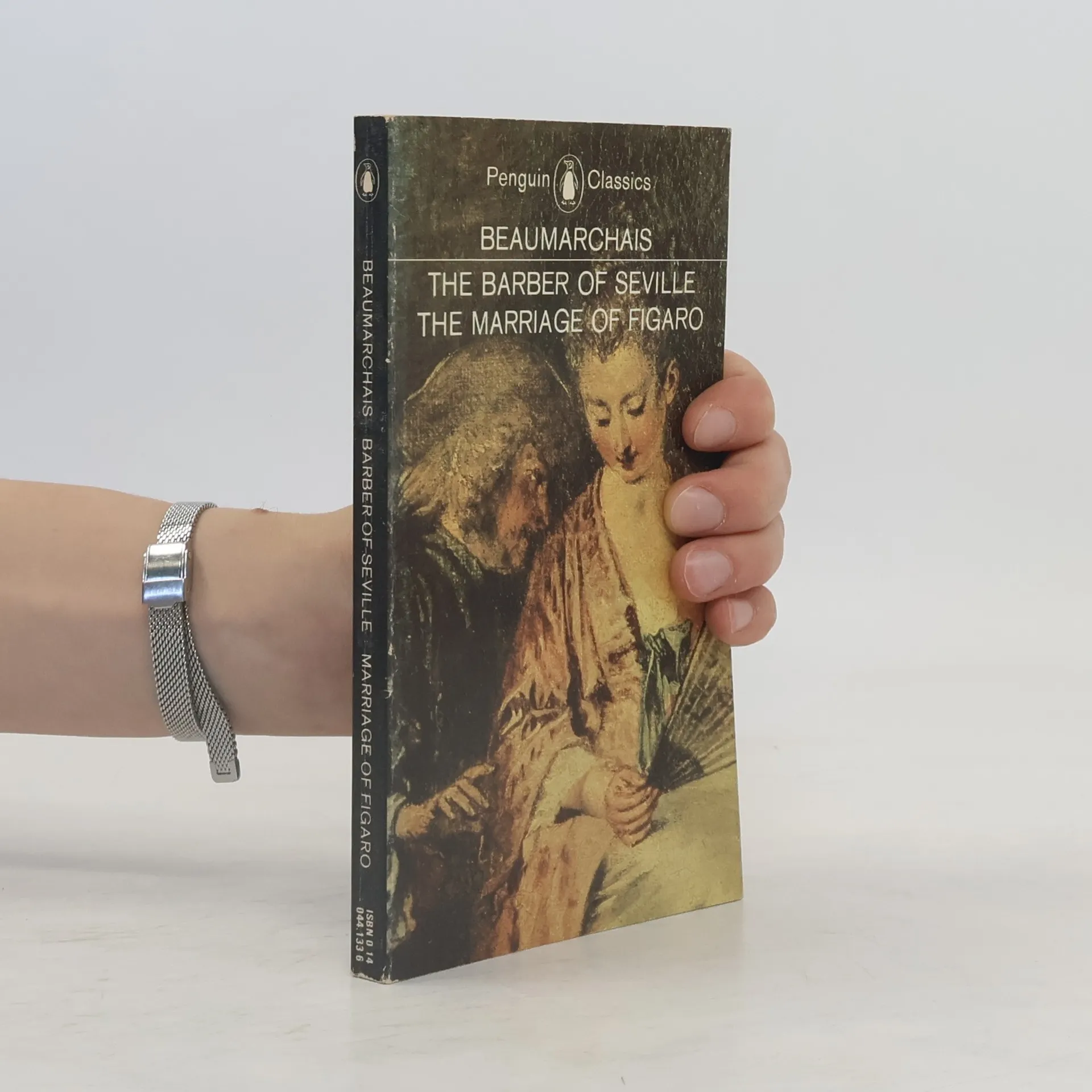
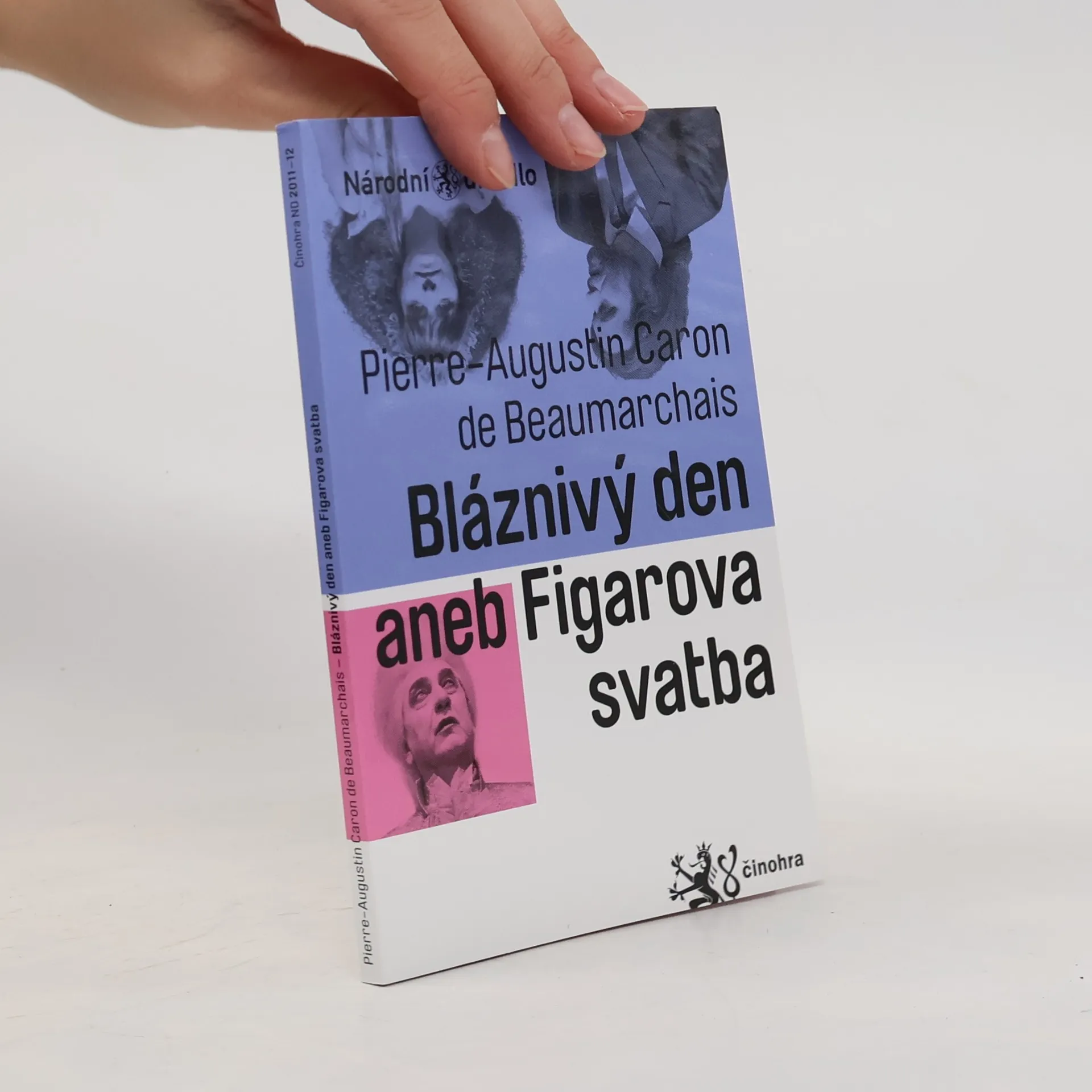
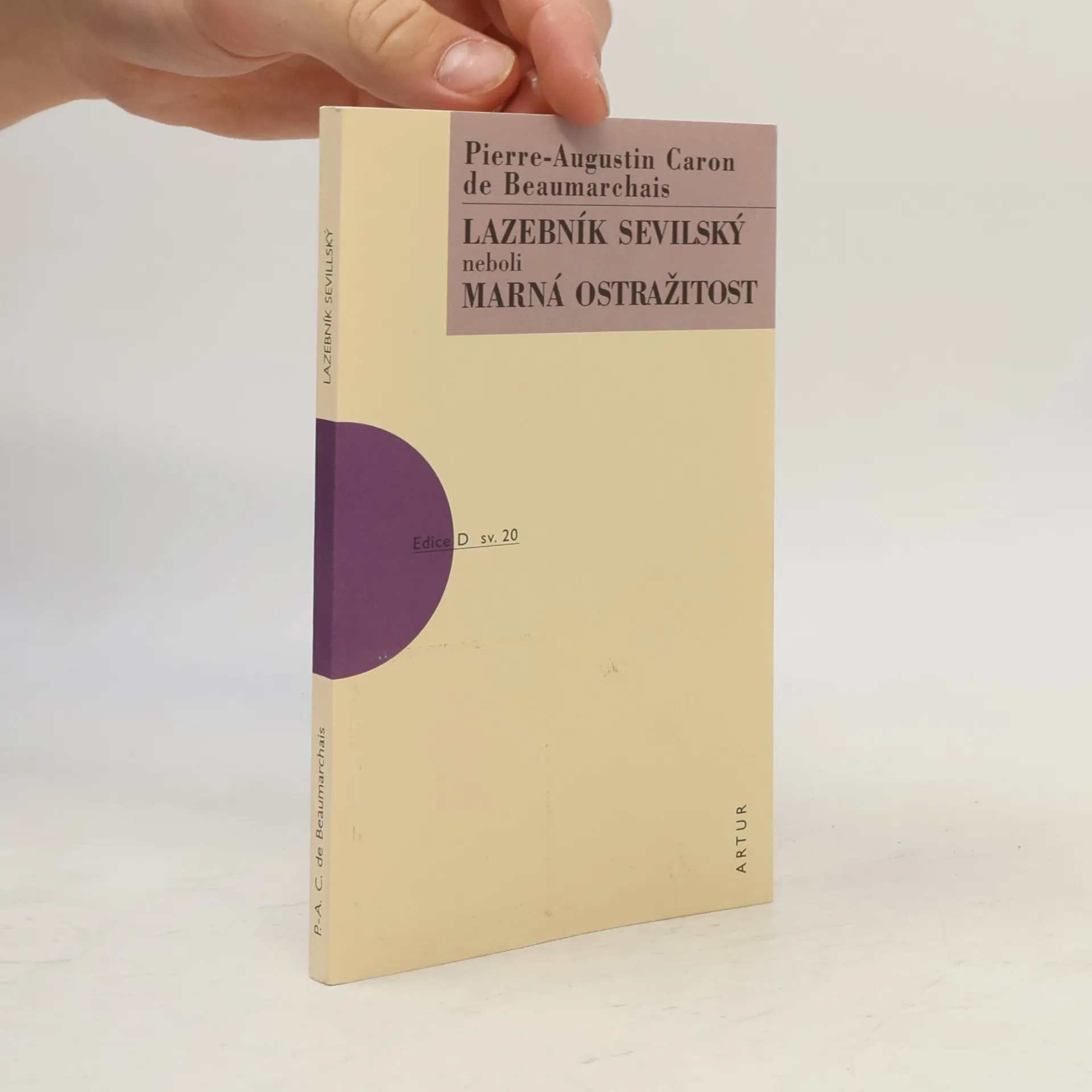
Komedie o čtyřech dějstvích. Satirická komedie konfrontující svět aristokracie a měšťanů.
lasická francouzská komedie nikterak nezestárla. Ve svůj svatební den brání sluha Figaro svou lásku Zuzanku před milostnými nároky hraběte Almavivy, který chce uplatnit právo první noci. Bavíme se Figarovým důvtipem a umem a fandíme jeho odvaze důrazně se ptát, proč existuje vrstva vyvolených, která si nárokuje pouze výsady a výhody. Je až s podivem, jak se více než po dvou stoletích stává i společenská rovina hry znovu aktuální. Text v adaptaci dramaturgyně Darii Ullrichové doprovází zasvěcená studie Záviše Šumana o kontextu vzniku hry, životopisná črta o autorovi a fotografie kostýmních návrhů Kateřiny Štefkové.
A French courtier, secret agent, libertine and adventurer, Beaumarchais (1732-99) was also author of two sparkling plays about the scoundrelly valet Figaro triumphant successes that were used as the basis of operas by Mozart and Rossini. A highly engaging comedy of intrigue, The Barber of Seville portrays the resourceful Figaro foiling a jealous old man's attempts to keep his beautiful ward from her lover. And The Marriage of Figaro condemned by Louis XVI for its daring satire of nobility and privilege depicts a master and servant set in opposition by their desire for the same woman. With characteristic lightness of touch, Beaumarchais created an audacious farce of disguise and mistaken identity that balances wit, frivolity and seriousness in equal measure