

Mary Helen Thuente pushes the clock back, some fifty years, as she demonstrates in The Harp Re-strung that Irish literary nationalism actually began in the 1790s, with the United Irish movement, rather than in the 1840s, as has been generally accepted. The United Irish movement began as a club of paramilitary reformers in Belfast in 1791. Influenced by the French Revolution and related movements, these sons of the Enlightenment became ever more radical. Within five or six years, what had been a small club of intellectuals and political agitators resulted in a mass movement that was committed to overthrowing British rule in Ireland. By reevaluating the writings associated with the United Irish movement, especially the works of Thomas Moore and the Young Ireland writers, their context within the culture, and their impact on subsequent Irish nationalistic writing, Thuente establishes that the movement played a pivotal role in the development of Irish literary nationalism. She provides a rich balance in her treatment of elite and popular cultures, salvages information previously ignored by critics, and invites readers to look anew at the history and propaganda of the movement.
Irská studia, Syracuse University Press Série
Tato série se ponořila do bohatého a složitého světa irských studií, zkoumá jeho historii, kulturu a politiku. Nabízí hluboký pohled na irskou identitu a její vývoj v průběhu času. Série je zásadní pro každého, kdo se zajímá o irské dědictví a jeho vliv na svět. Jedná se o cenný zdroj pro akademiky i zájemce o irskou historii.


The Rebels and Other Short Fiction
- 208 stránek
- 8 hodin čtení
An accomplished novelist, short story writer, and playwright, Richard Power (1928–1970) was most well–known for his 1969 novel The Hungry Grass. While many of his stories were published in the leading literary journals of the day, his premature death prevented his work from gaining the fame it deserved. Gathered together for the first time, Power’s subtle and poignant stories capture the daily lives of urban and rural dwellers in Ireland at the turn of the twentieth century. Coming of age, the tensions between tradition and modernity, and romantic love are some of the themes in these beautifully vivid tales. Power explores the interiority of an Irish mother and the thorny navigation of an adolescent girl's coming of age with pathos and humor. This memorable collection, thoughtfully arranged and introduced by James MacKillop, gives new life to an undeservedly neglected writer for fans and scholars of the Irish short story tradition.
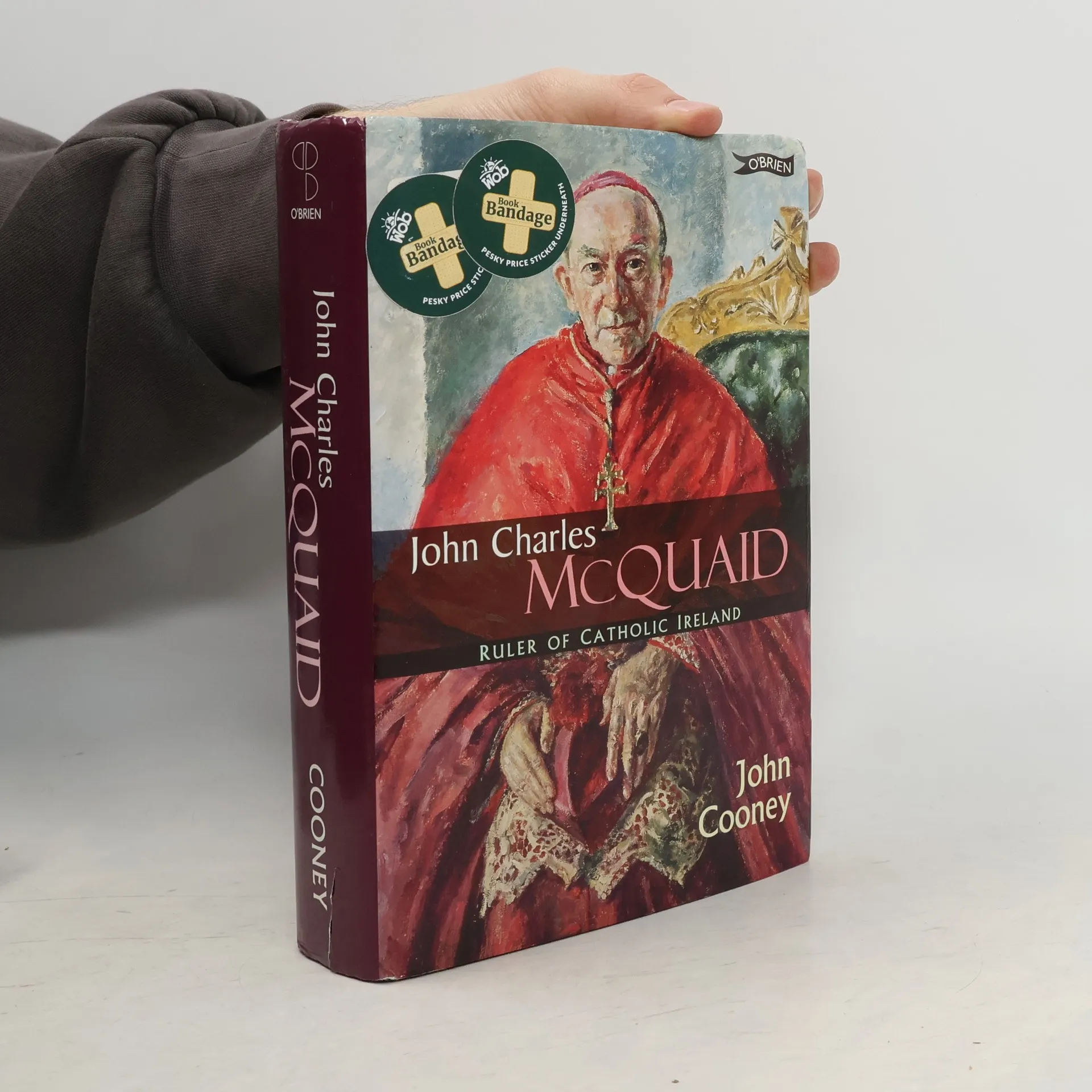
An in-depth study of the most significant Irish clergyman in the history of the state. For three decades, 1940-72, as Archbishop of Dublin and Primate of Ireland, John Charles McQuaid imposed his iron will on Irish politicians and instilled fear among his clergy and laity. No other churchman amassed the religious, political and social power which he exercised with unscrupulous severity. An admirer of the FBI's J. Edgar Hoover, Archbishop McQuaid built up a vigilante system that spied on politicians and priests, workers and students, doctors and lawyers, nuns and nurses, soldiers and trade unionists. There was no room for dissent when John Charles spoke in the name of Jesus Christ. This power was used to build up a Catholic-dominated state in which Protestants, Jews and feminists were not welcome.
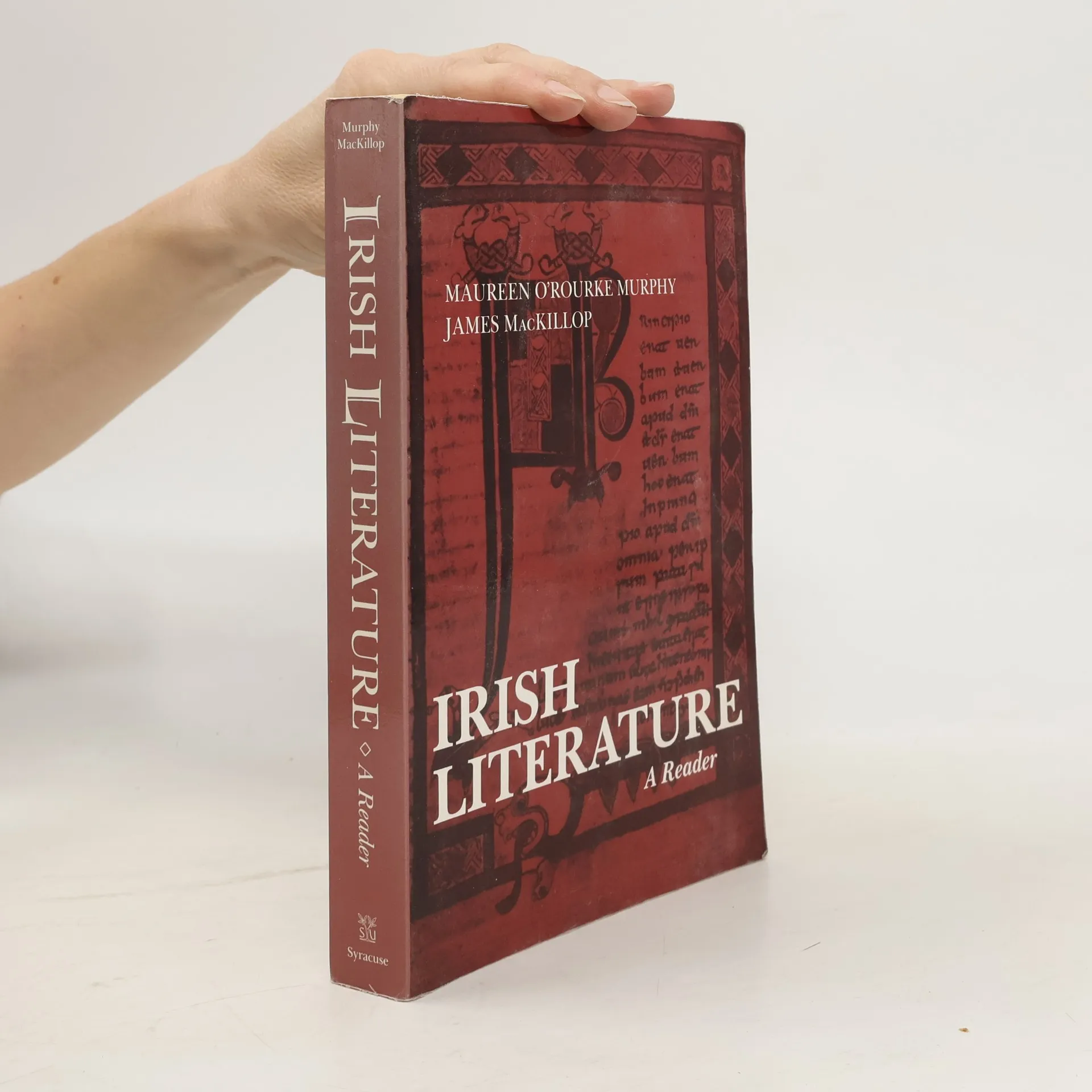
In a volume that has become a standard text in Irish studies and serves as a course-friendly alternative to the Field Day anthology, editors Maureen O’Rourke Murphy and James MacKillop survey thirteen centuries of Irish literature, including Old Irish epic and lyric poetry, Irish folksongs, and drama. For each author the editors provide a biographical sketch, a brief discussion of how his or her selections relate to a larger body of work, and a selected bibliography. In addition, this new volume includes a larger sampling of women writers.
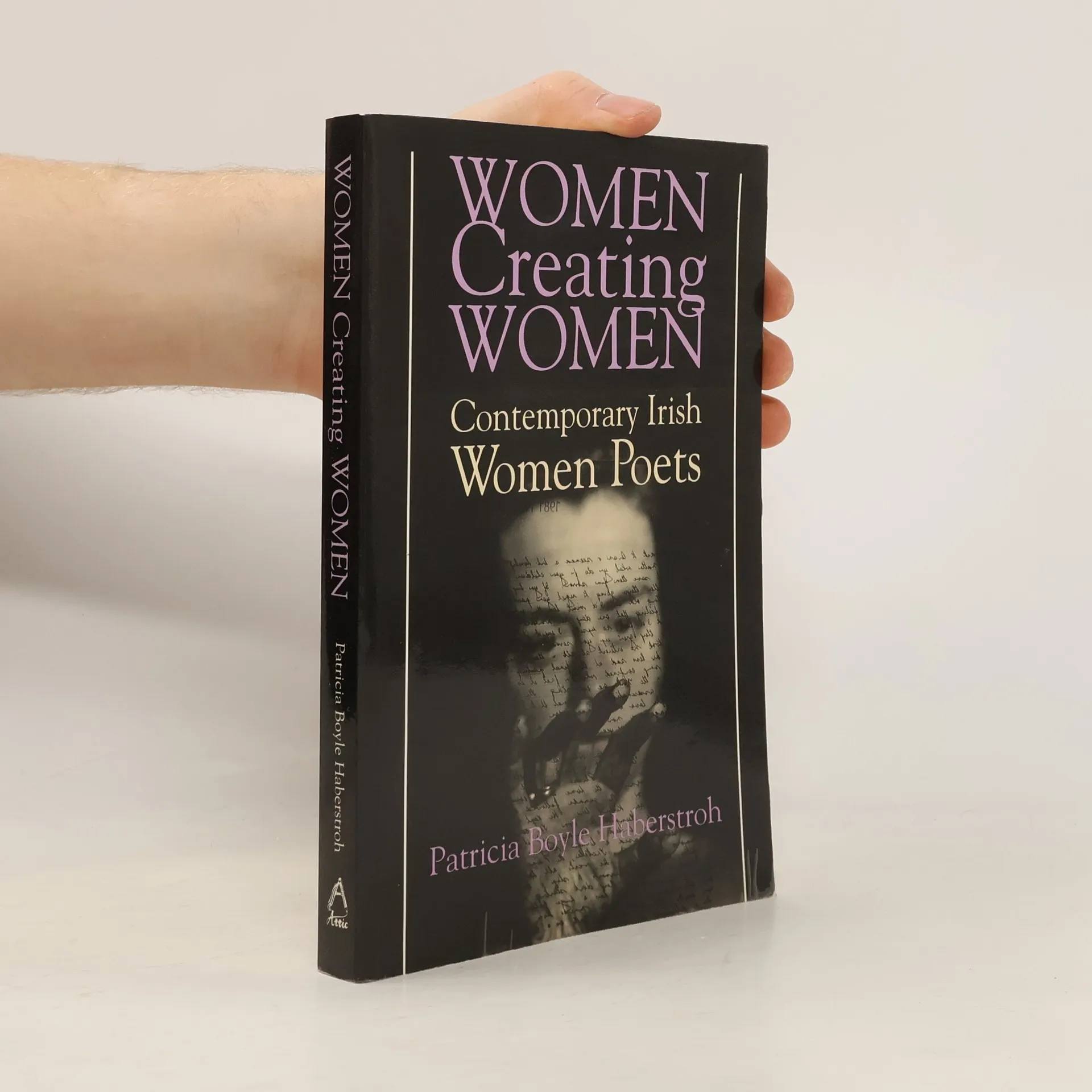
This examination of the work of Eithne Strong, Eavan Boland, Eilean Ni Chuilleanain, Medbh McGuckian and Nuala Ni Dhomhnaill is a unique one, achieving a fine balance between historical survey and close analysis of Irish women poets.