Selected Poems of Gabriela Mistral
- 431 stránek
- 16 hodin čtení
The breadth and depth of Nobel laureate Gabriela Mistral's poetry is passionately translated to English by Le Guin in this landmark bilingual edition.


Tato série se noří do bohatého a rozmanitého světa umění a kultury Latinské Ameriky a Latino komunit. Zkoumá vzájemné propojení historie, identity a tvůrčího vyjádření v tomto dynamickém regionu. Čtenáři se mohou těšit na poutavé studie, které osvětlují klíčové umělecké hnutí, kulturní tradice a společenské komentáře. Je to esenciální zdroj pro každého, kdo se zajímá o hlubší pochopení této vlivné oblasti.

The breadth and depth of Nobel laureate Gabriela Mistral's poetry is passionately translated to English by Le Guin in this landmark bilingual edition.
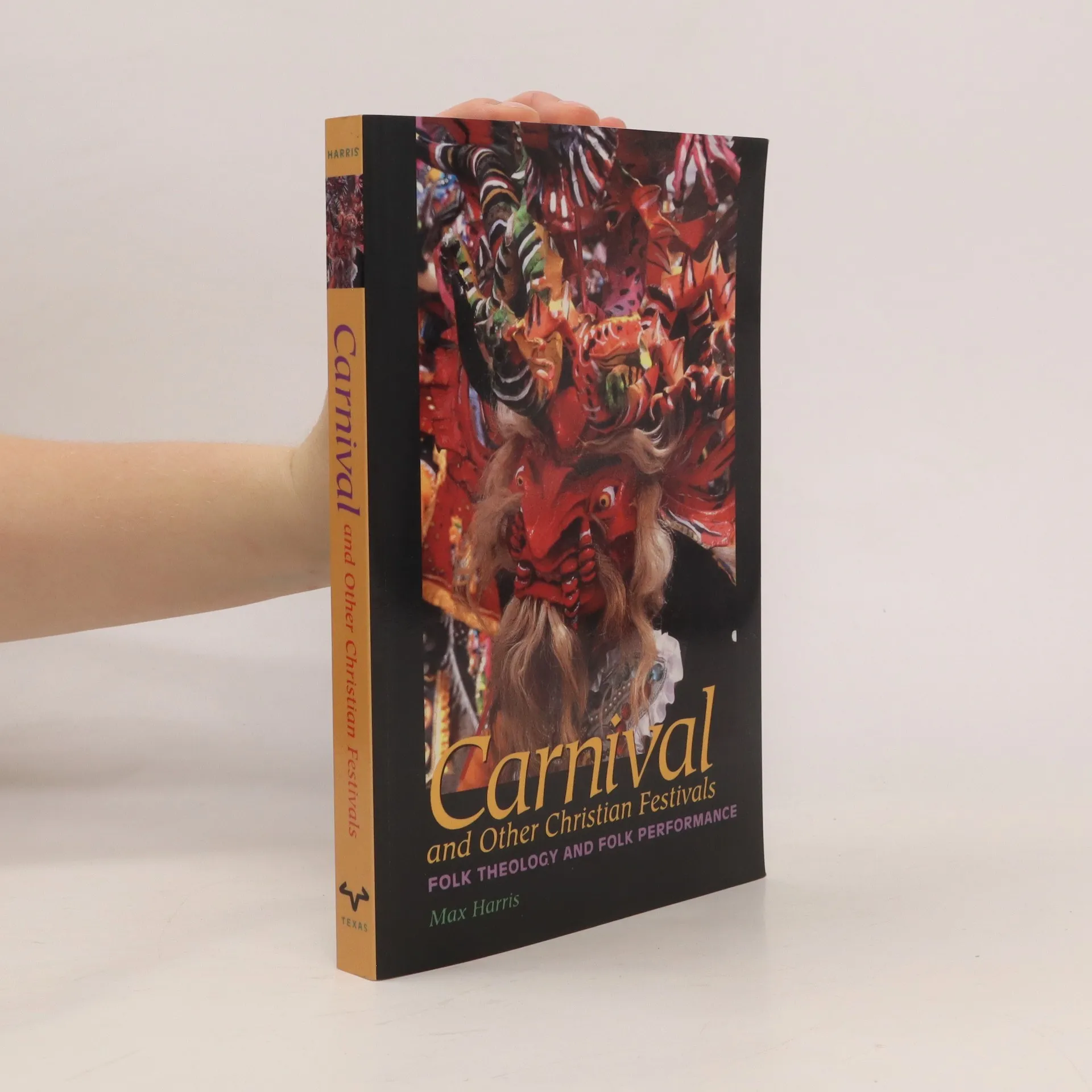
With a riotous mix of saints and devils, street theater and dancing, and music and fireworks, Christian festivals are some of the most lively and colorful spectacles that occur in Spain and its former European and American possessions. That these folk celebrations, with roots reaching back to medieval times, remain vibrant in the high-tech culture of the twenty-first century strongly suggests that they also provide an indispensable vehicle for expressing hopes, fears, and desires that people can articulate in no other way. In this book, Max Harris explores and develops principles for understanding the folk theology underlying patronal saints' day festivals, feasts of Corpus Christi, and Carnivals through a series of vivid, first-hand accounts of these festivities throughout Spain and in Puerto Rico, Mexico, Peru, Trinidad, Bolivia, and Belgium. Paying close attention to the signs encoded in folk performances, he finds in these festivals a folk theology of social justice that—however obscured by official rhetoric, by distracting theories of archaic origin, or by the performers' own need to mask their resistance to authority—is often in articulate and complex dialogue with the power structures that surround it. This discovery sheds important new light on the meanings of religious festivals celebrated from Belgium to Peru and on the sophisticated theatrical performances they embody.
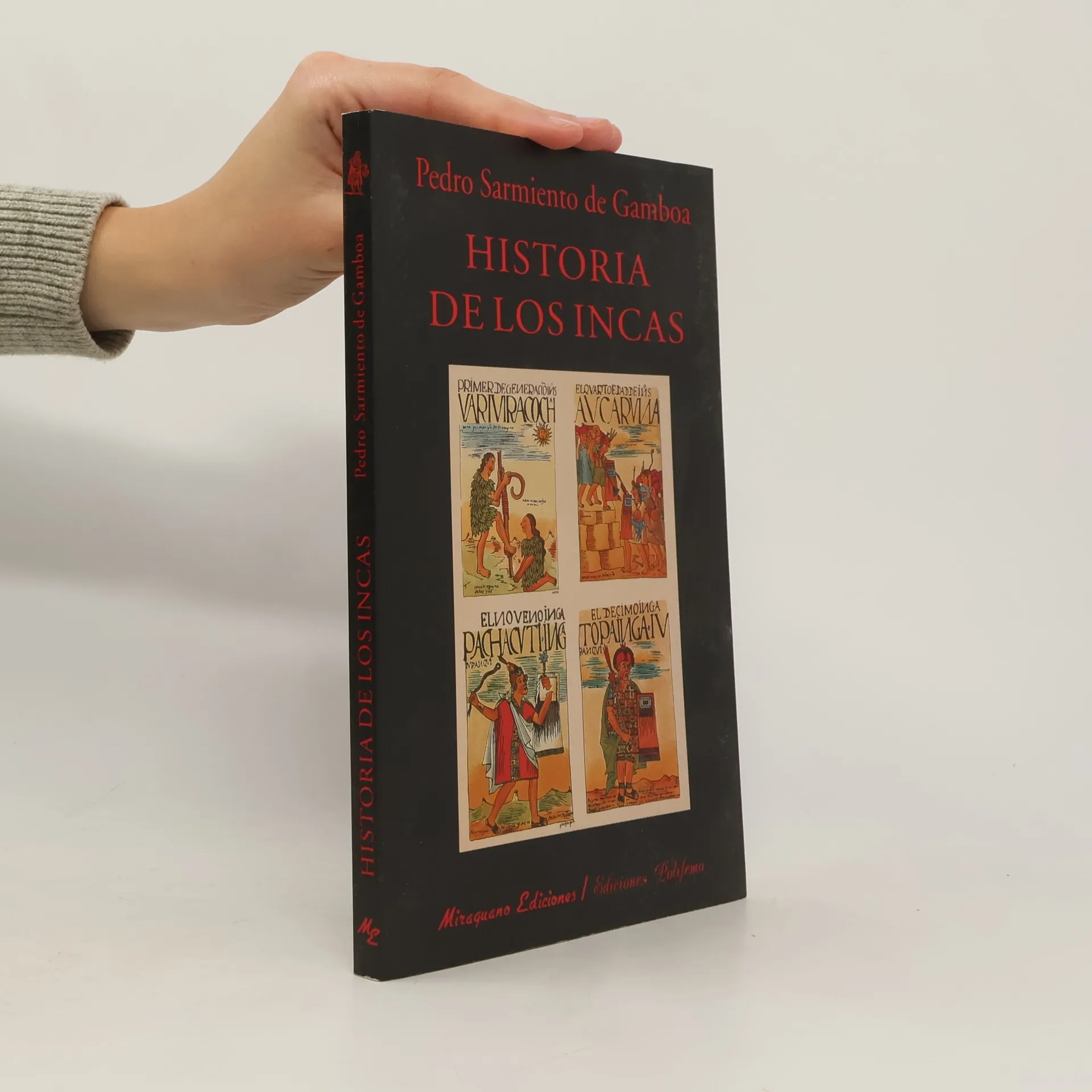
La segunda parte de la Historia indica del autor; se proyectaron una primera parte (Historia natural destas tierras) y una tercera que debía contener la historia de la conquista hasta 1572, pero aparentemente nunca se completaron. El primer texto fue dedicado a Felipe II en 1572; el segundo fue escrito en 1610. El Suplemento es otro relato de testigo ocular.