Noc
- 104 stránek
- 4 hodiny čtení
Autobiografické svědectví známého myslitele, nositele Nobelovy ceny míru za rok 1986. Příběh Židů deportovaných z autorovy rodné vesnice - rumunského Sighetu - do Osvětimi.


Tato sugestivní trilogie se noří do temných zákoutí lidské existence během jedné z nejtemnějších kapitol historie. Série zkoumá sílu ducha tváří v tvář nepředstavitelnému utrpení a ztrátě. Nabízí hluboce osobní pohled na hrůzy holocaustu, zároveň však zkoumá naději, která může přetrvat i v nejhlubší beznaději. Jde o silné svědectví o přežití a nezlomnosti lidského ducha.
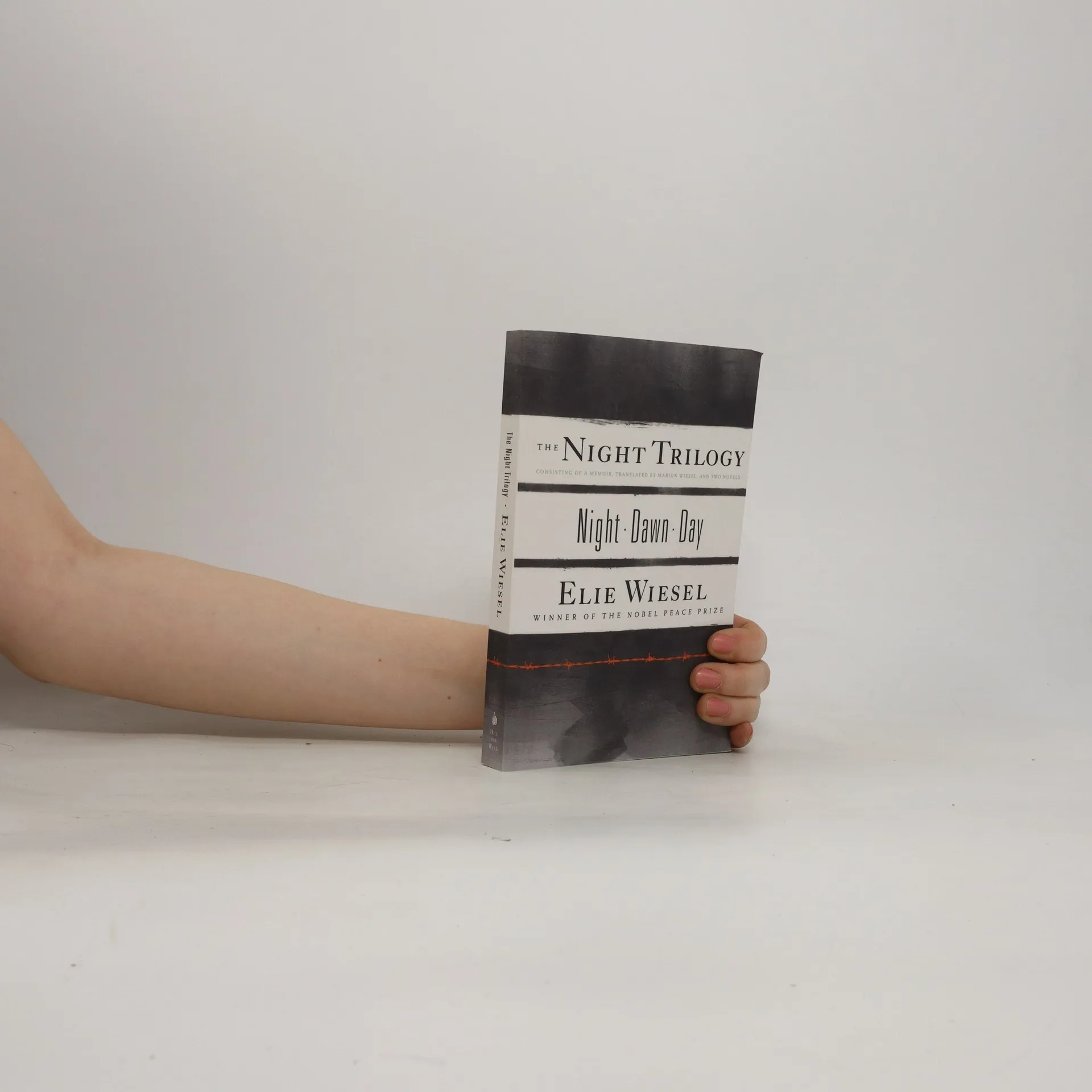

Autobiografické svědectví známého myslitele, nositele Nobelovy ceny míru za rok 1986. Příběh Židů deportovaných z autorovy rodné vesnice - rumunského Sighetu - do Osvětimi.
Elie Wiesel získal Nobelovu cenu jakožto “posel lidskosti, člověk oddaný humanismu”. Smí tedy člověk zabít druhého? Tuto strašlivou otázku v této novele řeší na příběhu mladého muže. Protagonista se nedávno vrátil z koncentračního tábora, kde byla zničena celá jeho rodina, jeho vesnice a také jeho důvěra v lidskost. Ocitá se nyní v zemi, kde před staletími žili předkové jeho rodiny. V zápase o tuto zemi dostane úkol - zabít člověka. Jak se s tímto hrozným zadáním má vyrovnat? Novela vychází s doslovem Robiho Friedmana, izraelského klinického psychologa, skupinového analytika.
"Not since Albert Camus has there been such an eloquent spokesman for man." --The New York Times Book ReviewThe publication of Day restores Elie Wiesel's original title to the novel initially published in English as The Accident and clearly establishes it as the powerful conclusion to the author's classic trilogy of Holocaust literature, which includes his memoir Night and novel Dawn. "In Night it is the ‘I' who speaks," writes Wiesel. "In the other two, it is the ‘I' who listens and questions."In its opening paragraphs, a successful journalist and Holocaust survivor steps off a New York City curb and into the path of an oncoming taxi. Consequently, most of Wiesel's masterful portrayal of one man's exploration of the historical tragedy that befell him, his family, and his people transpires in the thoughts, daydreams, and memories of the novel's narrator. Torn between choosing life or death, Day again and again returns to the guiding questions that inform Wiesel's trilogy: the meaning and worth of surviving the annihilation of a race, the effects of the Holocaust upon the modern character of the Jewish people, and the loss of one's religious faith in the face of mass murder and human extermination.
Three works deal with a concentration camp survivor, a hostage holder in Palestine, and a recovering accident victim.