

Knihobot

Obrázky Ameriky: Pensylvánie

Tato edice nabízí fascinující pohled do minulosti Pensylvánie prostřednictvím rozsáhlé sbírky historických fotografií. Každý svazek zachycuje jedinečnou atmosféru měst a vesnic 'Keystone State', odhaluje jejich bohatou kulturu a tradice. Prozkoumejte ikonická místa, zapomenuté události a obyčejné lidi, kteří formovali historii této významné americké oblasti. Je to vizuální cesta časem, která potěší milovníky historie i rodáky.

Philadelphia Organized Crime in the 1920s and 1930s
Snyder County
Honesdale
African Americans in Mercer County
Cornwall
Steelton
  • Steelton

    • 130 stránek
    • 5 hodin čtení

    The book explores the rich history of Steelton, an industrial hub known for its ethnic diversity and productivity along the Susquehanna River. It highlights the contributions of various immigrant groups, particularly Slavs and Italians, alongside African Americans who worked at Bethlehem Steel Company. The narrative delves into the town's vibrant religious life, athletic achievements, and the pride of its residents in their military service during the world wars. Vintage images capture the essence of this unique community and its legacy.

    Steelton
    4,5
  • Cornwall

    • 130 stránek
    • 5 hodin čtení

    Cornwall was founded in 1737 after a tremendous amount of iron ore was discovered in three hills. Mining started in earnest in 1742 when a charcoal furnace was constructed in Cornwall to smelt the iron ore. Operations of open pit and underground mining continued for more than 230 years until June 1972 when Hurricane Agnes flooded the mine. The iron ore was used to cast cannon and shot for the Continental army and later to construct our country's buildings, bridges, and infrastructure. Vintage images culled from area archives illustrate the mining history, community culture, and development of the borough of Cornwall.

    Cornwall
    5,0
  • The book explores the rich history of African Americans in Mercer County, highlighting their two-century journey toward progress and freedom. It details the role of the Underground Railroad, the establishment of the Freedom Church, and the creation of Pandenarium for freed slaves. The narrative also covers the impact of 20th-century southern migrants in the steel industry and the significance of community organizations like the Twin City Elks. The story spans from early land acquisitions to contemporary celebrations of Juneteenth, illustrating a resilient legacy.

    African Americans in Mercer County
    4,5
  • Honesdale

    • 130 stránek
    • 5 hodin čtení

    The book explores the rich history of Honesdale, Pennsylvania, highlighting its significance as a transportation hub for anthracite coal via the gravity railroad and canal. It features notable figures such as songwriter Dick Smith and General Lyman Lemnitzer, showcasing the town's cultural impact. Additionally, Honesdale is home to the Stourbridge Lion, the first locomotive on commercial tracks in the Western Hemisphere, and is noted for unique landmarks, including the world's smallest Jewish temple and a historical coal stockpile.

    Honesdale
    4,0
  • Snyder County

    • 130 stránek
    • 5 hodin čtení

    Rich in historical significance, this volume delves into Snyder County's pivotal roles since its establishment in 1855, including its connection to the Pennsylvania Canal and its notable residents like Governor Simon Snyder. The book features over 200 original photographs, many previously unpublished, highlighting the county's evolution from 1860 to 1960. These images, sourced from cherished family collections, provide a visual narrative of the area's heritage and its contributions to education and transportation in the region.
    Snyder County
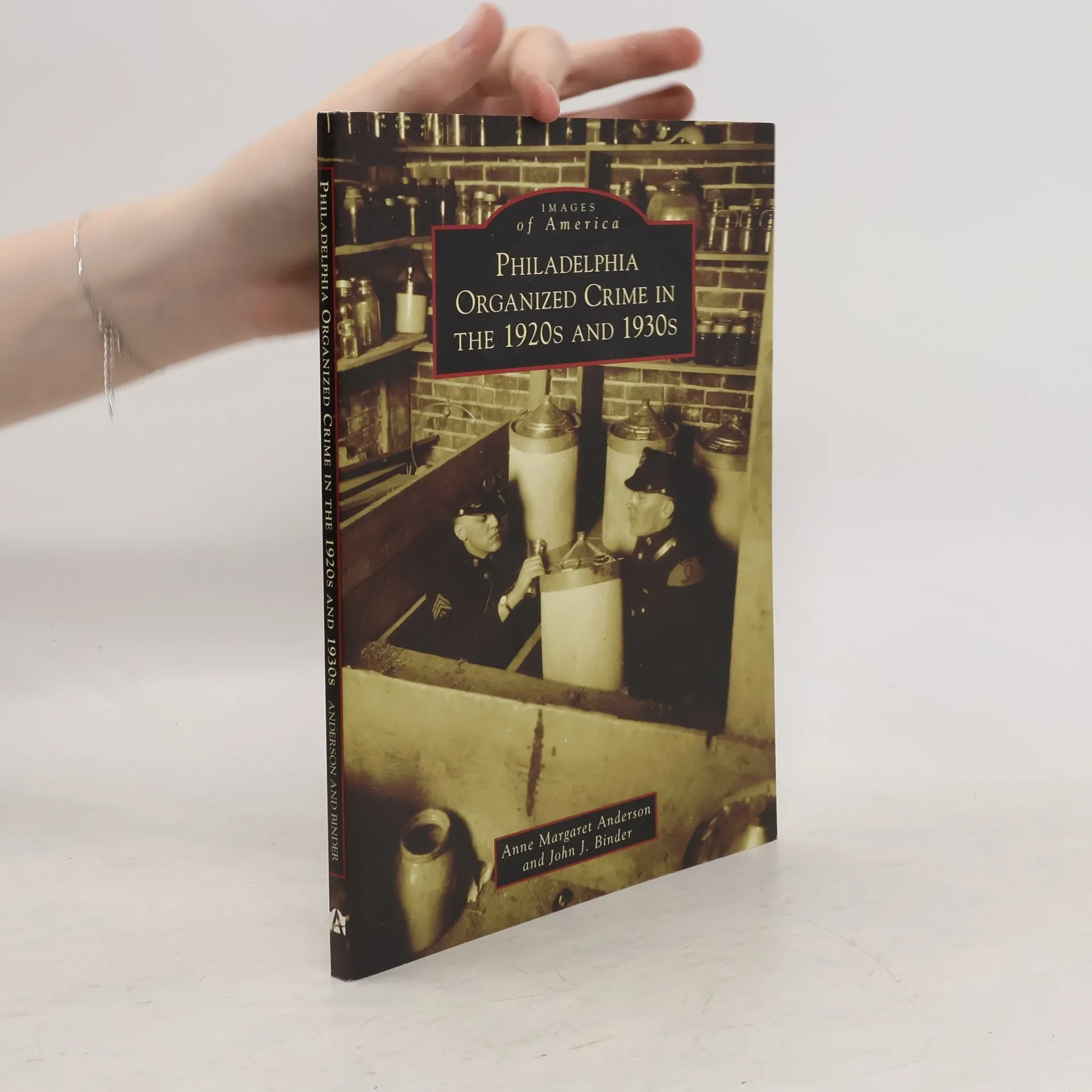
  • Philadelphia Organized Crime in the 1920s and 1930s explores a little-known but spirited chapter of the Quaker City's history. The hoodlums, hucksters, and racketeers of Prohibition-era Philadelphia sold bootleg booze, peddled illicit drugs, ran numbers, and operated prostitution and insurance rings. Among the fascinating personalities that created and contributed to the Philadelphia crime scene of the 1920s and 1930s were empire builders like Mickey Duffy, known as "Prohibition's Mr. Big," and Max "Boo Boo" Hoff, dubbed the "King of the Bootleggers"; the violent Lanzetti brothers, who ran their own illegal enterprise; mobster Harry "Nig Rosen" Stromberg, a New York transplant; and the arsenic widows poison ring, which specialized in fraud and murder. Bringing to light rare photographs and forgotten characters, the authors chronicle the underworld of Philadelphia in the interwar era. The upheaval caused by the gangs and groups herein mirrors the frenzied cultural and political shifts of the Roaring Twenties and the austere 1930s.

    Philadelphia Organized Crime in the 1920s and 1930s
    3,4
  • The National Road in Pennsylvania serves as a rich tapestry of American history, tracing its origins from Native American trails to a vital military and expansion route. Built in the early 1800s, it became the first federally constructed road and is now recognized as a National Scenic Byway. The route features significant historical landmarks, including the site of George Washington's early military defeat, David Bradford's home from the Whiskey Rebellion, and the first cast-iron bridge in America. It showcases toll houses, coal mines, and memorials, encapsulating the region's diverse heritage.

    The National Road in Pennsylvania
    4,2
  • Farrell

    • 130 stránek
    • 5 hodin čtení

    Set in the vibrant town of Farrell, established in 1912 and known as "The Magic City," the narrative explores its transformation from swampy woodlands to a bustling hub of culture and community. With a diverse population of Southern and Eastern European emigrants, Farrell boasted a unique blend of nationalist churches and independent businesses. By the mid-20th century, it gained recognition for its sports achievements and artistic representation. Despite challenges like mill closures, the town evolved, featuring its own library and hospital by the 1990s.

    Farrell
    4,0
  • Meadville, settled by David Mead in 1788, was established 100 miles from Pittsburgh and Buffalo in the French Creek Valley of northwest Pennsylvania. The city's population grew from 500 in 1810 to more than 10,000 at the end of the 20th century. The construction of residential, institutional, commercial, and industrial buildings burgeoned, and the diverse cultural heritage of the residents dictated a wide variety of architecture. Meadville's Architectural Heritage captures how the citizens of Meadville have retained portions of the grand architecture and have continued efforts to find new uses and functions for many historic buildings.

    Meadville's Architectural Heritage
    3,0
  • Around Selinsgrove

    • 130 stránek
    • 5 hodin čtení

    The book highlights Selinsgrove's rich history and unique identity, shaped by its establishment as a coeducational college and its role in the flour trade before the Pennsylvania Canal. It showcases the town's recreational heritage, including the popular Rolling Green Park and the renowned Selinsgrove Speedway. Through over 200 photographs, many unpublished, it captures the individuals and events that have defined the community, offering a visual journey through Selinsgrove's past and its significance along the Susquehanna River.

    Around Selinsgrove
  • Established by German immigrants in the early 19th century, the Jewish community of Greater Harrisburg flourished, growing to 600 residents by the century's end. Its civic engagement surpassed that of similar settlements, while early 20th-century immigration from Eastern Europe significantly expanded the population and transformed its ethnic landscape. The community developed a wide array of institutions and became a central hub for Jewish life in Pennsylvania, producing notable figures in Jewish affairs, business, and the arts.

    Greater Harrisburg's Jewish Community
  • Focusing on the Landis family's duality as both typical Pennsylvania Germans and cultural pioneers, this book chronicles their life in Lancaster County from the 18th century. Henry Harrison and Emma Caroline Landis raised their children in a cross-cultural setting, fostering an appreciation for Mennonite and Reformed traditions. Through historic photographs, many previously unpublished, the narrative showcases their contributions to American culture and documents their family life, customs, and agricultural practices, enriching the understanding of Pennsylvania German heritage.

    The Landis Family: A Pennsylvania German Family Album
    4,0