

Knihobot

Pensylvánské studie o lidských právech

Tato série se ponořuje do komplexního světa lidských práv z různých úhlů pohledu. Zkoumá historické, filozofické a právní základy těchto práv. Čtenáři se mohou těšit na hluboké analýzy současných výzev a budoucích směrů v ochraně lidských práv po celém světě.

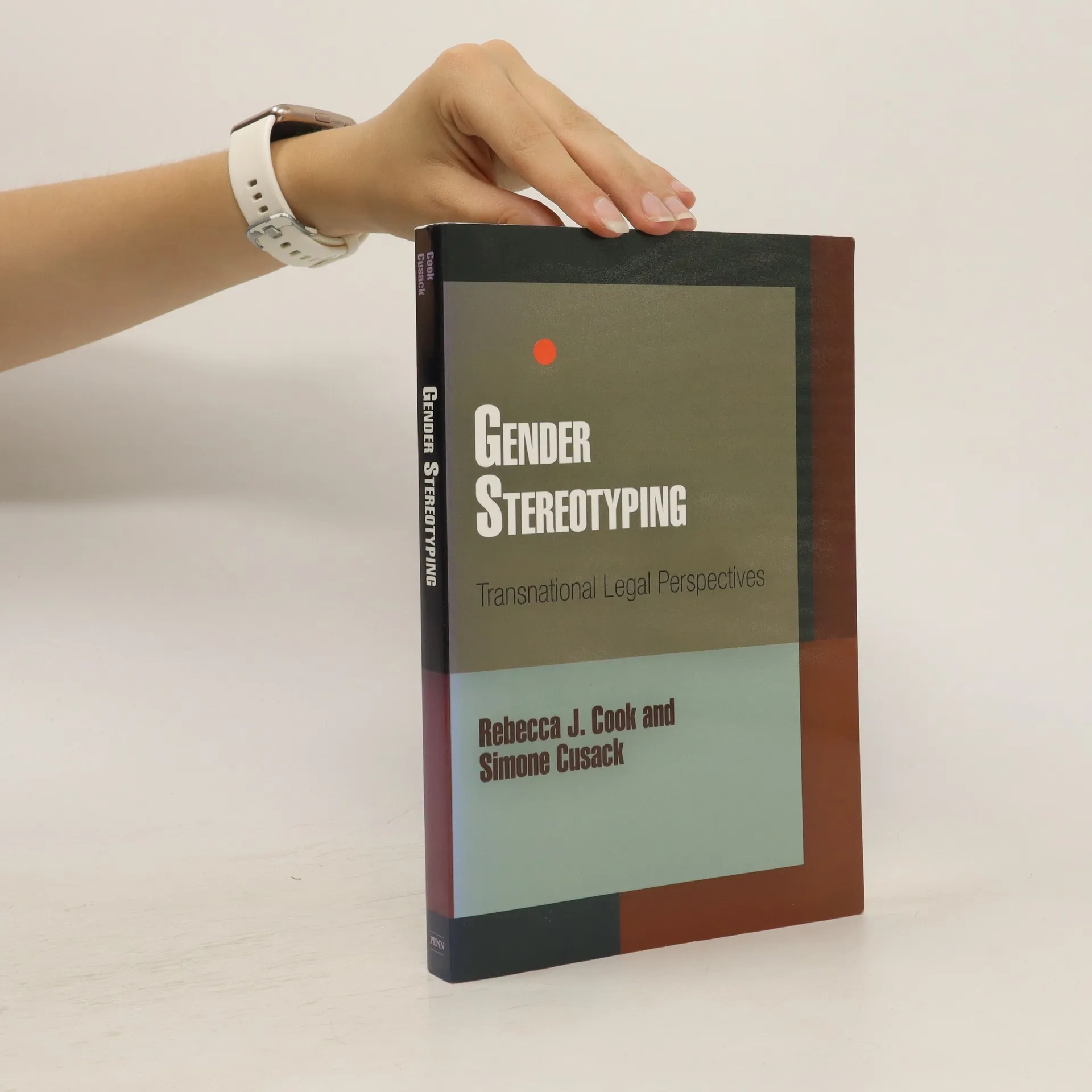
Gender Stereotyping
How to accept German reparations
Clan Cleansing in Somalia
For the Love of Humanity
  • For the Love of Humanity

    • 240 stránek
    • 9 hodin čtení

    Based on two years of fieldwork with the transnational network of antiwar activists who constituted the World Tribunal on Iraq, For the Love of Humanity addresses the contemporary challenges and ambiguities of forging global solidarity through an anti-imperialist politics of human rights and international law.

    For the Love of Humanity
  • Clan Cleansing in Somalia

    • 320 stránek
    • 12 hodin čtení

    Clan Cleansing in Somalia deals with the transformative violence that helped cause the collapse of the Somali state in 1991. Kapteijns argues that public acknowledgment of the clan cleansing of this period is indispensable to social and moral repair and to the critical memory work required from Somalis on all sides of this conflict.

    Clan Cleansing in Somalia
    3,9
  • In a landmark process that transformed global reparations after the Holocaust, Germany established the largest redress program in history, exceeding $60 billion. This initiative highlights how material acknowledgment of human rights violations can validate victims' experiences. However, it raises challenging questions about measuring suffering and loss: What is the worth of a life? What types of violence warrant compensation? Susan Slyomovics examines various compensation programs through anthropological and human rights perspectives, questioning the disparities between German reparations and French restitution for Algerian Jews during the Vichy era. She also explores whether colonial crimes deserve reparations and how these models might relate to the contemporary Israel-Palestine conflict. Drawing on her family's history—her grandmother and mother, both Czechoslovakian Jews who survived Auschwitz, Plaszow, and Markkleeberg—Slyomovics notes their differing views on applying for post-World War II Wiedergutmachung programs. She argues that the legacies of German reparations can inform future reparative approaches, prompting an investigation into the complex legal, ethnographic, and personal dilemmas that reparations inherently present.

    How to accept German reparations
  • Drawing on domestic and international law, as well as on judgments given by courts and human rights treaty bodies, Gender Stereotyping offers perspectives on how wrongful gender stereotypes can be effectively eliminated through the transnational legal process in order to ensure women's equality and exercise of their human rights.

    Gender Stereotyping