Modern Challenges to Islamic Law
- 324 stránek
- 12 hodin čtení
This book offers unique insights into Islamic law, considering its theoretical perspectives alongside its practical application in daily Muslim life.
Tato edice zkoumá právo nejen jako soubor pravidel, ale také v širším společenském, kulturním a politickém rámci. Nabízí inovativní pohledy a kritické analýzy právních jevů, které využívají poznatky z různých humanitních a sociálních věd. Cílem je hlubší pochopení fungování práva v reálném světě, které přesahuje pouhý výklad zákonů. Publikace zahrnují originální výzkumy i učebnice zaměřené na tyto interdisciplinární přístupy.


This book offers unique insights into Islamic law, considering its theoretical perspectives alongside its practical application in daily Muslim life.
Always the serious student's choice of a Trusts Law textbook, this new edition once again provides a clear examination of the rules in the detail required by the advanced undergraduate. This fifth edition retains its hallmark combination of a contextualized approach and a commercial focus. The authors' commentary has been increased throughout this new edition whilst the fresh design clearly highlights the cases and materials extracts. Recent statutory developments, such as the Charities Act 2006, and the impact of a wealth of new cases are explored, the examination of the law of trusts and taxation is restructured and comparative examples help students understand the new directions being taken in the areas of trust law and equitable remedies. Trusts Law brings a modern perspective to a subject often perceived as traditional, with suggestions for further reading guiding the student to contemporary debates.
Provides unique insight into debates in the field of human rights around how to address violent and traumatic pasts, reconcile divided nations, and strengthen state institutions in the aftermath of conflict; making it of interest to policy-makers, practitioners, and scholars of transitional justice, International Relations, and art theory.
This text offers the definitive examination of criminal law in context. Exploring the philosophical, social and political environment in which it operates, it gives the student the most complete picture available. With relevant case law and material integrated throughout, it is simply essential reading for students of criminal law.
This book studies the rise of access and the effect of the sharing economy on property as a social and legal institution. It will benefit academics, students, policymakers and practitioners interested in the sharing economy, property, legal theory, and more broadly, internet and society, market economy, and law and society.
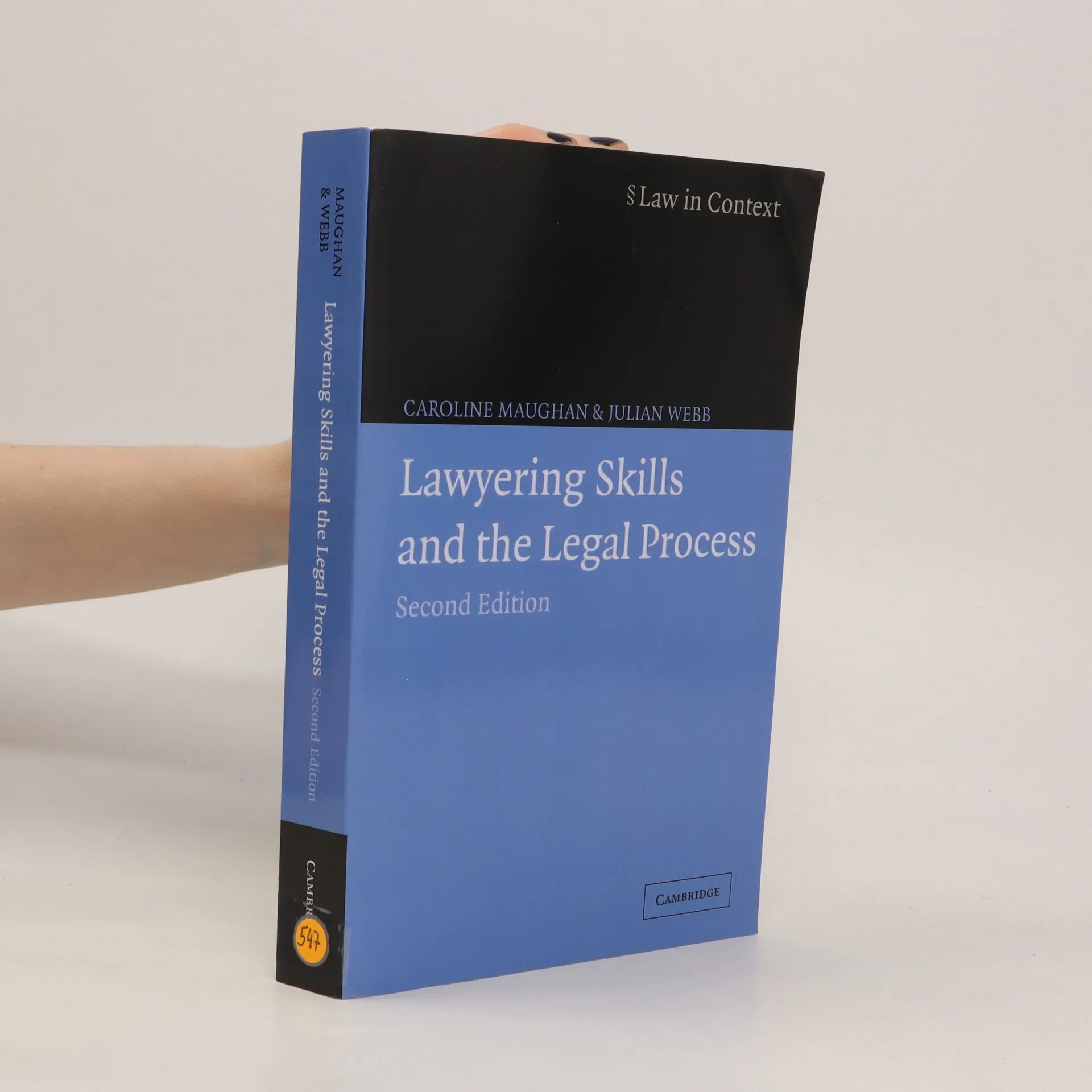
This book develops students' understanding and practice of client interviewing, writing and drafting, negotiation and advocacy in the context of extensive research in the legal profession and the civil and criminal justice systems. It emphasizes the extent to which lawyering is a dynamic process, determined by a variety of legal, business and ethical considerations. It encourages students to develop a critical and reflective approach geared to developing their abilities to manage this dynamic environment.
The book critiques the perspective of law as merely a tool for achieving specific goals, highlighting the inherent issues this viewpoint creates. It explores the implications of such an approach on legal interpretation and practice, emphasizing the need for a more nuanced understanding of law's role in society. Through various arguments and examples, it challenges readers to reconsider the foundational principles of legal systems and their impact on justice and morality.
The third edition offers a comprehensive introduction to the historical development and institutional framework of European Union law. It delves into the evolution of legal principles and the structure of EU institutions, providing readers with a thorough understanding of how EU law operates within the broader context of European governance. This edition includes updated content reflecting recent legal developments, making it an essential resource for students and professionals interested in EU law.
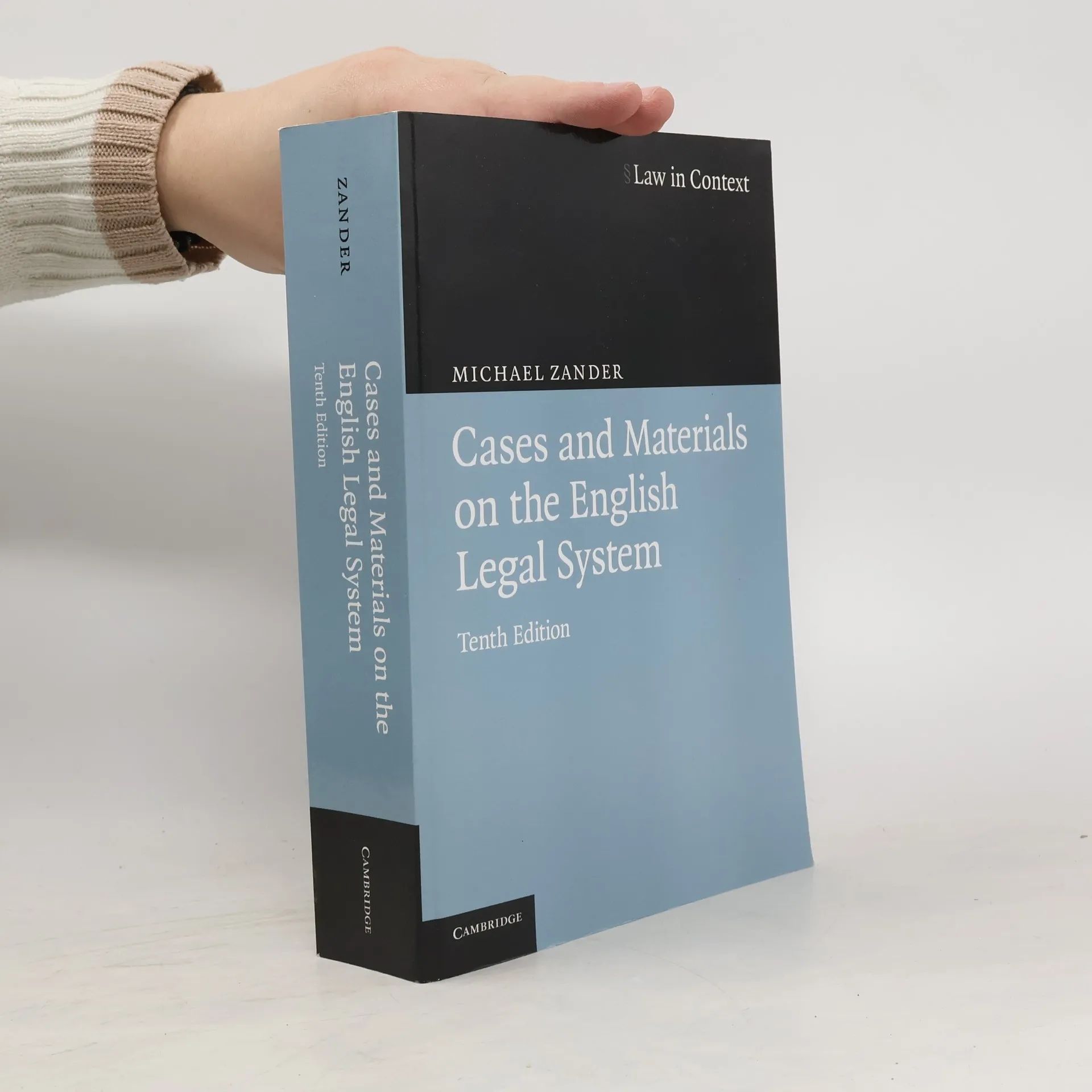
The book offers a comprehensive exploration of the English legal system, utilizing diverse materials alongside Michael Zander's expert commentary. It delves into the system's operations, identifies existing challenges, and discusses proposed reforms, making it a valuable resource for anyone seeking to understand the intricacies and current issues within English law.
This intellectual biography delves into the life and contributions of Karl Llewellyn, a significant figure in legal realism. Originally published in 1973, it provides insights into his theories and impact on legal thought. The book features a preface by Frederick Schauer, offering contemporary context, and an afterword by William Twining, reflecting on Llewellyn's legacy. Through its exploration of his ideas, the biography highlights the evolution of legal philosophy and Llewellyn's role in shaping it.
Previous editions of this text have consistently been a favourite amongst common law lawyers. This new edition has been brought fully up to date and will be of interest to those studying 'advanced' obligations/common law modules. Undergraduates who study contract courses with a strong socio-legal tradition will also find this text invaluable as it uniquely grounds the nature of contract law in its social and political context.
Addressing the challenges of globalization, this book examines how traditional Anglo-American legal theory can adapt to a rapidly changing world. Through critical essays on influential legal theorists and concepts like legal pluralism and post-modernism, it explores the implications of law beyond the nation-state and the complexities of global legal ordering. Key questions about morality, the nature of legal systems, and the relationship between globalization and post-modernism are posed, culminating in innovative proposals for revitalizing jurisprudence and comparative law.
Comparative Law offers a thorough grounding in the subject for students and scholars of comparative law alike, critically debating both traditional and modern approaches to the subject and using examples from a range of legal systems gives the reader a truly global perspective. Covering essential academic debates and comparative law methodology, its contextualised approach draws on examples from politics, economics and development studies to provide an original contribution to topics of comparative law. This new edition: is fully revised and updated throughout to reflect contemporary research, contains more examples from many areas of law and there is also an increased discussion of the relevance of regional, international, transnational and global laws for comparative law. Suitable for students taking courses in comparative law and related fields, this book offers a fresh contextualised and cosmopolitan perspective on the subject.
A major restructuring of the material, as well as a complete content updating to 2006.