
Knihobot

Příběh kamene

Tato epická sága, považovaná za vrchol čínské klasické literatury, se ponořuje do vzestupů a pádů rozsáhlé a vlivné šlechtické rodiny v 18. století. Román mistrně zachycuje složitou síť mezilidských vztahů, lásky, tragédie a politických intrik. Jeho bohaté vyprávění a hluboké psychologické vhledy nabízejí podmanivý portrét života a společnosti v období dynastie Čching.

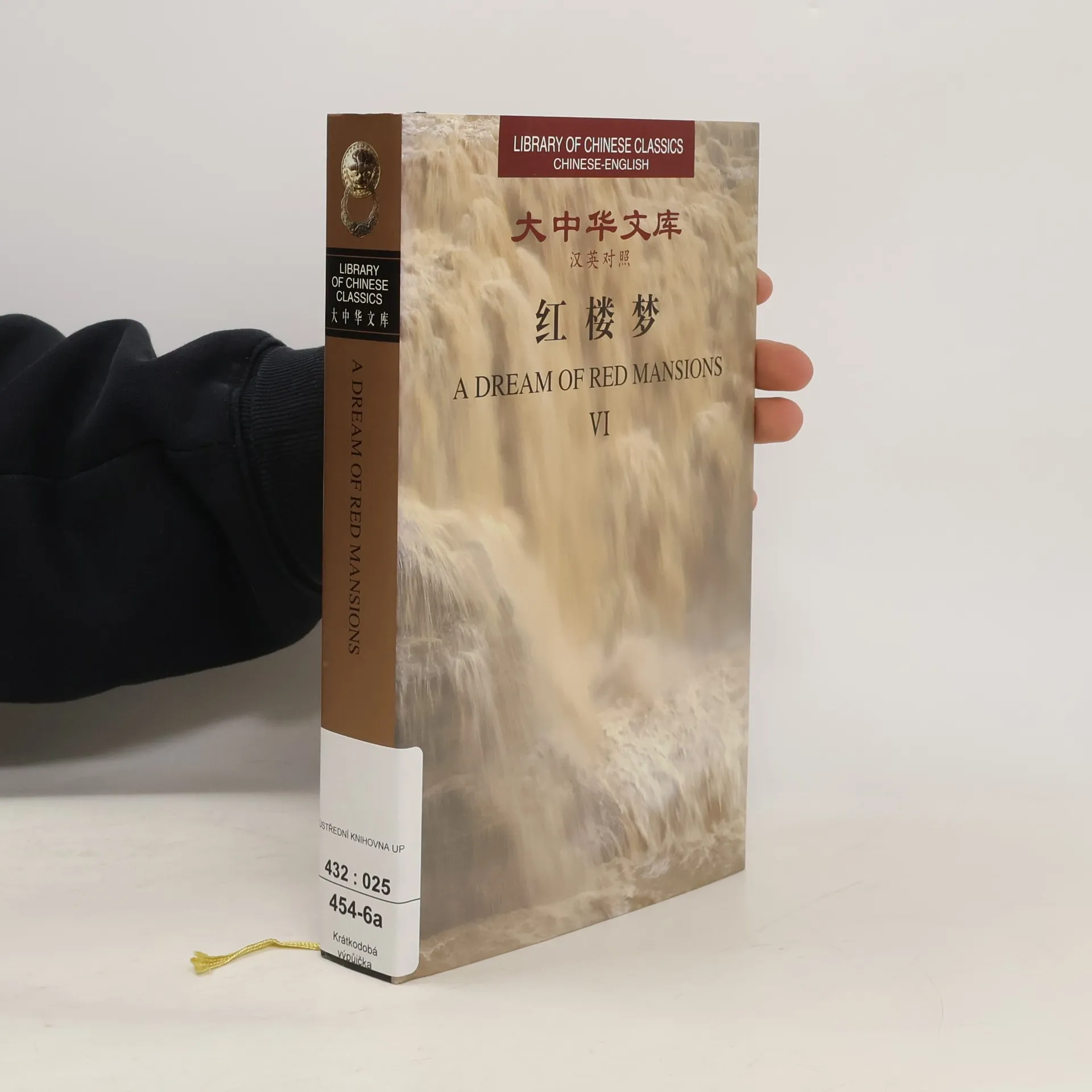
Library of Chinese Classics - 6: A Dream of Red Mansions
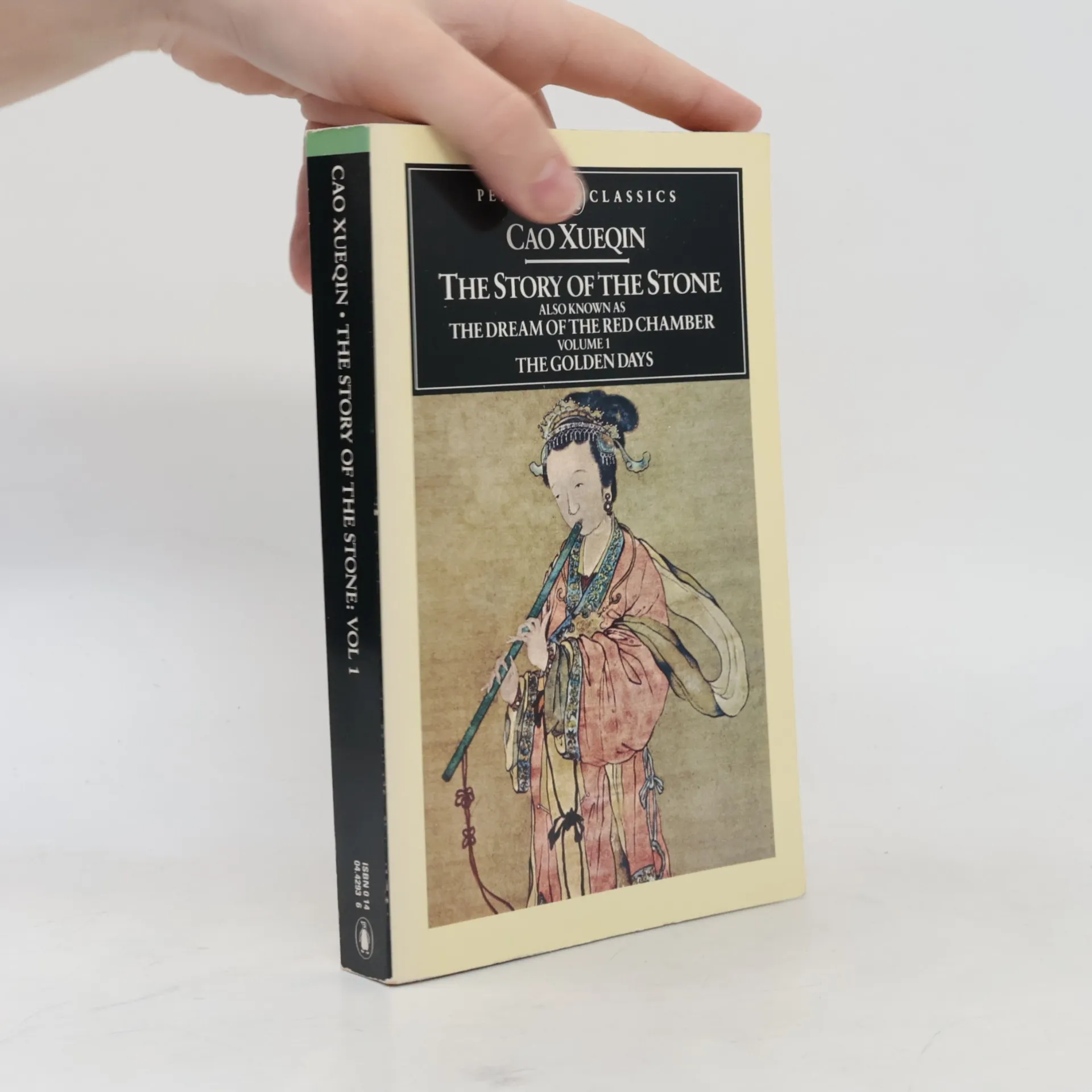
The story of the stone. Vol. 1, The golden days

Doporučené pořadí čtení

  1. "The Story of the Stone" (c. 1760) is one of the greatest novels of Chinese literature. The first part of the story, The Golden Days, begins the tale of Bao-yu, a gentle young boy who prefers girls to Confucian studies, and his two cousins: Bao-chai, his parents' choice of a wife for him, and the ethereal beauty Dai-yu. Through the changing fortunes of the Jia family, this rich, magical work sets worldly events - love affairs, sibling rivalries, political intrigues, even murder - within the context of the Buddhist understanding that earthly existence is an illusion and karma determines the shape of our lives.

    The story of the stone. Vol. 1, The golden days1
    4,2

Související knihy

  • Also known as Hong Lou Meng, this work is considered China's greatest literary masterpiece, chronicling a noble family's life in the eighteenth century. Amidst the splendor of enchanting gardens and pleasure pavilions lies a deeper narrative of decay and self-destruction. The author, Cao Xueqin (1715? - 1763?), originally named Zhan, adopted the style name Mengruan. He was also known as Xueqin, Qinpu, or Qinxi. His family hailed from what is now Liaoyang City in Northeast China and had been integrated into the Manchu Right White Banner. For around 60 years, his ancestors held the position of Textile Commissioner in Jiangning (modern-day Nanjing). Cao Xueqin's great grandmother was a nursemaid to the future Kangxi emperor, who later honored the family. However, after the Yongzhen emperor's ascension, Cao Xueqin's father, Cao Fu, faced disgrace and the family's fortunes dwindled, leading them to Beijing. Once accustomed to luxury, Cao Xueqin experienced poverty firsthand, ultimately living in a modest hovel on the outskirts of the capital. The death of his young son in 1762 profoundly affected him, and he never fully recovered. He passed away on February 12, 1763.

    Library of Chinese Classics - 6: A Dream of Red Mansions
    4,7