Knihobot

Příběh prince Genžiho

Ponořte se do světa japonské aristokracie, kde se proplétají romance, intriky a dvorský život. Tento epický příběh sleduje životní pouť legendárního prince a jeho nespočetných milostných vztahů. Odhaluje složitost lidských emocí a hledání krásy v pomíjivém světě. Dlouhá, ale poutavá sága o lásce, ztrátě a hledání smyslu života.

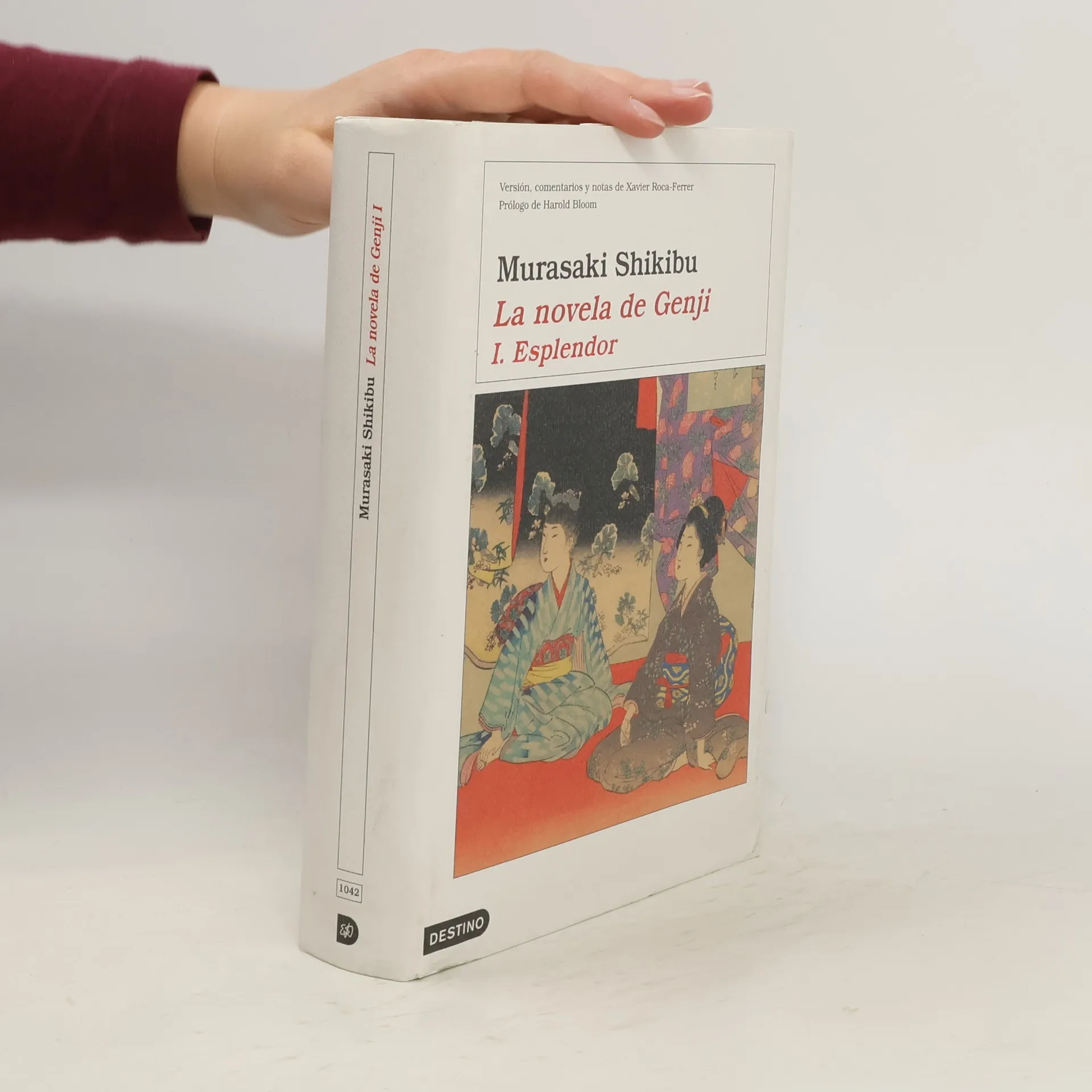
La novela de Genji I.
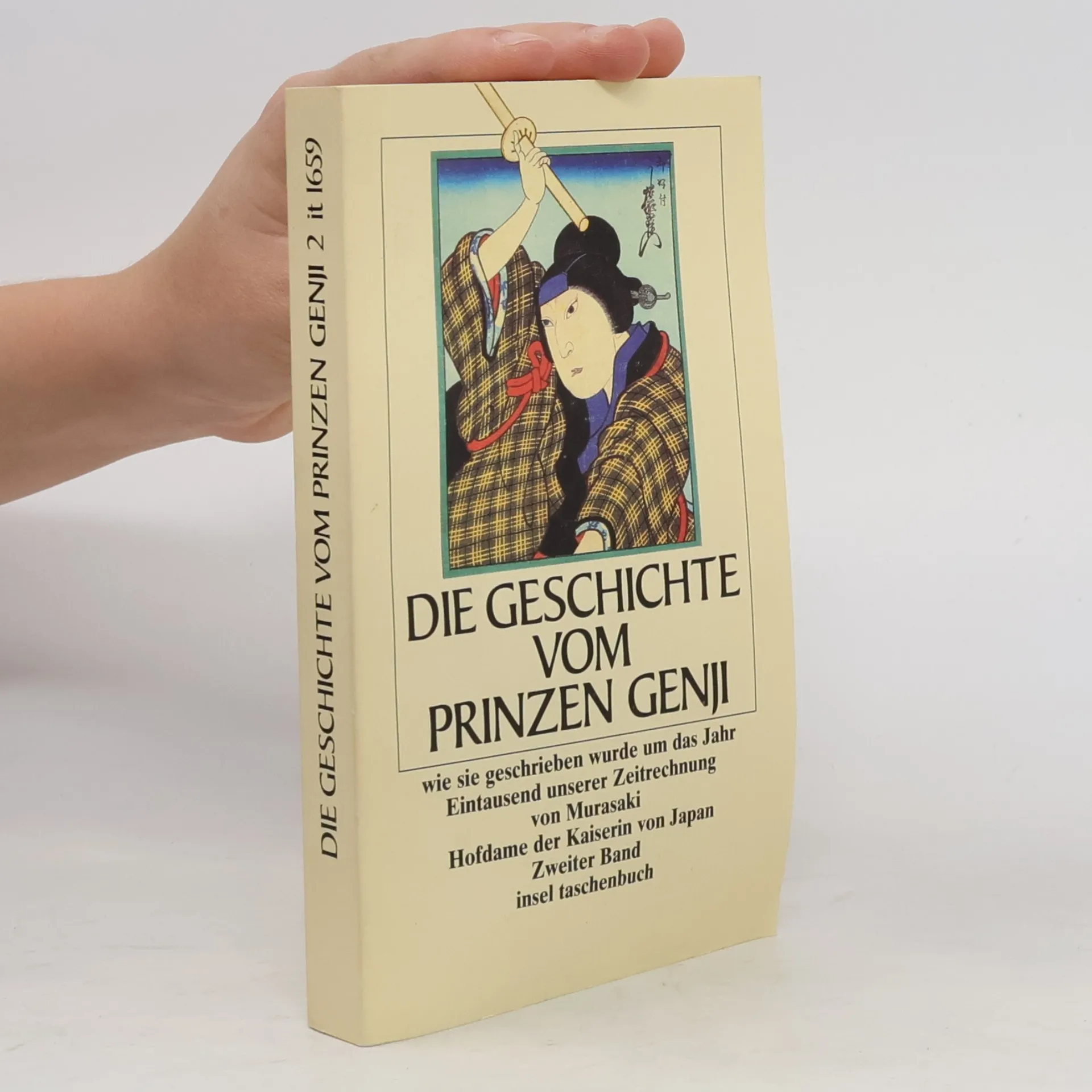
Die Geschichte vom Prinzen Genji. Altjapanischer Liebesroman
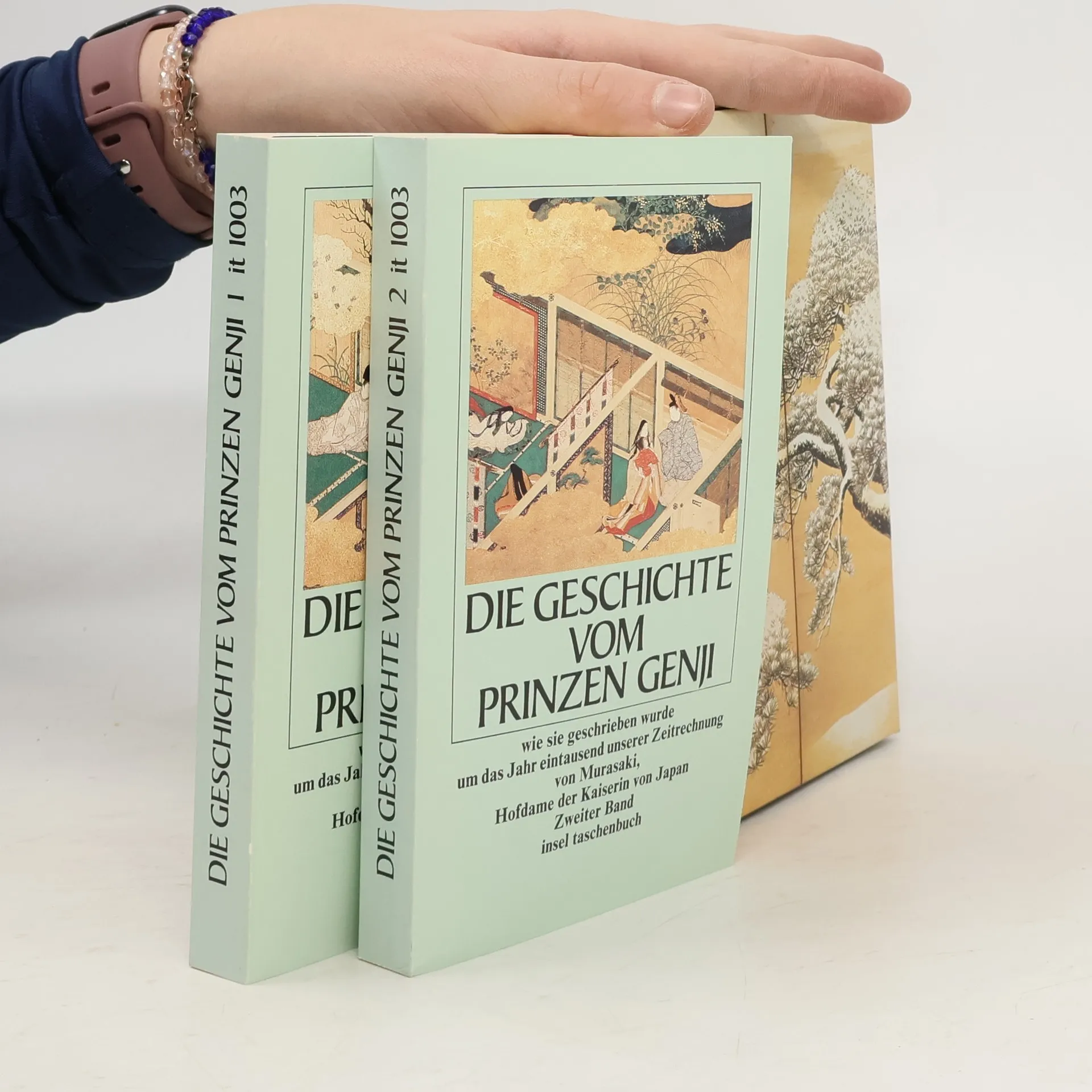
Die Geschichte vom Prinzen Genji, 2 Bde.. Wie sie geschrieben wurde um das Jahr eintausend unserer Zeitrechnung
Die Geschichte vom Prinzen Genji, 2 Bde.
The Tale of Genji
The Tale of Genji
  • The Tale of Genji Monogatari? is a classic work of Japanese literature attributed to the Japanese noblewoman Murasaki Shikibu in the early eleventh century, around the peak of the Heian Period. It is sometimes called the world's first novel, the first modern novel.

    The Tale of Genji
    3,4
  • The Tale of Genji

    • 1090 stránek
    • 39 hodin čtení

    In the eleventh century Murasaki Shikibu, a lady in the Heian court of Japan, wrote the world's first novel. But The Tale of Genji is no mere artifact. It is, rather, a lively and astonishingly nuanced portrait of a refined society where every dalliance is an act of political consequence, a play of characters whose inner lives are as rich and changeable as those imagined by Proust. Chief of these is "the shining Genji," the son of the emperor and a man whose passionate impulses create great turmoil in his world and very nearly destroy him. This edition, recognized as the finest version in English, contains a dozen chapters from early in the book, carefully chosen by the translator, Edward G. Seidensticker, with an introduction explaining the selection. It is illustrated throughout with woodcuts from a seventeenth-century edition.

    The Tale of Genji
    3,7
  • Das Genji-Monogatari ist das älteste und bedeutendste Werk der japanischen Frauenromane. Zugleich gilt es als ältester Roman der Weltliteratur überhaupt. Es entstand zwischen 1004 und 1011, als seine Verfasserin als Hofdame in den Diensten der Kaiserin Akiko stand. Als Meisterin einer leicht hinfließenden Prosa versteht sie es, die Bildhaftigkeit der Sprache zu nutzen, um die Liebeserlebnisse des Prinzen Genji zu beschreiben. Wie in einem Nô-Schauspiel treten die Personen der Handlung klar akzentuiert in ihren Wesenszügen vor dem Hintergrund einer sich immer wieder wandelnden Natur auf.

    Die Geschichte vom Prinzen Genji, 2 Bde.
    4,2
  • „Die Geschichte vom Prinzen Genji“ ist ein zeitloses Meisterwerk, das die Liebesabenteuer des Prinzen und das Leben am kaiserlichen Hof der Heian-Zeit schildert. Mit psychologischer Tiefe und sprachlicher Eleganz erzählt es von Genjis Einfühlsamkeit und seinem Umgang mit Machtintrigen. Der Manesse Verlag bringt die vollständige Übersetzung von Oscar Benl in prachtvoller Ausstattung heraus.

    Die Geschichte vom Prinzen Genji. Altjapanischer Liebesroman
    3,3
  • La novela de Genji I.

    • 930 stránek
    • 33 hodin čtení

    Escrita por una mujer del refinado Japón imperial de la segunda mitad del siglo X, la novela es una obra magna fascinante, a la altura de Quijote, Guerra y paz o Hamlet. La historia de Genji se esparce por más de medio siglo, con infinidad de personajes y de aventuras, muchas galantes, en que el protagonista, hijo del emperador a quien han alejado del poder desde su infancia, pugna por recuperar sus derechos. Una vida de éxitos y fracasos, de maquinaciones de poder y de erotismo que llenan el clásico más notable de cuantos quedaban por traducir a nuestra lengua.

    La novela de Genji I.
    4,1
  • "The Tale of Genji" by Lady Muraski is one of the world's most influential novels. As the first psychological novel, "The Tale of Genji" delves into the motivations and thoughts of the main characters, which had never been done in previous novels. The famous Japanese story is about Genji, the son of an emperor. When his mother died, Genji's father married another woman who greatly resembled Genji's mother. However, Genji fell in love with his new stepmother, causing problems between him and his own wife. He pursues a number of affairs, and is eventually exiled from the Capitol to a small, rural town. While Lady Murasaki did not base "The Tale of Genji" on a true story, she was inspired by a Minister in the royal court. She wrote the story in small installments for the ladies of the court, which might explain why the story was never "finished;" Lady Murasaki intended to keep the stories going as long as she possibly could. She also created some of the most memorable female characters in literature. As such, "The Tale of Genji" is widely considered to be one of the greatest works in the Japanese literature canon, as well as one of the most influential works of storytelling. Contained in this volume is the abridged translation of Suematsu Kencho.

    The Tale of Genji (Abridged)
    4,0
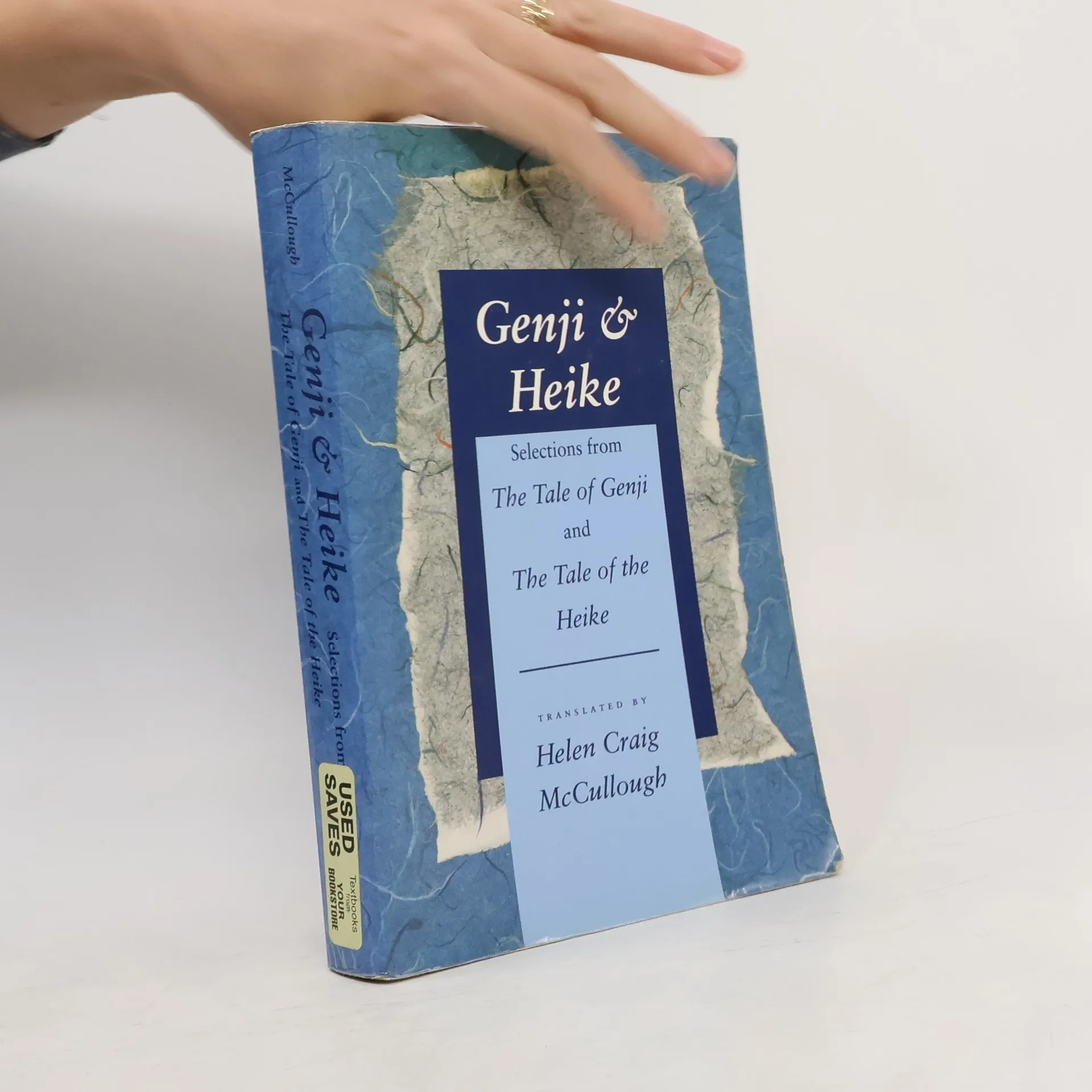
  • Genji & Heike

    Selections from The Tale of Genji and The Tale of the Heike

    • 500 stránek
    • 18 hodin čtení

    The Tale of Genji and The Tale of the Heike are two seminal works of classical Japanese prose. This abridged edition offers a one-volume selection suitable for survey courses in classical Japanese literature or world literature, as well as for general readers intimidated by the complete texts. The translator has chosen representative excerpts to create coherent and aesthetically pleasing narratives. Often regarded as the world's first novel, The Tale of Genji, by Murasaki Shikibu, poetically captures the aristocratic life of eleventh-century Japan, a time of rich cultural development. This translation emphasizes key events in Genji's life, particularly his profound relationship with Murasaki, and includes significant portions from 10 of the 41 chapters, notably the "Broom Tree" chapter, which encapsulates the book's central themes. Conversely, The Tale of the Heike portrays the late twelfth-century political machinations and battles that led to the decline of the Kyoto court and the rise of the Minamoto (Genji) clan's military government. Its theme of the impermanence of worldly affairs resonates with Genji, yet its oral composition and vigorous language starkly contrast with Genji's elegant tone. The selections from Heike comprise about 40 percent of the work and are drawn from a celebrated complete edition. To aid readers, the translator has included introductions, headnote summaries, and supplementary materials, along wi

    Genji & Heike
    3,6