This book offers an accessible account of the neuroscience behind suicidal behavior and its potential for prevention. Neuroscience opens up opportunities to dispel myths that continue to hinder suicide prevention by helping people to understand suicide and providing effective prevention methods.
Základy neurovědy v psychologii Cambridge Série
Tato série představuje základní principy neurovědy srozumitelnou formou pro studenty i širší publikum. Každý svazek se zaměřuje na klíčové oblasti neurovědeckého výzkumu v hlavních oblastech psychologie. Autoři, přední odborníci na kognitivní, sociální, afektivní, vývojovou, klinickou a aplikovanou neurovědu, nabízejí ideální úvod do komplexního světa mozku a chování. Jedná se o vynikající zdroje pro pochopení propojení mezi biologickými procesy a psychologickými jevy.


Doporučené pořadí čtení
The Neuroscience of Creativity
- 386 stránek
- 14 hodin čtení
The Neuroscience of Creativity introduces readers to the fascinating study of creativity and the brain, providing both the tools for further study and an explanation of the latest neuroscientific findings. Directed at a wide readership, it is a helpful guide into creativity research for students, researchers and non-specialists alike.
The Neuroscience of Creativity
- 402 stránek
- 15 hodin čtení
Exploring the functioning of the creative brain, this book delves into various domains including music, literature, visual arts, kinesthetic skills, and science. It offers insights into the processes behind creativity and provides methods for studying these cognitive mechanisms.
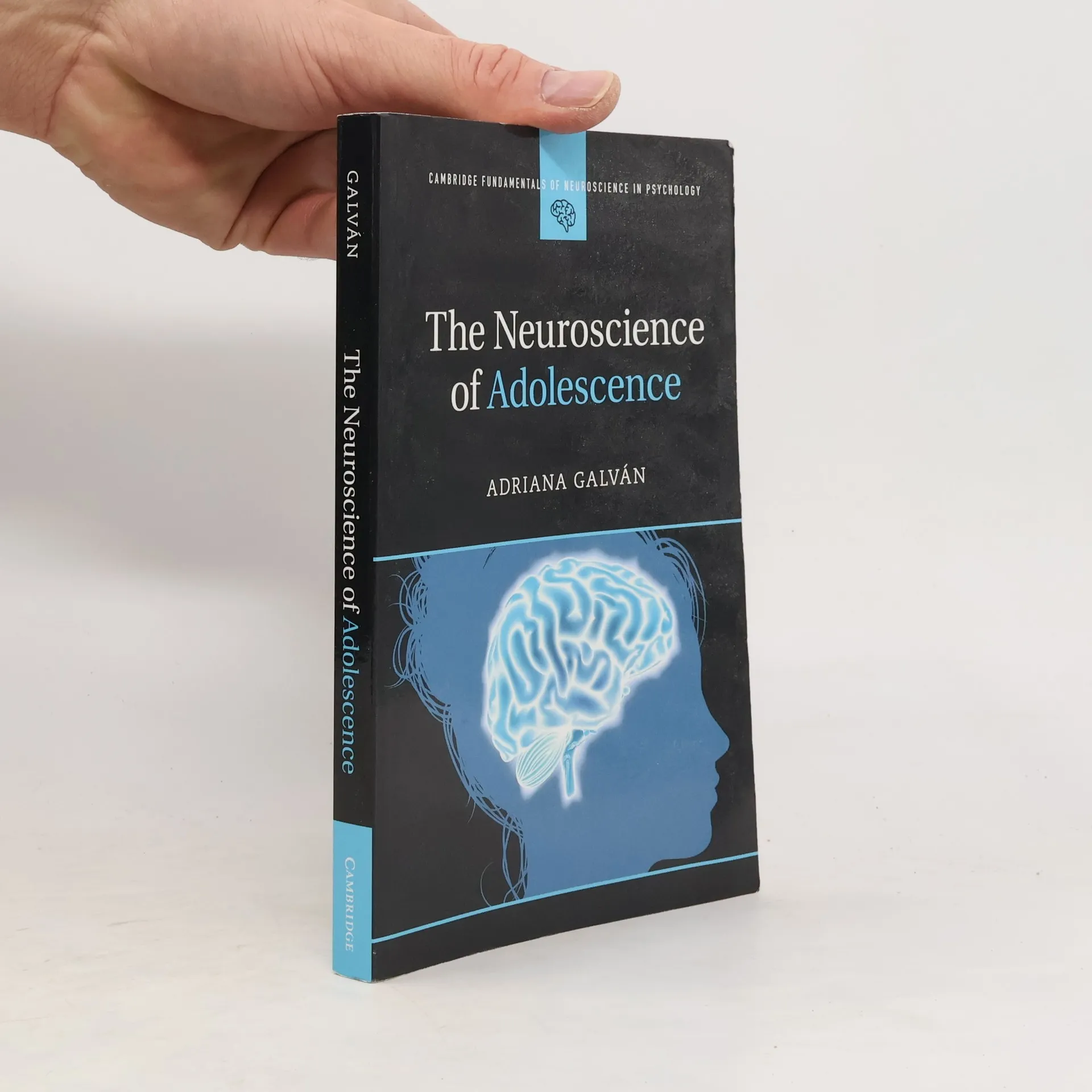
The Neuroscience of Adolescence
- 330 stránek
- 12 hodin čtení
Written by an award-winning developmental neuroscientist, this is a comprehensive and cutting-edge account of the latest research on the adolescent brain.

The Neuroscience of Suicidal Behavior
- 298 stránek
- 11 hodin čtení
Exploring the preventability of suicide, this book delves into neuroscientific research that uncovers critical insights into the underlying mechanisms of suicidal behavior. It challenges prevailing misconceptions and offers evidence-based strategies for intervention, highlighting the role of mental health care and societal support. By emphasizing the importance of understanding the brain's functions and emotional responses, the work aims to foster hope and promote proactive measures to reduce suicide rates.