

Knihobot

Catherine Malabou

    18. červen 1959
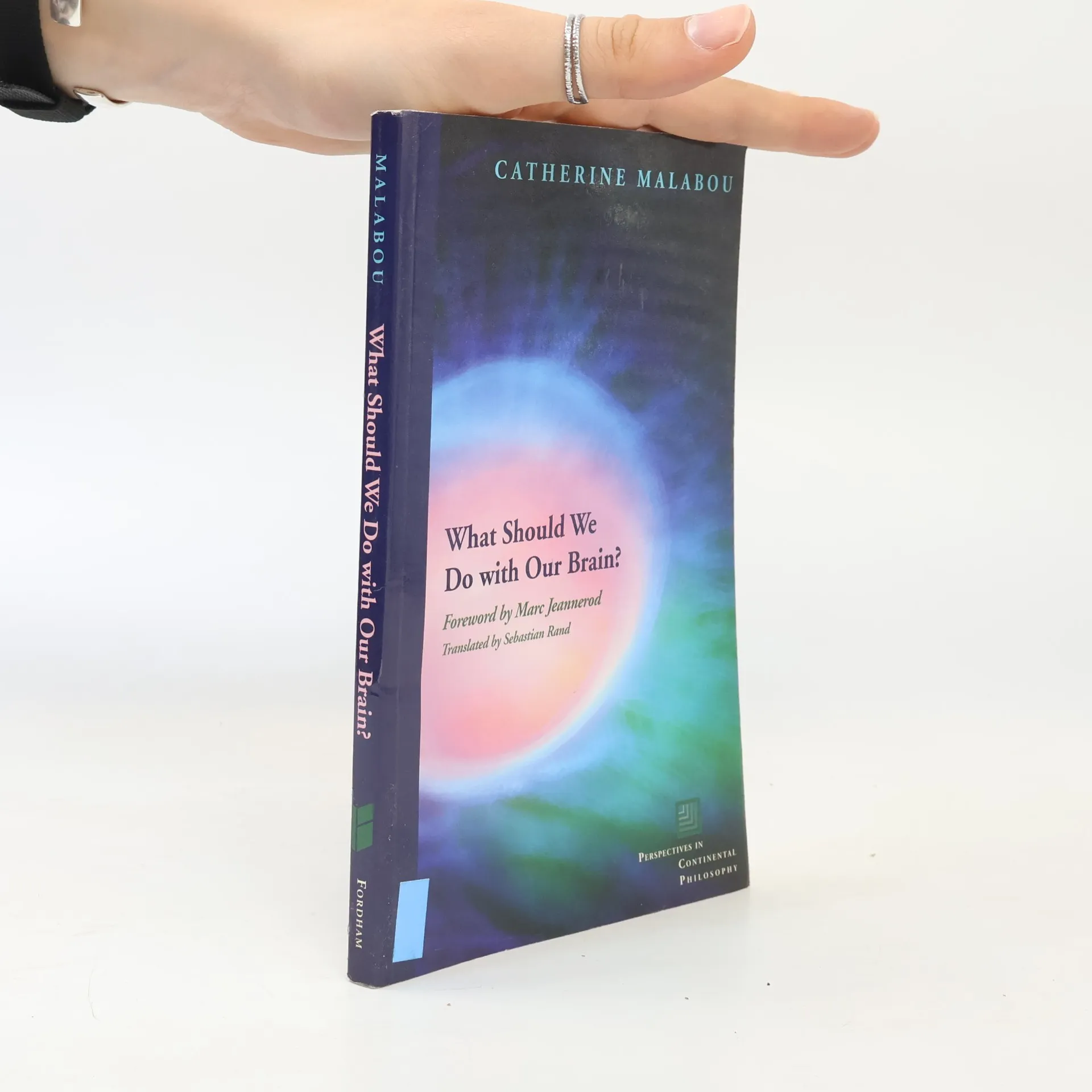
    What Should We Do with Our Brain?
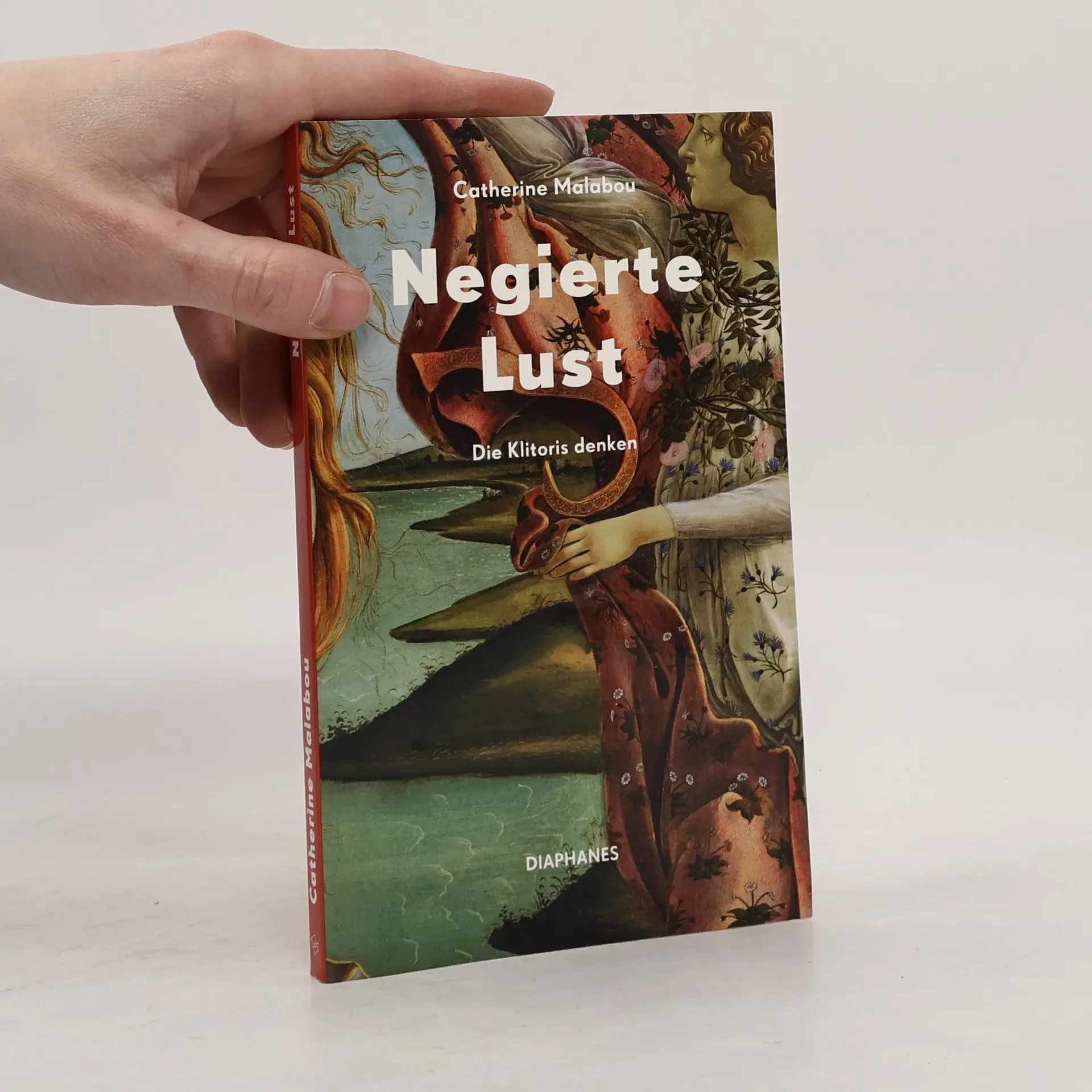
    Pleasure Erased
    Stop Thief!
    Plasticity
    The Future of Hegel
    Neuronální člověk
    • Neuronální člověk

      • 188 stránek
      • 7 hodin čtení

      Catherine Malabou se ve dvou knihách z poloviny nultých let 21. století prostřednictvím pojmu plasticity vyrovnává s filozofickou tradicí, která ji formovala, tím, že ji přepisuje coby proces proměny mezi dialektikou a dekonstrukcí. Současně vedle sebe staví organizaci nervového systému a politickou a sociální organizaci, která podmiňuje lidskou zkušenost a zároveň je jí podmiňována, přičemž rozvíjí radikální pojetí plasticity v její transformativnosti ve snaze vyhnout se jejímu ztotožnění s pouhou flexibilitou a přizpůsobivostí.
      Neuronální člověk
    • The Future of Hegel

      Plasticity, Temporality and Dialectic

      • 290 stránek
      • 11 hodin čtení

      Exploring the impact of Hegel on continental philosophy, this significant work delves into the themes and conclusions drawn by Catherine Malabou. It features a substantial preface by Jacques Derrida, enhancing the reader's understanding of Hegel's relevance today. This edition marks the first English publication, making it an essential resource for those interested in Hegelian thought and its contemporary implications.

      The Future of Hegel
      4,5
    • Plasticity

      • 344 stránek
      • 13 hodin čtení

      25 essays showcase Malabou's rounded philosophical project: 17 previously published and 8 brand new. In them, Malabou carves a philosophical space between structuralism, deconstruction, cognitive psychology, psychoanalysis and speculative realism.

      Plasticity
      4,4
    • Stop Thief!

      • 268 stránek
      • 10 hodin čtení

      "Stop Thief!" critiques contemporary philosophers who borrow from anarchism without embracing it. Catherine Malabou argues for a redefined concept of anarchy, focusing on the "non-governable" as a means to challenge political domination. The book emphasizes anarchism as essential for fostering confidence and survival in today's political landscape.

      Stop Thief!
      4,0
    • Pleasure Erased

      • 150 stránek
      • 6 hodin čtení

      The clitoris was absent in anatomy books, in paintings and sculptures, absent in spirit and even body; it has long been the organ of erased pleasure. We assume that this oversight has been repaired in our times: today, the clitoris is not forgotten but honoured. Conferences, books, manifestos, works of art are all devoted to it. The autonomy of clitoral jouissance is recognized. The boundaries of feminism have also moved: queer, intersex and trans approaches claim that the clitoris is perhaps no longer the exclusive preserve of the woman. And yet, there remains a wounded space. Because genital mutilation is still common practice. Because millions of women are still denied pleasure. The clitoris continues to mark the enigmatic space of the feminine. Constrained by the extreme difficulty and the extreme urgency of returning to this scorched earth, it is time to give voice to an organ of pleasure which has still not become an organ of thought.

      Pleasure Erased
      3,9
    • Neuroscience, in replacing the old model of the brain as a single centralized source of control, has emphasized 'plasticity,' the quality by which our brains develop and change throughout the course of our lives. This book develops a radical meaning for plasticity.

      What Should We Do with Our Brain?
      3,9
    • Morphing Intelligence

      • 224 stránek
      • 8 hodin čtení

      Acclaimed philosopher Catherine Malabou traces the modern metamorphoses of intelligence, seeking to understand how neurobiological and neurotechnological advances have transformed our present-day view. She emphasizes the intertwined, networked relationships among the biological, the technological, and the symbolic.

      Morphing Intelligence
      3,6
    • The Ontology of the Accident

      • 112 stránek
      • 4 hodiny čtení

      Catherine Malabou is a rising star of French philosophy and has a high reputation in the English speaking world. This is the second of several books by her that Polity will publish, the first being Changing Difference.

      The Ontology of the Accident
      3,7
    • Derrière la question de l'Être de Martin Heidegger se cache une autre question encore insuffisamment abordée dans la philosophie continentale : le changement. Catherine Malabou, l'une des philosophes contemporaines les plus inventives de France, explore ce sujet dans les écrits de Heidegger à travers les thèmes de la métamorphose, de la migration, de l'échange et de la modification, trouvant et articulant une théorie radicale de la transformabilité ontico-ontologique. Le changement Heidegger esquisse les implications de cette théorie pour un large éventail de problématiques centrales aux sciences humaines : le capitalisme, le don, l'éthique, la souffrance, le biologique, la technologie, l'imagination et le temps.

      Le change Heidegger
      4,2
    • Ce livre restaure les concepts riches et complexes de Hegel sur le temps et la temporalité dans la philosophie contemporaine. Il examine son concept de temps, le reliant à des thèmes permanents de la philosophie tels que la substance, l'accident et l'identité du sujet. Catherine Malabou contraste également son interprétation de la temporalité hégélienne avec celle donnée par Heidegger, soutenant que c'est le concept de 'plasticité' qui décrit le mieux la théorie de la temporalité de Hegel. L'avenir est compris non seulement comme un moment dans le temps, mais comme quelque chose de malléable et constamment ouvert au changement à travers notre interprétation. Le livre développe également la préoccupation de Hegel pour l'histoire de la pensée grecque et du christianisme et explore le rôle de la théologie dans sa pensée. Lecture essentielle pour ceux qui s'intéressent à Hegel et à la philosophie continentale contemporaine, ce livre est également fascinant pour ceux intéressés par les idées de Heidegger et Derrida.

      L' avenir de Hegel