"Stop Thief!" critiques contemporary philosophers who borrow from anarchism without embracing it. Catherine Malabou argues for a redefined concept of anarchy, focusing on the "non-governable" as a means to challenge political domination. The book emphasizes anarchism as essential for fostering confidence and survival in today's political landscape.
Catherine Malabou Pořadí knih


- 2023
- 2022
25 essays showcase Malabou's rounded philosophical project: 17 previously published and 8 brand new. In them, Malabou carves a philosophical space between structuralism, deconstruction, cognitive psychology, psychoanalysis and speculative realism.
- 2022
Pleasure Erased
- 150 stránek
- 6 hodin čtení
The clitoris was absent in anatomy books, in paintings and sculptures, absent in spirit and even body; it has long been the organ of erased pleasure. We assume that this oversight has been repaired in our times: today, the clitoris is not forgotten but honoured. Conferences, books, manifestos, works of art are all devoted to it. The autonomy of clitoral jouissance is recognized. The boundaries of feminism have also moved: queer, intersex and trans approaches claim that the clitoris is perhaps no longer the exclusive preserve of the woman. And yet, there remains a wounded space. Because genital mutilation is still common practice. Because millions of women are still denied pleasure. The clitoris continues to mark the enigmatic space of the feminine. Constrained by the extreme difficulty and the extreme urgency of returning to this scorched earth, it is time to give voice to an organ of pleasure which has still not become an organ of thought.
- 2021
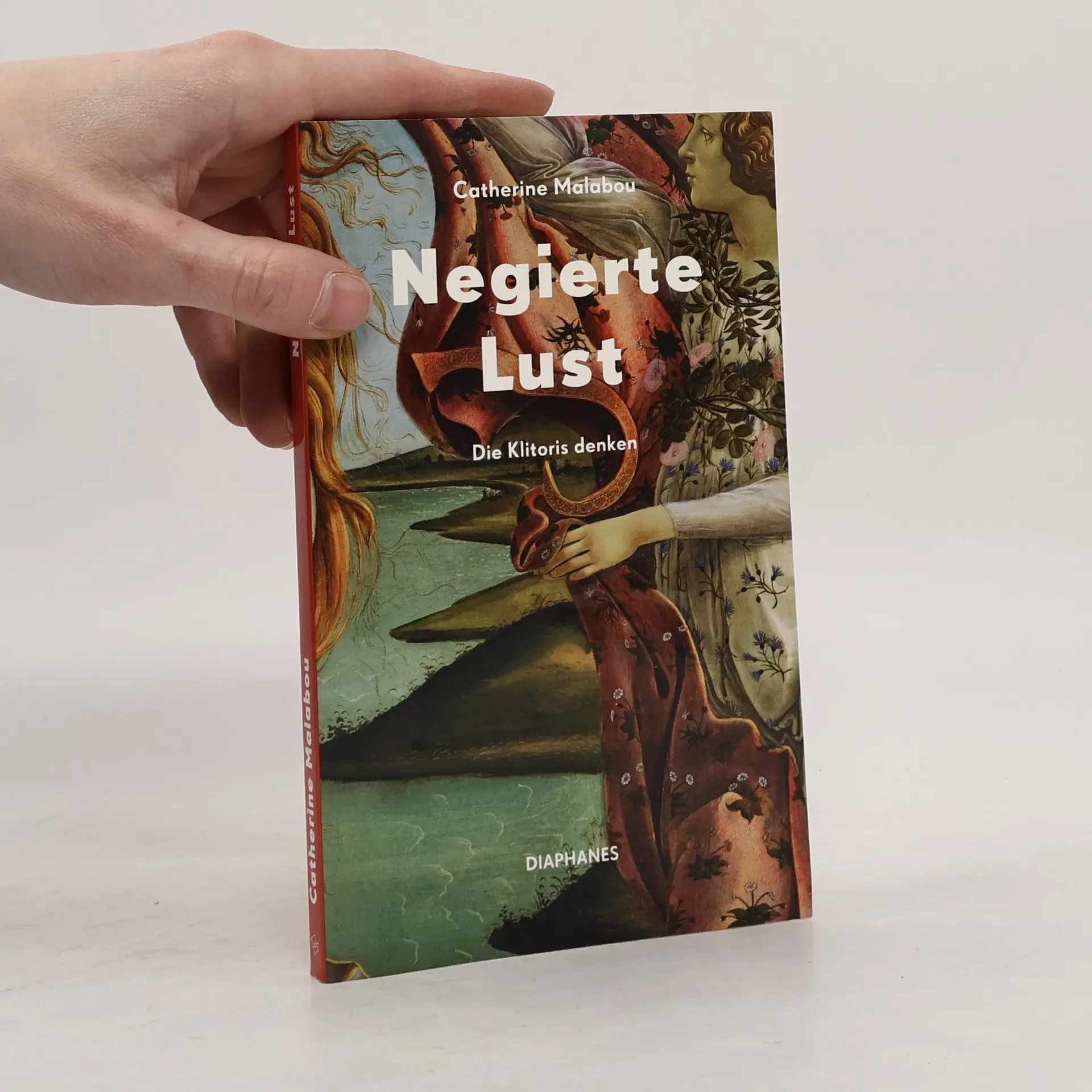
Negierte Lust
Die Klitoris denken
In diesem engagierten Essay beleuchtet Catherine Malabou die lange Ignoranz gegenüber der Klitoris als Symbol weiblicher Lust und Identität. Sie verbindet historische und philosophische Perspektiven und fordert eine neue Sprache für Geschlecht und Politik, während sie die fortwährenden Gewaltakte gegen Frauen thematisiert.
- 2021
Kwestia rozkoszy łechtaczkowej jest nierozerwalnie związana z polityczną kwestią upodmiotowienia. Afirmacja kobiety klitoralnej jest punktem wyjścia do nowego sposobu stawania-się-podmiotem. (…) Bo czy możemy myśleć samodzielnie, nie znając siebie? A czy możemy poznać siebie, nie wiedząc, czym jest i gdzie się mieści nasza przyjemność? Łechtaczka i anarchia są w zmowie, bo dzielą wspólny los pasażerek na gapę, bo łączy je sekretne, ukryte, zapoznane istnienie. Łechtaczkę także od dawna uważano za wichrzycielkę, za organ nadmiarowy, bezużyteczny, który swoją anarchiczną niezależnością, dynamiką przyjemności oderwanej od wszelkich zasad i celu, szydzi sobie z anatomicznego, politycznego i społecznego porządku. Łechtaczka nie daje sobą rządzić.
- 2019
Morphing Intelligence
- 224 stránek
- 8 hodin čtení
Acclaimed philosopher Catherine Malabou traces the modern metamorphoses of intelligence, seeking to understand how neurobiological and neurotechnological advances have transformed our present-day view. She emphasizes the intertwined, networked relationships among the biological, the technological, and the symbolic.
- 2012
The Ontology of the Accident
- 112 stránek
- 4 hodiny čtení
Catherine Malabou is a rising star of French philosophy and has a high reputation in the English speaking world. This is the second of several books by her that Polity will publish, the first being Changing Difference.
- 2006
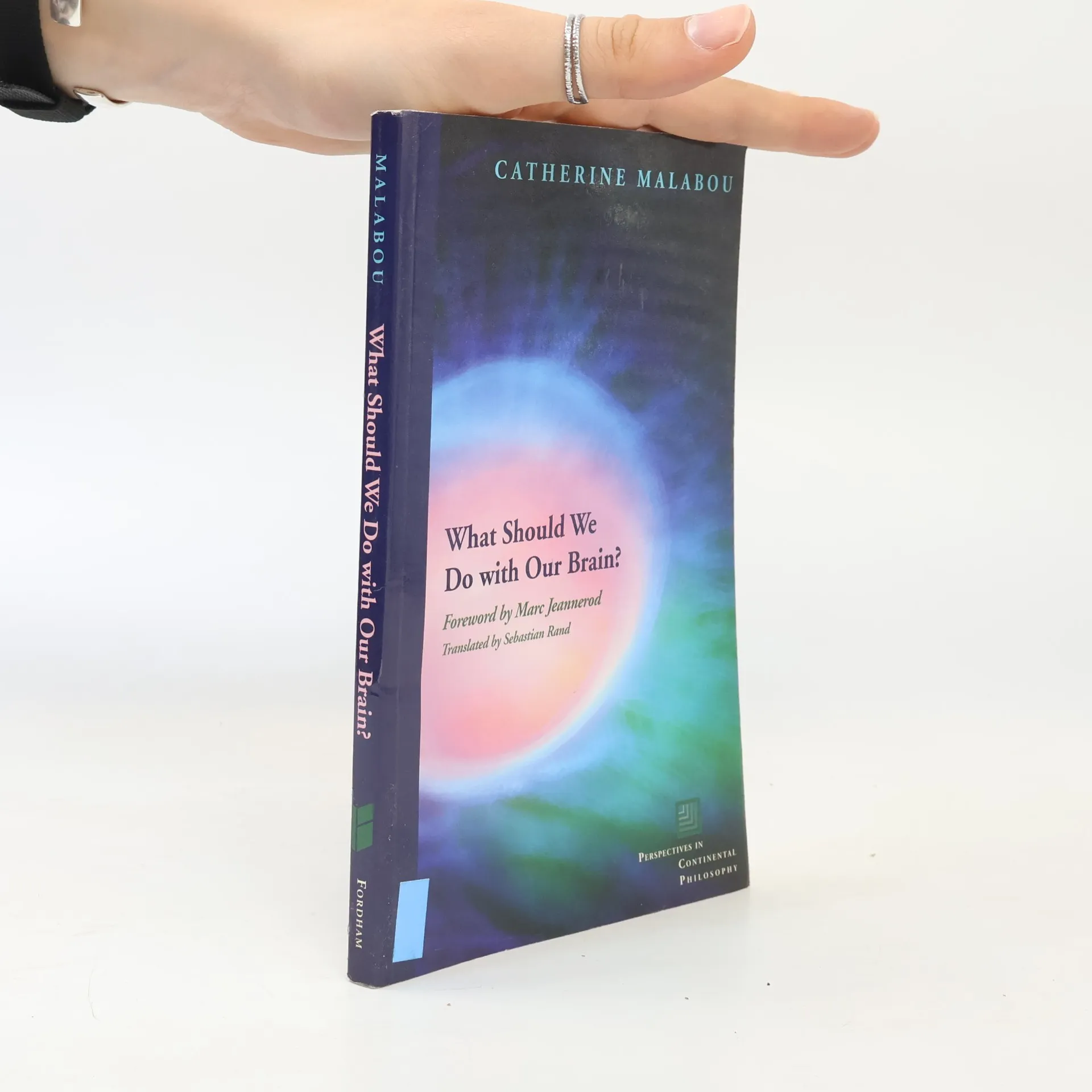
Neuroscience, in replacing the old model of the brain as a single centralized source of control, has emphasized 'plasticity,' the quality by which our brains develop and change throughout the course of our lives. This book develops a radical meaning for plasticity.
- 2004
Exploring the impact of Hegel on continental philosophy, this significant work delves into the themes and conclusions drawn by Catherine Malabou. It features a substantial preface by Jacques Derrida, enhancing the reader's understanding of Hegel's relevance today. This edition marks the first English publication, making it an essential resource for those interested in Hegelian thought and its contemporary implications.
- 2004