Cette édition des œuvres complètes d'Arthur Rimbaud présente tant ses poésies et sa prose majeures que des textes moins connus. Rimbaud, poète visionnaire, a renoncé à l'écriture à vingt ans pour mener une vie d'aventures. Son œuvre, bien que brève, le place parmi les figures marquantes de la littérature française.
Paul Verlaine Pořadí knih (chronologicky)
30. březen 1844 – 8. leden 1896
Paul-Marie Verlaine byl francouzský básník spojený se symbolismem a jedním z nejvýznamnějších představitelů poezie fin de siècle. Jeho dílo, které klade důraz na nuance a jemnost, inspirovalo mnoho skladatelů. Ve své básni "Art Poétique" popisuje dekadentní styl a zdůrazňuje důležitost jemných náznaků a závojů v poezii. Verlaineho životní dráhu poznamenaly osobní tragédie a boj s různými závislostmi, které však nezastínily jeho literární odkaz.

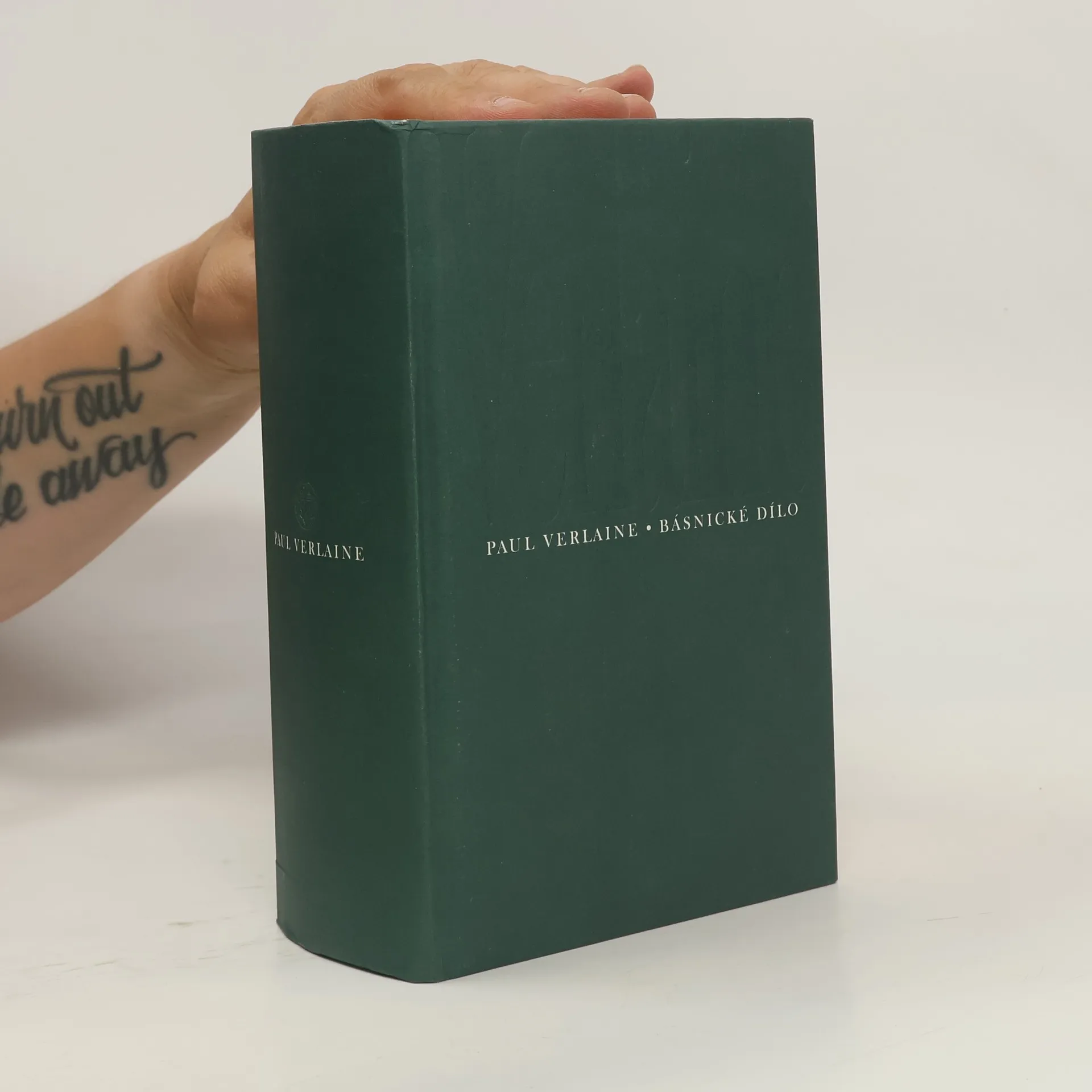
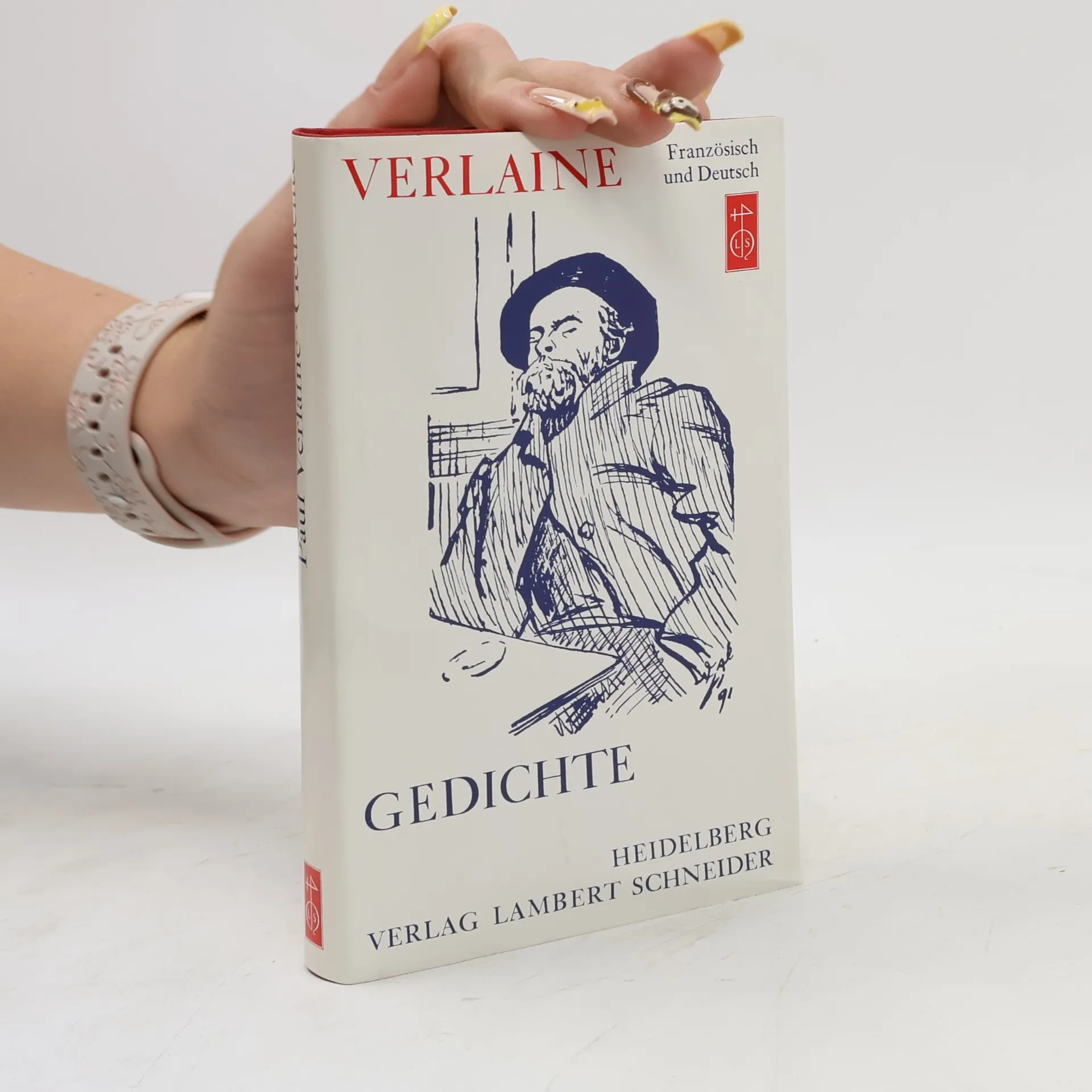
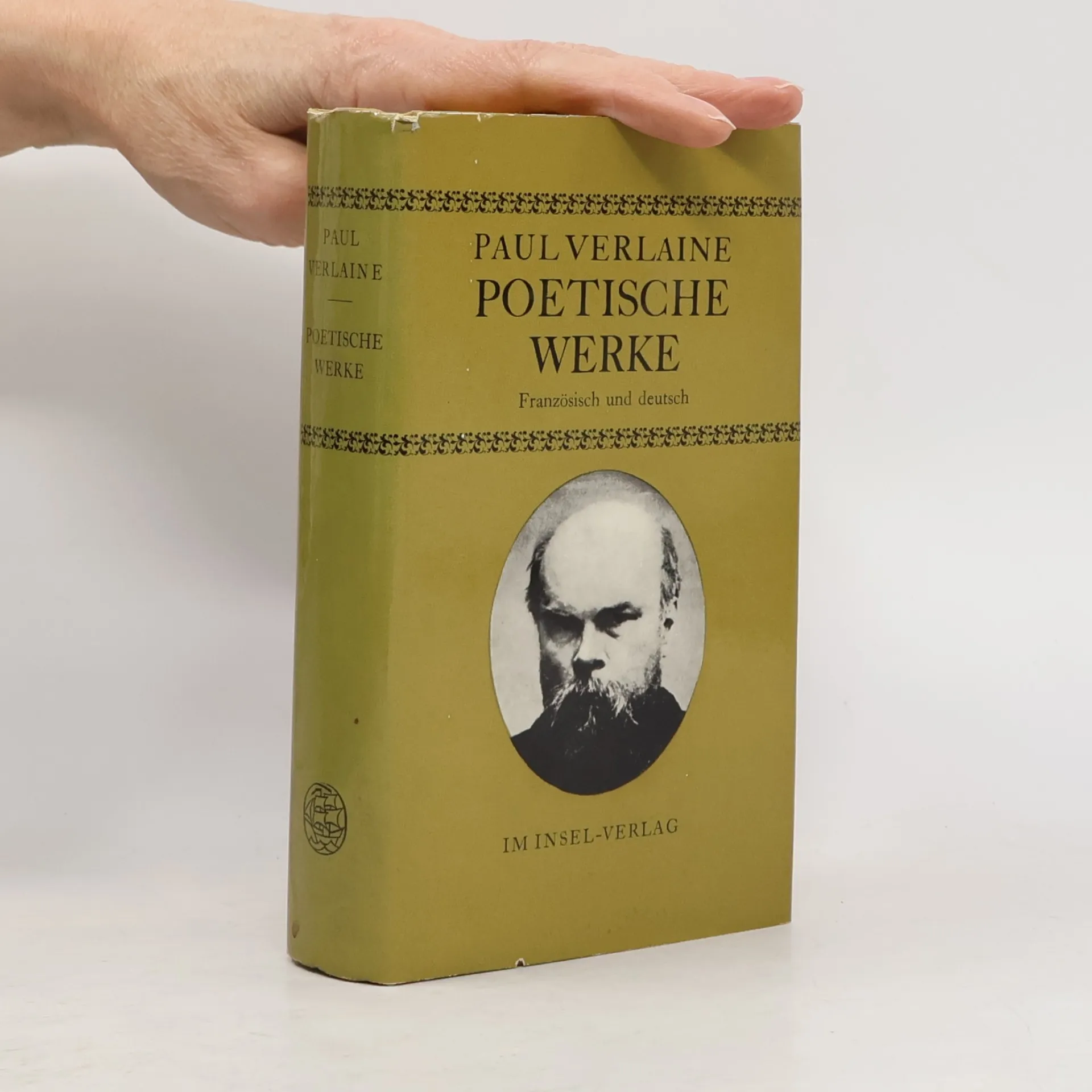
Unerhört neu waren die Verse von Paul Verlaine für seine Zeit, unbegrenzt frei in ihrem poetischen Zugriff auf die Sinne, den Rausch, auf die Wahrheit hinter der Wirklichkeit. Verlaine malte kunstvoll mit seiner Sprache und ließ sie erklingen als Rhythmus und Melodie. Der Grenzgänger in der Kunst wie im Leben schuf Dichtungen, die bis heute zum Kernbestand moderner Lyrik zählen. Dieser Band versammelt eine Auswahl aus seinem vielgestaltigen Werk, übersetzt von dem jungen Dichter Wolf Graf von Kalckreuth (1887–1906), der vor allem durch seine Übertragung von Baudelaires »Blumen des Bösen« berühmt wurde.
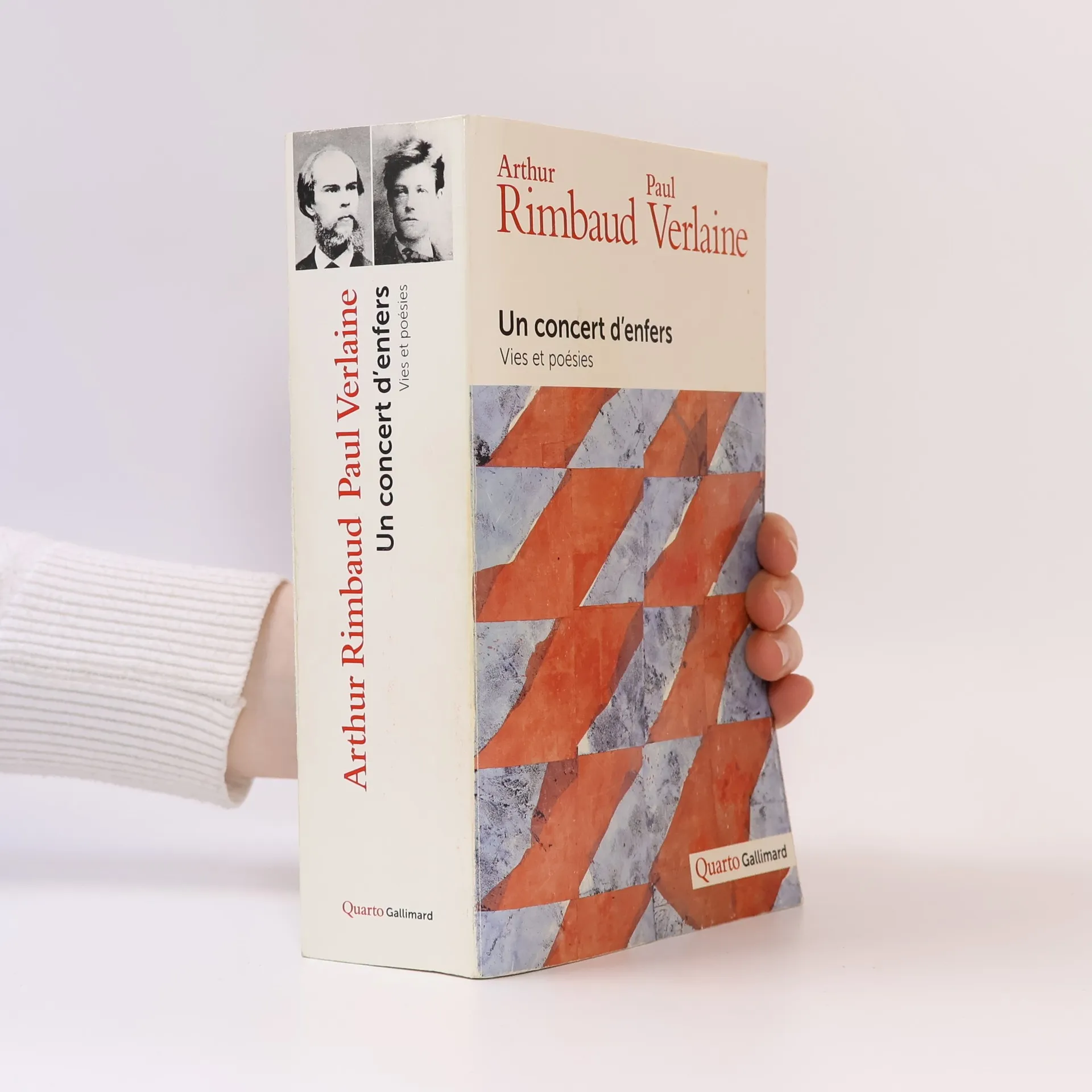
Lorsque le jeune Verlaine appelle l'enfant sauvage des Ardennes – «Venez, chère grande âme, on vous appelle, on vous attend» –, il ne sait pas qu'il provoquera un choc qui fera éclater les résolutions sur lesquelles il souhaite fonder l'équilibre de sa vie personnelle, littéraire et publique. Rimbaud, ange exterminateur et dominateur, rompt les conventions, brise les âmes et sépare les époux, inspirant fascination et répulsion dans les cercles littéraires. Leur relation, un dialogue séminal alimenté par le désir, se manifeste dans Romances sans paroles et les poèmes de 1872, ainsi que dans Une saison en enfer. Ce concert de voix, distancié et entêtant, se prolonge dans certains textes des Illuminations. Des fragments de vues et de vie circulent entre eux, réorganisant le dire poétique et les formes de la figuration lyrique. Cette aventure à deux, tantôt harmonieuse, tantôt discordante, toujours en quête d'une «nouvelle harmonie» et d'un «concert d'enfers», mérite d'être présentée dans un volume unique. Ce recueil rassemble les œuvres de chacun, mettant en lumière le désir d'émancipation du langage et l'espoir de dynamiter l'ennui à travers l'entre-lecture et l'entre-écriture.
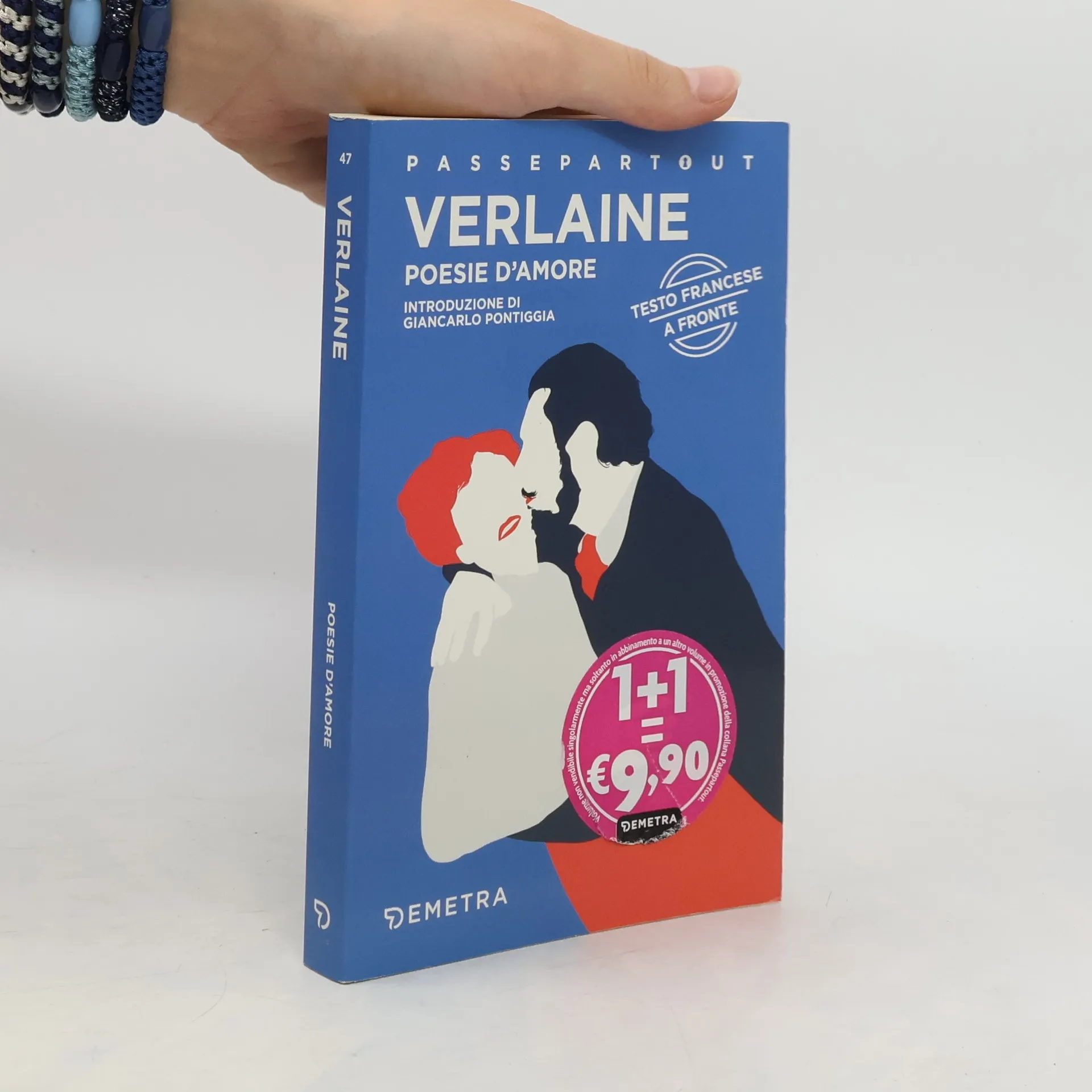
Verlaine
Poesie D'Amore
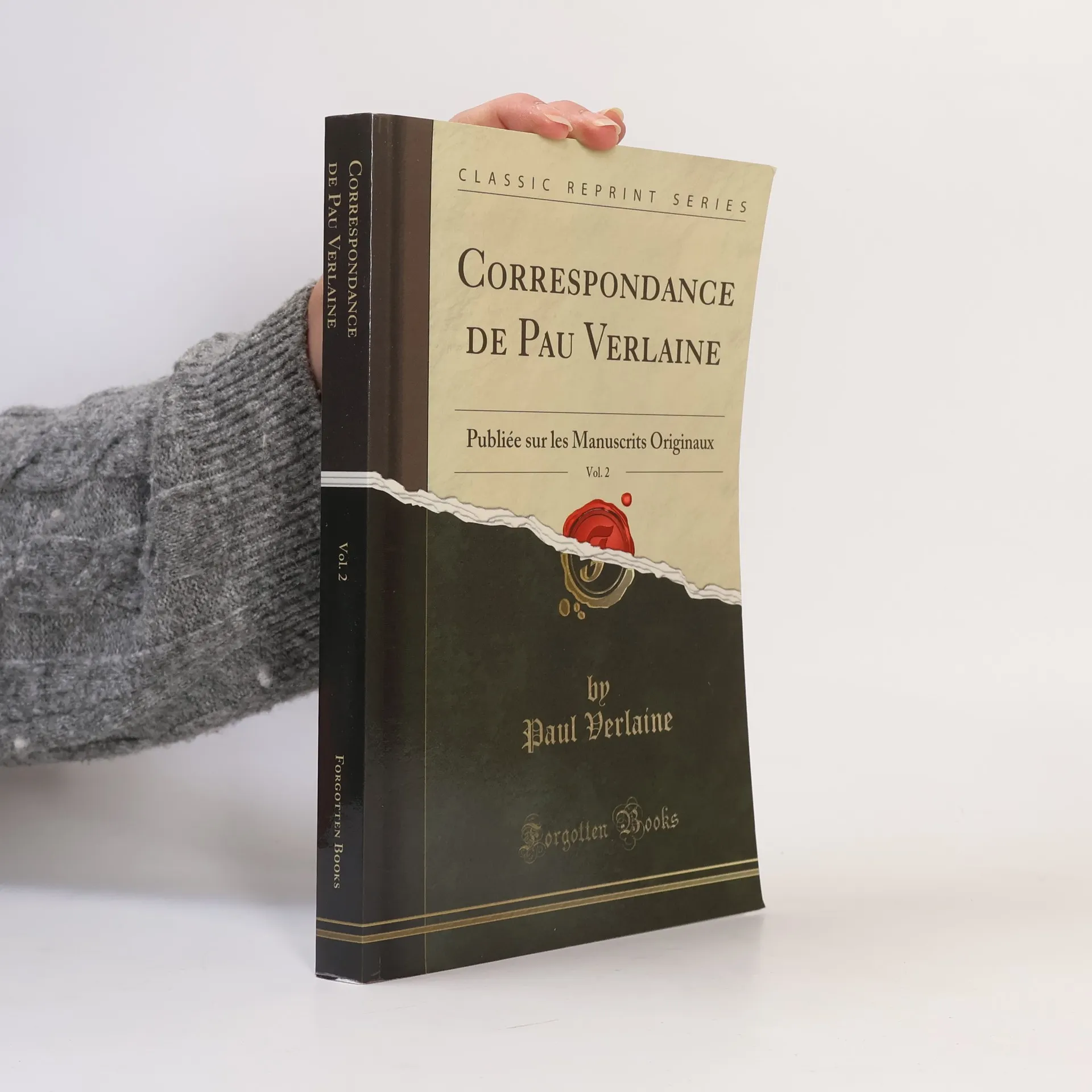
Classic Reprint Series - 2: Correspondance de Pau Verlaine
Publiée sur les Manuscrits Originaux
- 370 stránek
- 13 hodin čtení
Excerpt from Correspondance de Pau Verlaine, Vol. 2: Publiee sur les Manuscrits Originaux Quelques vers par-ci par-la. Vais me mettre mes trois volumes. (li - joint un sonnet. Si jun bon, joignez au petit paquet parnassien. About the Publisher Forgotten Books publishes hundreds of thousands of rare and classic books. In rare cases, an imperfection in the original, such as a blemish or missing page, may be replicated in our edition. We do, however, repair the vast majority of imperfections successfully; any imperfections that remain are intentionally left to preserve the state of such historical works.
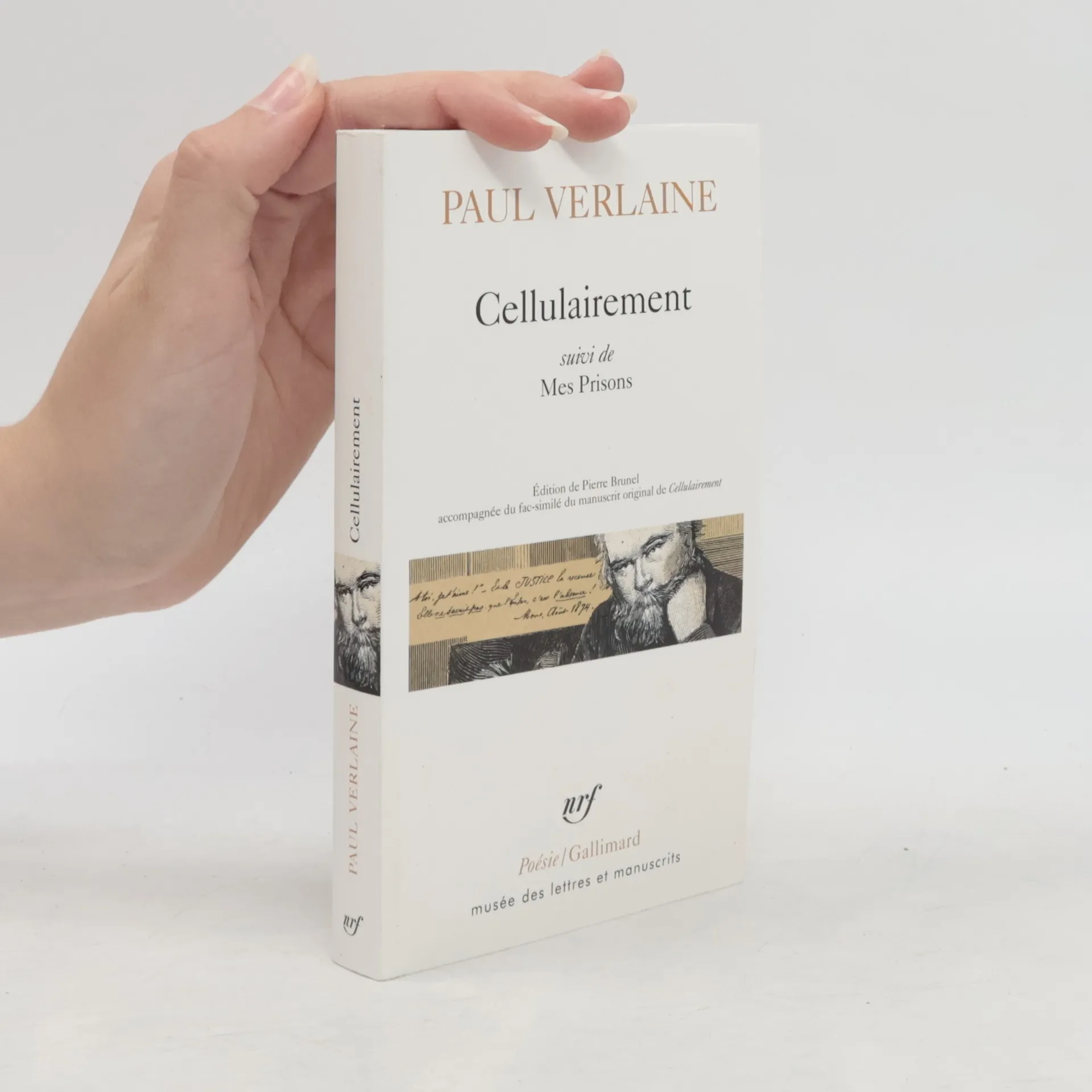
Cellulairement
Suivi de Mes Prisons - Édition de Pierre Brunel accompagnée du fac-similé du manuscrit original de Cellulairement
- 386 stránek
- 14 hodin čtení
«Rassemblant, sans doute après sa sortie de prison, les poèmes qu'il avait écrits pendant son incarcération à Bruxelles (du 11 juillet au 24 octobre 1873) puis à Mons (du 25 octobre 1873 au 16 janvier 1875), Paul Verlaine avait prévu le titre Cellulairement. C'est ainsi qu'il se présente sur le manuscrit réapparu en 2004, acheté par l'État et conservé au musée des Lettres et Manuscrits – manuscrit essentiel, publié dans le présent volume. Après en avoir envisagé la publication, Verlaine y a renoncé, comme il a renoncé à ce titre. Tous les poèmes, à l'exception d'un seul, ont été repris, mais dispersés, dans des recueils ultérieurs. "Démembré par la suite" – à la différence d'Alcools qu'Apollinaire a plutôt remembré autour de son expérience de la prison et de la série de poèmes "À la Santé" –, Cellulairement n'en est pas moins un "recueil essentiel", comme le reconnaissait tout récemment Arnaud Bernadet.» Pierre Brunel.
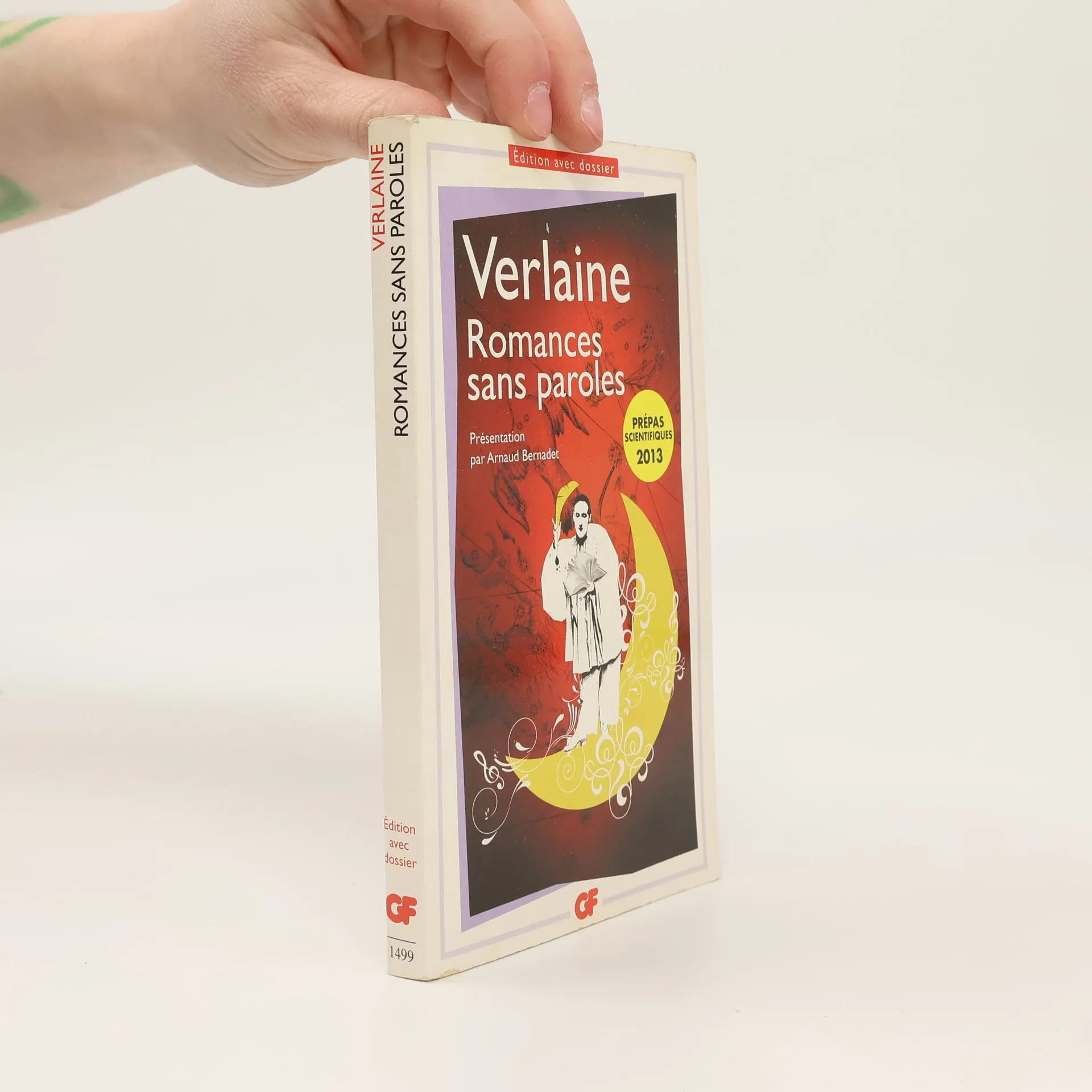
Romances sans paroles - Édition avec dossier
- 256 stránek
- 9 hodin čtení
Romances sans paroles (1874) marque un tournant radical dans l'oeuvre de Verlaine et dans l'histoire de la poésie française. Ce « petit bouquin », qu il rédige pendant sa liaison tumultueuse avec Rimbaud et qu il présente comme une « série d'impressions vagues », est hanté par la tentation du silence. Que peut la parole face à la réalité, dont le sens est fuyant ? Comment dire les sentiments d'un moi erratique et opaque à lui-même ? Et surtout, comment les dire autrement, après le romantisme, qui les a exaltés, et le Parnasse, qui s'en est méfié ? En s'emparant d'un genre désuet, la romance, Verlaine réinvente le beau à partir du banal, renoue avec l'oralité au coeur de l'écrit, et fait du chant l'utopie de la parole poétique. L édition de référence de Romances sans paroles, comportant un dossier éclairant l'oeuvre à la lumière des points suivants : 1. Genèse et composition du recueil 2. Réformer la poésie 3. Penser l'art : peinture, musique, poésie 4. Verlaine au début des années 1870 : l'écriture de la dissidence 5. La réception de l'oeuvre
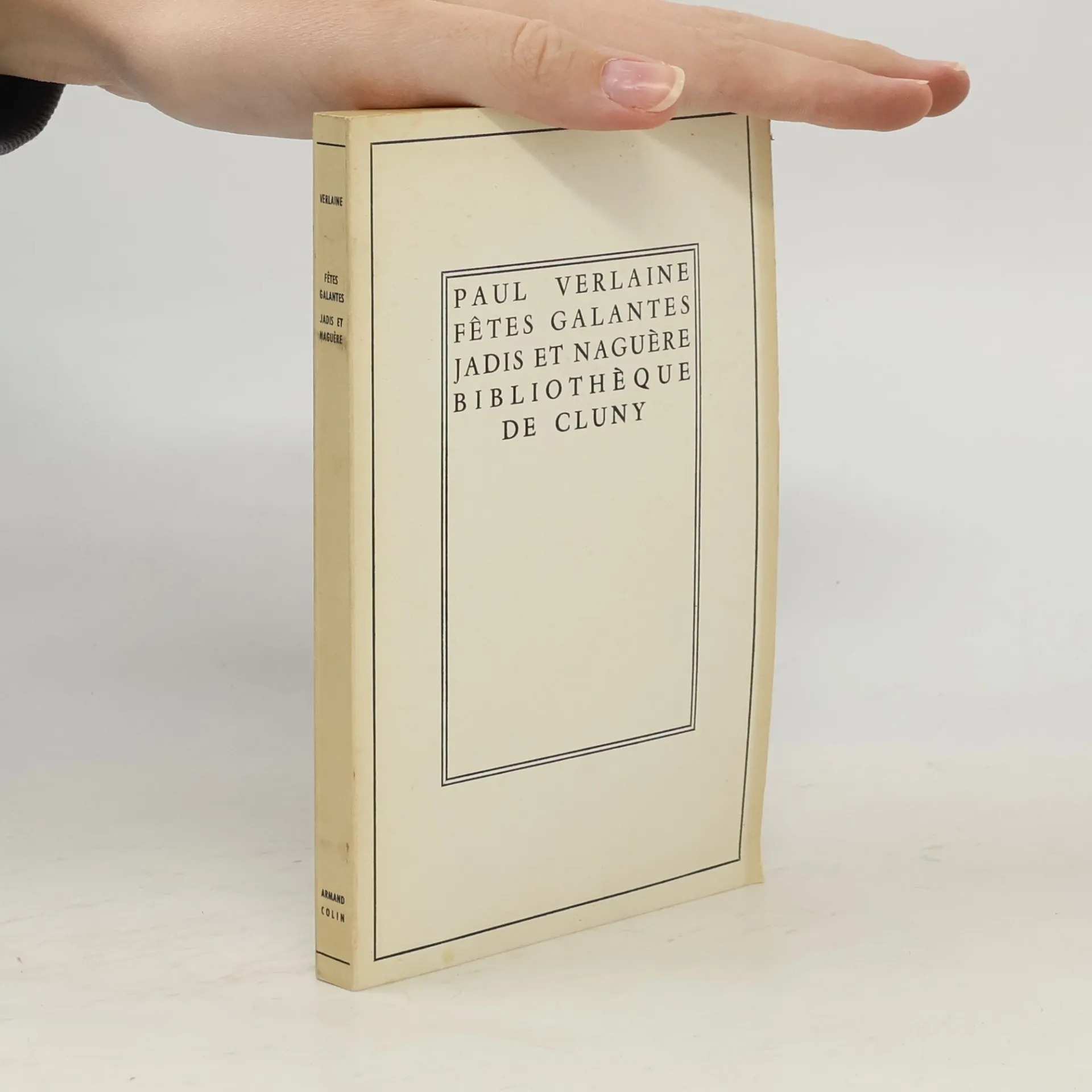
Fêtes Galantes & Songs Without Words
- 110 stránek
- 4 hodiny čtení
Fêtes Galantes captures the essence of French comedy and pastoral life through vivid imagery of characters from commedia dell’arte, set against enchanting landscapes. The poems reflect Verlaine's emotional depth, exploring themes of melancholy and romantic longing. In contrast, Songs Without Words delves into the complexities of love, focusing on relationships with a childhood cousin, a young wife, and fellow poet Arthur Rimbaud, all set against the backdrop of the Ardennes and urban locales. Notably, it features the renowned poem "Il pleure dans mon coeur..."
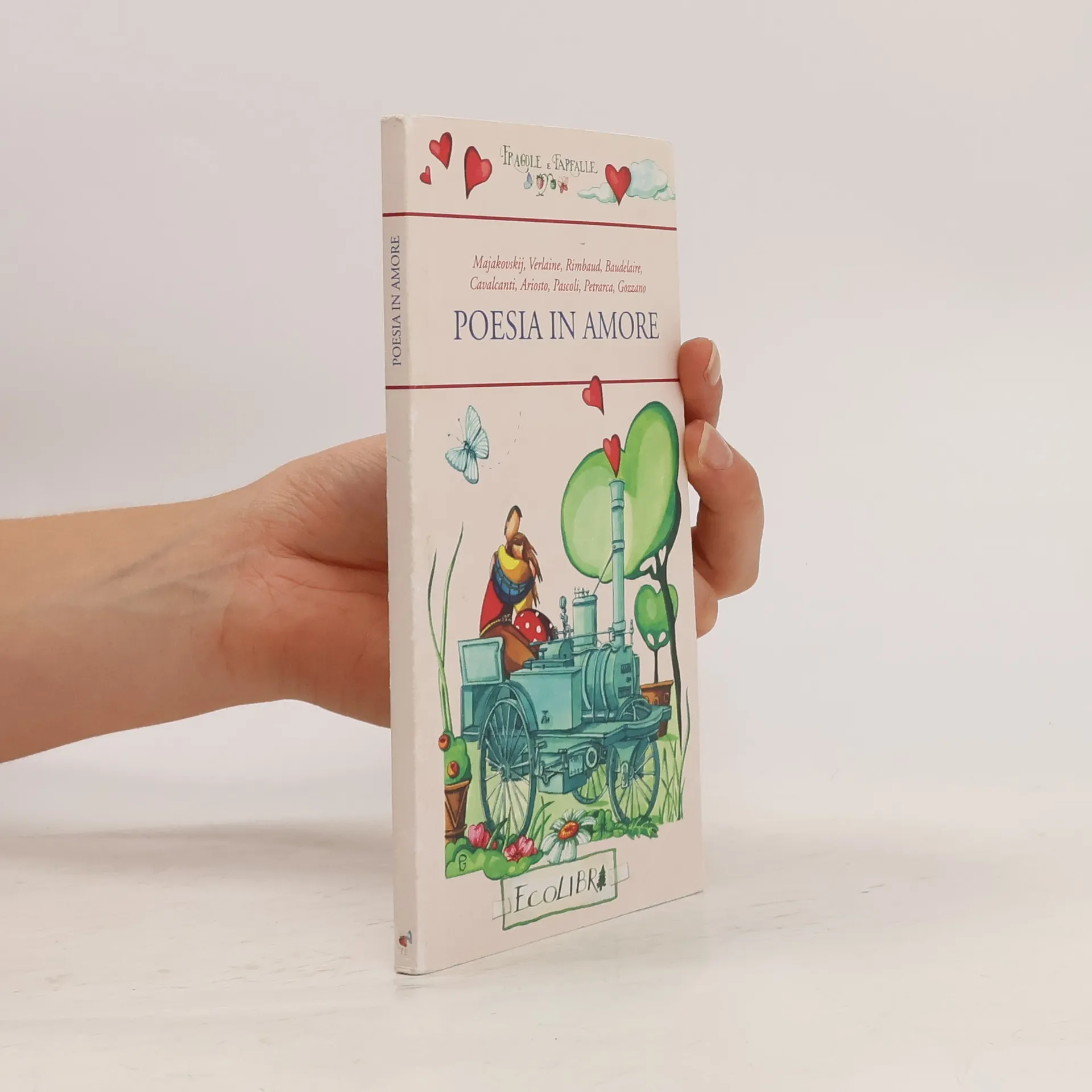
Poesia in amore
- 78 stránek
- 3 hodiny čtení
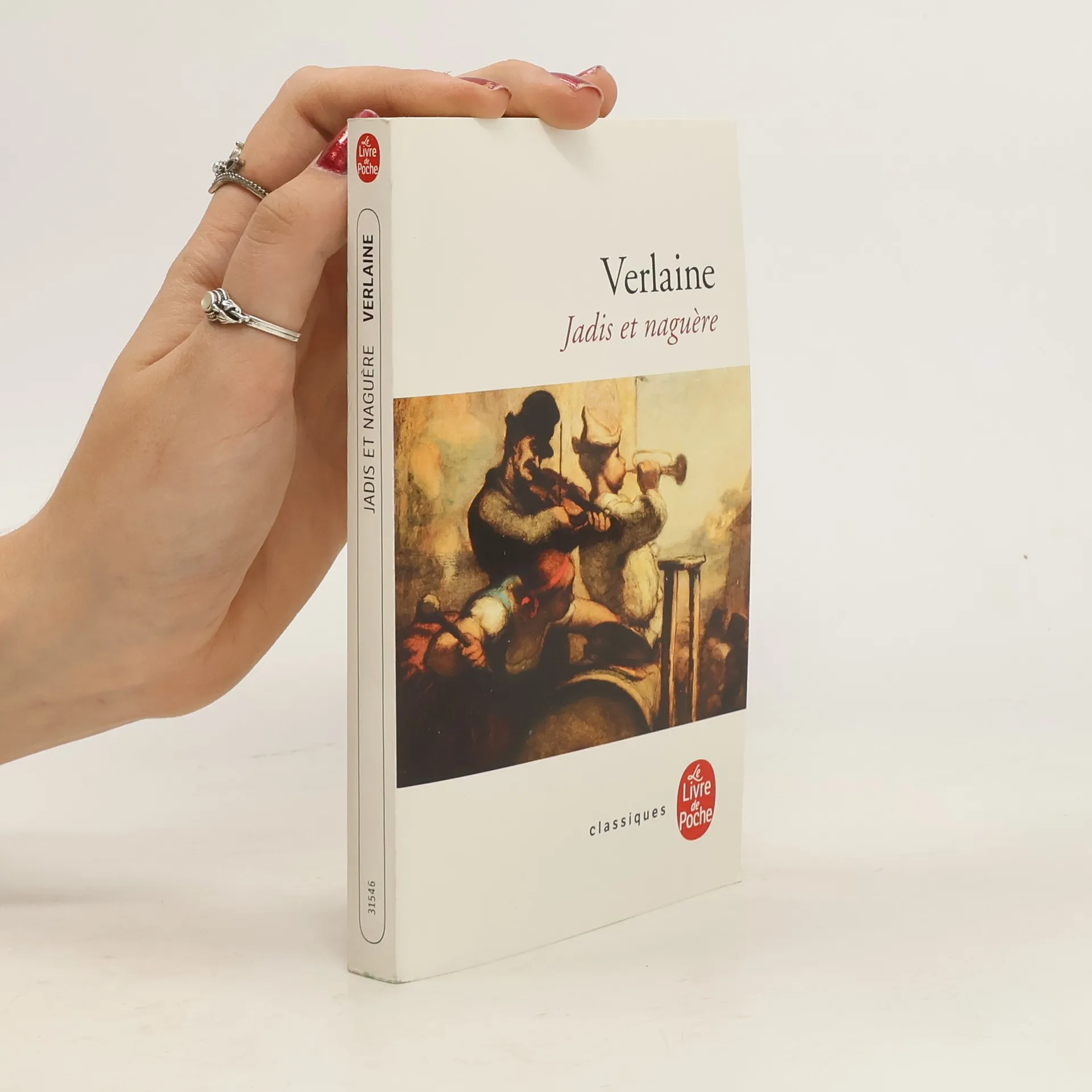
Jadis et naguère
- 351 stránek
- 13 hodin čtení
En faisant paraître jadis et naguère à la fin de 1884, Verlaine offre aux lecteurs un ensemble de poèmes parfois vieux de quinze ans, auxquels s'ajoutent une pièce de théâtre et quelques textes récents. Loin d'être un simple florilège, ce volume original couvre près de deux décennies d'activité et éclaire à bien des égards ses recueils précédents, qu'il complète et dépasse. Si Verlaine s'était montré autrefois limité par ses sujets et ses tabous, jadis et naguère offre des thèmes et des formes jusque-là réservés qui appellent désormais une reconnaissance : la franchise s'impose, la poésie et la langue se libèrent. L' " Art poétique ", publié pour la première fois dans ce recueil, contribuera à faire de Verlaine un des maîtres du mouvement symboliste.
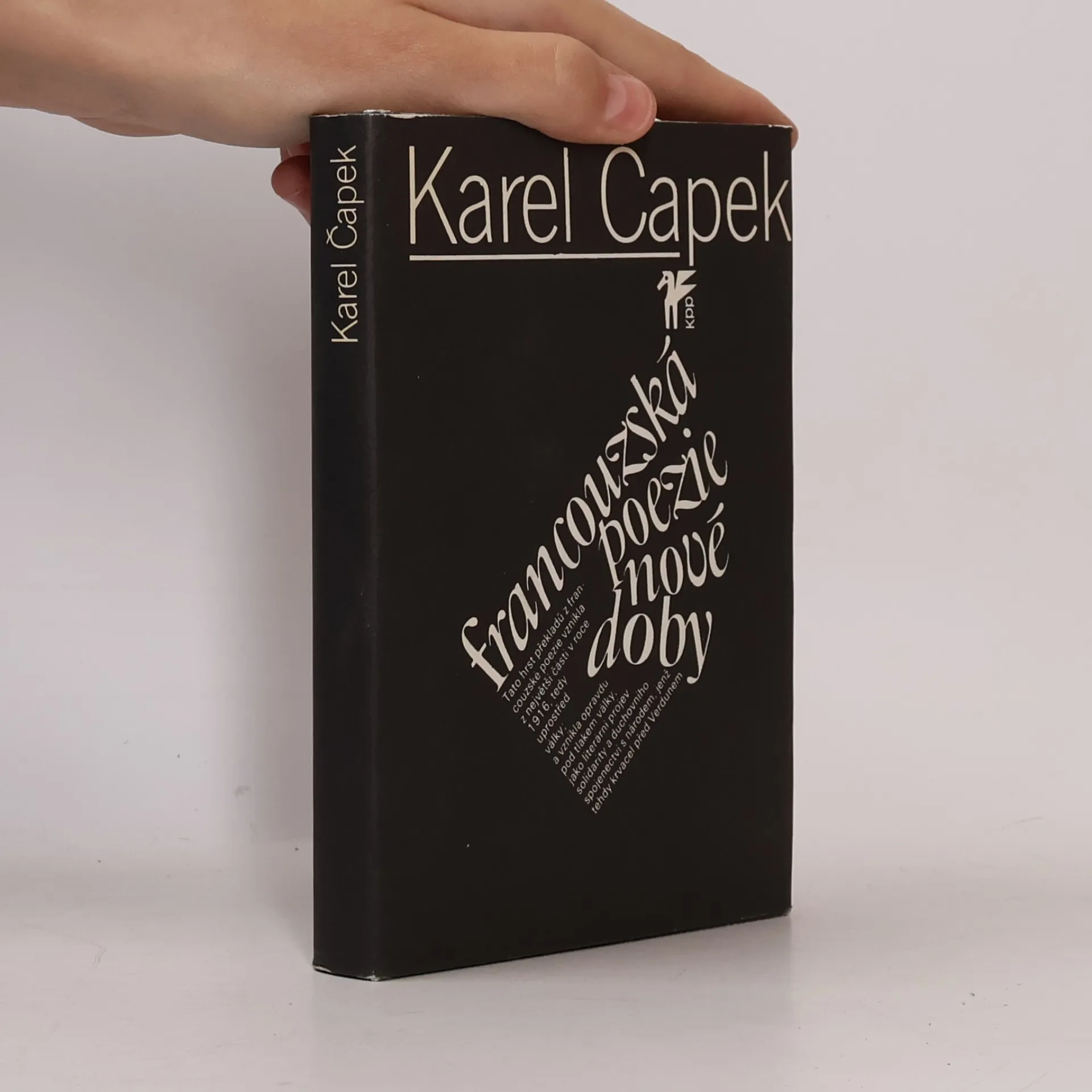
Slavný a pro nejmladší české básníky po první světové válce objevitelský význam mající překlad plejády francouzských básníků od Ch. Baudelaira přes generaci „prokletých" až k vrcholům symbolismu. Doslov napsal Vítězslav Nezval, k vydání připravil, ediční poznámku a vysvětlivky sestavil dr. Miroslav Halík. Jedenácté vydání.
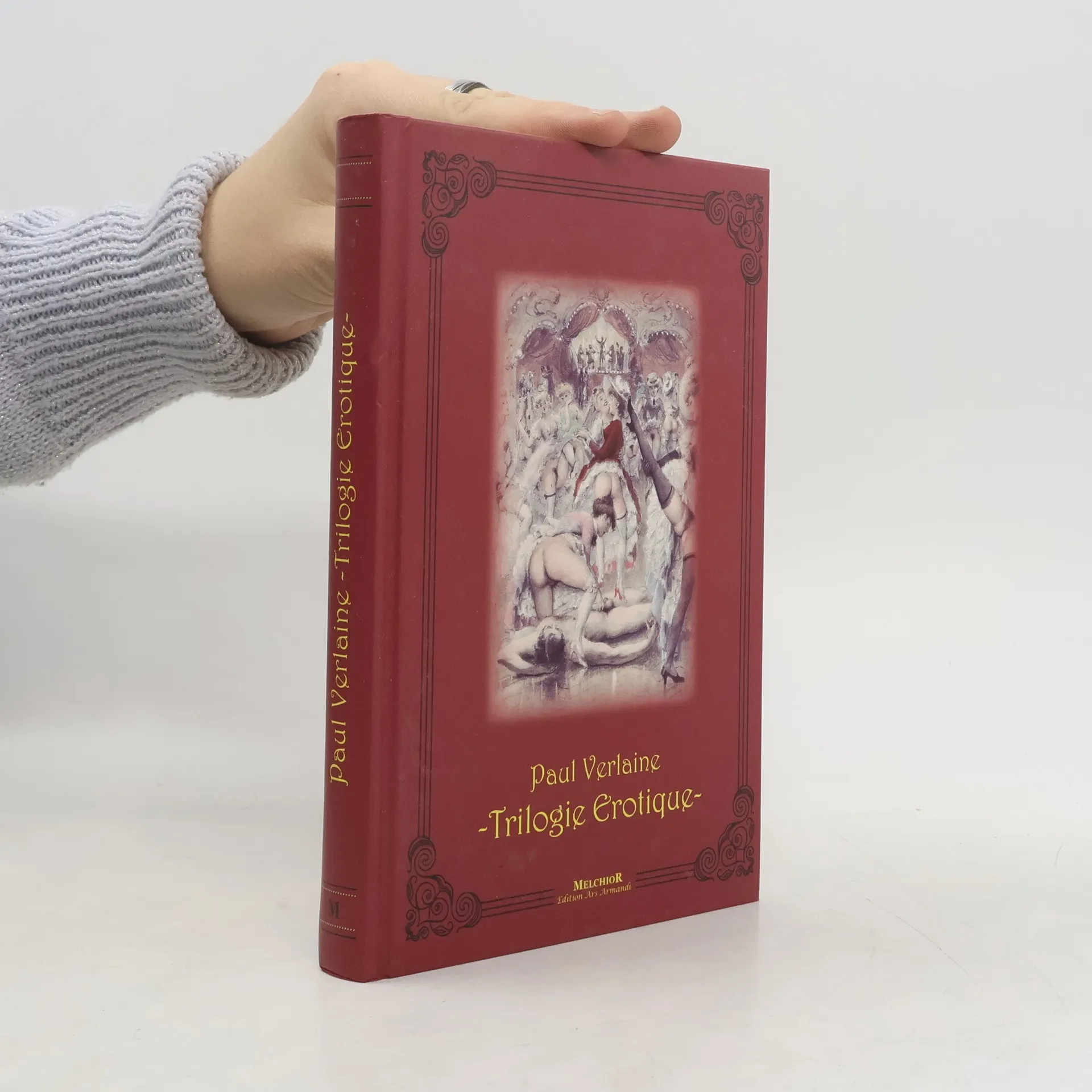
Trilogie Erotique
- 183 stránek
- 7 hodin čtení
Poprvé vychází v češtině kompletní básnické dílo Paula Verlaina v překladu Gustava Francla. Překladatel se věnuje po celý život překládání francouzské poezie a překlad Verlainova díla je vskutku významným počinem a stane se obohacením literárního fondu překladových děl. Osobnost Paula Verlaina a jeho díla upoutává čtenáře dlouhá desetiletí a do jedinečného světa poezie a jejího kouzla uvádí stále nové a nové čtenáře.
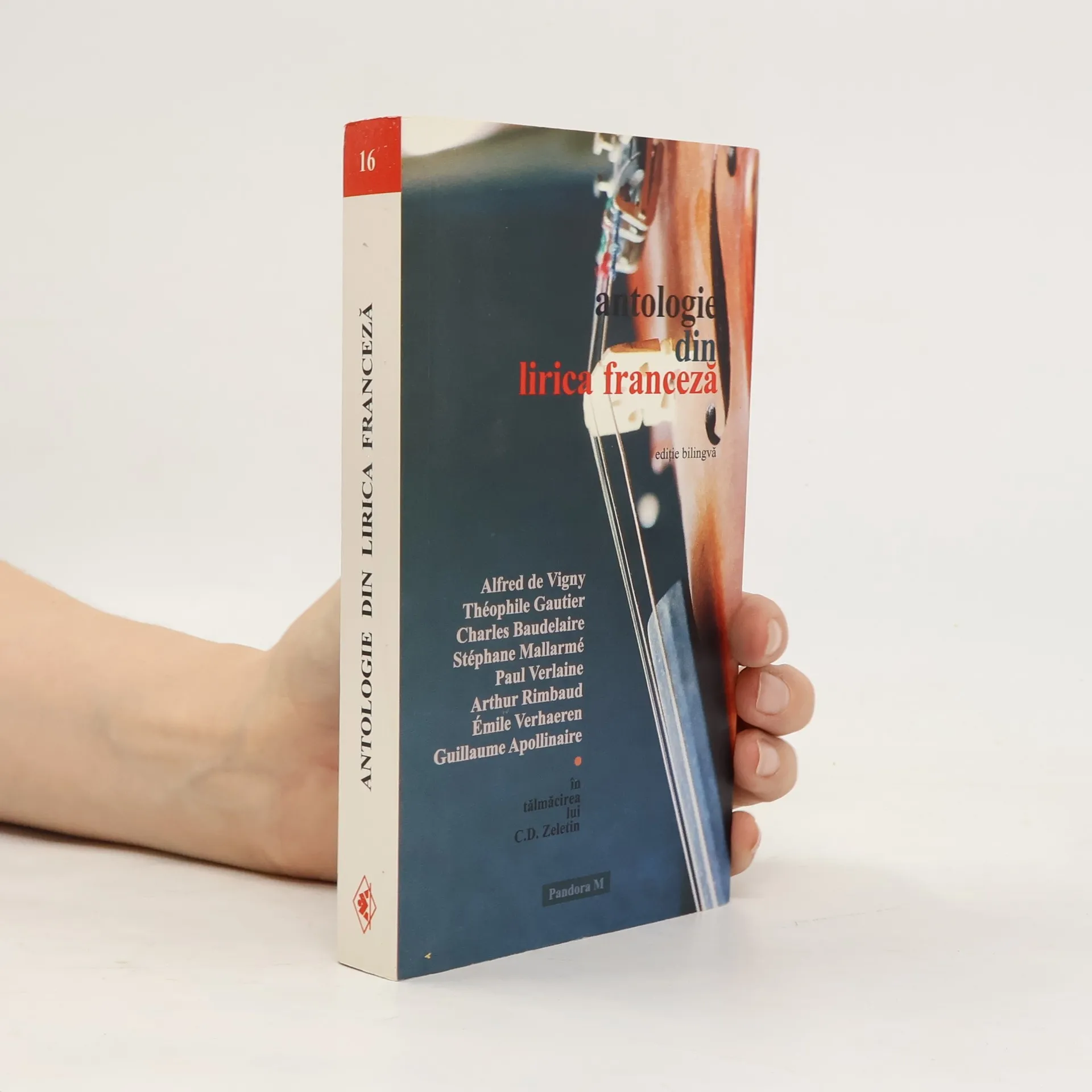
Antologie din lirica franceză
Ediție bilingvă - în tălmăcirea lui C.D. Zeletin
- 336 stránek
- 12 hodin čtení
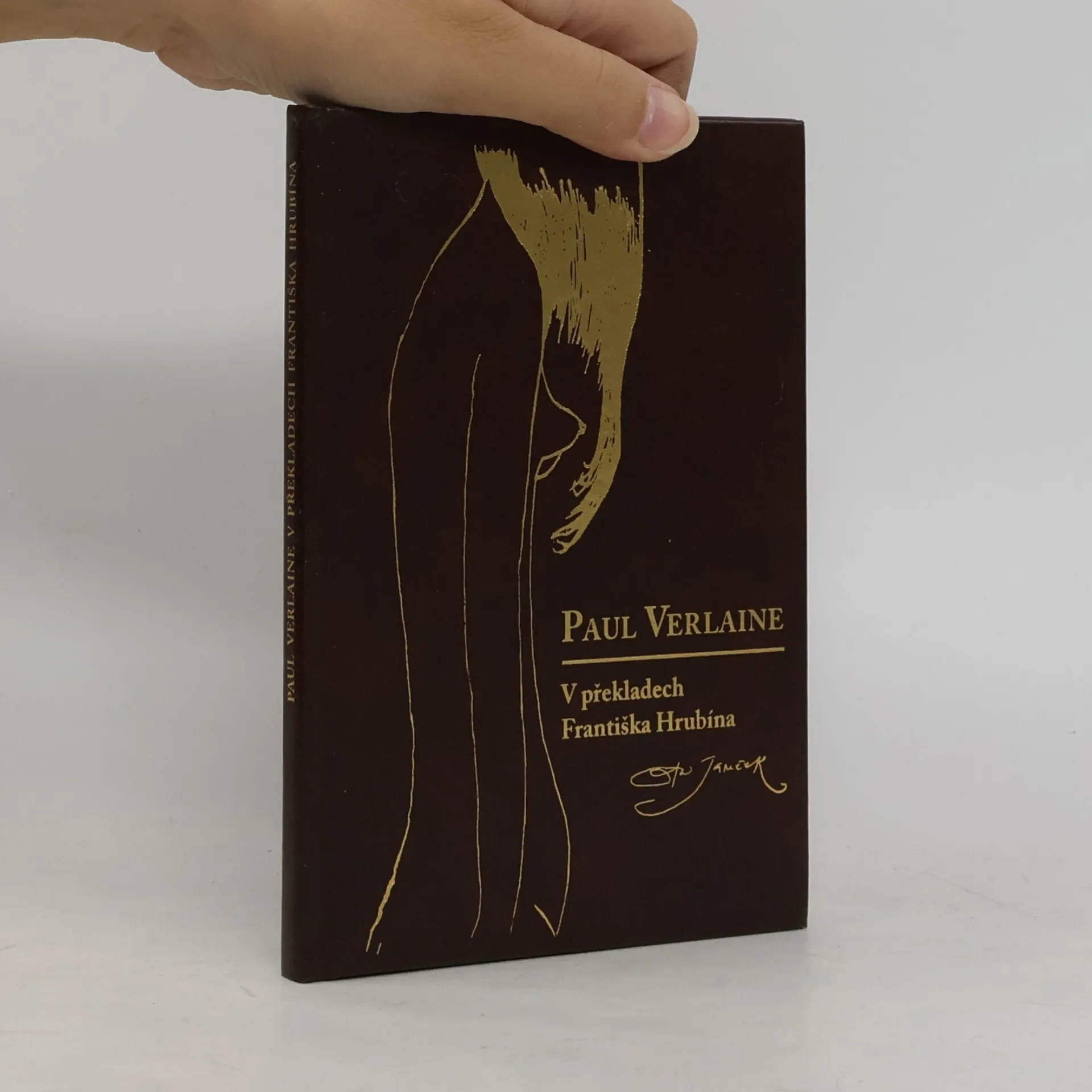
14 básní klasika moderní francouzské poezie s ilustracemi Oty Janečka Podkladem pro vydání knihy básní se stal bibliofilní tisk Sedm básní Paula Verlaina, který vydal Klub přátel umění ve Zlíně v roce 1978 díky architektovi Šebestiánu Zelinovi. Pro knižní vydání byl výběr básní rozšířen na čtrnáct. Vše ostatní zůstalo nezměněno - výtvarný doprovod Oty Janečka i zvolené mistrovské překlady Františka Hrubína. Kniha je i jistým dokumentem o úrovni krásných tisků v sedmdesátých letech. Kniha má 48 stran o rozměru 120x165 mm, 10 celostránkových barevných reprodukcí grafických listů Oty Janečka, pevnou koženkovou vazbu.
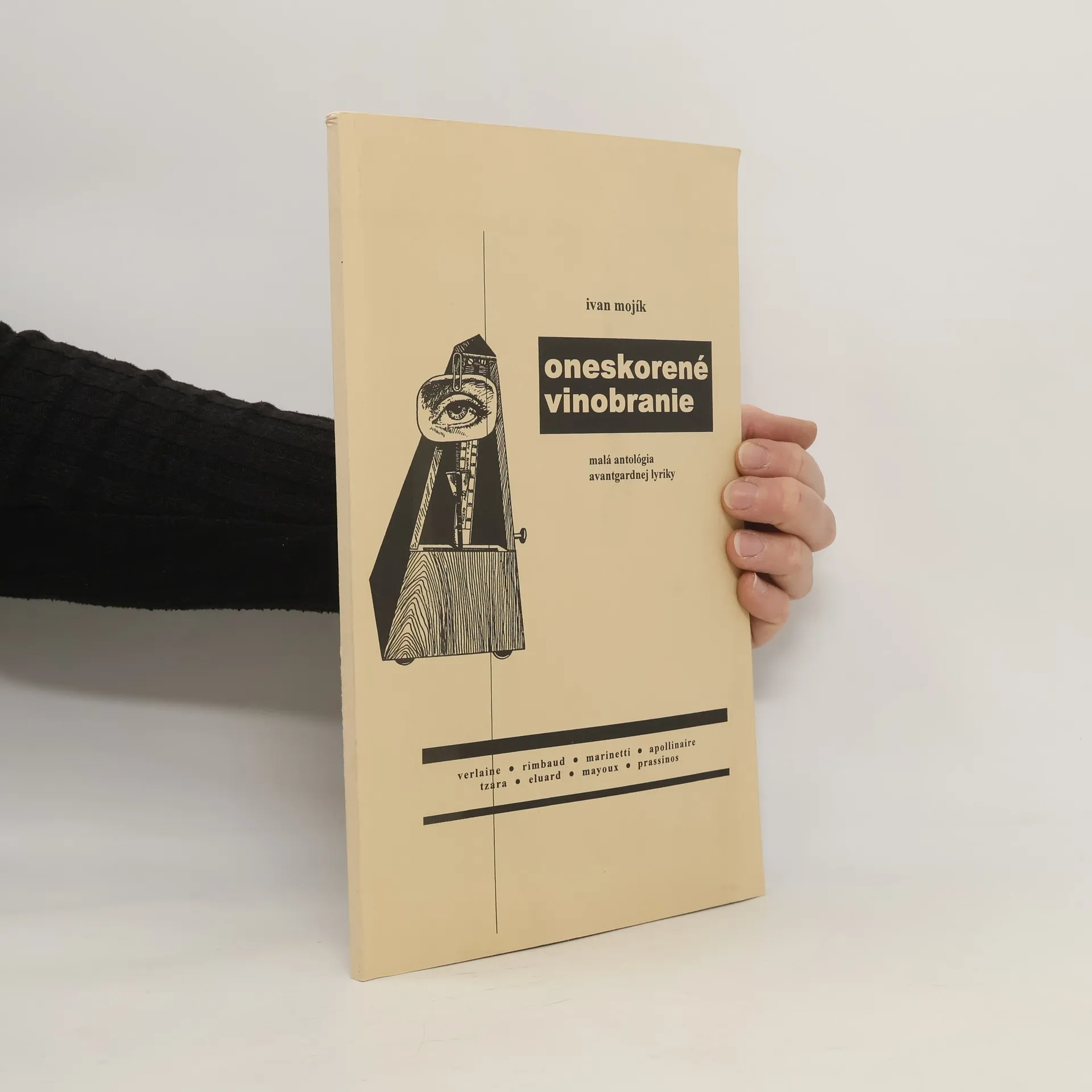
Oneskorené vinobranie. Malá antológia avantgardnej lyriky
- 94 stránek
- 4 hodiny čtení
Publikácia ONESKORENÉ VINOBRANIE je tak trochu výnimočná preto, lebo výber textov a ich redakcia sú poznačené dosť subjektívnymi kritériami. Zostavovateľ do nej zaradil texty autorov, ku ktorým má osobitý vzťah, od ktorých sa učil a ku ktorým sa s väčšou či menšou intenzitou v priebehu svojej umeleckej aktivity vracal. Paul Verlaine, Jean Arthur Rimbaud, Filippo Tommaso Marinetti, Guillaume Apollinaire, Tristan Tzara, Paul Eluard či André Breton (hoci ten v prítomnom výbore zastúpený nie je) predstavujú pre Ivana Mojíka, autora niekoľkých básnických zbierok, koncentrát tých úsilí a snáh, o ktoré sa moderná európska lyrika v minulom období usilovala. Ivan Mojík prebásňoval ich texty z doslovných prekladov svojej ženy Drahomíry Mojíkovej, ktorá bola za svojho života jeho neoceniteľnou spolupracovníčkou a tlmočníčkou. Aj preto je kniha venovaná jej pamiatke.
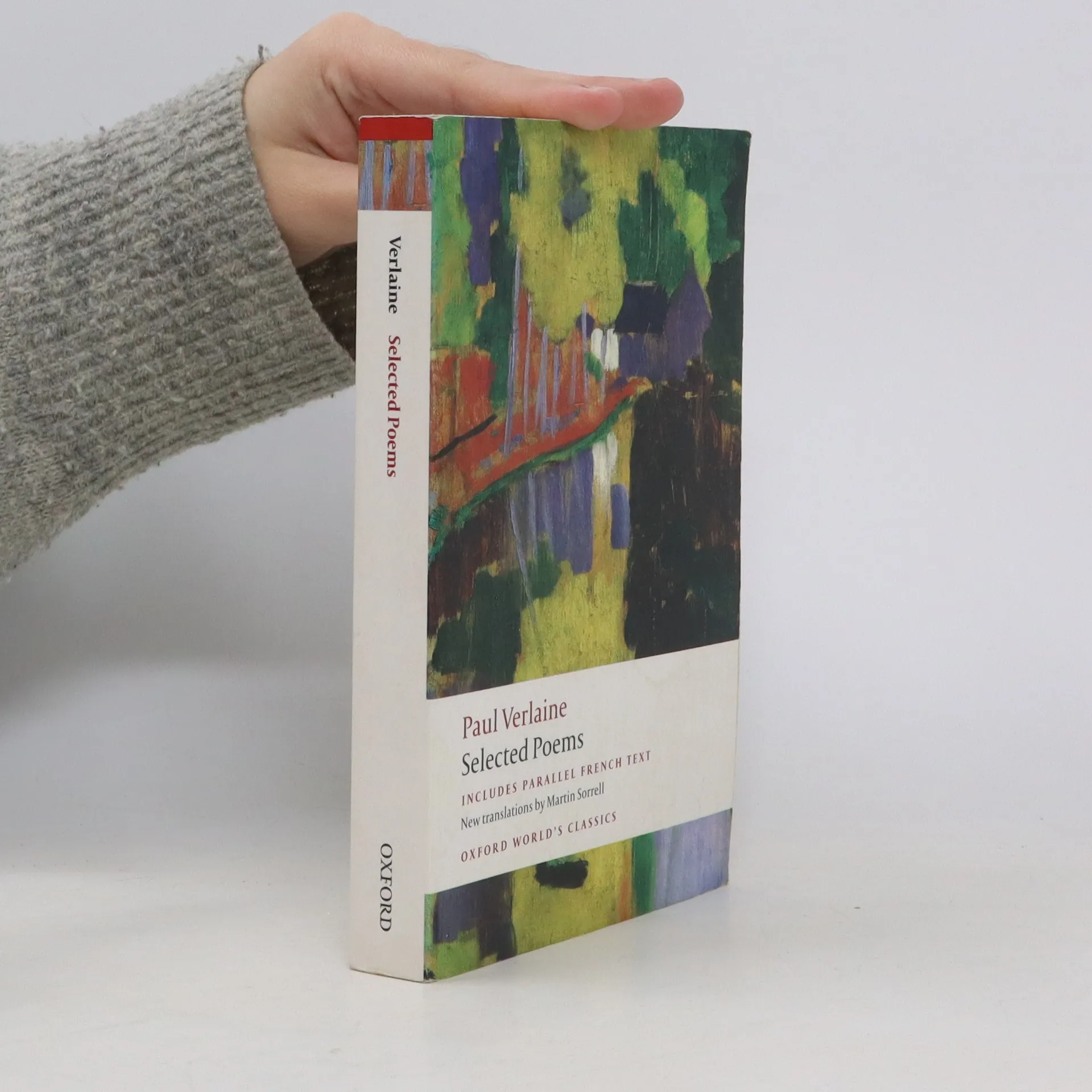
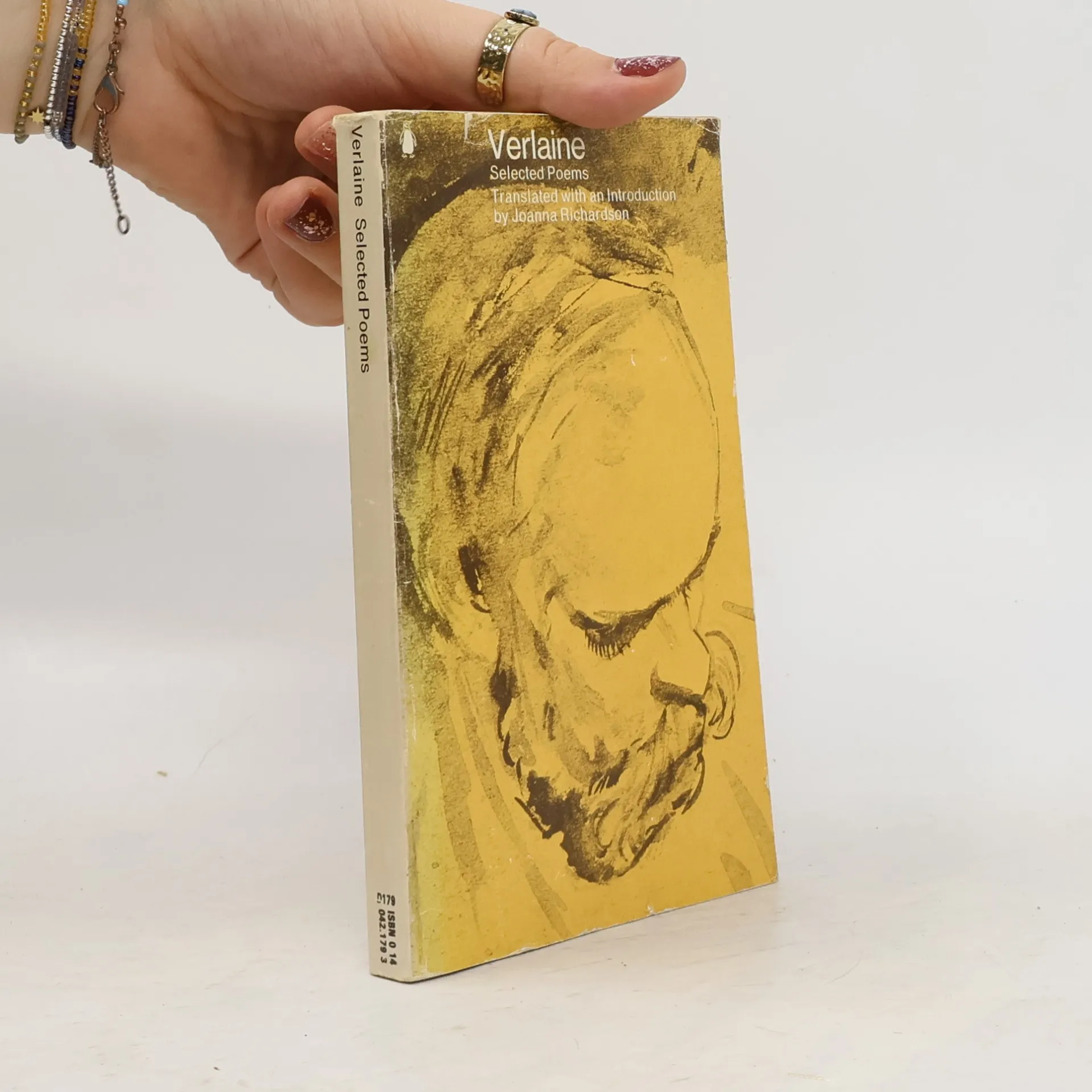
Selected Poems
- 368 stránek
- 13 hodin čtení
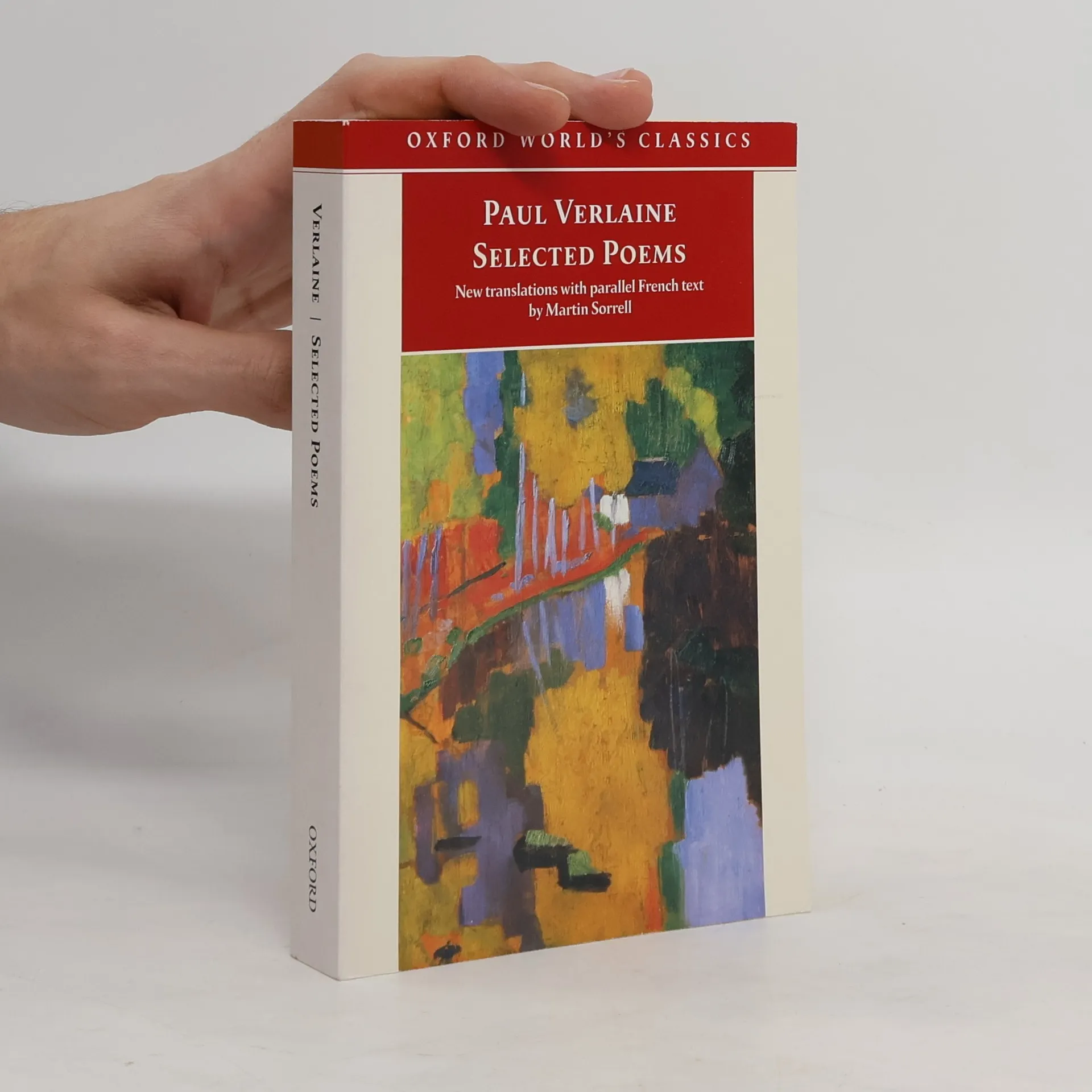
`Verlaine, possessed by the madnesses of love, brimming over with desires and prayers, the rebel railing against the complacent platitudes of society, of love, of language'. Jean Rousselot Verlaine ranks alongside Baudelaire, Mallarmé, and Rimbaud as one of the most outstanding poets of late nineteenth-century France whose work is associated with the early Symbolists, the Decadents, and the Parnassiens. Remarkable not only for his delicacy and exquisitely crafted verse, Verlaine is also the poet of strong emotions and appetites, with an unrivalled gift for the sheer music of poetry, and an inventive approach to its technique. This bilingual edition provides the most comprehensive selection of his poetry yet, offering some 170 poems in lively and fresh translations and providing a lucid introduction which illuminates Verlaine's poetic form within the context of French Impressionism and the poetry of sensation. Parallel text ABOUT THE SERIES: For over 100 years Oxford World's Classics has made available the widest range of literature from around the globe. Each affordable volume reflects Oxford's commitment to scholarship, providing the most accurate text plus a wealth of other valuable features, including expert introductions by leading authorities, helpful notes to clarify the text, up-to-date bibliographies for further study, and much more.
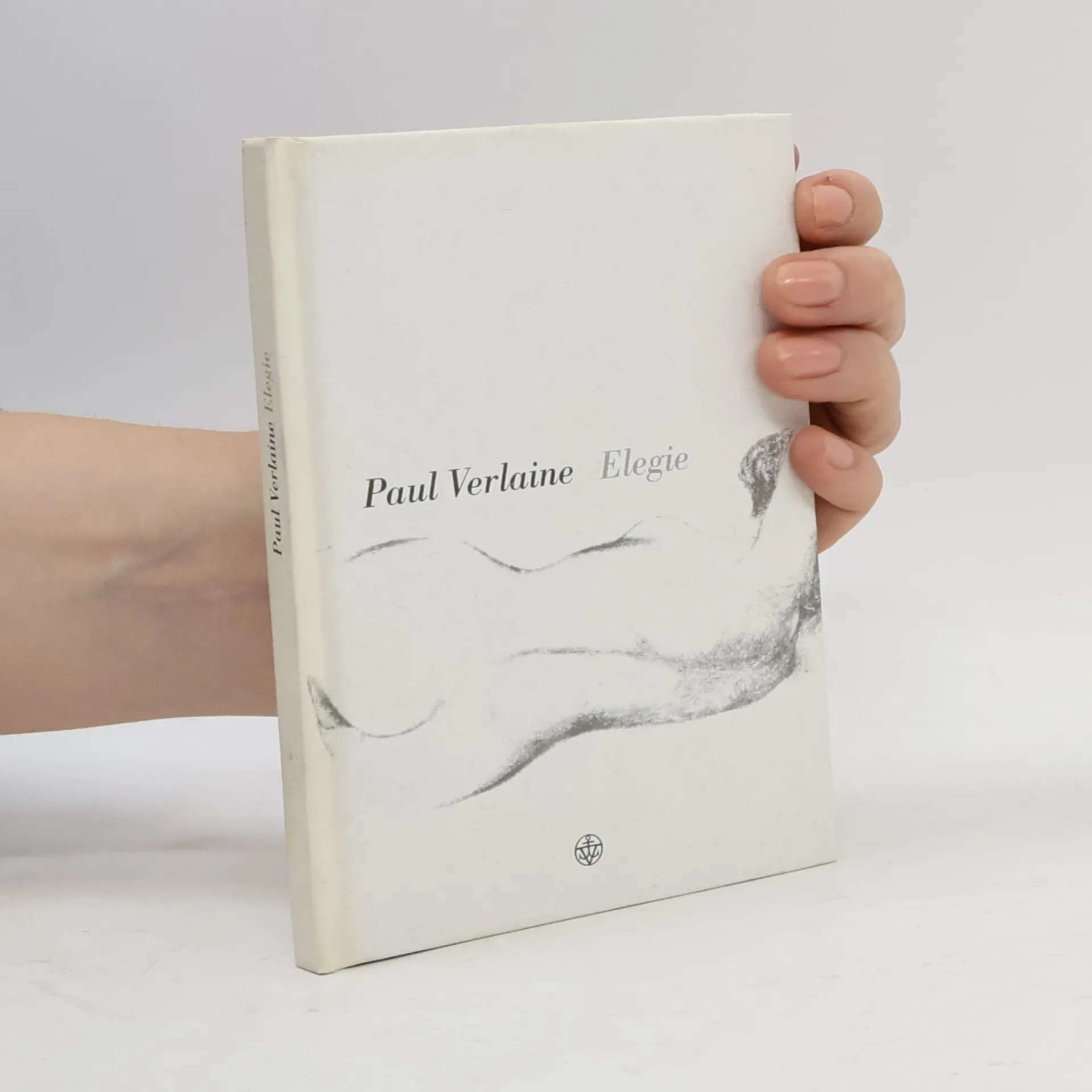
Básně z konce Verlainova života ve vynikajícím překladu Gustava Francla. Paul Verlaine byl jako člověk jedno velké, zraňované, trpící a bezmocné srdce. Díval se na vše nikoli očima a rozumem, ale právě prizmatem srdce, jež se muselo utíkat ke snu. O „pádech srdce“ říká sám básník, že, „byly jedinými prvky té bouře, kterou byl jeho život“. Tyto životní bouře se ovšem transformovaly v neuvěřitelně podobu básnickou, která neměla zdánlivě nic společného se životem tuláckého bohéma, který své zmatky utápěl v alkoholu. Nelze říci, že by Verlaine netoužil po klidném životě. Několikrát se o to pokoušel. Vždy ale naprosto bezúspěšně, po krátkých intermezzech pokorných návratů, pokání, odhodlání a rozběhů vzdát toto chabé úsilí o spořádaný život. Také na konci života, ve svých padesáti letech, hledá sny a útěchu v alkoholu, který ho sráží níž a níž, až se octne doslova na chodníku, kde se ho ujmou dvě ženy, jejichž existence je s chodníkem spjata. Ač je kněžkami chodníků spíše využíván, Verlaine se zamiluje do jedné z nich a vytvoří básnickou sbírku Elegie. Ale i básně z konce Verlainova života ve vynikajícím překladu Gustava Francla všem milovníkům Verlainovy tvorby naznačuje, že je psal básník, jehož sen musel ustoupit před tvrdou realitou marného, tragicky končícího života.
Intimní liturgie
- 56 stránek
- 2 hodiny čtení
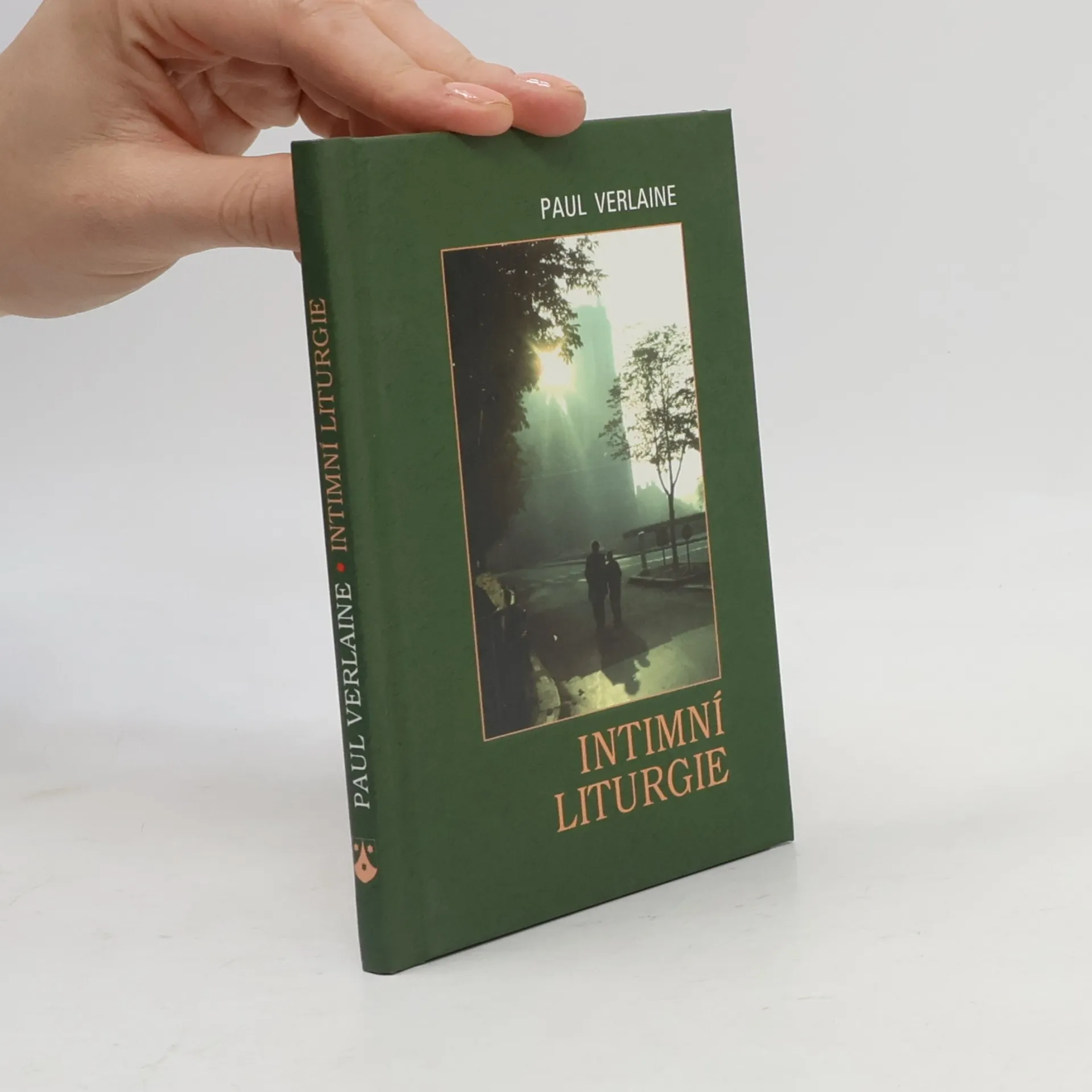
Čtyři roky před smrtí, v roce 1892, vydává francouzský básník Paul Verlaine knihu veršů, nazvanou Intimní liturgie. „Tato nevelká knížka, jež se obrací k nevelké čtenářské elitě,“ píše v úvodu básník, „je doplněním, ba odvažuji se říci vyvrcholením dosti významného a rozlehlého díla, o němž se autor domnívá, že odpovídá jeho opravdovému vztahu k víře.“ Sbírka je soukromým, intimním vyznáním křesťana, který si v těžké životní chvíli uvědomil, že až dosud byla jeho víra formální a nedostatečná. Básně lze rozdělit do dvou skupin, které se vzájemně prostupují. V jedné autor evokuje hlavní svátky liturgického kalendáře, v druhé pak veršem parafrázuje hlavní části mše. Bezprostředním popudem k básníkově konverzi se staly dvě události, které tvrdě zasáhly do Verlaineova života. Obě znamenaly ztrátu bytostí, k nimž byl básník citově vázán. V červenci 1873 Verlaine v hádce postřelil svého přítele Arthura Rimbauda, a třebaže zranění nebylo vážné, ocitl se básník na dva roky ve vězení. V dubnu 1874 rozhodl soudní tribunál departamentu Seine o rozluce Verlaineova manželství s Matyldou Mautéovou, která si podle rozsudku měla podržet i jejich syna. Když toto rozhodnutí předával ředitel věznice v belgickém Monsu Verlainovi, vyžádal si básník útěchu od kněze. Zároveň poprosil o katechismus.
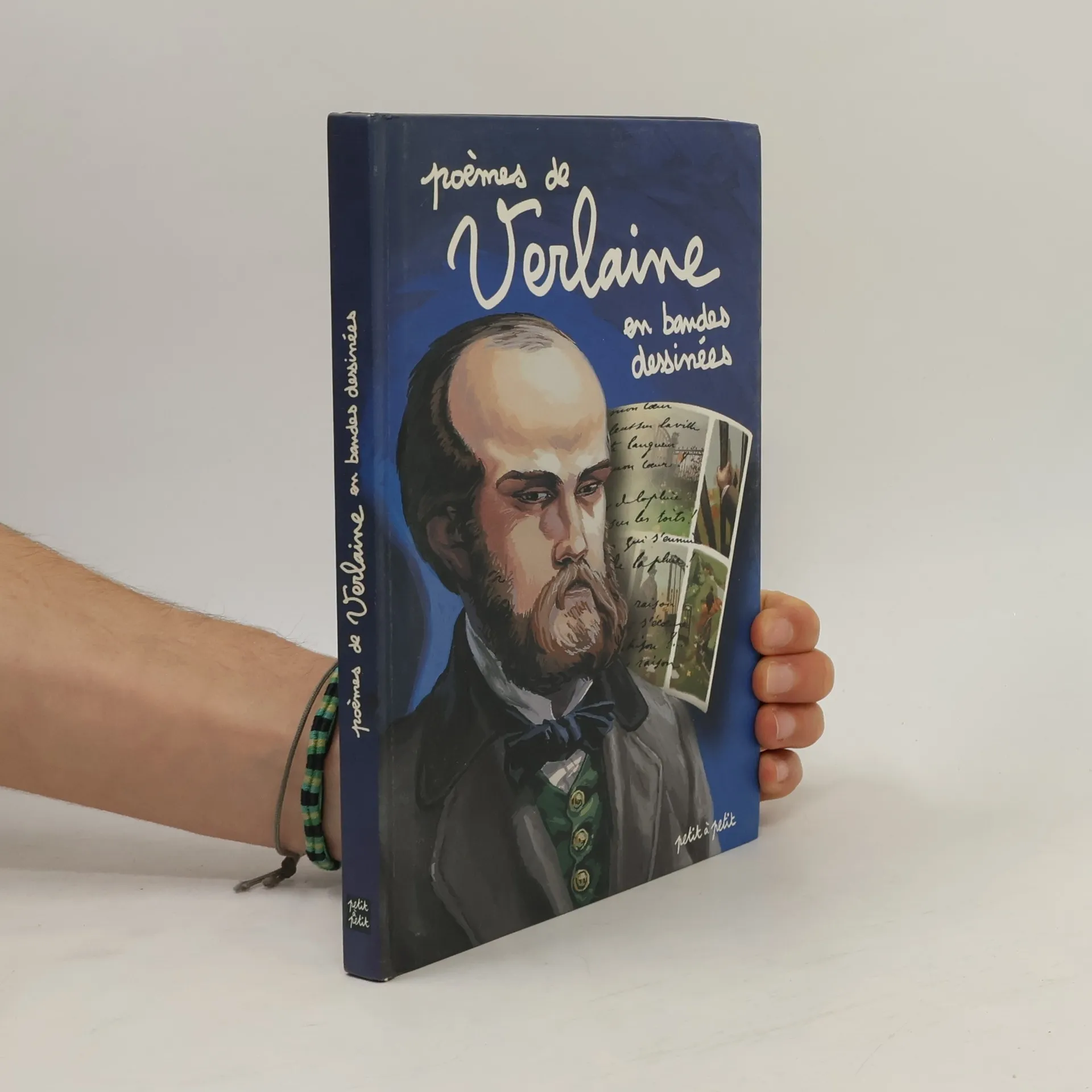
Poèmes de Verlaine en bandes dessinées
- 96 stránek
- 4 hodiny čtení
Des poèmes mis en images, accompagnés du texte original et d'indications biographiques sur le poète maudit.
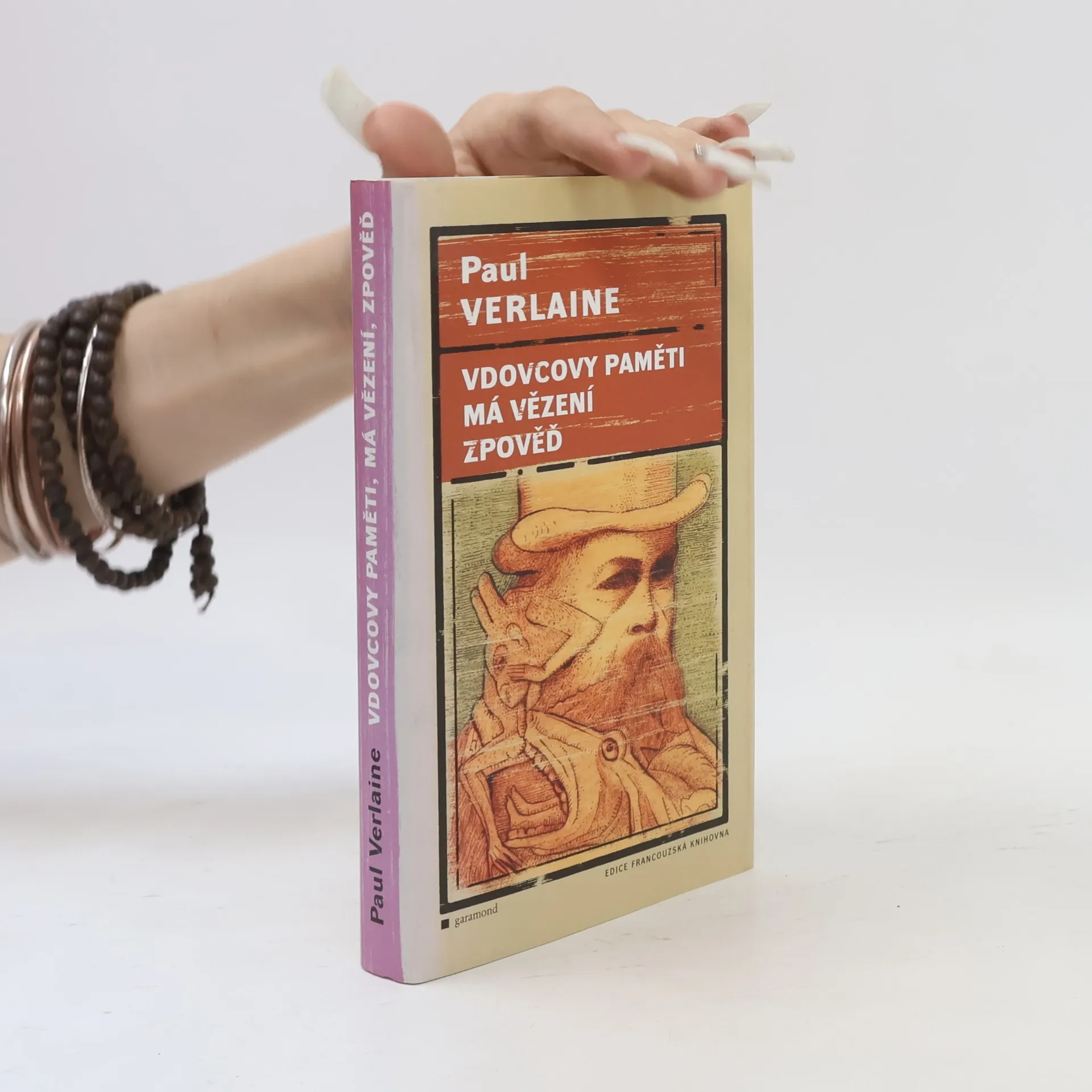
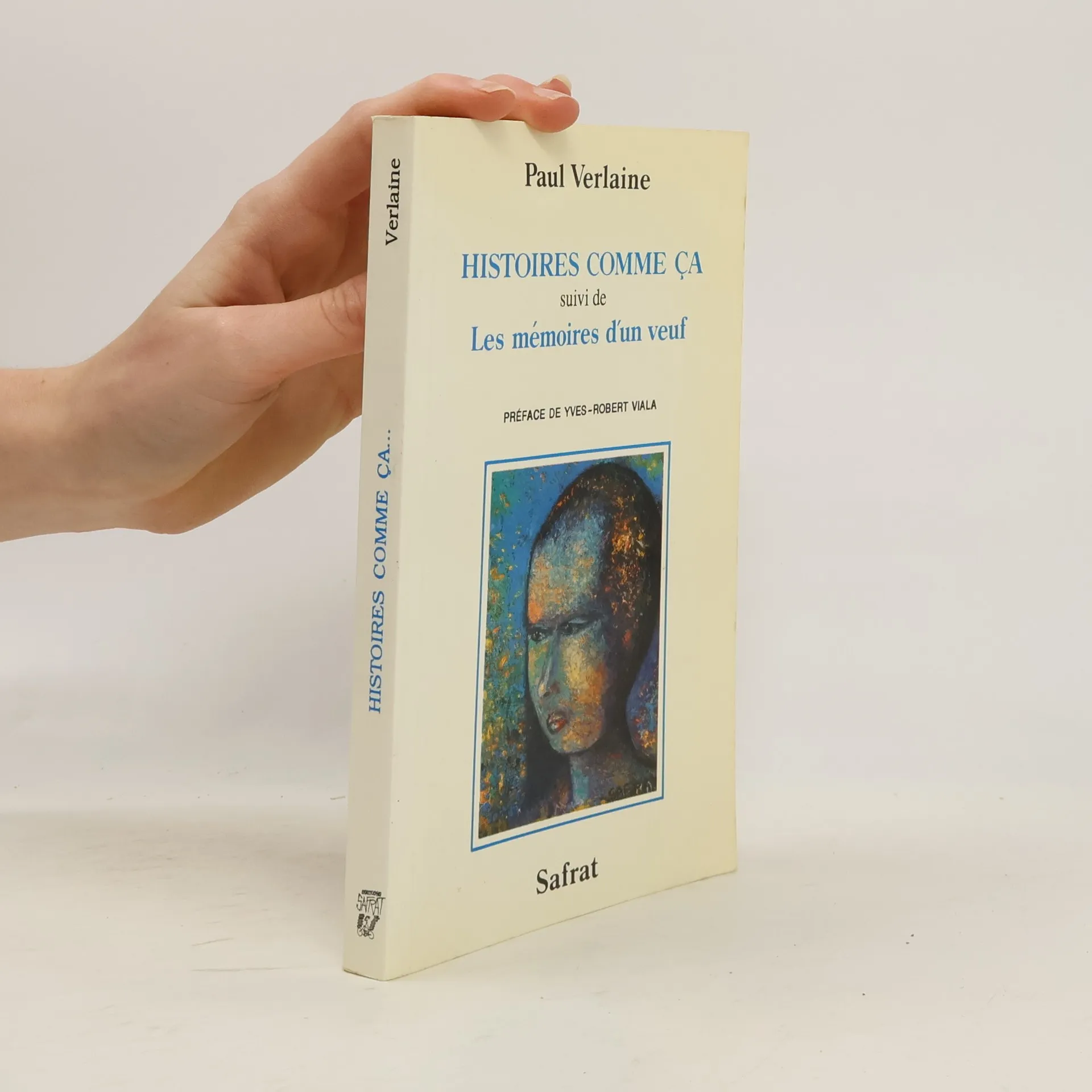
Vdovcovy paměti. Má vězení. Zpověď
- 279 stránek
- 10 hodin čtení
První český překlad Verlainových próz. Zatímco Vdovcovy paměti (1886) stojí na rozhraní autobiografické zpovědi a povídek, části Má vězení (1893) a Zpovědi (1895) jsou výlučně autobiografické. Verlaine v nich vypráví svůj život a líčí peripetie svého manželství s Matildou až po setkání s básníkem Arthurem Rimbaudem.
In deze tweetalige uitgave wordt een honderdtal gedichten gepresenteerd van Paul Verlaine (1844-1896), een van de meest leesbare en tot de verbeelding sprekende Franse dichters. Door de chronologische ordening van deze bij uitstek persoonlijke poezie krijgt de lezer een indringend portret van deze even fijnbesnaarde dichter als grofbesnaarde bohemien. Verhelderend is het uitgebreide commentaar van vertaler Peter Verstegen, waarin biografische details, tekstverklaring en vertaaltechnische aspecten aan bod komen. Van de vertalingen kan worden vastgesteld dat de poging zowel vorm als inhoud van de gedichten over te brengen uitstekend geslaagd is, waarbij aan het ongekunstelde woordgebruik en de muzikaliteit van Verlaine alle eer werd bewezen.Matthieu Kockelkoren
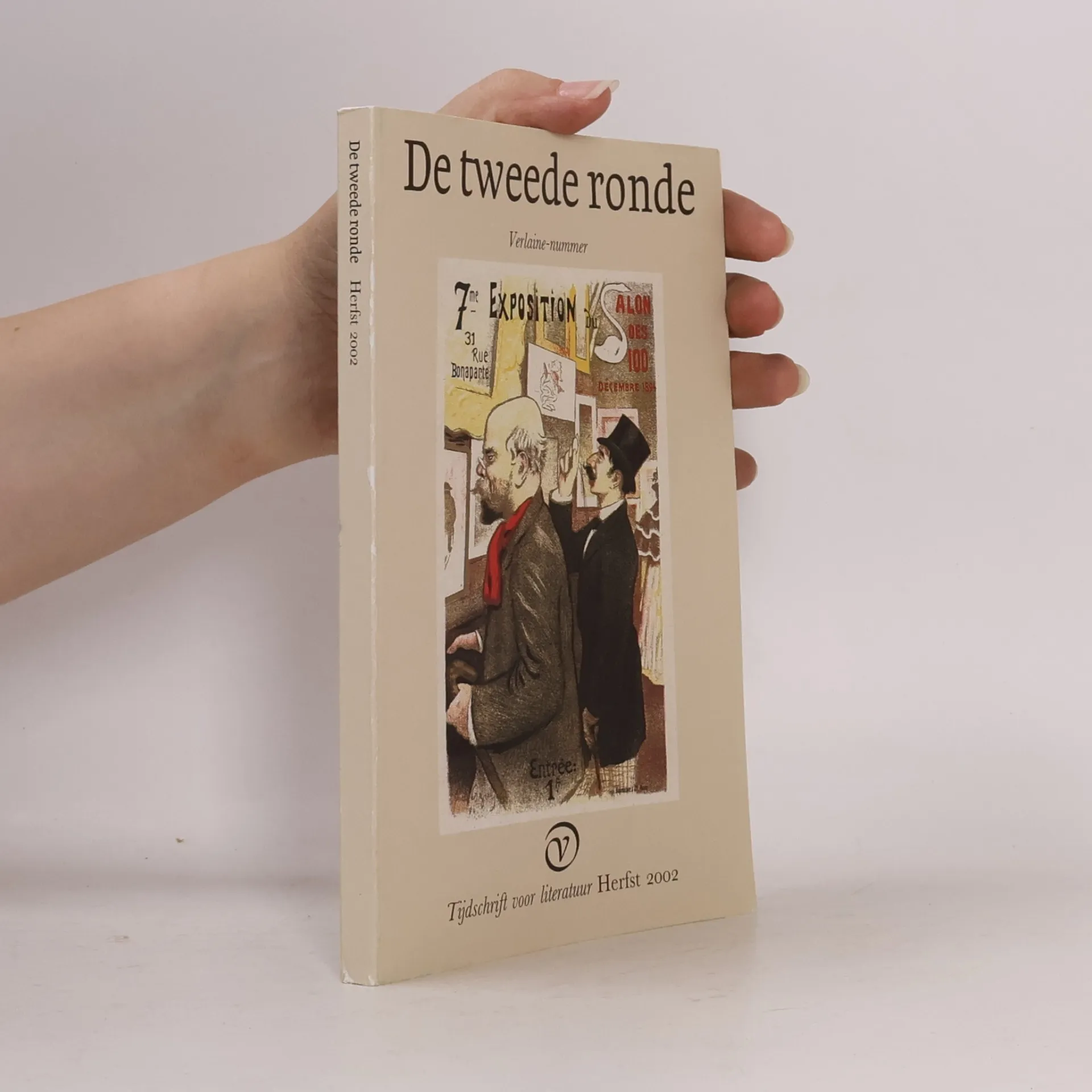
De Tweede Ronde Herfst 2002
Verlaine-nummer
O lásce
- 91 stránek
- 4 hodiny čtení
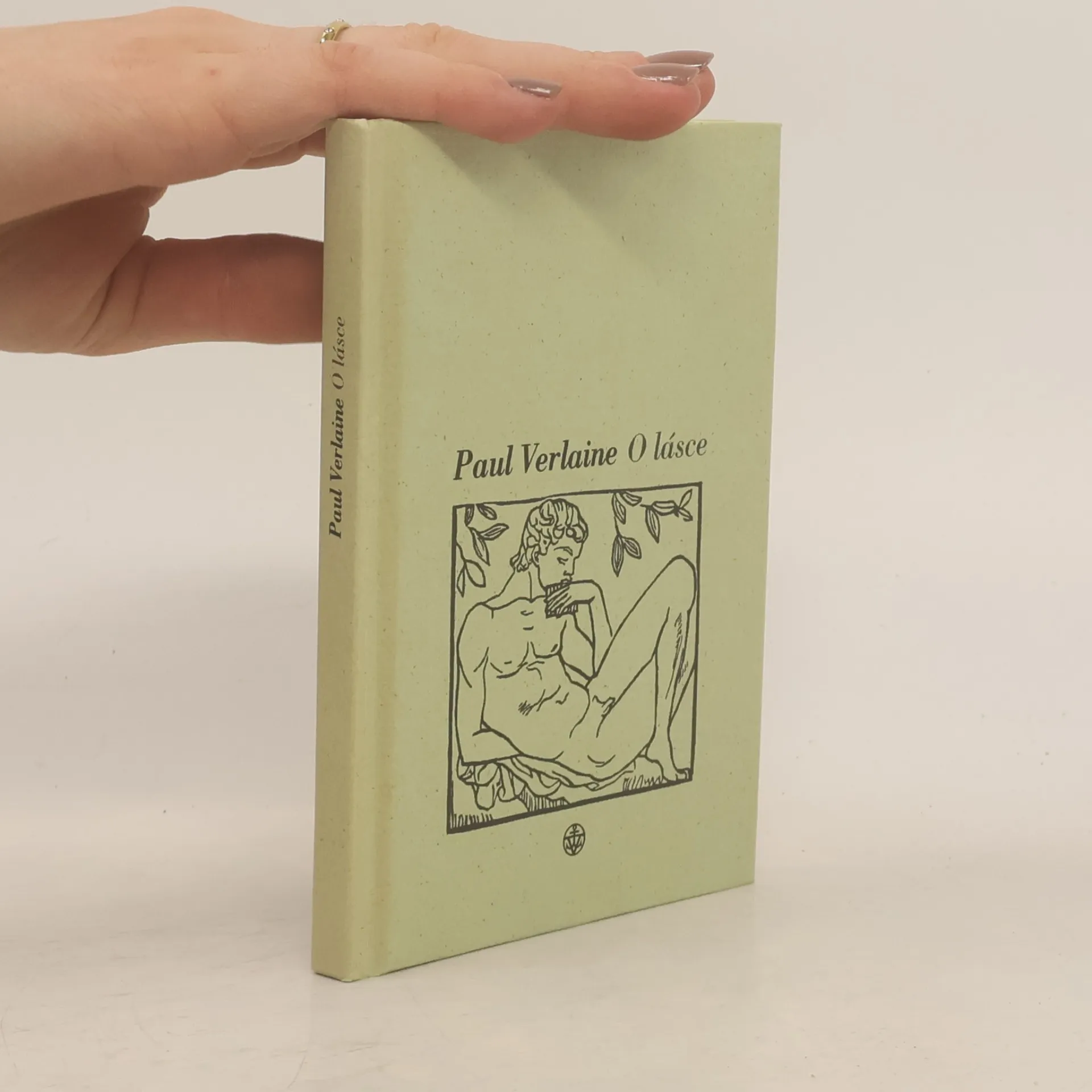
Verše vybrané a citlivě přetlumočené Gustavem Franclem odrážejí nelehký a hořký úděl člověka, jehož citové vazby se často dostávaly do tragických poloh, které v konečném dopadu předznamenaly i Verlainův odchod z tohoto světa. I po mnoha letech od svého vzniku mají však tyto verše pro svou formální vytříbenost schopnost silně oslovit současného čtenáře. Vždyť téma nenaplněné lásky je nakonec motivem, který bude věčně vyhledáván jak v dnešní, tak i budoucí poezii.
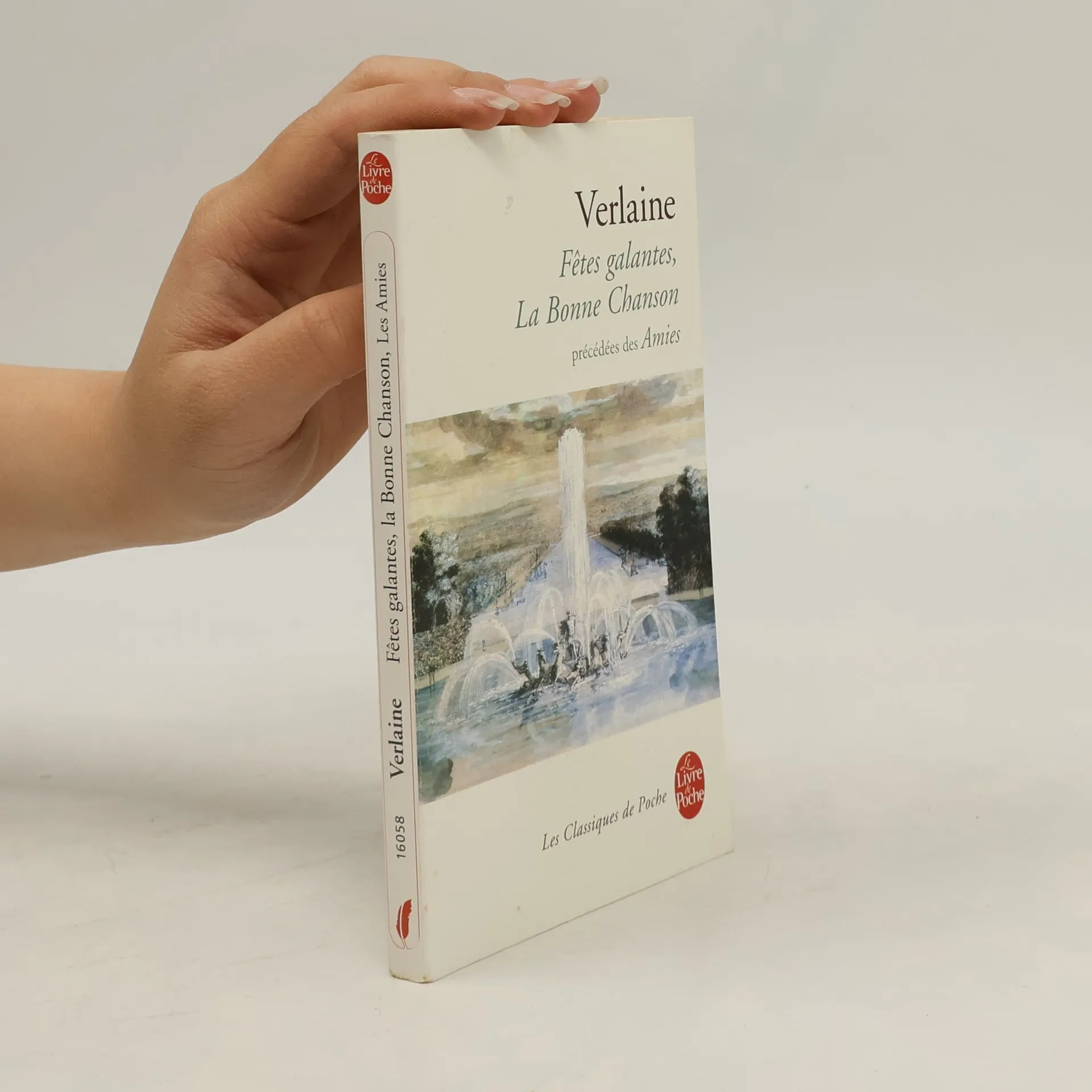
Fêtes galantes, Les Amies, La Bonne Chanson
- 192 stránek
- 7 hodin čtení
En 1867, le jeune Verlaine s’octroie un dérivatif frivole : composer une plaquette, Les Amies , qui contient six sonnets consacrés aux amours saphiques et paraîtra clandestinement. Ces quelques pièces, il est tentant de les opposer aux Fêtes galantes , parues quinze mois plus tard ; mais ce serait oublier combien, dans ce recueil qui emprunte son cadre à un xviiie siècle de parodie, couve aussi le désir charnel. Un recueil passéiste ? Un livre bien plutôt où le tour de force du poète est d’évoquer avec justesse les malaises de la jeunesse à la fin du Second Empire, dans un décor d’insouciante et paradoxale légèreté.«Ils n’ont pas l’air de croire à leur bonheur», dit un vers des Fêtes galantes . Mais Verlaine croit au sien lorsqu’il adresse jour après jour à sa future épouse les vingt et une pièces de La Bonne Chanson . Ingénus et sincères, ces poèmes d’amour chaste tranchent sans doute sur le reste de l’œuvre, mais le même savoir-faire s’y retrouve : celui, disait Banville, d’un «artiste toujours aussi savant mais devenu heureux».Edition présentée et annotée par Olivier Bivort.
Oeuvres poétiques de Paul Verlaine
- 204 stránek
- 8 hodin čtení
Oxford World's Classics: Selected Poems
New Translations With Parallel French Text By Martin Sorrell
- 317 stránek
- 12 hodin čtení
Verlaine ranks alongside Baudelaire, Mallarme, and Rimbaud as one of the most influential poets of late nineteenth-century France. Remarkable not only for his exquisitely crafted verse, Verlaine is also the poet of strong emotions and appetites, with an unrivalled gift for the sheer music of poetry, and an inventive approach to its technique. This bilingual edition provides the most comprehensive selection of his poetry yet, offering some 170 poems in lively and fresh translations. It also offers a lucid introduction which illuminates Verlaine's poetic form within the context of French Impressionism and the poetry of sensation."
" Chute des reins, chute du rêve enfantin d'être sage, Fesses, trône adoré de l'impudeur, Fesses, dont la blancheur divinise encore la rondeur. Triomphe de la chair mieux que celui par le visage ! " Du corps humain auquel il rend hommage, Verlaine fait jaillir une céleste musique. Corps de femmes, corps de garçons tant rêvés, tant aimés, dont chaque versant, chaque pli indique un chemin à explorer, un paysage à parcourir... Ici, le désir coule entre les lignes. Il a tantôt la grâce d'une rivière paresseuse, tantôt la rage d'un torrent tumultueux. Il se fait ange ou démon. Serein ou tourmenté. Enfer brûlant ou paradis perdu...
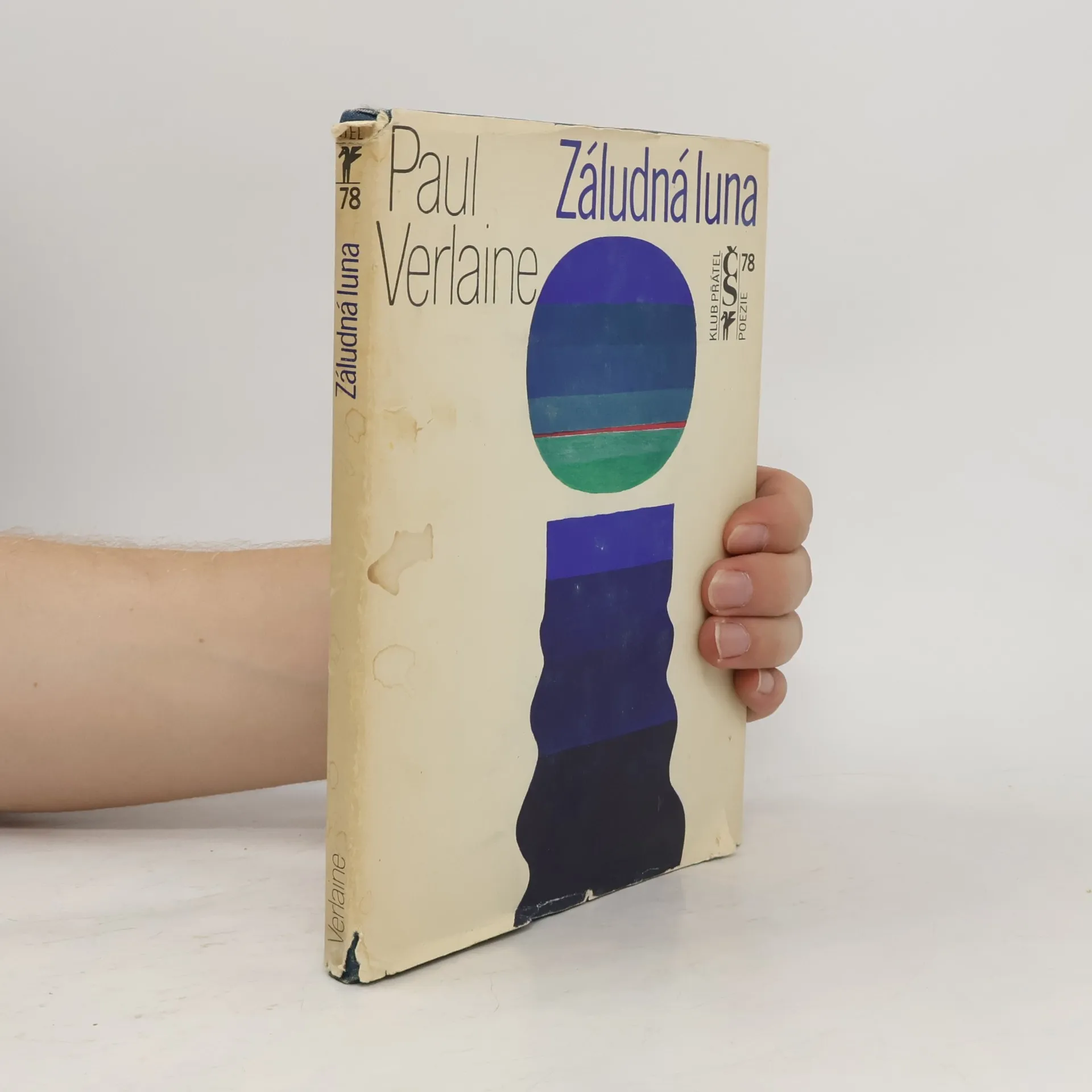
Výběr z Verlainových básní - z různých francouzských originálů vybral a přebásnil František Hrubín.
Romances sans paroles... Mélodies douces aux accents tragiques... " Il pleure dans mon cœur comme il pleut sur la ville ", chante le poète... Arthur Rimbaud, l'ange noir, vient alors d'entrer dans la vie de Verlaine... Comme un coup de tonnerre dans une nuit d'été. Les deux amants s'enfuient, s'appellent, se chassent, se cachent. Leur route est celle de l'errance... Les plaines qu'ils traversent se font interminables, sous un ciel de cuivre " sans lueur aucune ". Mais après l'orage de la passion vient le répit de l'aube apaisée, celui de la Sagesse retrouvée... Une musique aux accents nostalgiques s'élève dans l'air pur du matin ? Soudain, l'espoir luit ! " Le ciel est, par-dessus le toit, Si bleu, si calme ! "
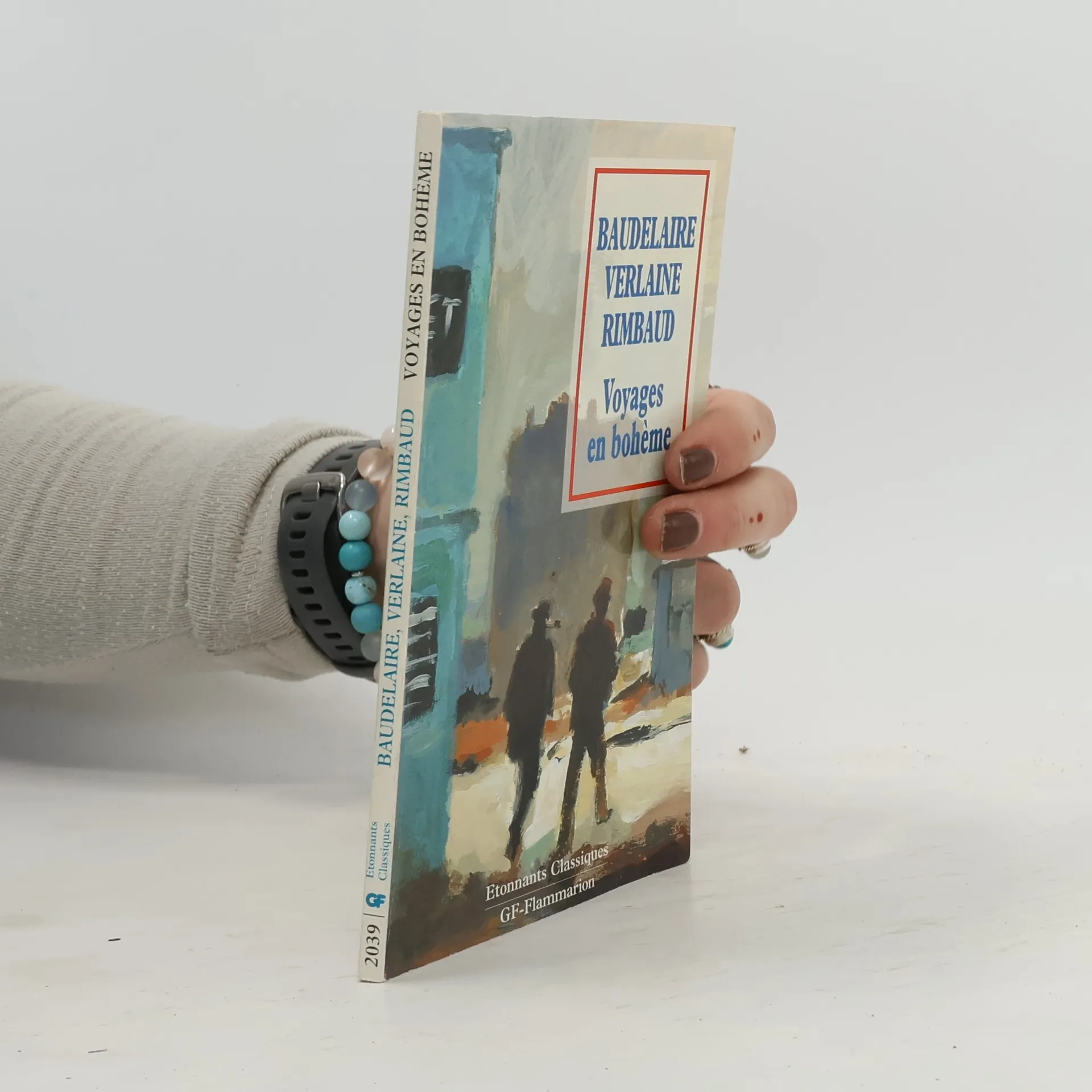
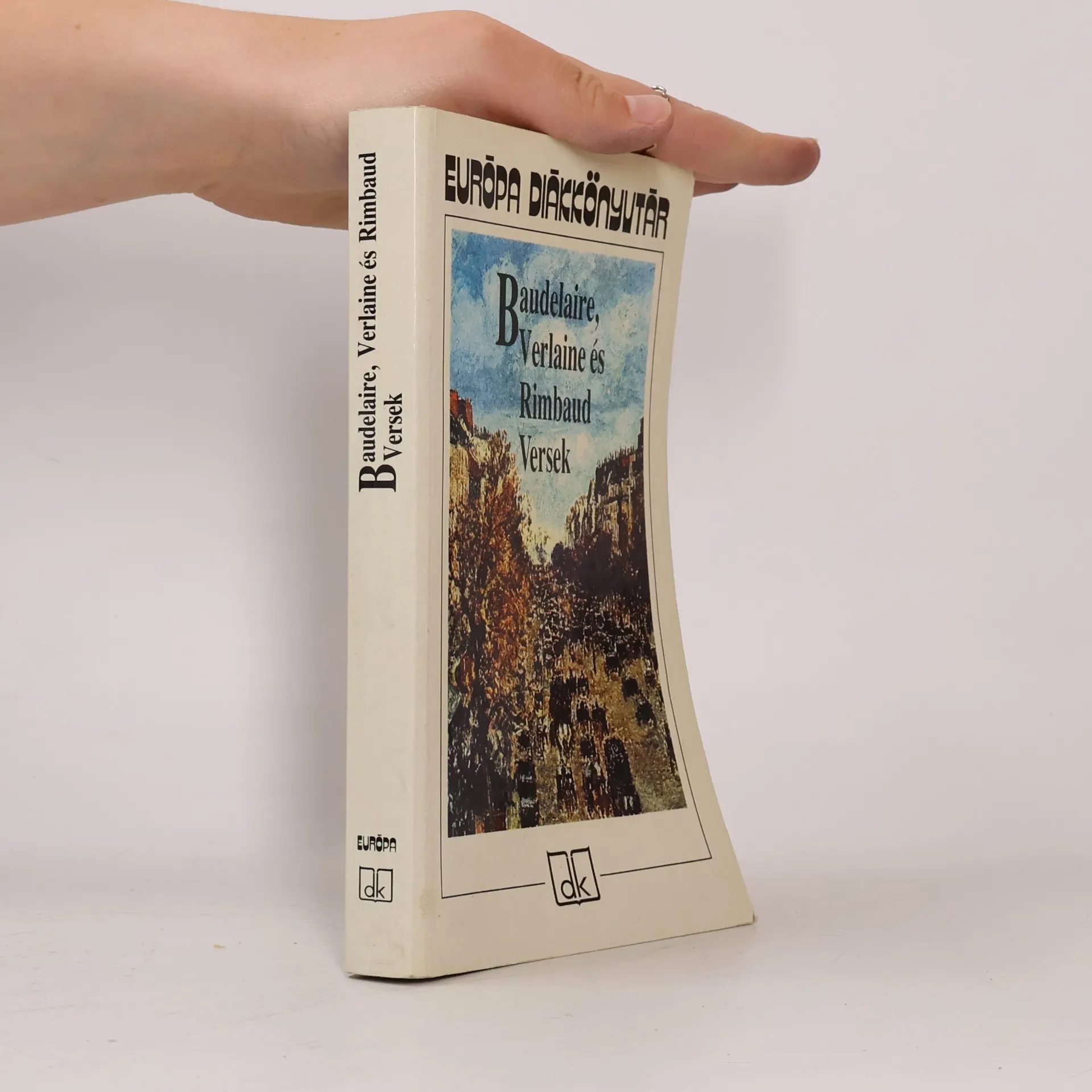
Baudelaire, Verlaine, Rimbaud
Voyages En Bohème
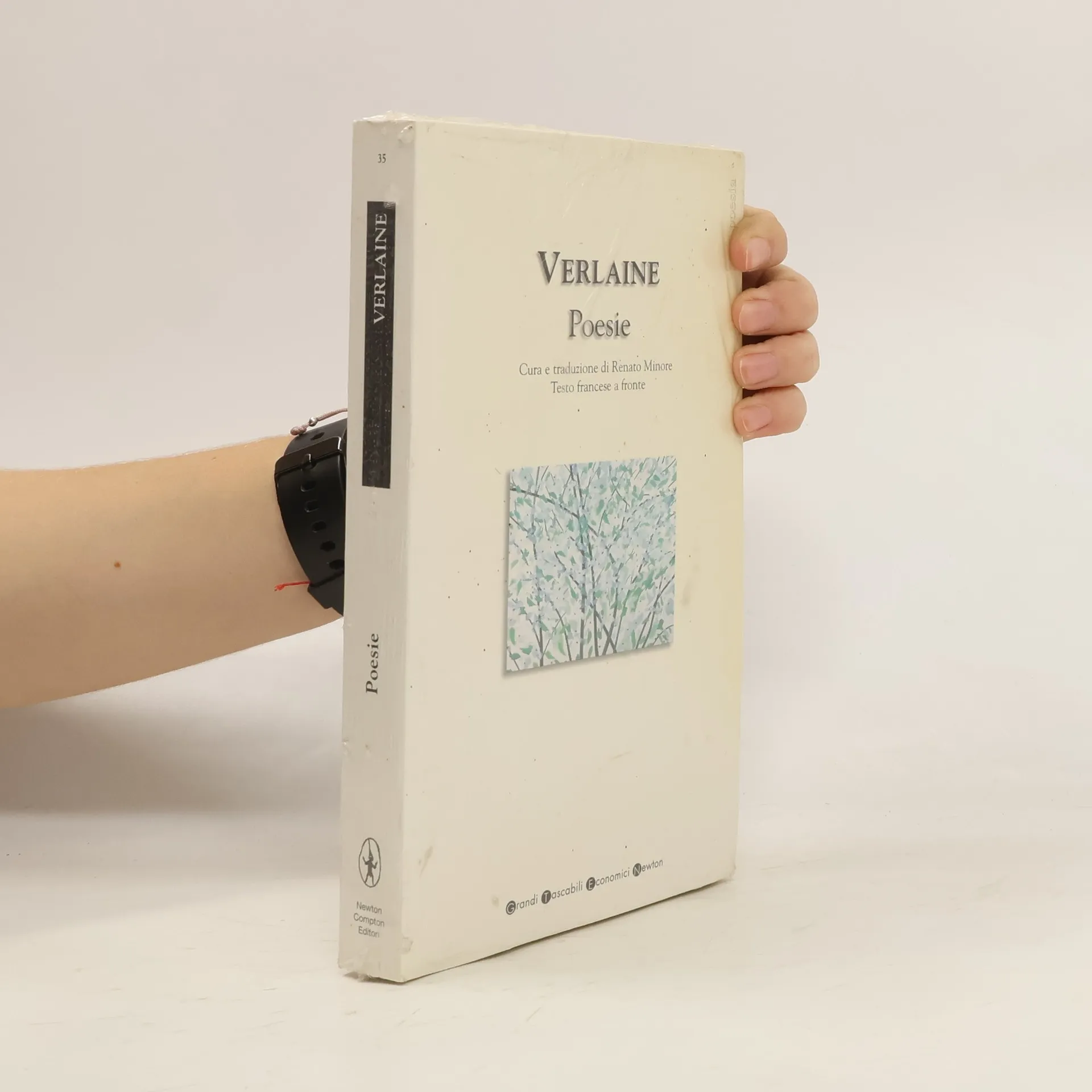
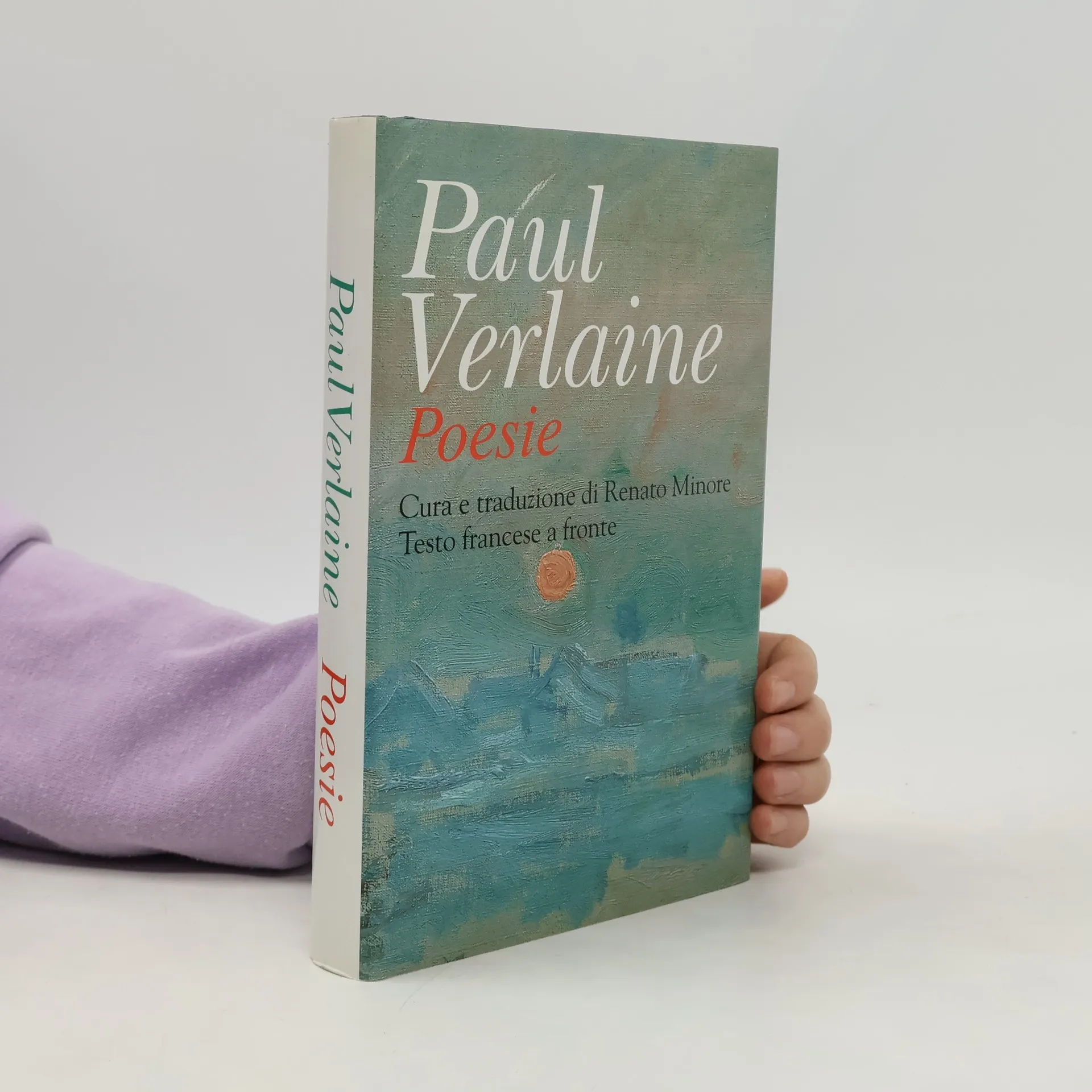
Testo francese a fronte. Il tentativo di rendere la sensazione in una forma immateriale, di puro suono, anima fin dagli esordi la produzione poetica di Verlaine. L'illuminazione invece della descrizione, il frammentario invece del complesso, il non definito invece della massiccia coerenza del reale sono vie attraverso cui i suoi versi si spingono a cercare il limite estremo della parola prima che diventi musica, a comporre un linguaggio poetico capace di superare la distanza tra realtà esterna, sensitività e coscienza in autonomi paesaggi interiori.
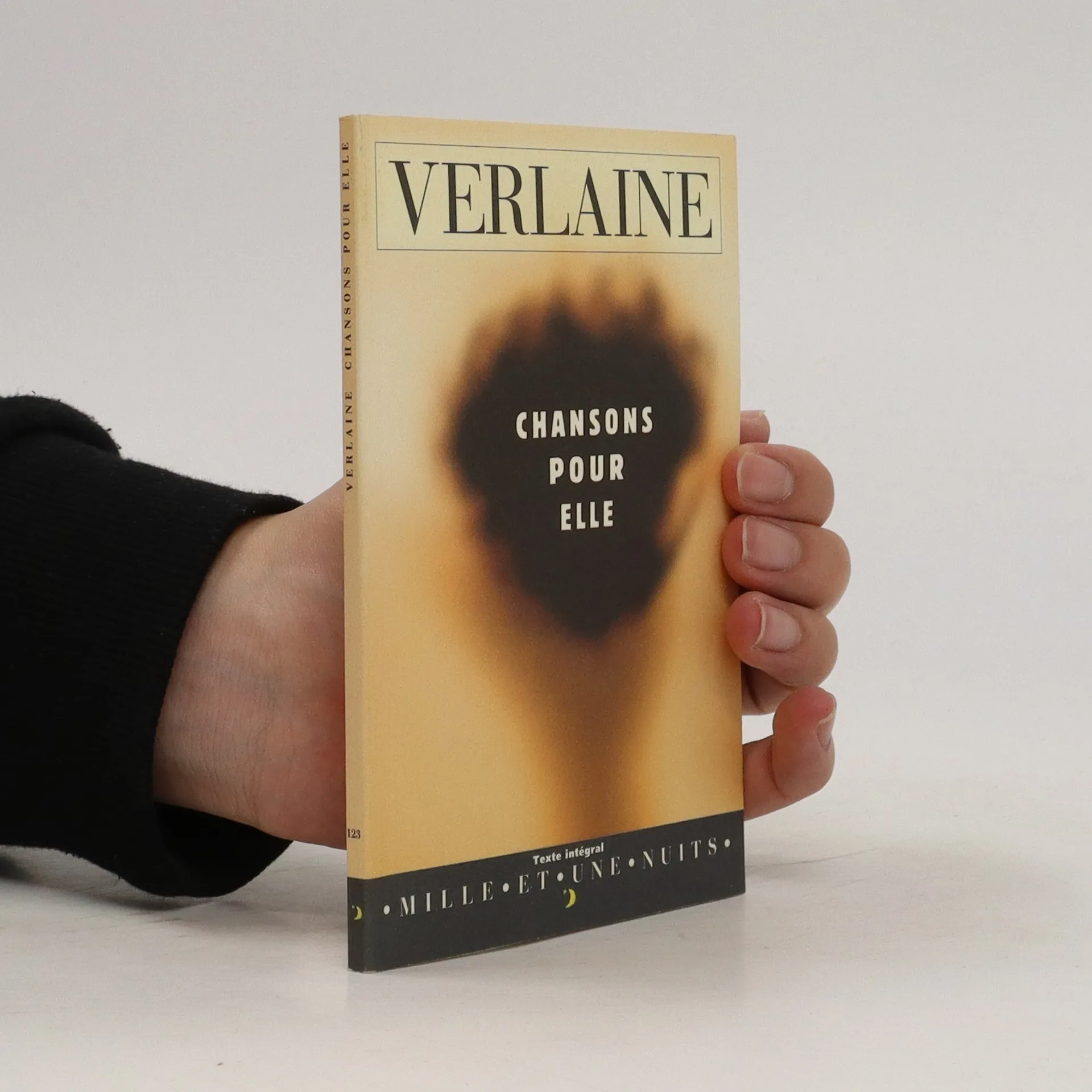
Chansons pour elle
- 47 stránek
- 2 hodiny čtení
Compagne savoureuse et bonneÀ qui j’ai confié le soinDéfinitif de ma personne,Toi mon dernier, mon seul témoin,Viens çà, chère, que je te baise,Que je t’embrasse long et fort,Mon cœur près de ton cœur bat d’aiseEt d’amour pour jusqu’à la mort :Aime-moi,Car, sans toi,Rien ne puis,Rien ne suis.
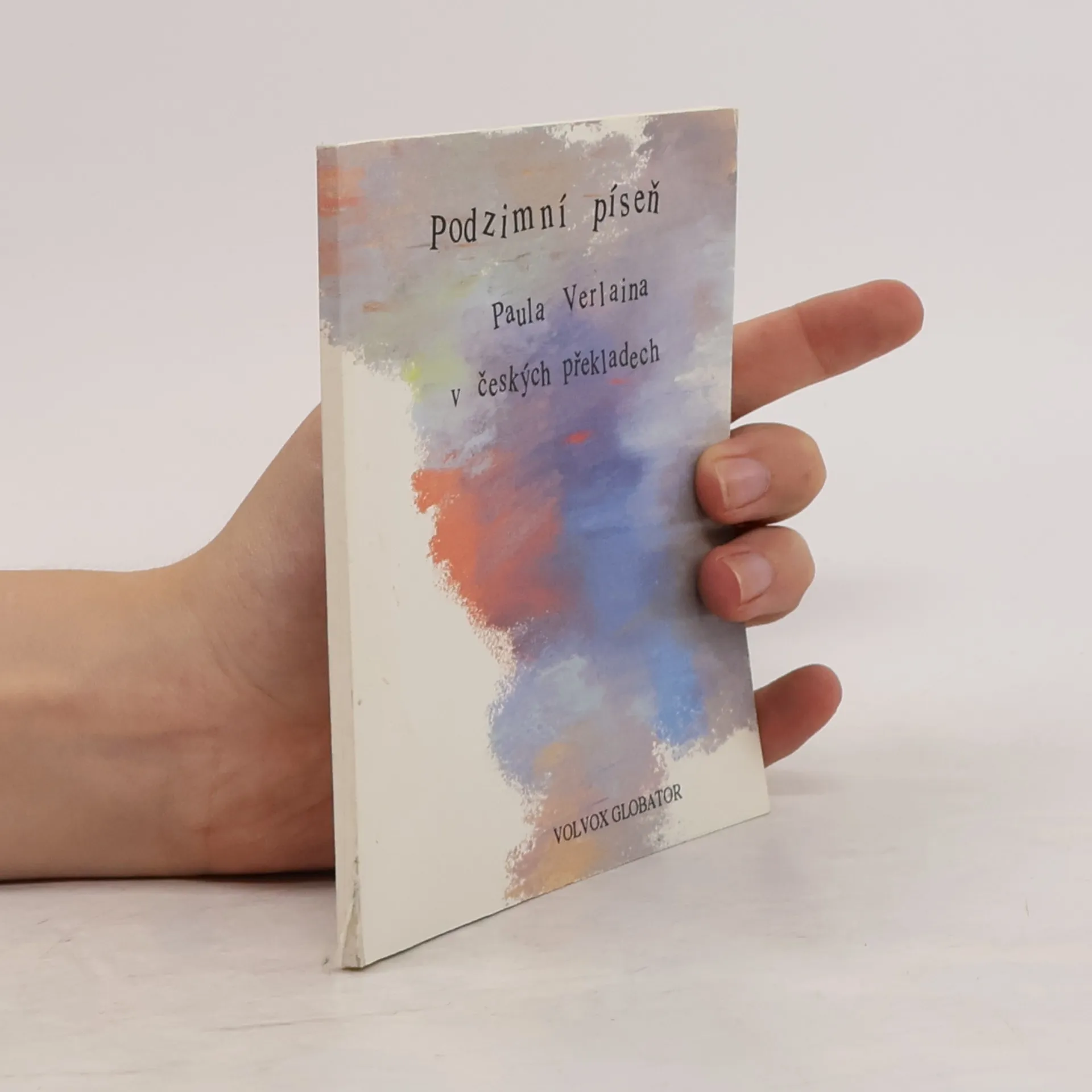
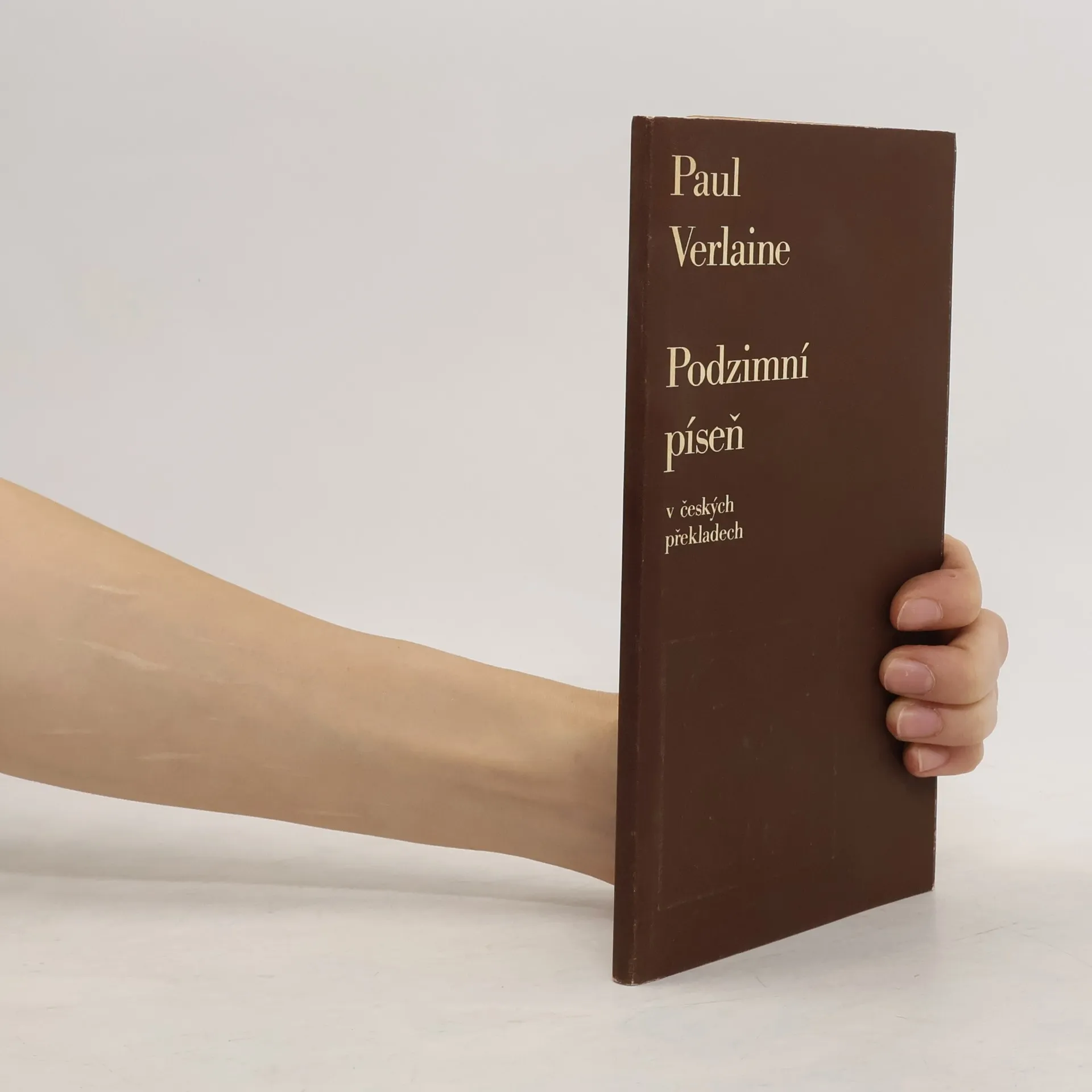
Podzimní zpěv
- 32 stránek
- 2 hodiny čtení
Překladatel Libor Koval v této útlé knížce zveřejnil svých 28 variací překladu jediné Verlainovi básně - Podzimního zpěvu.
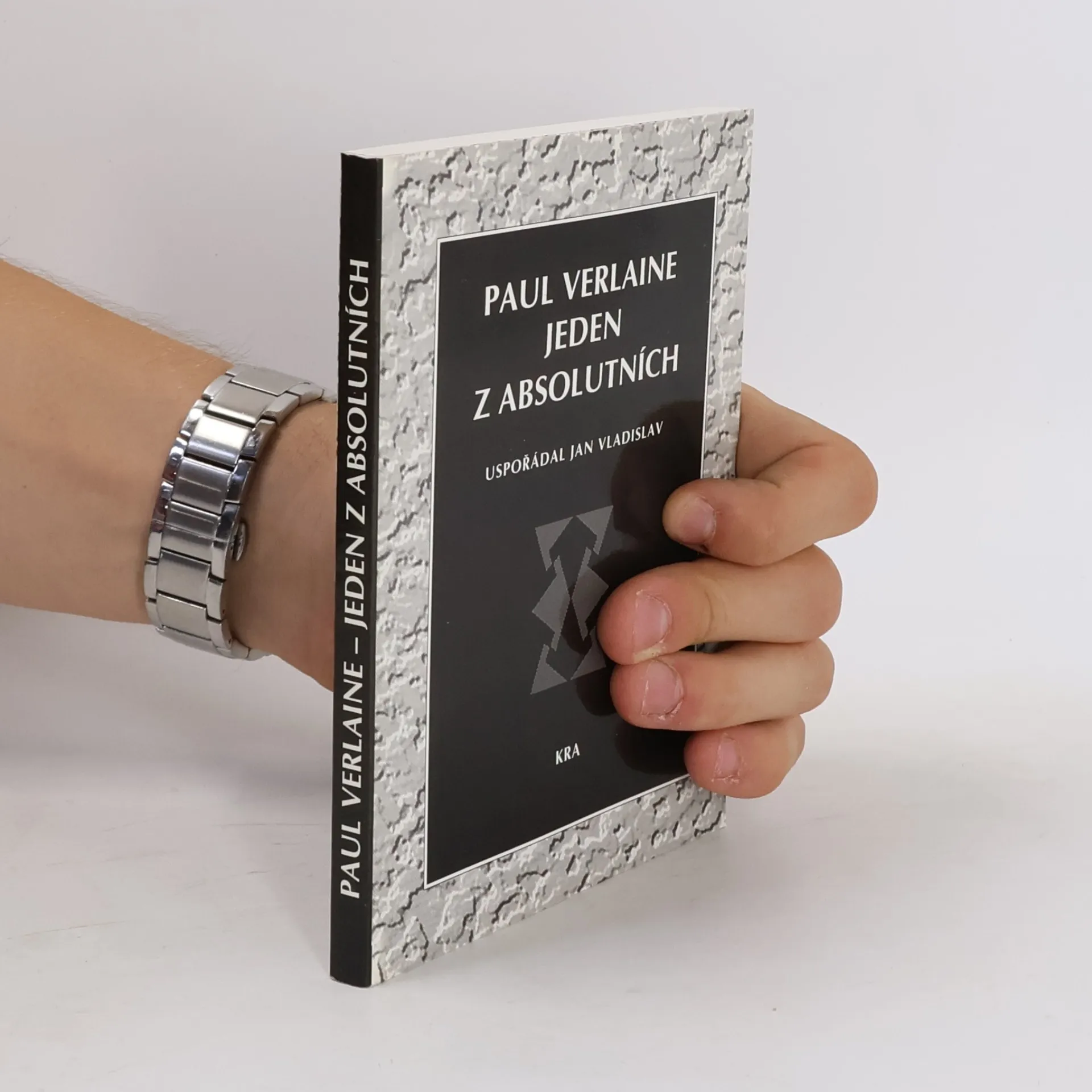
Jeden z absolutních
- 134 stránek
- 5 hodin čtení
Přeložil a uspořádal Jan Vladislav. Výběr dopisů Paula Verlaina a jeho přátel.
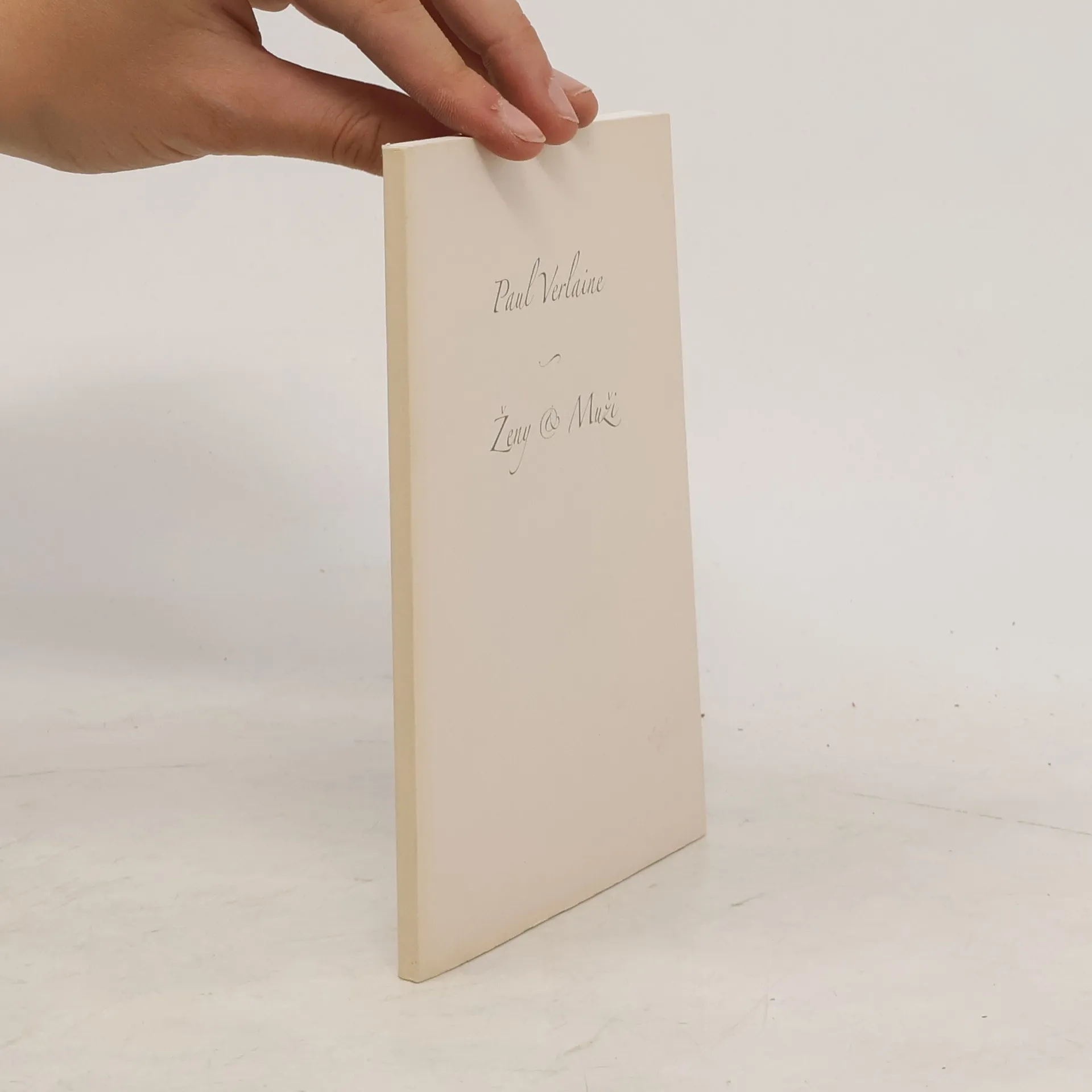
Ženy a Muži
- 80 stránek
- 3 hodiny čtení
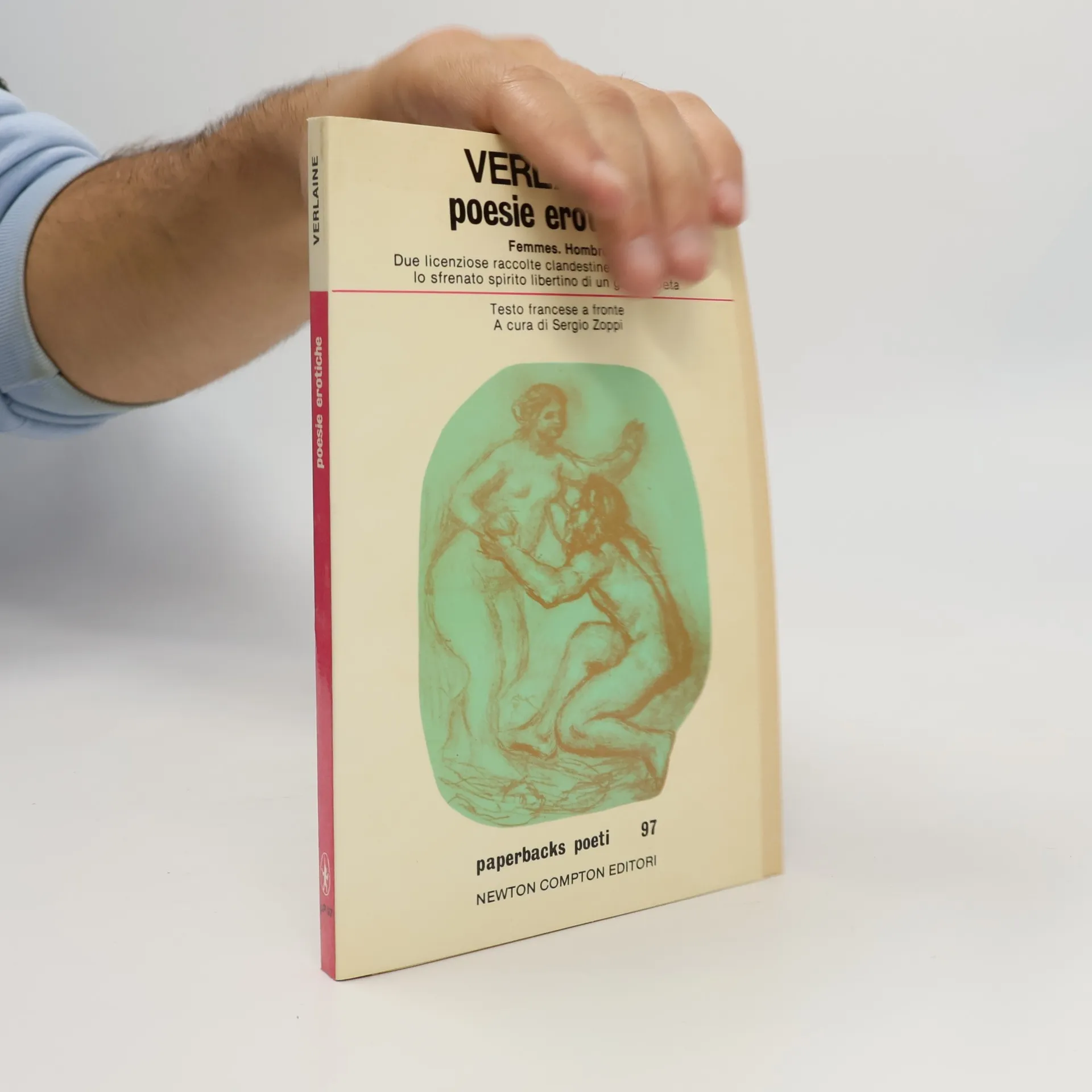
Dvěma pokoutně vydanými sbírkami poezie Ženy a Muži se Paul Verlaine krátce před svou smrtí zařadil mezi největší básnické pornografy všech dob. Výrazně narušil tradici roztomilých nestydatostí Grécourta či Pirona a podal s dosud neslýchanou lascivností subjektivní pornografii. S jazykovou brilantností, všemi básnickými prostředky jeho dřívější lyrické sensitivnosti nyní učinil nejnaturálnější myslitelné sebeodhalení a zveřejnil to nejsyrovější ze svých tělesných představ. Básníkovo dřívější sexuální rošťáctví je zde najednou plně obnažené a v intencích společenské konvence odsuzováno jako oplzlé.
Obscene Gedichten
- 51 stránek
- 2 hodiny čtení
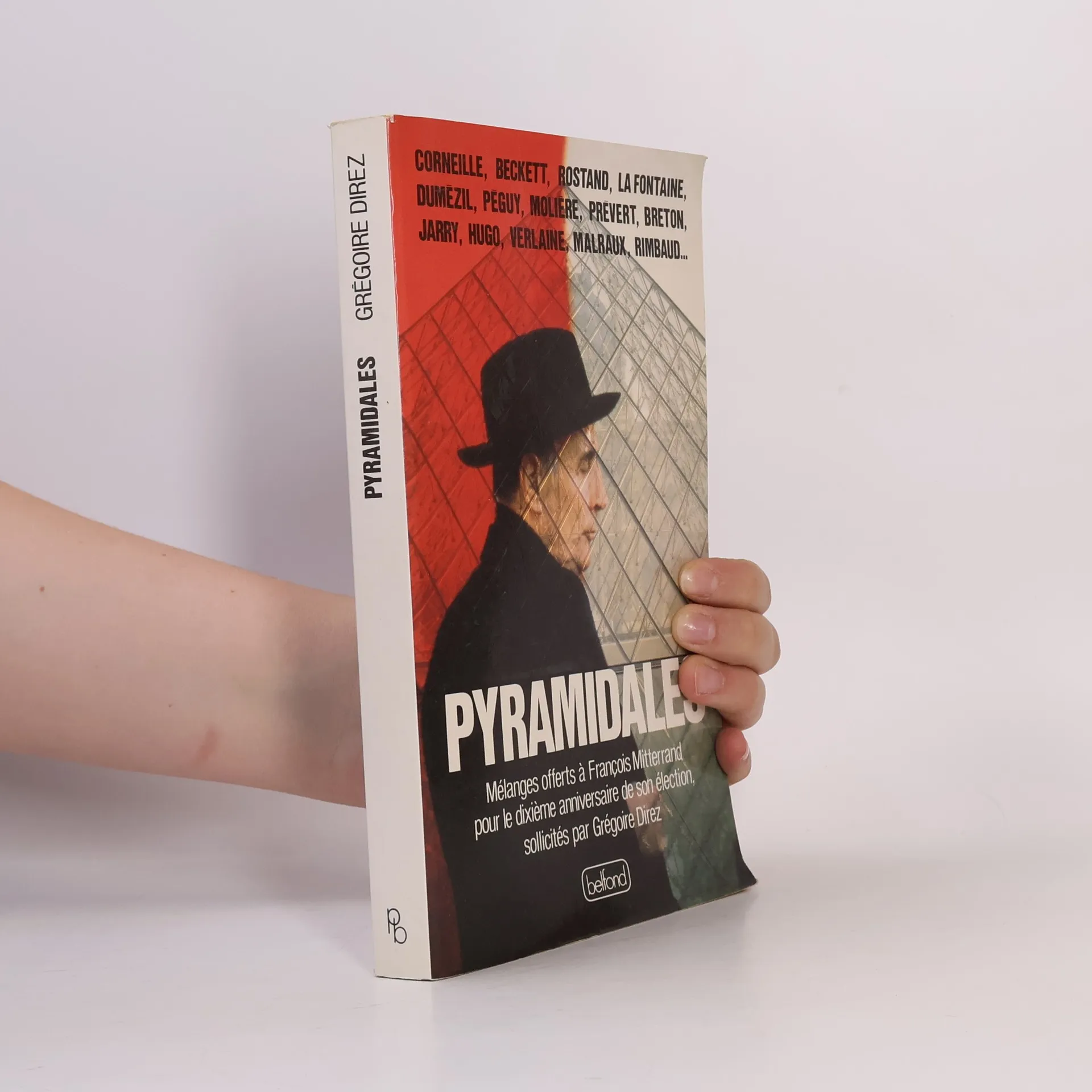
Pyramidales
Mélanges offerts à François Mitterrand pour le dixième anniversaire de son élection
- 248 stránek
- 9 hodin čtení
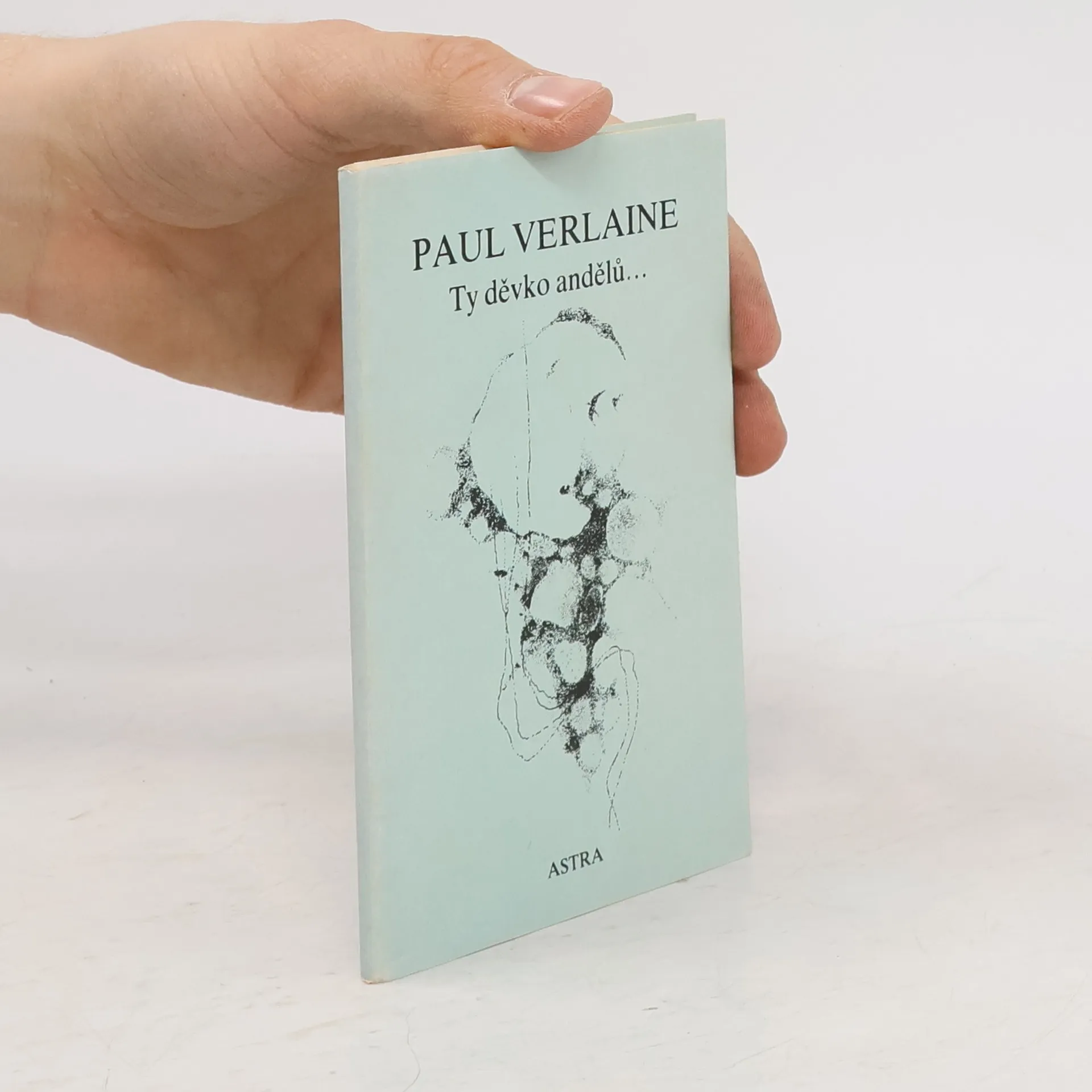
Ty děvko andělů
- 45 stránek
- 2 hodiny čtení
Knížka, jež je jakousi kapesní bibliofilií, obsahuje výbor především z intimní a milostné lyriky.
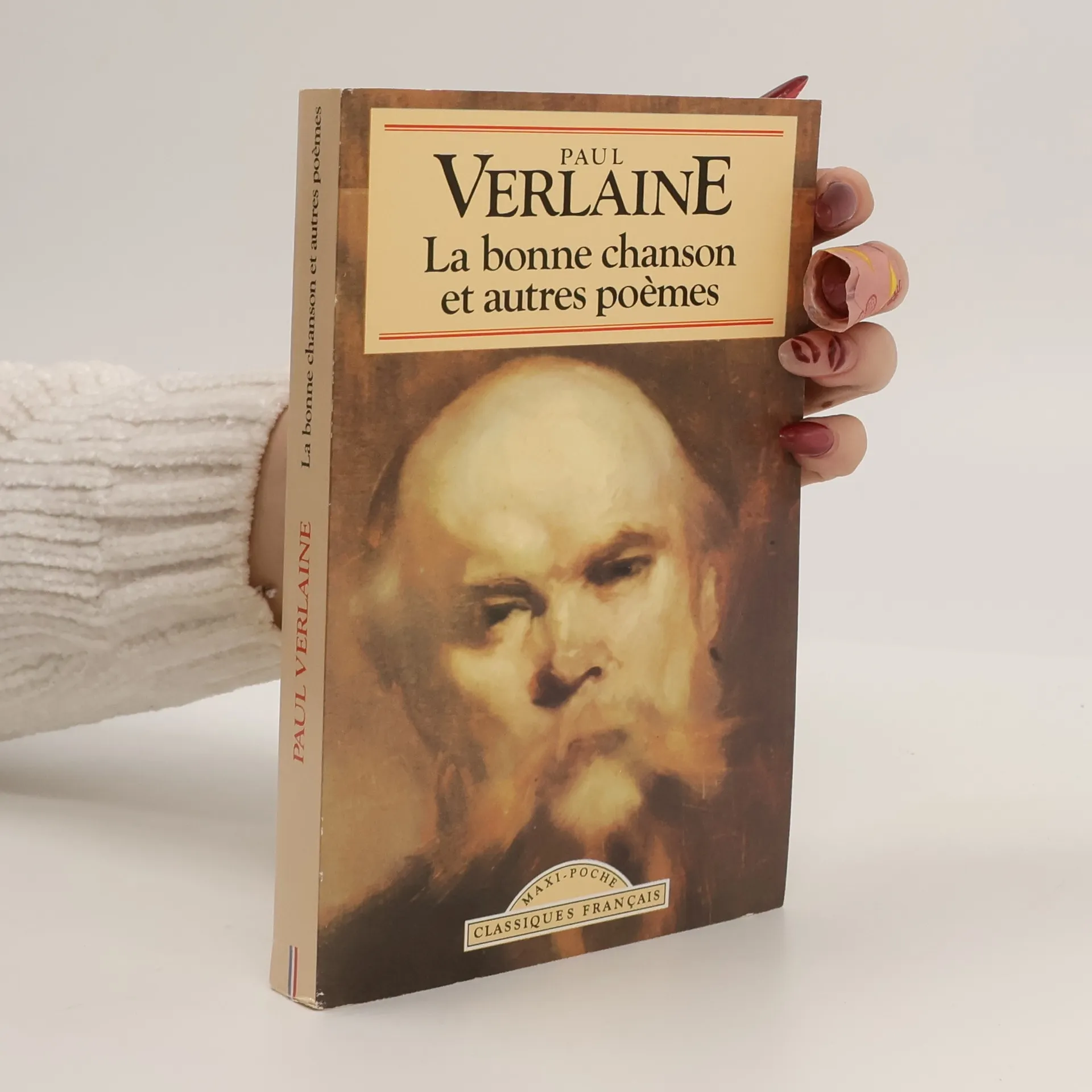
La bonne chanson
- 318 stránek
- 12 hodin čtení
Galante Feste
Zweisprachige Ausgabe
Verslag van het bezoek dat de Franse dichter in 1893 aan Nederland bracht.
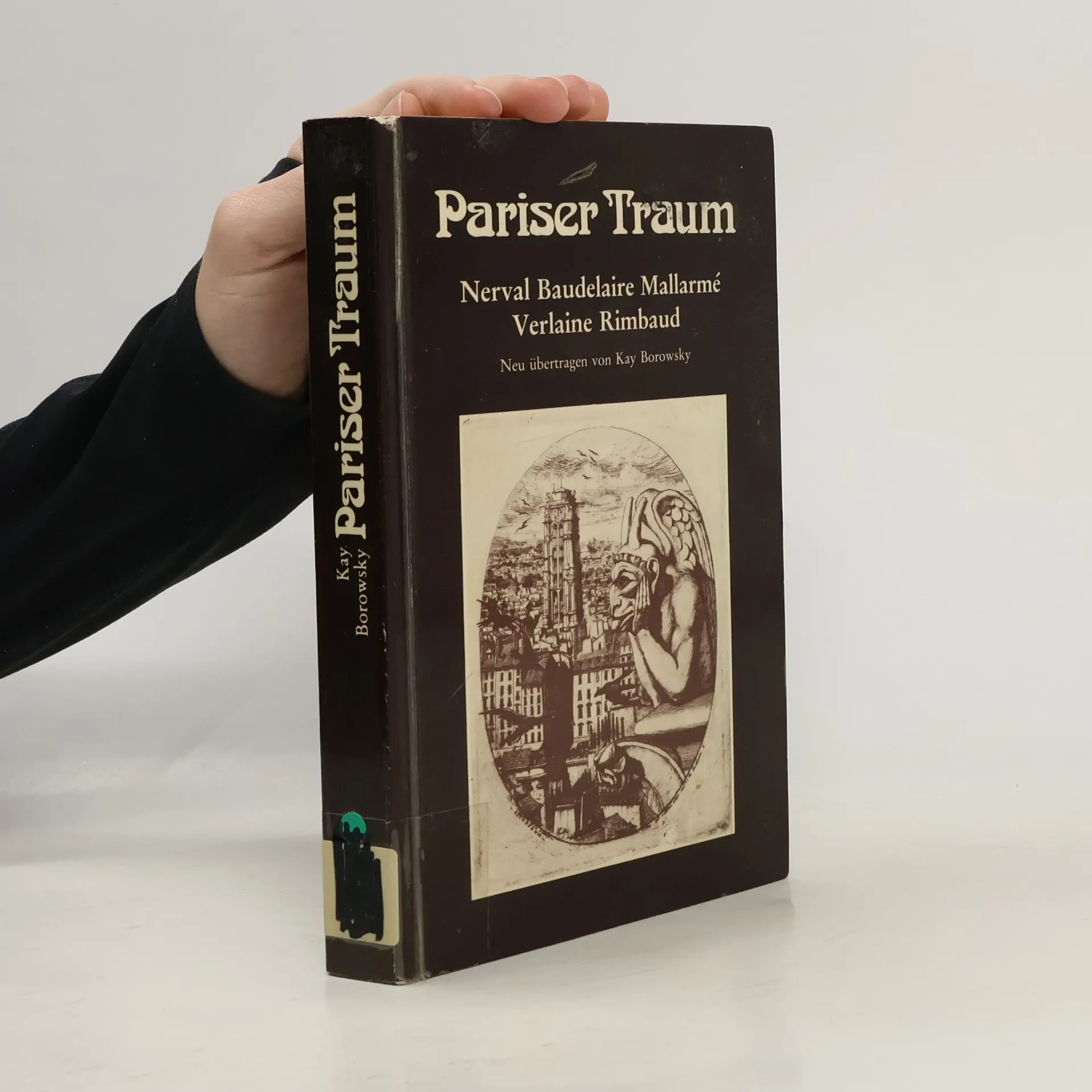
Pariser Traum
Nerval Baudelaire Mallarmé Verlaine Rimbaud in Auswahl - Neu übertragen von Kay Borowsky. Zweisprachige Ausgabe
- 248 stránek
- 9 hodin čtení
Básnická skladba francouzského klasika z r. 1880, jejímž základním motivem je Verlainova dočasná konverze na katolickou víru.
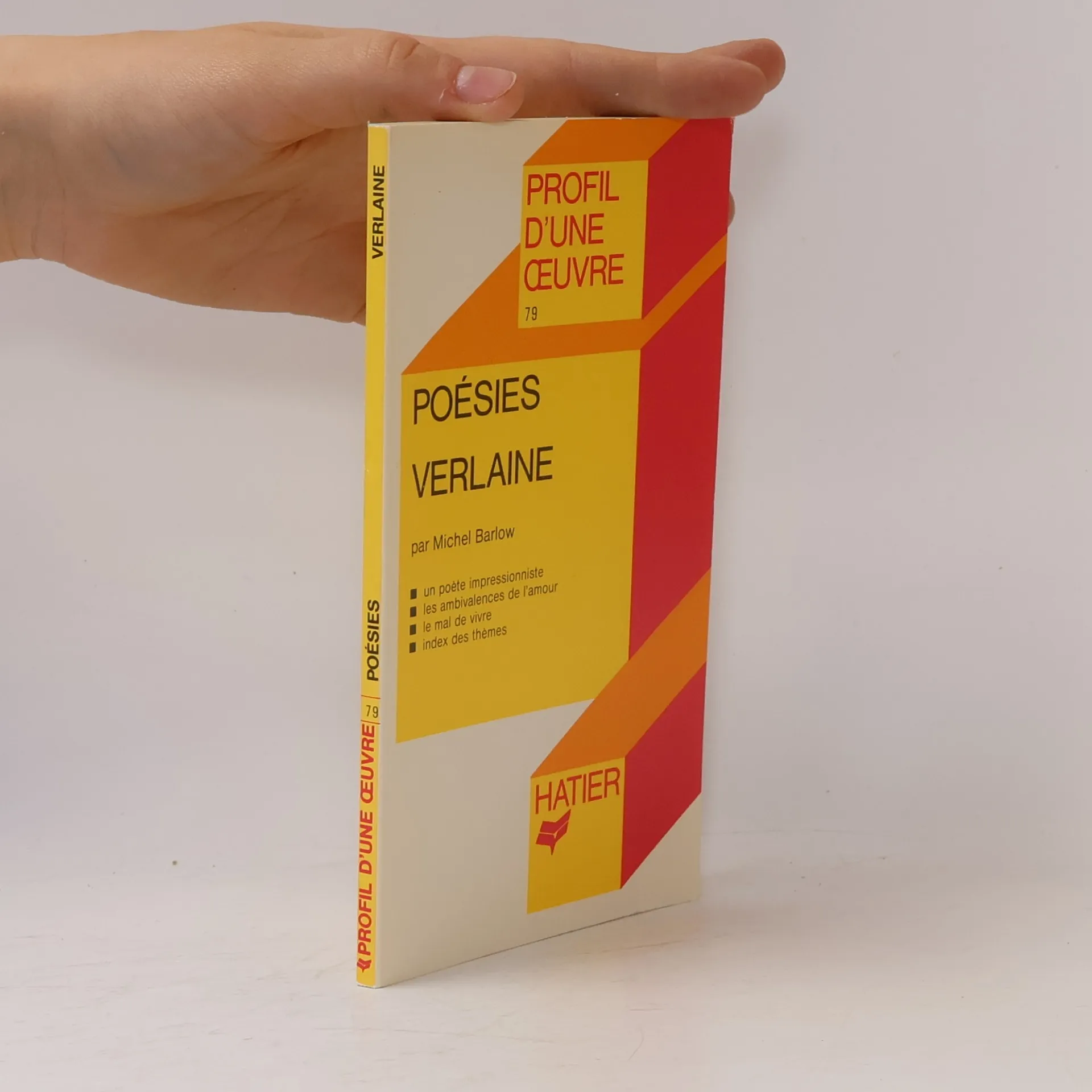
Poche - 79 pages Présentation de l'éditeur : * Un poète impressionniste * Les ambivalences de l'amour * Le mal de vivre * Index des thèmes Sommaire : Introduction : Verlaine par lui-même 1. Verlaine et son temps 2. Les oeuvres poétiques de Verlaine 3. Paysages verlainiens 4. Les ambivalences de l'amour 5. Le mort, ironique compagne 6. Le mal de vivre 7. Un Dieu maternel 8. Rires et sourires de Verlaine 9. De la musique avant toute chose : rythme et timbres verlainiens * Le Verlaine de la grande époque * Les autres poétiques de Verlaine 10. Adieu au poète : Verlaine écartelé entre le rêve et le réel Bibliographie et discographie sommaire Index thématique
Poésie: La Bonne Chanson Jadis et naguère Parallèlement
- 256 stránek
- 9 hodin čtení
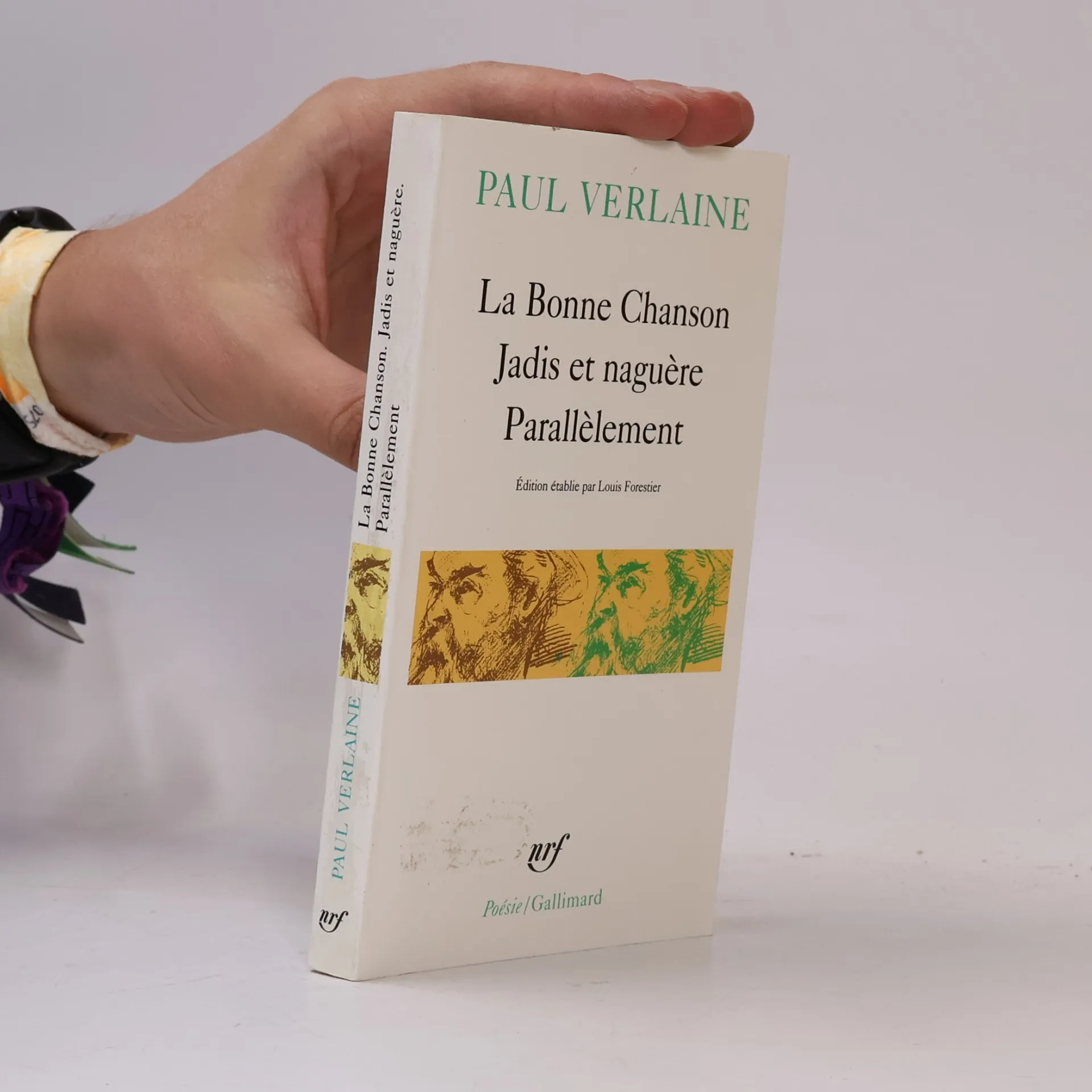
"Qu'il y ait de la disparate entre les trois recueils qui suivent, leurs dates respectives de publication suffisent à le démontrer. Près de vingt ans séparent La Bonne Chanson de Parallèlement, quatorze la séparent de Jadis et naguère (1870, 1884, 1889). Deux décennies durant lesquelles bien des événements sont survenus dans l'existence de Verlaine : fiançailles et mariage dans l'espoir du bonheur aussitôt dissipé ; rencontre de Rimbaud, avec lequel il forme un de ces couples dioscuriques dont s'encombrent les mythologies ; vagabondages, fugues, retours, séparations, prison. Expériences bien différentes, dans la vie et dans la création poétique ; les trois recueils en restituent les échos divers à des points de vue variés. La Bonne Chanson est toute tendue d'un désir du futur proche, Jadis et naguère revient sur un passé révolu dont certaines heures restent chères au souvenir. Parallèlement glorifie les sensualités marginales et autres. Futur trompeur, passé perdu, présent bivalent... [...]" Louis Forestier.
Výběr ze sbírek: Saturnské básně, Galantní slavnosti, Dobrá píseň, Písně beze slov, Moudrost, Kdysi, Láska, Paralerně, Tělo, Varia, Posmrtná kniha v překladech v Překladech Bergrové, Čapka, Dyka, Holana, Hrubína, Jelínka, Seiferta a Vrchlického s poznámkou Evy Ruxové k Verlainovi a českým překladům. Bilingvní vydání - jedna strana francouzký originál, druhá strana přebásnění do češtiny.
Poetische Werke
Französisch und deutsch
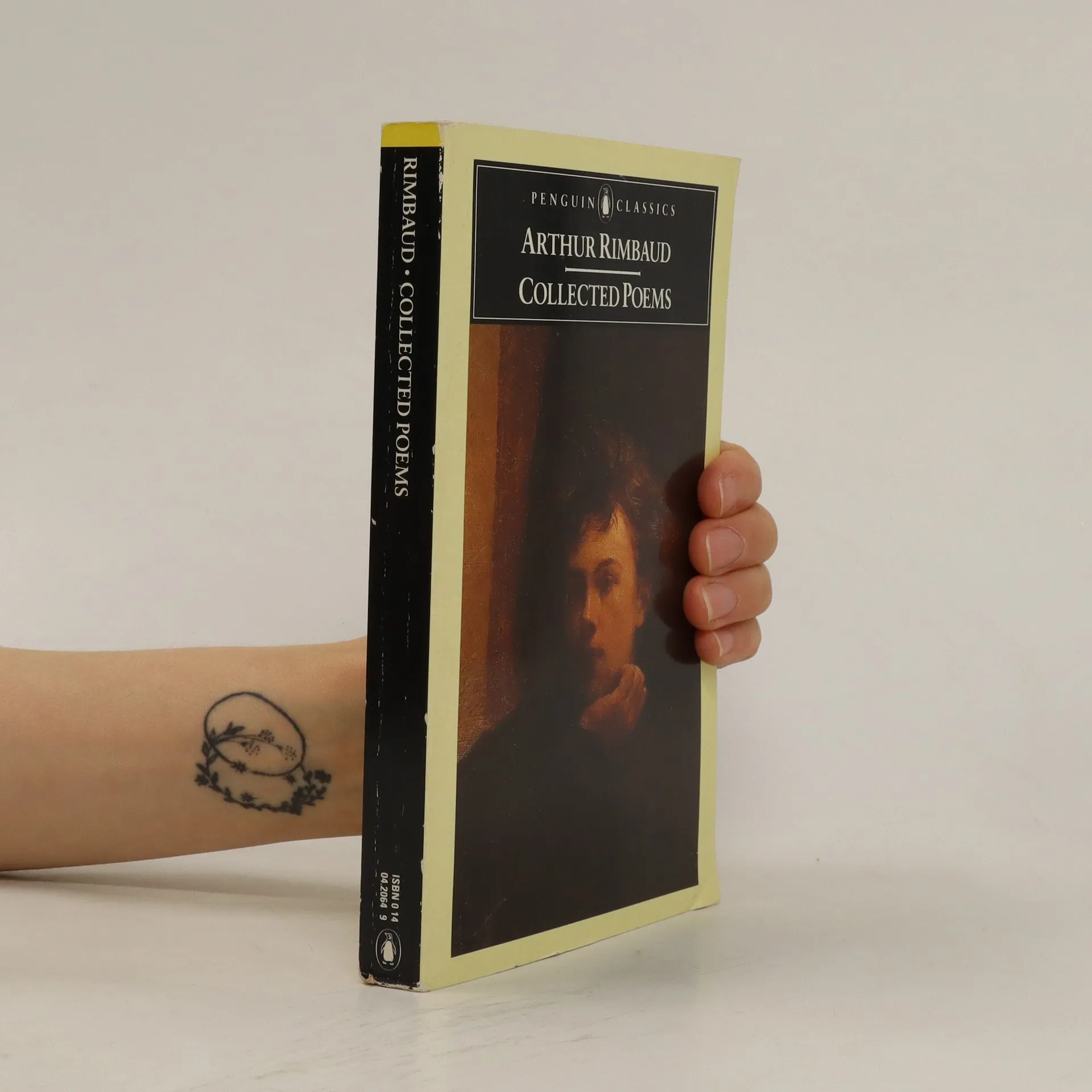
Collected Poems
- 384 stránek
- 14 hodin čtení
'The poet makes himself a seer by a long, prodigious, and rational disordering of all the senses. . .' Rimbaud was sixteen when he made this famous declaration. By 1886, then thirty-two and an explorer, trader and slave-trader on the Red Sea, he had absolutely no interest in the fate or success of the poetry infused with mysticism, alchemy and magic that he had written in his teens. That same year, in Paris, Les Illuminations was being published as the work of 'the late' Arthur Rimbaud, first in a Symbolist periodical and then in book form, with an Introduction by his former lover, Verlaine. Seldom has a writer's vision of changing the world through words failed so spectacularly as did Rimbaud's. That failure turned him into an incomparable tragic poet: not only 'a wild undisciplined genius, a mystic philosopher and thinker, an inspired poet' but also, according to Enid Starkie, 'one of the most finished artists . . . a supreme master of prosody and style'. This Penguin Classic reproduces the text of the Pléiade edition, 1954, with selected letters and prose translations that have been highly acclaimed.
Třiatřicet českých překladů básně P.Verlaina Podzimní píseň, napsané v r.1866. Dokazuje, jak silným inspiračním zdrojem působily tyto verše na české básníky a překladatele, kteří se je snažili tlumočit českému čtenáři. Pro některé z nich se báseň stala dokonce jakousi osudovou výzvou - Emanuel z Lešehradu ji překládal 4x, Fr. Hrubín 3x apod.
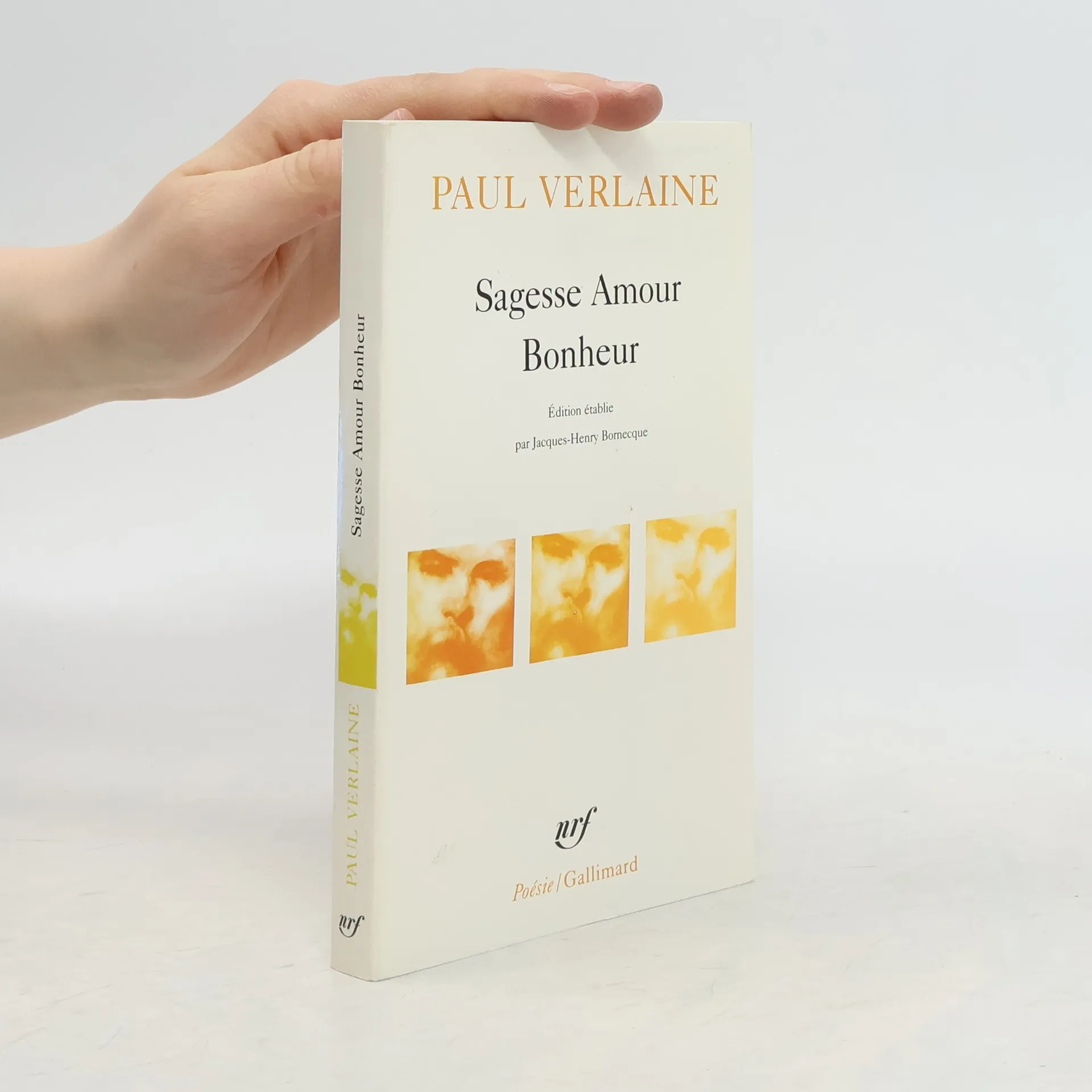
Sagesse. Amour. Bonheur
- 256 stránek
- 9 hodin čtení
"L'auteur de ce livre n'a pas toujours pensé comme aujourd'hui. Il a longtemps erré dans la corruption contemporaine, y prenant sa part de faute et d'ignorance. Des chagrins très mérités l'ont depuis averti, et Dieu lui a fait la grâce de comprendre l'avertissement. Il s'est prosterné devant l'Autel longtemps méconnu, il adore la Toute-Bonté et invoque la Toute-Puissance, fils soumis de l'Église, le dernier en mérites, mais plein de bonne volonté. Le sentiment de sa faiblesse et le souvenir de ses chutes l'ont guidé dans l'élaboration de cet ouvrage qui est son premier acte de foi public depuis un long silence littéraire : on n'y trouvera rien, il l'espère, de contraire à cette charité que l'auteur, désormais chrétien, doit aux pécheurs dont il a jadis et presque naguère pratiqué les haïssables moeurs. [...]" Paris, 30 juillet 1880.
Verlaine
Selected Poems
Poesie
Cura e traduzione di Renato Minore Testo francese a fronte
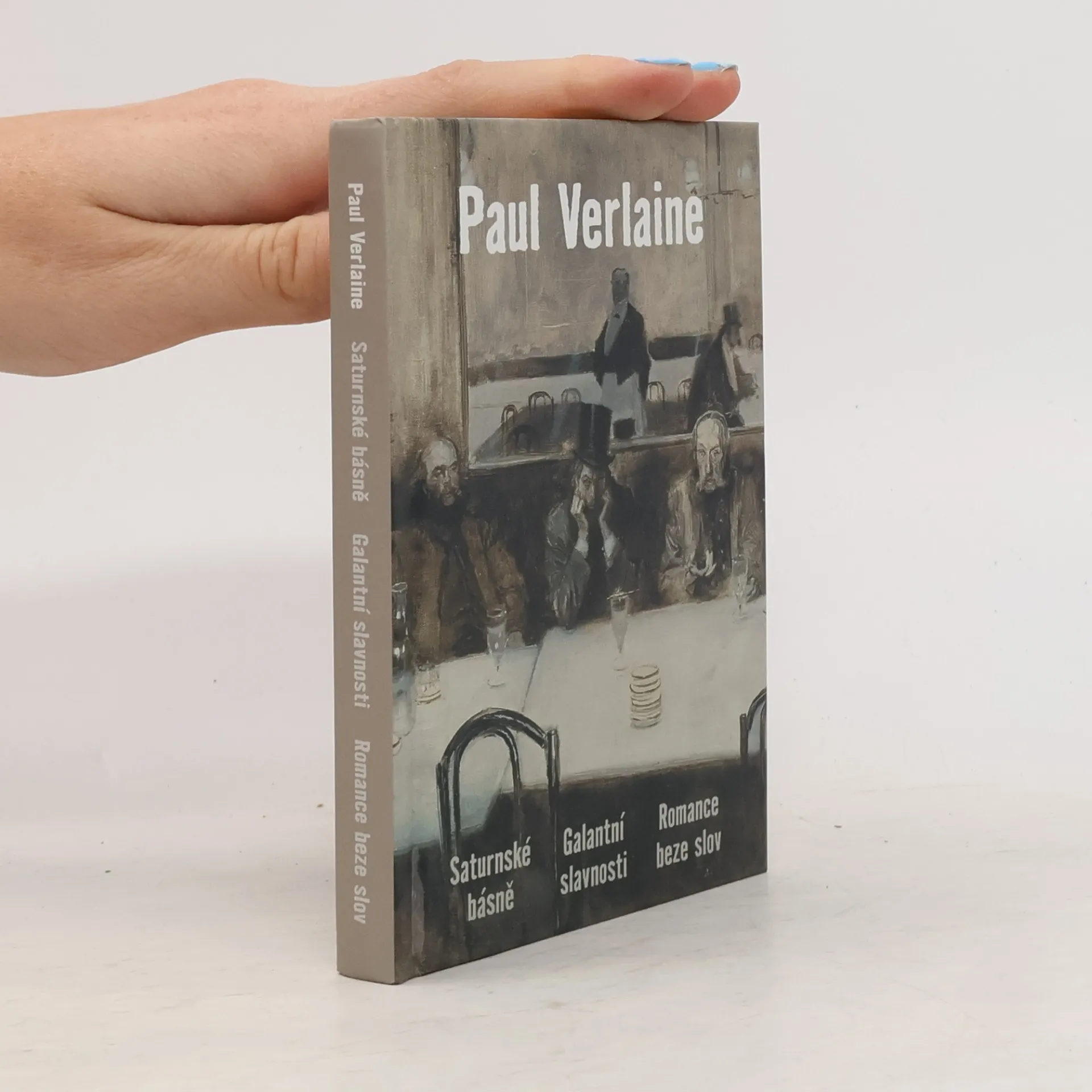
Saturnské básně. Galantní slavnosti. Romance beze slov.
- 144 stránek
- 6 hodin čtení
Francouzský básník paul Marie Verlaine byl jedním z hlavních představitelů symbolismu a společně například s Baudelairem či Rimbaudem je řazen mezi generaci takzvaných prokletých básníků. Svou první sbírku Saturnské básně vydal již ve dvaadvaceti letech, jeho život se ale naprosto převrátil setkáním s Arthurem Rimbaudem, s nímž začal bouřlivý milostný vztah. Ten skončil až tragickou nehodou, kdy Verlaine v Bruselu postřelil Rimbauda do zápěstí, za což byl odsouzen k několika letům vězení. Po návratu na svobodu se obrátil ke katolicismu a mysticismu, což se odrazilo i v jeho pozdních dílech.Tento výbor obsahuje tři básnické sbírky z Verlainových počátků a vrcholného období - Saturnské básně, Galantní slavnosti a Romance beze slov.
Ce volume rassemble tout ce que Verlaine a écrit en prose, à l'exception de la correspondance. Quand on connaît la dispersion d'une telle oeuvre, les erreurs de toute sorte qui s'y rencontrent, on comprendra que le recours au manuscrit, quand il était accessible, s'imposait pour améliorer un texte défectueux. La nature de l'oeuvre en prose de Verlaine nécessitait un reclassement en différentes sections : Œuvres d'imagination, Œuvres autobiographiques, Œuvres critiques, Œuvres polémiques et Voyages. Une étude, particulière à chacune de ces parties, s'efforce d'éclairer la genèse des principaux recueils et de les situer dans la vie de Verlaine par rapport, en particulier, à l'aventure poétique dont ces "proses" semblent, le plus souvent, l'anecdotique envers.
State o francúzskych básnikoch konca 19. storočia.
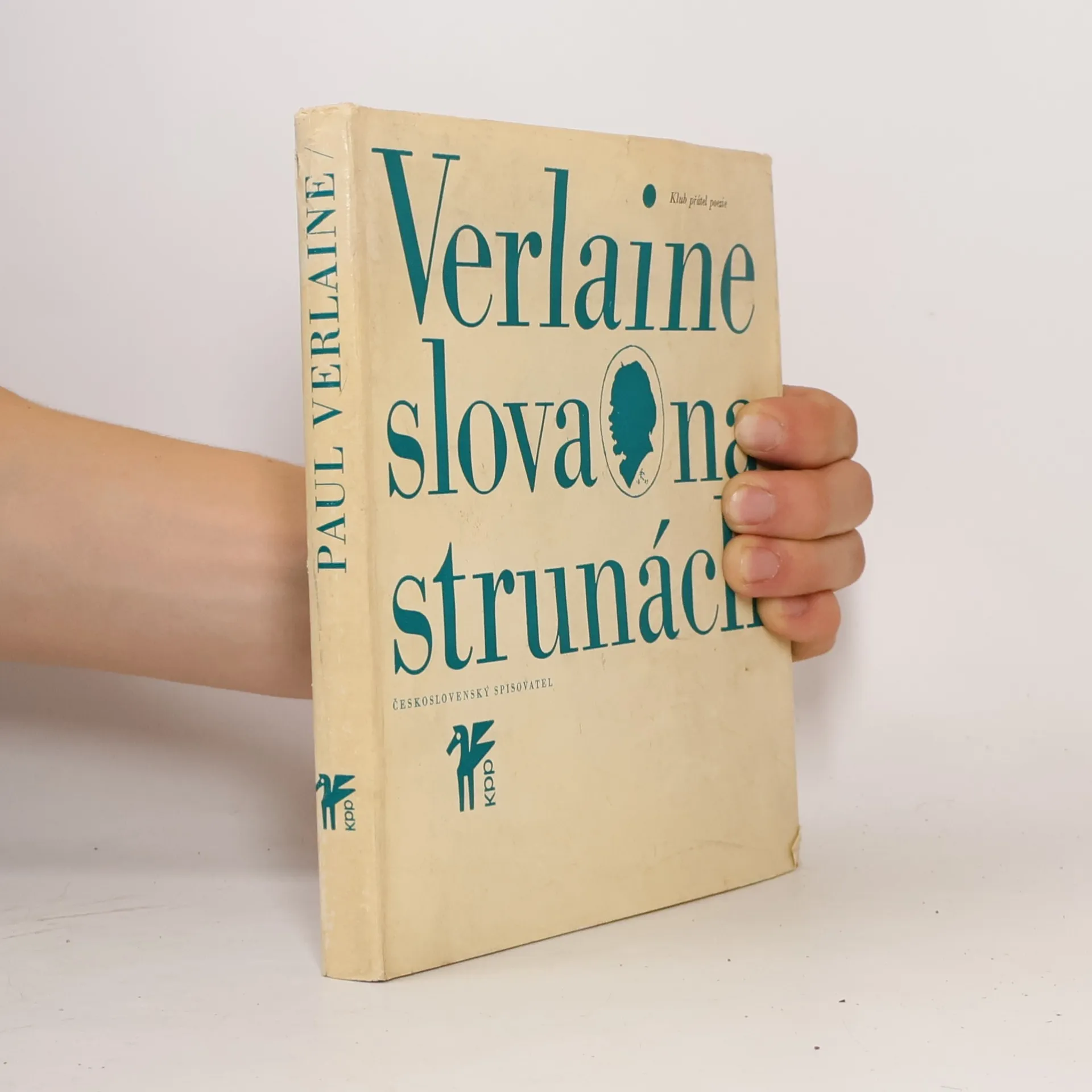
Knihu veršů jednoho z prokletých uspořádali Petr Kopta a Jan Vladislav, který je také autorem úvodní eseje, životopisných poznámek a ediční poznámky. Kniha je doplněna dobovým obrazovým materiálem, vzpomínkami současníků, Verlainovými dopisy a dalšími dokumenty vybranými a přeloženýmiopět Janem Vladislavem. Jednotlivé básně jsou překlady z dílen našich nejznámějších básníků a celá kniha patří ke špičce toho, co v KPP vyšlo.
Poèmes saturniens
Fêtes galantes
Antológia svetovej ľúbostnej poézie do konca 19. storočia.
Paul Verlaine: Gedichte Lesefreundlicher Grodruck in 16-pt-Schrift Edition Holzinger. Groformat, 216 x 279 mm Berliner Ausgabe, 2016 Durchgesehener Neusatz mit einer Biographie des Autors bearbeitet und eingerichtet von Michael Holzinger Erstdruck der Sammlung: Paris (A. Lemerre) 1866. Hier in der Ubersetzung von Wolf von Kalckreuth. Inhaltsverzeichnis Gedichte Traurige Landschaften Capriccios Verschiedenes Pariser Notturno Schaferfeste Das schlichte Lied Romanzen ohne Worte Weisheit Unlangst und Einst Liebe Parallelen Lieder fur Sie Intime Liturgien Varia Posthumes Biographie Textgrundlage ist die Ausgabe: Verlaine, Paul: Ausgewahlte Gedichte. Ubers. v. Graf Wolf v. Kalckreuth, Leipzig: Insel-Verlag, 1983 Herausgeber der Reihe: Michael Holzinger Reihengestaltung: Viktor Harvion Gesetzt aus der Minion Pro, 16 pt.