
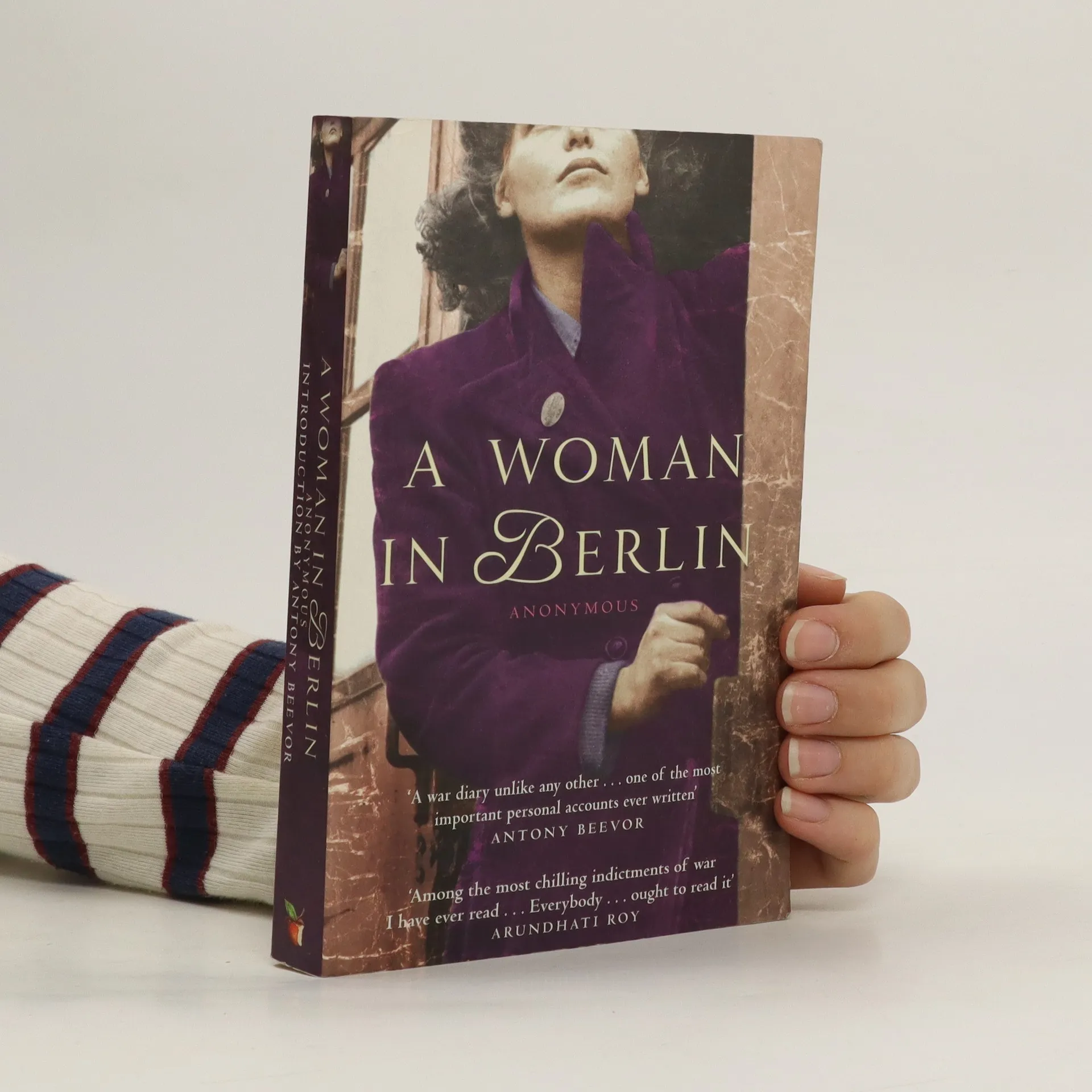
A Woman in Berlin is the astonishing and deeply affecting diary of a woman fighting for survival amid the horror and inhumanity of war. Begun on 20 April 1945, the day Berlin first saw the face of war and ending on 22 June 1945, the anonymous author describes life within the falling city as it was sacked by the Russian army.
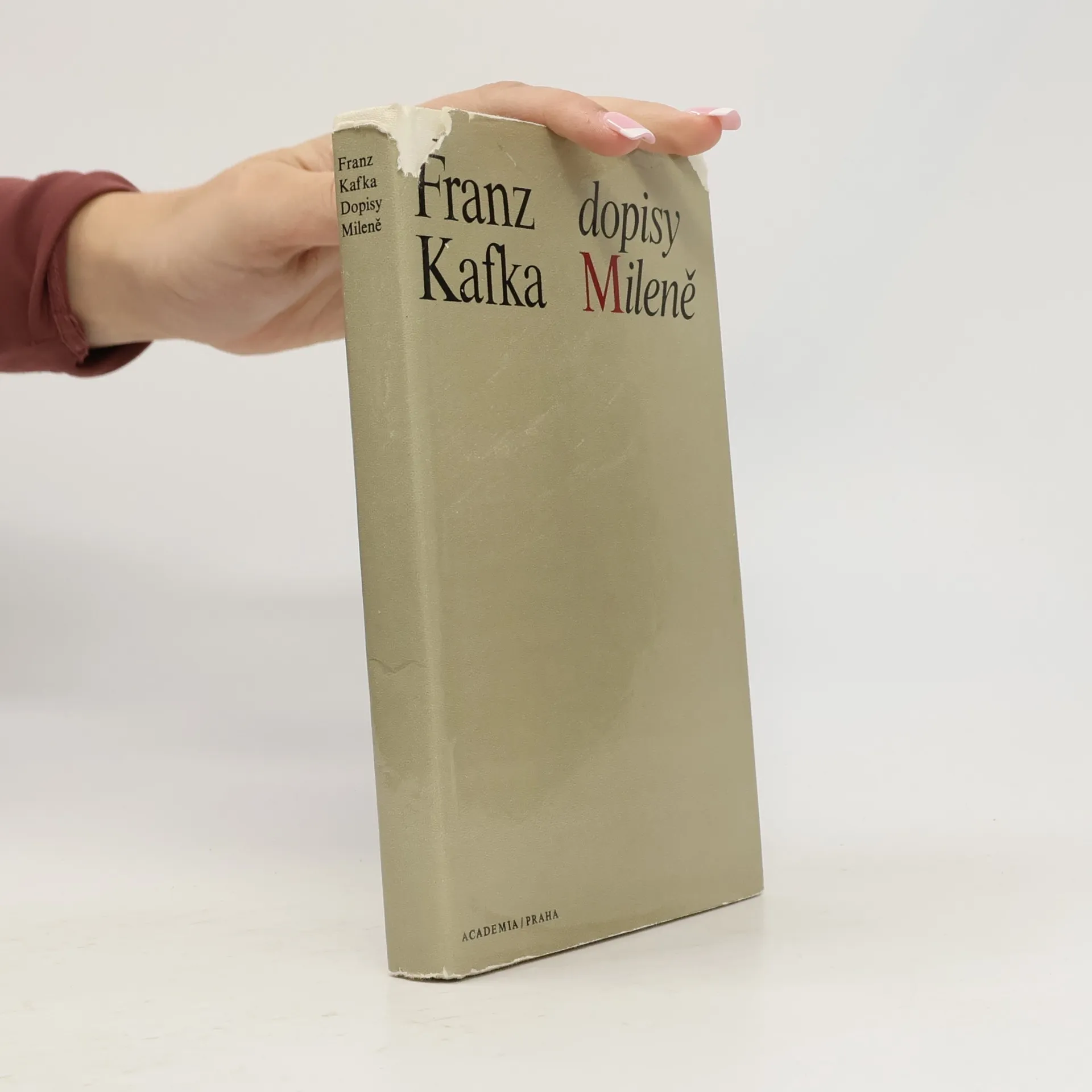
Dopisy, které napsal Franz Kafka Mileně Jesenské. Kafka poznal Milenu během jednoho jejího pobytu v Praze v předjaří roku 1920. Bylo to v kruhu společných přátel a známých v kavárně. Už předtím Kafku dopisem z Vídně požádala, aby jí dovolil přeložit jeho povídky do češtiny. To byl podnět, který vedl k jejich bližšímu seznámení a posléze k milostnému vztahu, jemuž vděčíme za dopisy Mileně.
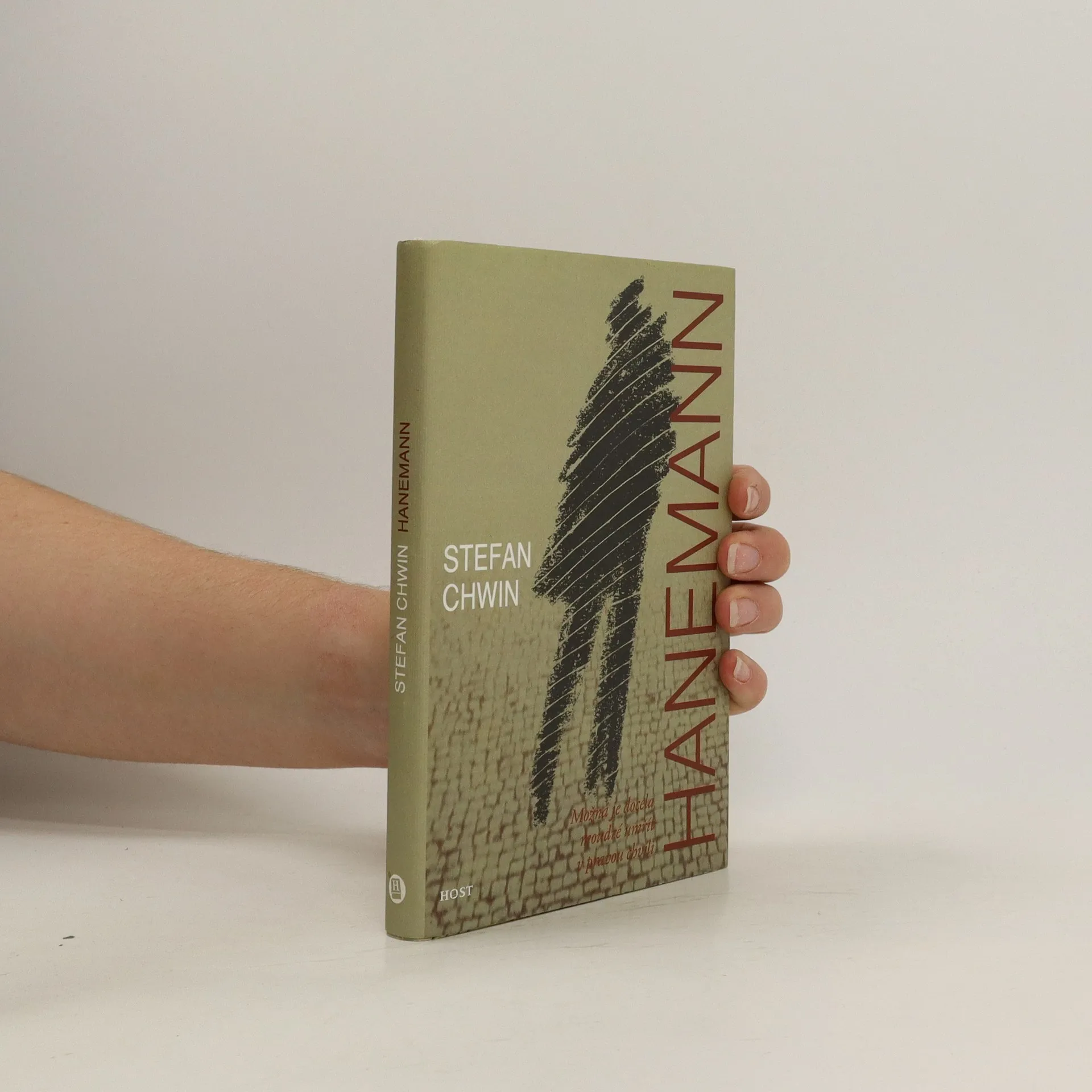
V Gdaňsku, městě s tisíciletými dějinami, se vždy těsně stýkaly a často i prolínaly různé kultury, jazyky a náboženství. Chwin odhaluje především poměrně nedávnou minulost a stopy, které za sebou nechali němečtí obyvatelé Svobodného města Gdaňsk. O jednom z nich, jenž je ovšem fiktivní literární postavou, píše ve svém dosud nejlépe přijatém románu Hanemann (1995). V tomto mnohovrstevném díle autor vypráví příběh gdaňského profesora anatomie, který po smrti své životní lásky upadá do hluboké deprese, stává se „živou mrtvolou" bez chuti do života, pudu sebezáchovy a odvahy, zároveň však není ani schopen spáchat sebevraždu. Je svědkem mnoha dramatických událostí, včetně zničení Gdaňska na konci druhé světové války a převzetí města polskou správou. Veškeré dění však sleduje bez zájmu, jako by se ho netýkalo. Z letargie ho vytrhne až mladá žena, která se do města přistěhovala z východu bývalého předválečného Polska. Je stejným ztroskotancem a její pokus o sebevraždu, jemuž Hanemann zabránil, je zlomovým okamžikem v jeho životě.
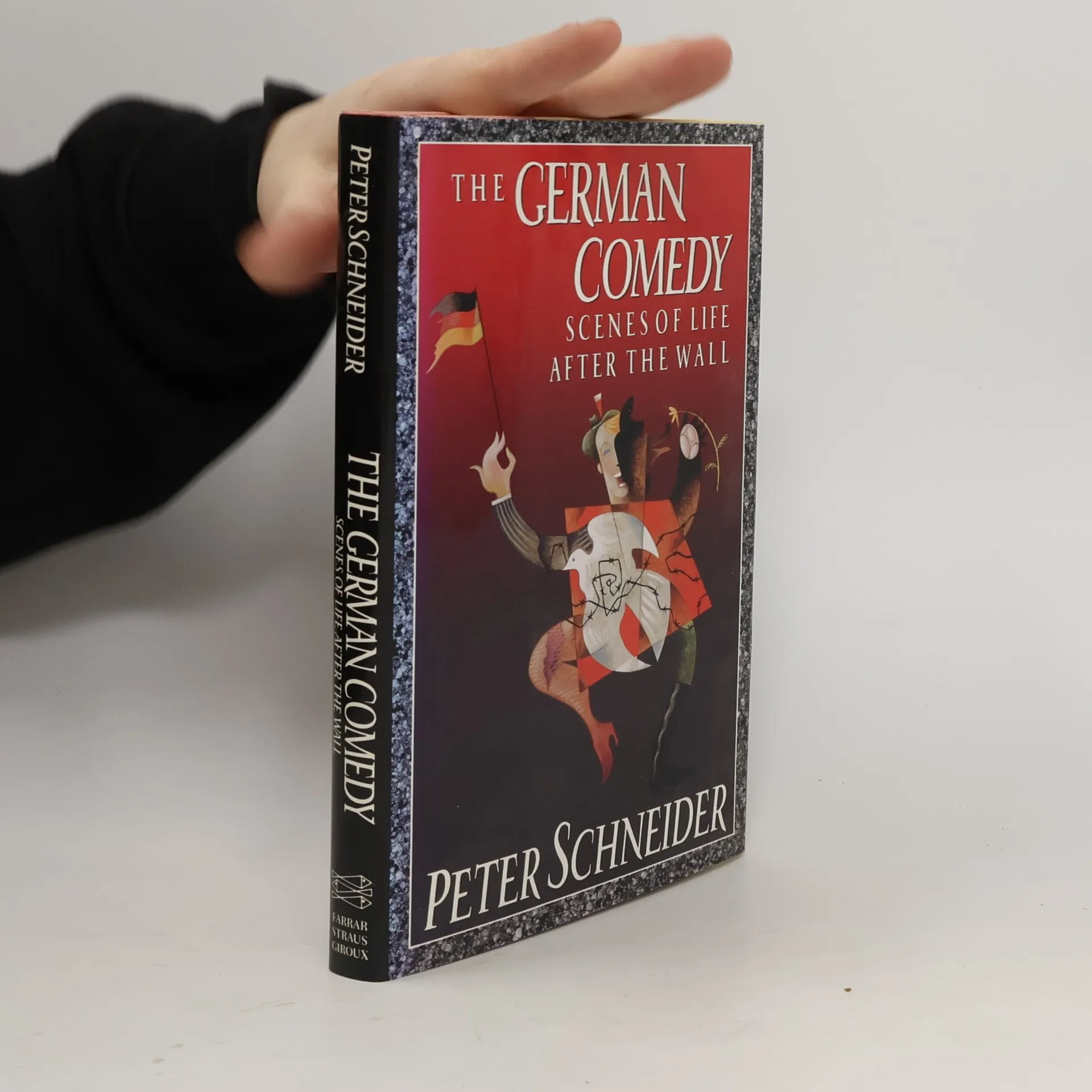
A tour of Germany after reunification provides anecdotes of the West German people, an East German baker, Bavarian yodelers, Stalinist functionaries, and Western capitalists
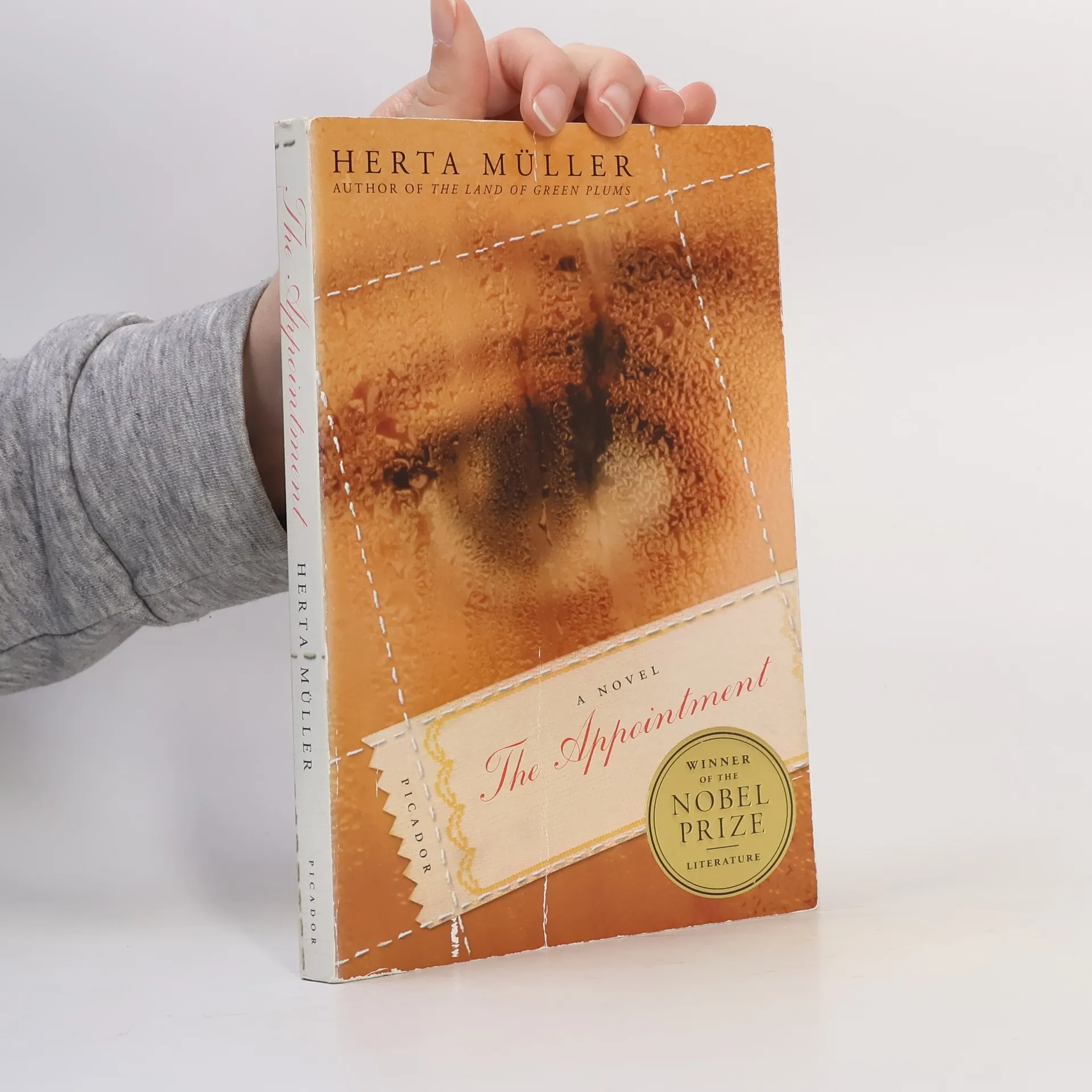
From the winner of the IMPAC Award, a fierce novel about a young Romanian woman's discovery of betrayal in the most intimate reaches of her life"I've been summoned. Thursday, ten sharp." Thus begins one day in the life of a young clothing-factory worker during Ceaucescu's totalitarian regime. She has been questioned before; this time, she believes, will be worse. Her crime? Sewing notes into the linings of men's suits bound for Italy. "Marry me," the notes say, with her name and address. Anything to get out of the country.As she rides the tram to her interrogation, her thoughts stray to her friend Lilli, shot trying to flee to Hungary, to her grandparents, deported after her first husband informed on them, to Major Albu, her interrogator, who begins each session with a wet kiss on her fingers, and to Paul, her lover, her one source of trust, despite his constant drunkenness. In her distraction, she misses her stop to find herself on an unfamiliar street. And what she discovers there makes her fear of the appointment pale by comparison.Herta Müller pitilessly renders the humiliating terrors of a crushing regime. Bone-spare and intense, The Appointment confirms her standing as one of Europe's greatest writers.