

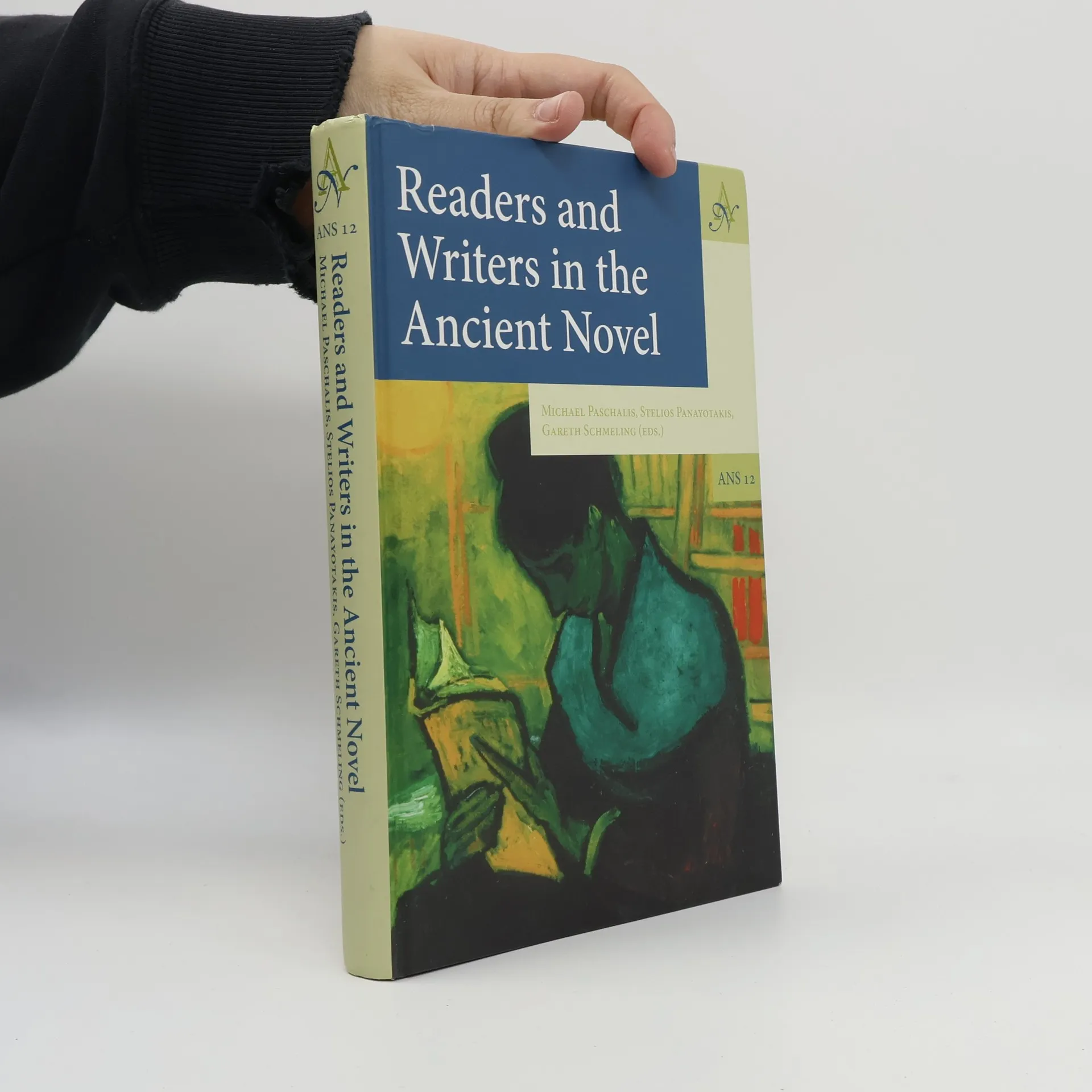
Ancient Narrative Supplementum - 12: Readers and Writers in the Ancient Novel
- 286 stránek
- 11 hodin čtení
This volume features papers from RICAN 4 in 2007, focusing on readers and writers in ancient novels and fiction. The contributions explore the active engagement of readers with texts, highlighting various aspects of reading in antiquity. Key topics include the dialogic nature of Lucian's Verae Historiae, the role of book divisions in Chariton's Callirhoe as guides for reader mastery, and the influence of curiosity (polypragmosyne) on reading practices. The relationship between writing and reading inscriptions in ancient fiction is examined, alongside the public-private tension in text construction. The intertextual lineage of the poet Eumolpus is discussed, as well as Seneca's and Petronius' interpretations of Homer and Virgil. Some Greek novels draw attention to their textual status, while the dynamics between storytellers and audiences are analyzed in Antonius Diogenes. The generic elements and authorship of the Alexander Romance are explored, as well as Diktys' writing and reading approaches. Iliadic intertexts in Apuleius' Metamorphoses are examined, contrasting narrator-translator roles in his works. The volume also addresses seriocomic strategies in Roman narrative fiction, the recognition of allegorical moments in Apuleius, active versus passive reading in Philostratus' Life of Apollonius, and the significance of book reading in Augustine's Confessions.