


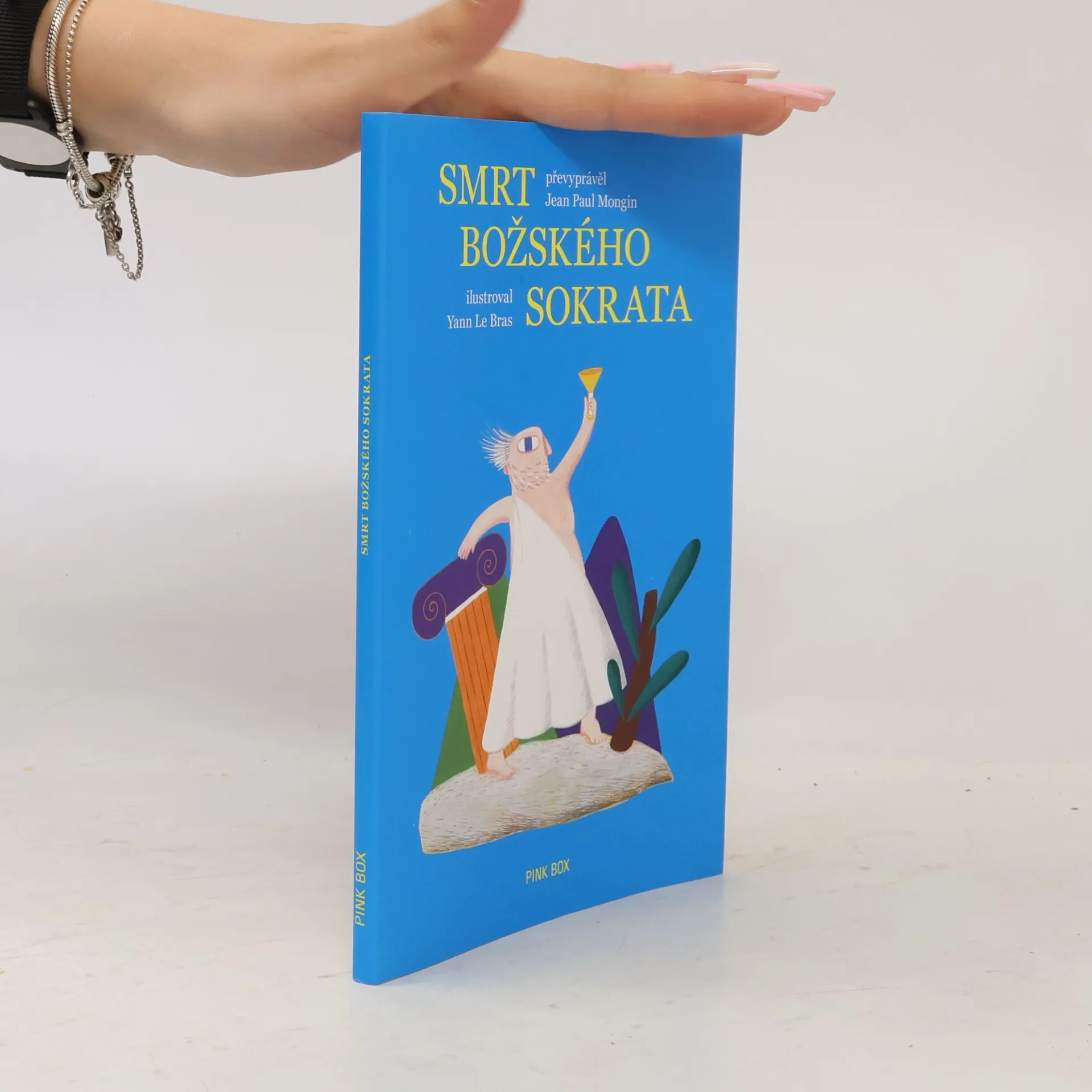
Sokrates prochází ulicemi Athén a vyzývá ty, které najde na své cestě: Poznej
sám sebe! Neboj se o bohatství! Hledej pravdu a staň se filozofem! To není po
chuti některým Athéňanům. U soudu je obviněn, že kazí mládež a je odsouzen k
pozření smrtelně jedovatého jedlovce. Uteče? Měl by se filozof bát smrti?
Jedná se o přiměřený trest? Smrt božského Sokrata je převyprávěný příběh z
Platónových dialogů Faidros, Kritón a Obrana Sókrata.
Co mohu vědět? Co bych měl dělat ? V co mohu doufat? V Královci přísný profesor Kant odpověděl na tyto otázky a na několik dalších v tak bláznivý den, že zmeškal svou pravidelnou procházku.
On a long, cold winter night, more than three hundred years ago, Mister Descartes is suddenly beset by profound doubts: Can I trust my senses, or am I fooled by illusions? Is there an Evil Genius behind all things? What if the outside world is only a dream? Is my own existence nothing but the product of my imagination?
Vienna, 1714: Late in life, Gottfried Wilhelm Leibniz, the universal genius of his time, puts down his pen and declares his description of the universe to be complete. In the evening, he sits in his study room among letters, books, and manuscripts as his young friend Theodor comes for a visit. Theodor is bothered by one question: Why is there evil? And why do people commit crimes? With an example from ancient Greek mythology, Leibniz develops his theory about the best of all possible worlds. With this vivid "story within a story" Jean Paul Mongin successfully imparts the complex philosophical ideas of Leibniz to young readers. At its most basic, philosophy is about learning how to think about the world around us. It should come as no surprise, then, that children make excellent philosophers Naturally inquisitive, pint-size scholars need little prompting before being willing to consider life's "big questions," however strange or impractical. Plato & Co. introduces children--and curious grown-ups--to the lives and work of famous philosophers, from Socrates to Descartes, Einstein, Marx, and Wittgenstein. Each book in the series features an engaging--and often funny--story that presents basic tenets of philosophical thought alongside vibrant color illustrations.