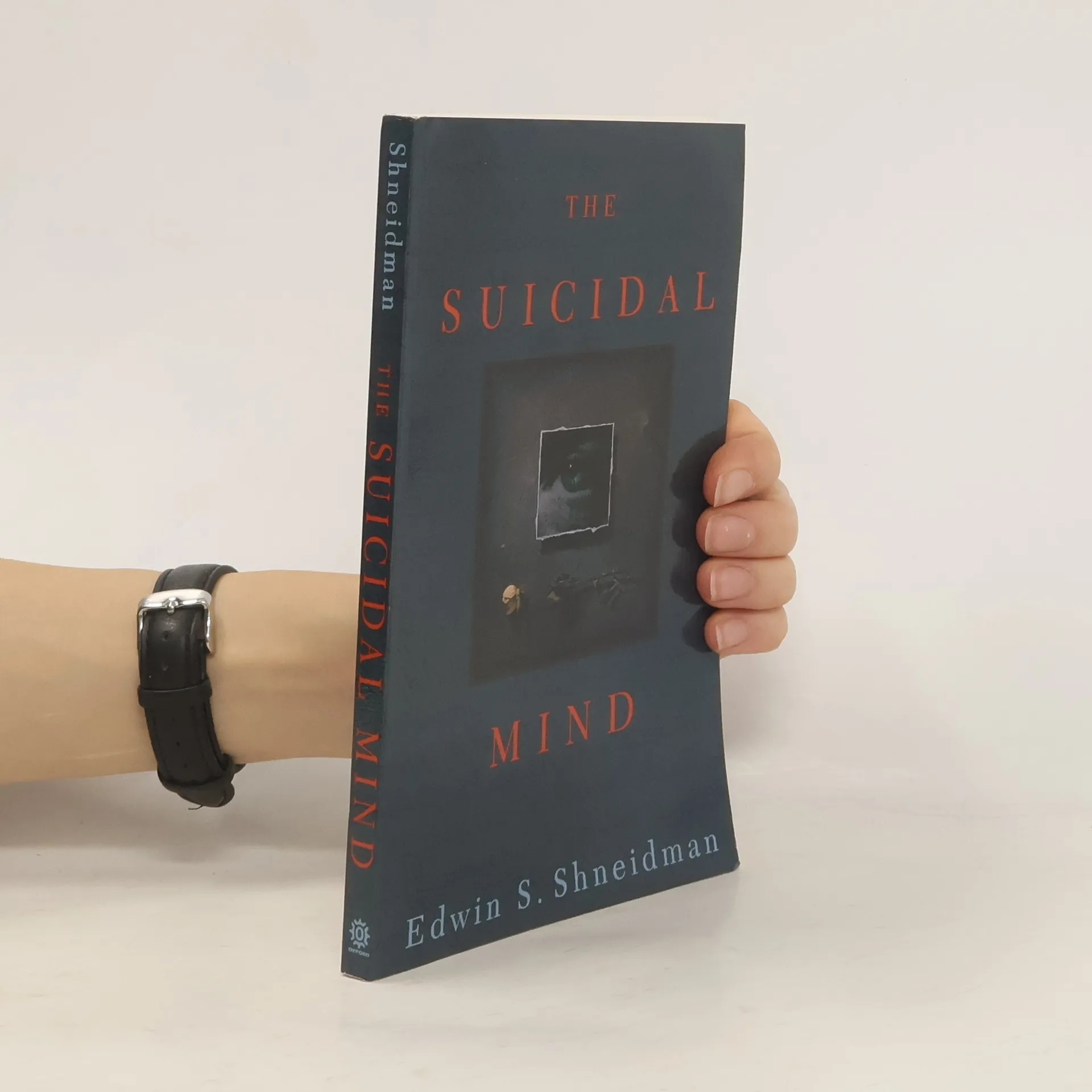
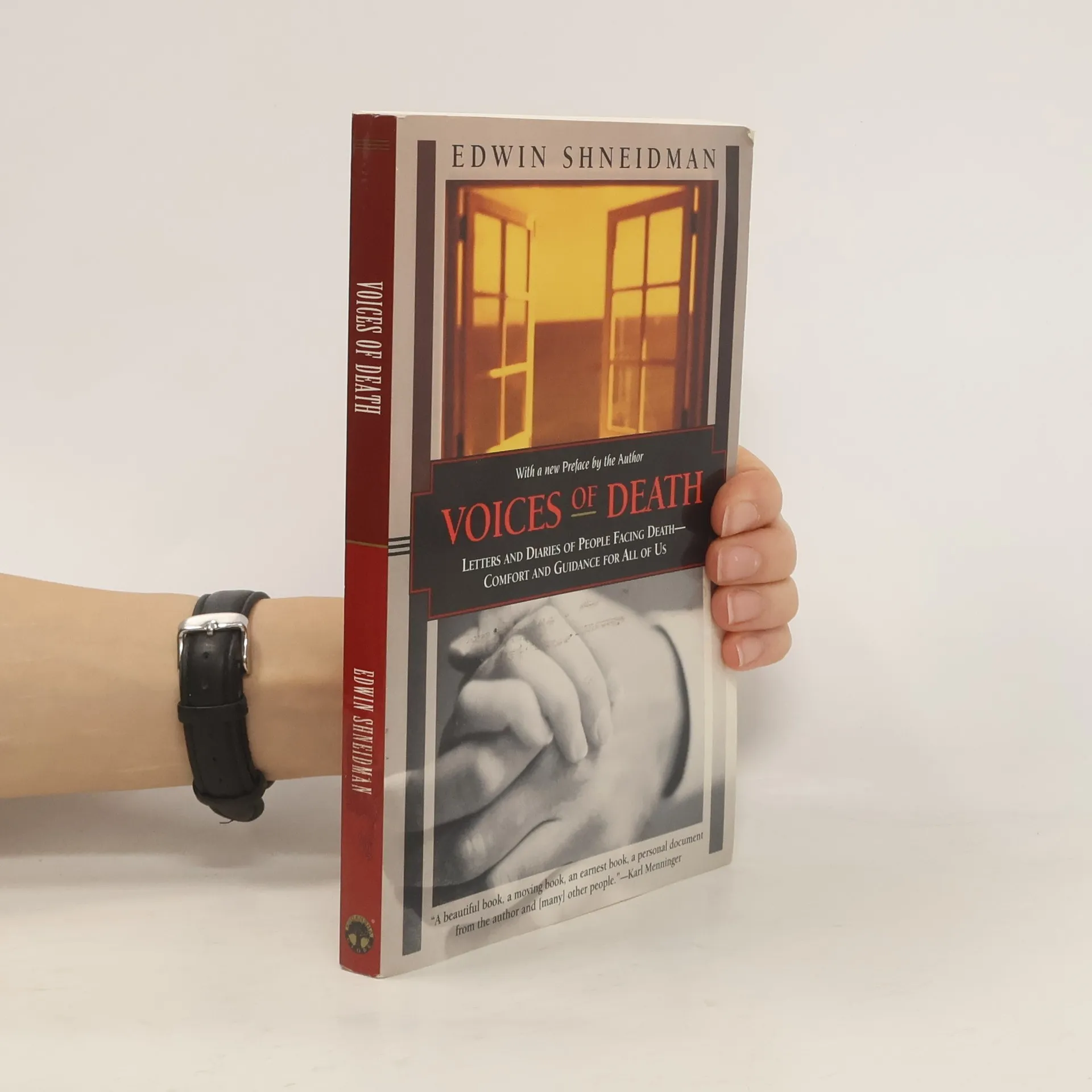
Tento autor se zabývá zkoumáním lidské psychiky a jejího vztahu ke smrti. Jeho práce se soustředí na hlubší pochopení motivací a myšlenkových pochodů, které vedou jedince k sebevražednému jednání, a hledá způsoby, jak takové tragédii předejít. Prostřednictvím svého rozsáhlého výzkumu a založení klíčových organizací a publikací významně přispěl k rozvoji oboru suicidologie. Jeho přístup nabízí čtenářům pronikavý vhled do temných stránek lidské zkušenosti a zdůrazňuje potřebu empatie a porozumění.
Letters and Diaries of People Facing Death--Comfort and Guidance for Us All
206 stránek
8 hodin čtení
International in scope, this series of non-fiction trade paperbacks offers books that explore the lives, customs and thoughts of peoples and cultures around the world. This text presents letters and diaries from people facing death.
Suicide permeates our culture, claiming lives across demographics and now ranks as the third leading cause of death for young people in the U.S. This rising tide of hopelessness raises urgent concerns about mental health among the youth. Often treated as a taboo subject, the complexities of suicide are frequently overlooked. Dr. Edwin Shneidman argues that psychology and psychiatry have failed to address the core issues because they've neglected the straightforward language and emotional pain of those contemplating suicide. In his groundbreaking work, Shneidman offers profound insights into the suicidal impulse and practical suggestions for prevention. He posits that the primary cause of suicide is psychological pain, or "psychache," emphasizing that understanding human emotions is essential for effective intervention. Through three poignant case studies—Ariel, Beatrice, and Castro—Shneidman illustrates the personal narratives behind suicidal thoughts, revealing that suicide often stems from a desire to find a solution to overwhelming distress. He provides explicit strategies for friends, family, and professionals to help those in crisis. Ultimately, this work not only sheds light on the suicidal mind but also enhances our understanding of human suffering and resilience.
An exploration of the motivations, characteristics, and psychology of suicideWhy do people take their own lives? How can clinicians best plan and carry out intelligent treatment of desperate patients who are giving up on themselves?Suicide, its motivations, characteristics, and psychology are explicated in these papers by the most experienced and renowned experts on the subject. A definitive volume, Essential Papers on Suicide features the work of Ernest Jones; Kate Friedlander; George Murphy, R. H. Wilkinson, S. Gassner, and J. Kayes; Joseph C. Sabbath; Robert E. Litman; Milton Rosenbaum; Charles Swearingen; Avery D. Weisman; Mervin Glasser, Egl Laufer, Moses Laufer and Myer Wohl; Donald A. Schwartz, Don E. Flinn and Paul F. Slawson; Aaron T. Beck, Maria Kovacs and Arlene Weissman; Marie sberg, Lil Traskman and Peter Thoren; Stuart Asch; John T. Maltsberger; Alex D. Pokorny; Erna Furman; Cynthia R. Pfeffer, Robert Plutchik, Mark S. Mizruchi and Robert Lipkins; Myrna M. Weissman, Gerald L. Klerman, Jeffrey S. Markowitz and R. Oullette; Jan Fawcett, William A. Scheftner, Louis Fogg, David C. Clark, Michael A. Young, Don Hedeker, and Robert Gibbons, among others.