

In this transformative work, acclaimed Buddhist teacher Dzogchen Ponlop Rinpoche illustrates how to liberate yourself from the grip of emotions by cultivating awareness and understanding. While emotions enrich our lives, they can also lead to tumultuous highs and lows. By learning to engage with our emotions skillfully, we can extract their wisdom instead of allowing them to dictate our actions. The root of emotional turmoil often lies in a lack of self-knowledge. By bringing awareness to our emotional experiences, we can diminish their power over us. Rinpoche presents a three-step Emotional Rescue Plan: Mindful Gap, which creates a safe distance from emotions, allowing us to work with their energy; Clear Seeing, which encourages recognizing the broader context of our feelings; and Letting Go, which involves releasing physical and emotional tension through exercise, relaxation, and mindfulness. Each step deepens our understanding of emotions like anger, fear, passion, jealousy, and pride. With dedication and practice, our emotions can guide us toward a more compassionate, creative, and fulfilling existence rather than leading us astray.
Rdzogs chen dpon slob Pořadí knih (chronologicky)

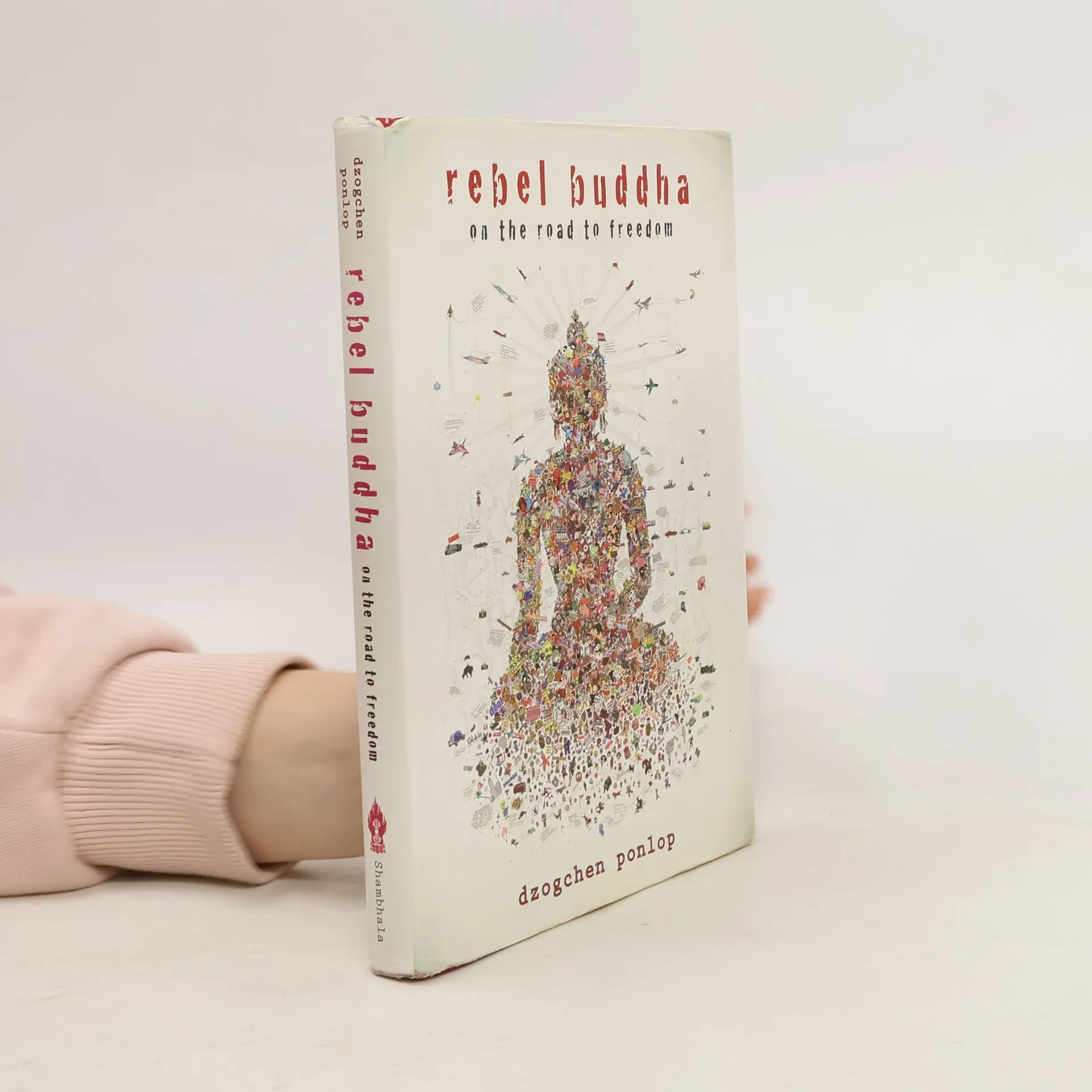
There’s a rebel within you. It’s the part of you that already knows how to break free of fear and unhappiness. This rebel is the voice of your own awakened mind. It’s your rebel buddha—the sharp, clear intelligence that resists the status quo. It wakes you up from the sleepy acceptance of your day-to-day reality and shows you the power of your enlightened nature. It’s the vibrant, insightful energy that compels you to seek the truth.Dzogchen Ponlop guides you through the inner revolution that comes from unleashing your rebel buddha. He explains how, by training your mind and understanding your true nature, you can free yourself from needless suffering. He presents a thorough introduction to the essence of the Buddha’s teachings and argues that, if we are to bring these teachings fully into our personal experience, we must go beyond the cultural trappings of traditional Asian Buddhism. “We all want to find some meaningful truth about who we are,” he says, “but we can only find it guided by our own wisdom—by our own rebel buddha within.”