Druhý svazek knihy del Castilla pokračuje líčením dobrodružství Cortésových vojáků při dobývání Mexika až do kapitoly 214, v níž autor informuje o guvernérech. kteří působili v Novém Španělsku do r. 1568. Díazovo vyprávění doplňují poznámky a vysvětlivky, které usnadňují lepšípochopení událostí souvisejících s dobytím a vyvrácením aztécké říše.
Bernal Díaz del Castillo Knihy
1. leden 1492 – 1. leden 1584
Bernal Díaz del Castillo byl španělský conquistador a kronikář, jehož dílo představuje jedinečné očitý svědectví o dobývání Aztécké říše. Zaznamenal drsné realitu vojenských tažení, motivace vojáků a koloniální střet s domorodými kulturami. Jeho styl je přímý a věcný, často s důrazem na osobní zkušenosti obyčejného vojáka. Dílo je zásadním zdrojem pro pochopení jednoho z klíčových momentů v historii Ameriky.

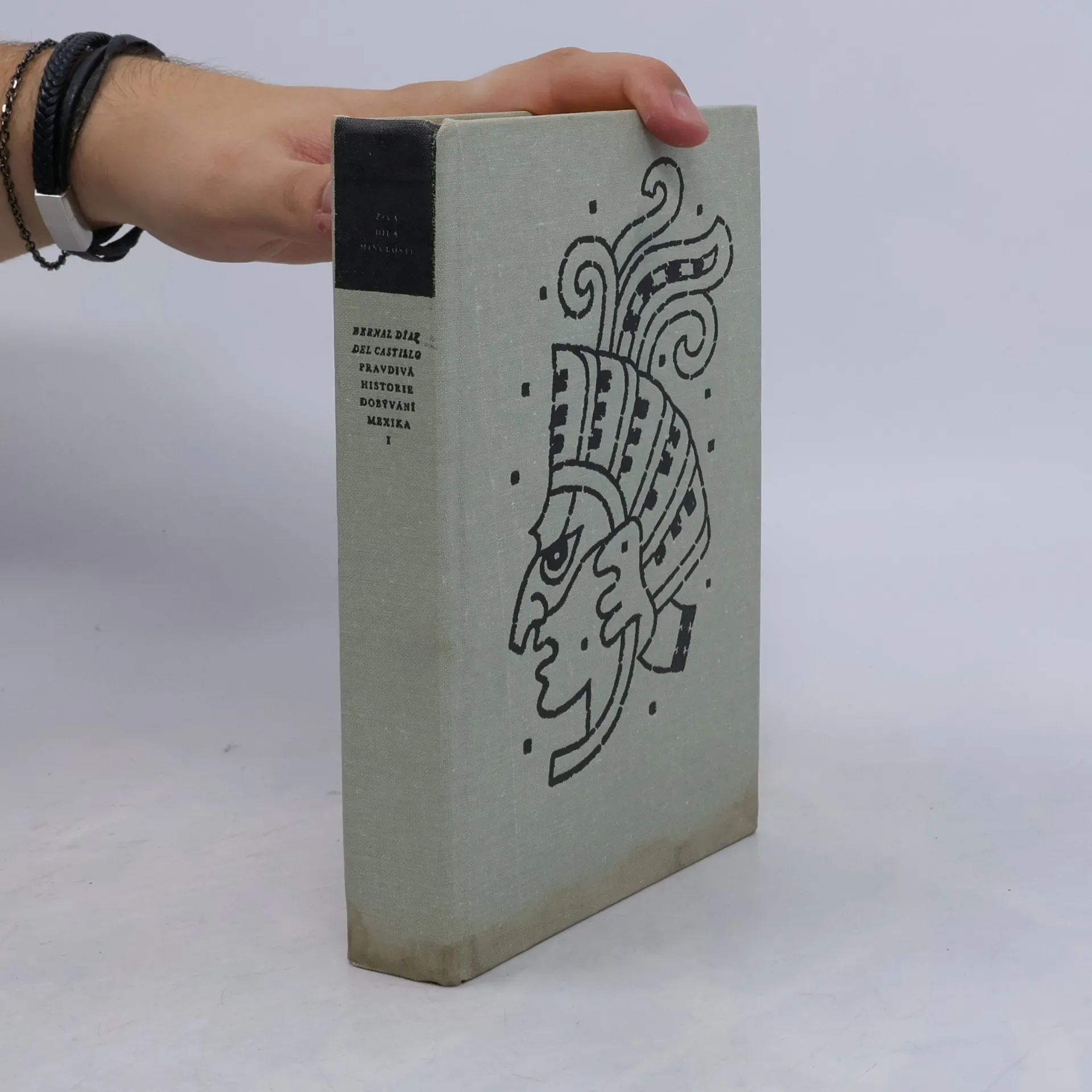
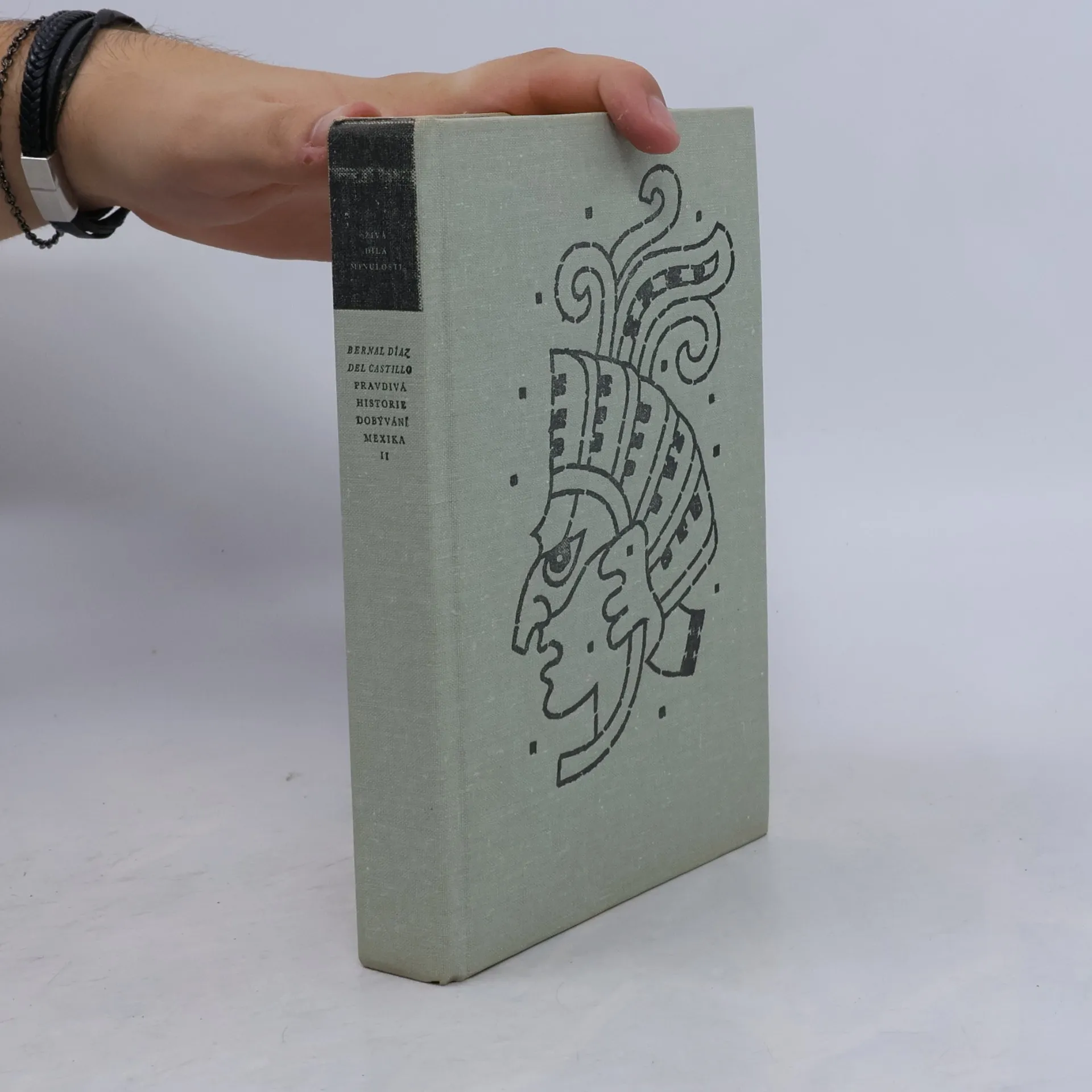
Prvních 145 kapitol z válečné reportáže jednoho z dobyvatelů Mexika přináší nejen barvitý popis bojů a šarvátek Cortésových vojáků s domorodým obyvatelstvem a portréty dobyvatelů, ale podává i svědectví o vyspělé aztécké kultuře a umění. Díazovo vyprávění představuje nejlepší a nejúplnější vylíčení dobytí Nového Španělska a dokresluje tak naše představy o conquistě.
The Conquest of New Spain
- 412 stránek
- 15 hodin čtení
Presents a description of the Spanish landing in Mexico in 1520 and their amazement at the city, the exploitation of the natives for gold and other treasures, the expulsion and flight of the Spaniards, their regrouping and eventual capture of the Aztec capital.
The Betrayal of Montezuma
- 96 stránek
- 4 hodiny čtení
One of 60 low-priced classic texts published to celebrate Penguin's 60th anniversary. All the titles are extracts from "Penguin Classics" titles.