Stanley G. Weinbaum byl průkopníkem žánru science fiction, který i přes svou krátkou kariéru zásadně ovlivnil jeho směřování. Jeho dílo se vyznačuje inovacemi, které dodnes inspirují autory a čtenáře. Jeho jméno je právem řazeno mezi velikány moderní science fiction, kteří formovali její podobu. Weinbaumovy myšlenky a témata nadále rezonují a prozkoumávají se v literatuře.
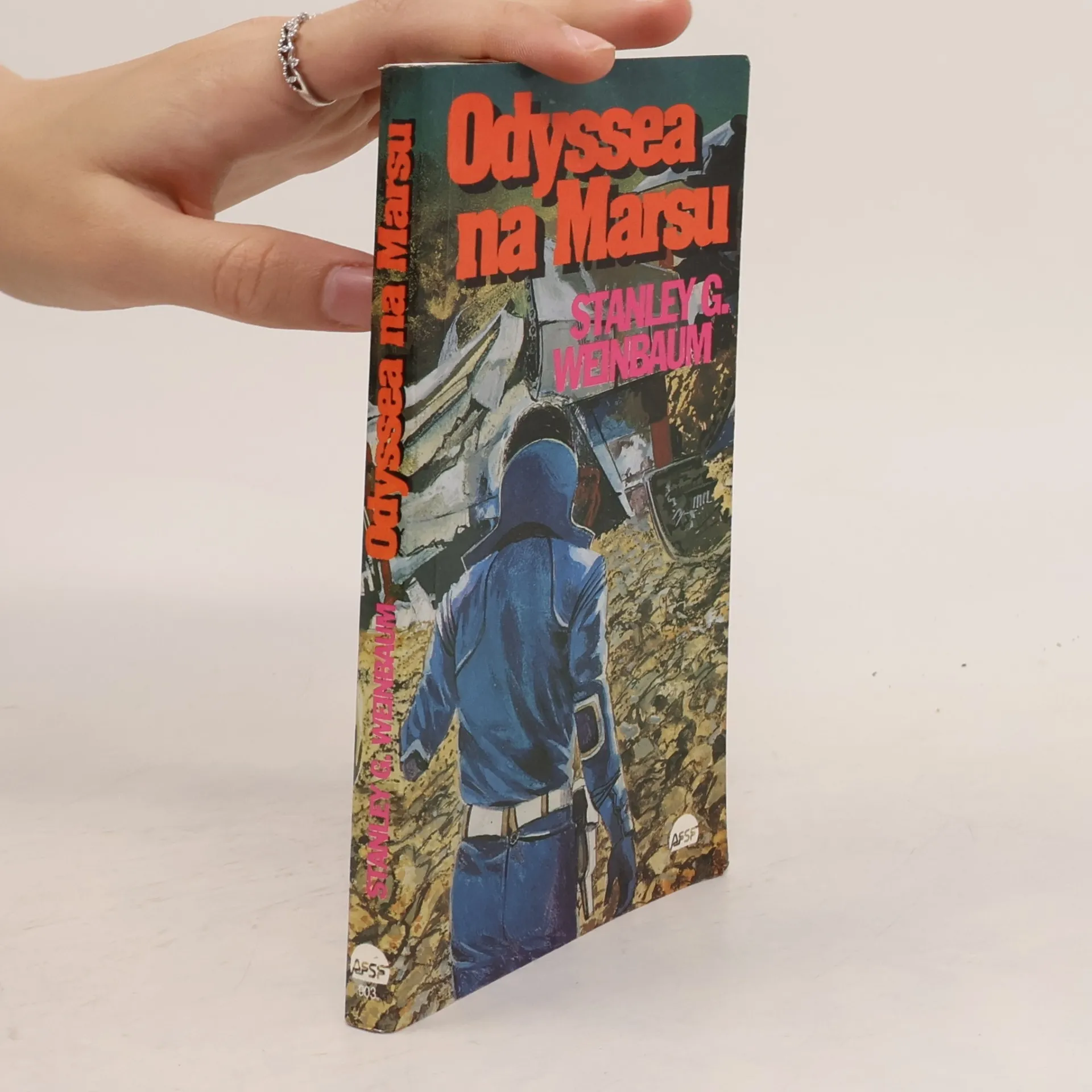
Trojice povídek od jednoho ze zakladatelů moderní science fiction obsahuje všechna dobrodružství Hama Hammonda a Patricie Burlinghamové, dobrodruha a badatelky, kteří nikdy necestují bez automatických pistolí a příručních plamenometů.
Je to příběh starý jako svět – měli se rádi, a tak se vzali, jenomže brzy zjistili, že k životu jsou kromě lásky třeba i peníze, a aby je získali, musí opustit domov a vydat se až tam, kam Slunce skoro nedosvítí – do ledového pekla Titanu, kde mají šanci získat za pokročilou pozemskou technologii hezké duhové korálky. Pokud je dřív nesežerou povětrní nožodraci nebo nedostanou roupi.
Obchodovat se svéráznými domorodci na Io je zase zaručená cesta do blázince, zpestřená občasnými záchvaty deliria a bojem s patnáct centimetrů vysokými krysolidmi, kteří ukradou všechno, co není přibité.
Snadné to nemá ani pilot rakety na Europě; v jejích hlubokých údolích sice může s trochou štěstí získat srdce zlatovlasé závodnice i najít dost chutných místních forem života, jakmile ho ale začne honit maniak s automatickou pistolí, vzduchoprázdno, které od sebe jednotlivá údolí odděluje, mu dost zkomplikuje život.
Trojice povídek od jednoho ze zakladatelů moderní science fiction, který vymyslel Sluneční soustavu se všemi jejími planetami a měsíci mnohem lepší, než doopravdy je.
Výbor ze tří cyklů sci-fi povídek amerického sc-fi autora. V titulním sledujeme osudy pozemské expedice na Mars, ve druhém dobrodružství prospektora a cestovatele na Venuši a třetí nás zavede zpět na Zem k excentrickému vynálezci van Manderpootzovi. -- zdroj: legie.info --
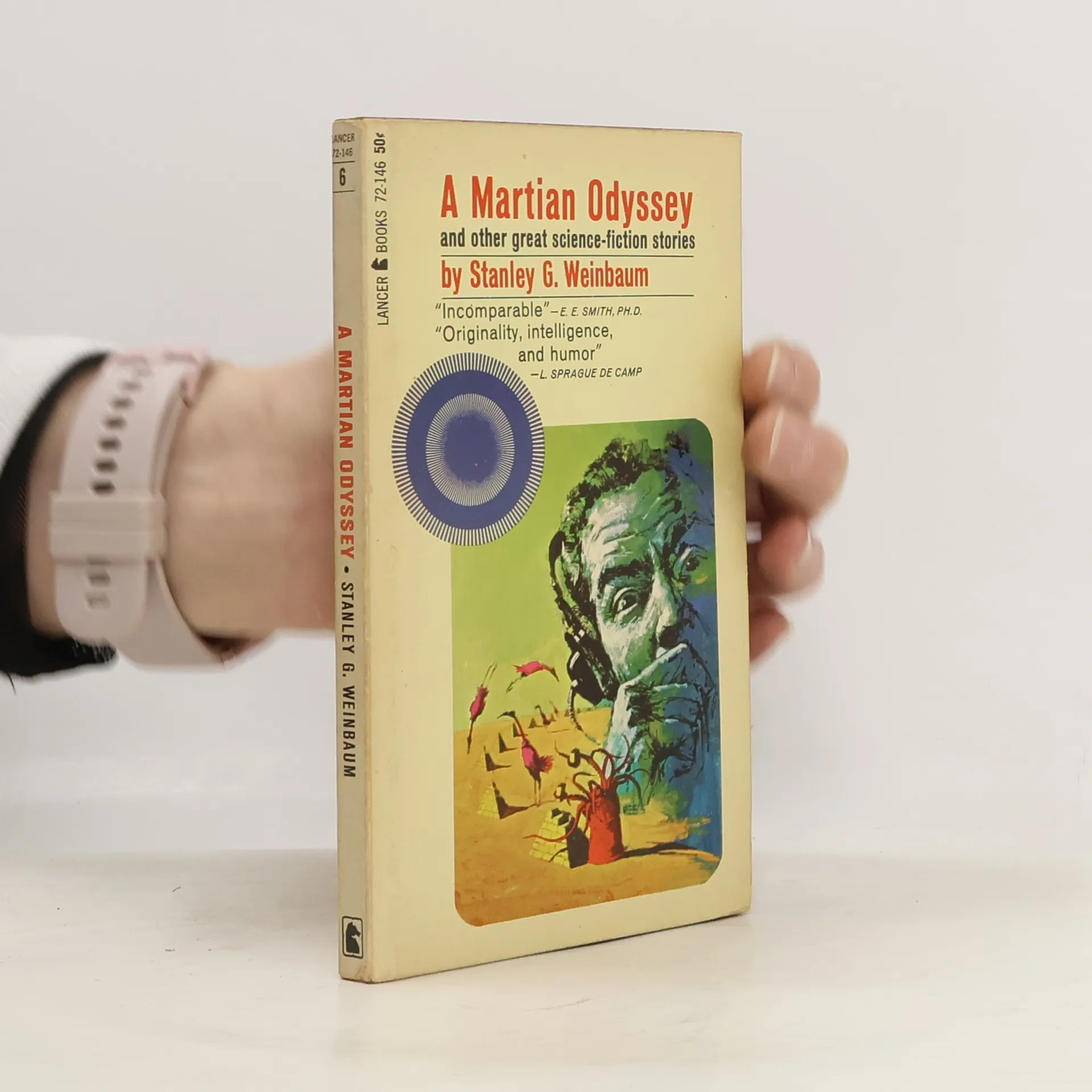
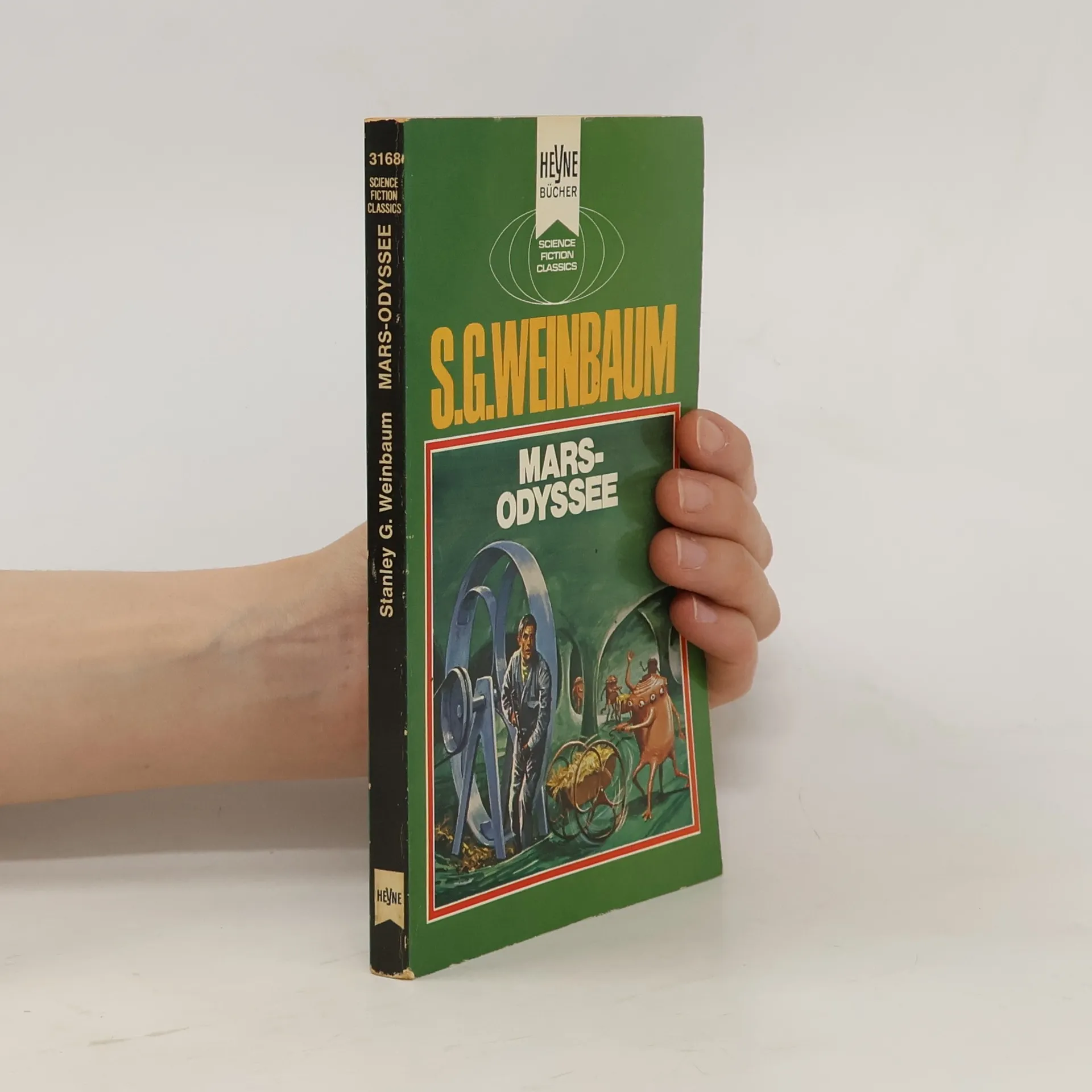
In this collection, Stanley G. Weinbaum presents two captivating Mars stories featuring Dick Jarvis, a member of the first crew to reach the planet. In "A Martian Odyssey," Jarvis embarks on a solo expedition, only to face peril when his rocket malfunctions. Accompanied by a Martian he saves, he confronts numerous dangers on his journey back. The sequel, "Valley of Dreams," follows Jarvis and his companion "Frenchy" Leroy as they explore an ancient Martian city, uncovering unexpected wonders in a richly imagined world.
Originally penned in the 1920s as "The Mad Brain," this work by Stanley Weinbaum explores themes of madness and intellect. Unpublished during his lifetime, it was eventually released in 1950 with edits by Forrest J. Ackerman. The story delves into the complexities of the human mind, offering a unique perspective on psychological and speculative fiction.
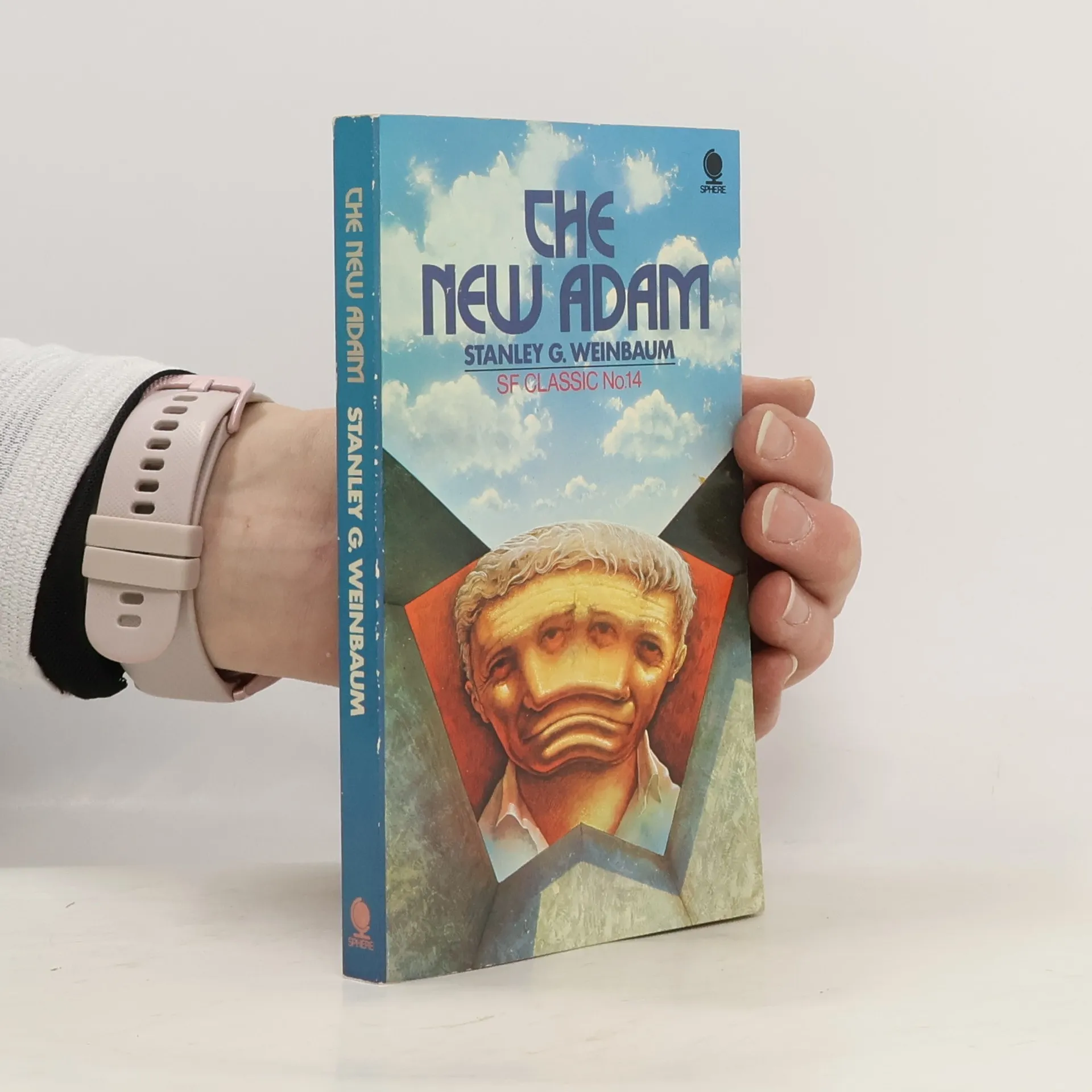
Edmund Hall, born a mutant with too many joints in his fingers and a double mind, tries to find a purpose in a society of humans. This superman is no caped crusader fighting for justice though. Rather, he is a dual-brained super-intellect with an IQ so far off the charts that normal human beings appear as Neanderthals next to him. In this story, our evolved human is born into modern society without anyone knowing his nature. While pondering whether he's a superman or the devil, he explores pleasure, power, and passion. Slowly he realizes the differences between himself and contemporary humans, and therein lies a fascinating story.
This is a classic science fiction novella by Stanley G. Weinbaum that was originally published in Wonder Stories in 1934. It is only Weinbaum's second published story and is a sequel to 'A Martian Odyssey'. The tale follows Dick Jarvis and his mission to retrieve the film he took one week earlier that was lost when his auxillery rocket crashed. Along with his colleague 'Frenchy' the pair visit the city of the cart creatures and the site of the pyramid building creature before going in search of Tweel, the birdlike Martian he met in 'A Martian Odyssey'. This work is part of our Vintage Sci-Fi Classics Series, a series in which we are republishing some of the best stories in the genre by some of its most acclaimed authors, such as Isaac Asimov, Marion Zimmer Bradley, and Robert Sheckley. Each publication is complete with a short introduction to the history of science fiction.
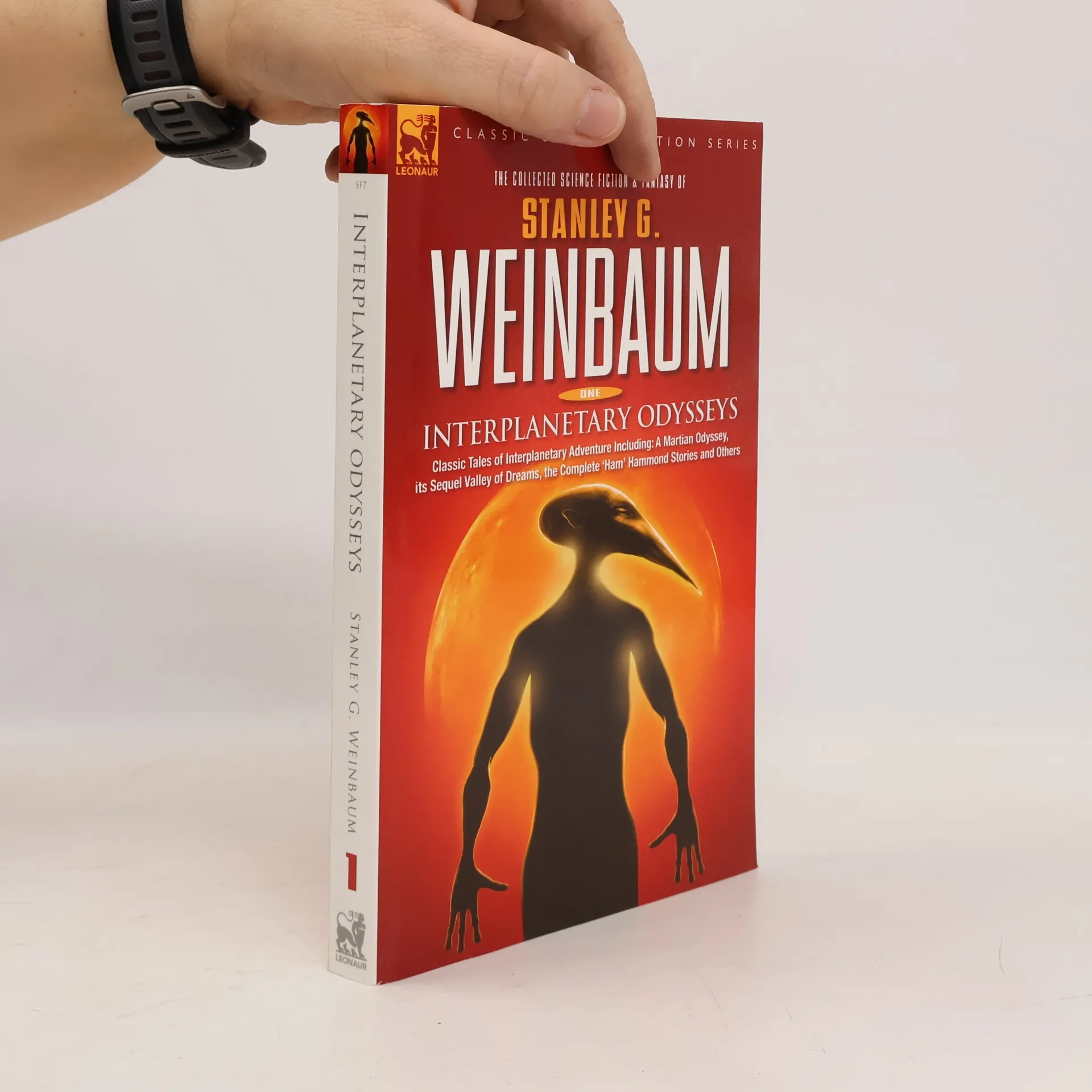
INTERPLANETARY ODYSSEYS: Classic Tales of Interplanetary Adventure Including A Martian Odyssey, Its Sequel Valley of Dreams, the Complete Ham Hammond Stories & Others"One of the novas of the SF cosmos." The New Encyclopaedia of Science Fiction Interplanetary Odysseys collects together all of Stanley G. Weinbaum's tales set on the planets and moons of our own solar system. With their colony cities and fast, easy space travel, these stories from the great romantic tradition of SF remain entertaining, readable and relevant. Weinbaum was noted as the first SF writer to create believable aliens that were a product of their own planetary environments and eco-systems. The lead story, the classic "A Martian Odyssey", demonstrates this talent perfectly and with the nine other tales included here it gives readers new and old a chance to relive the sense of wonder that sprang from the glory days of science fiction.
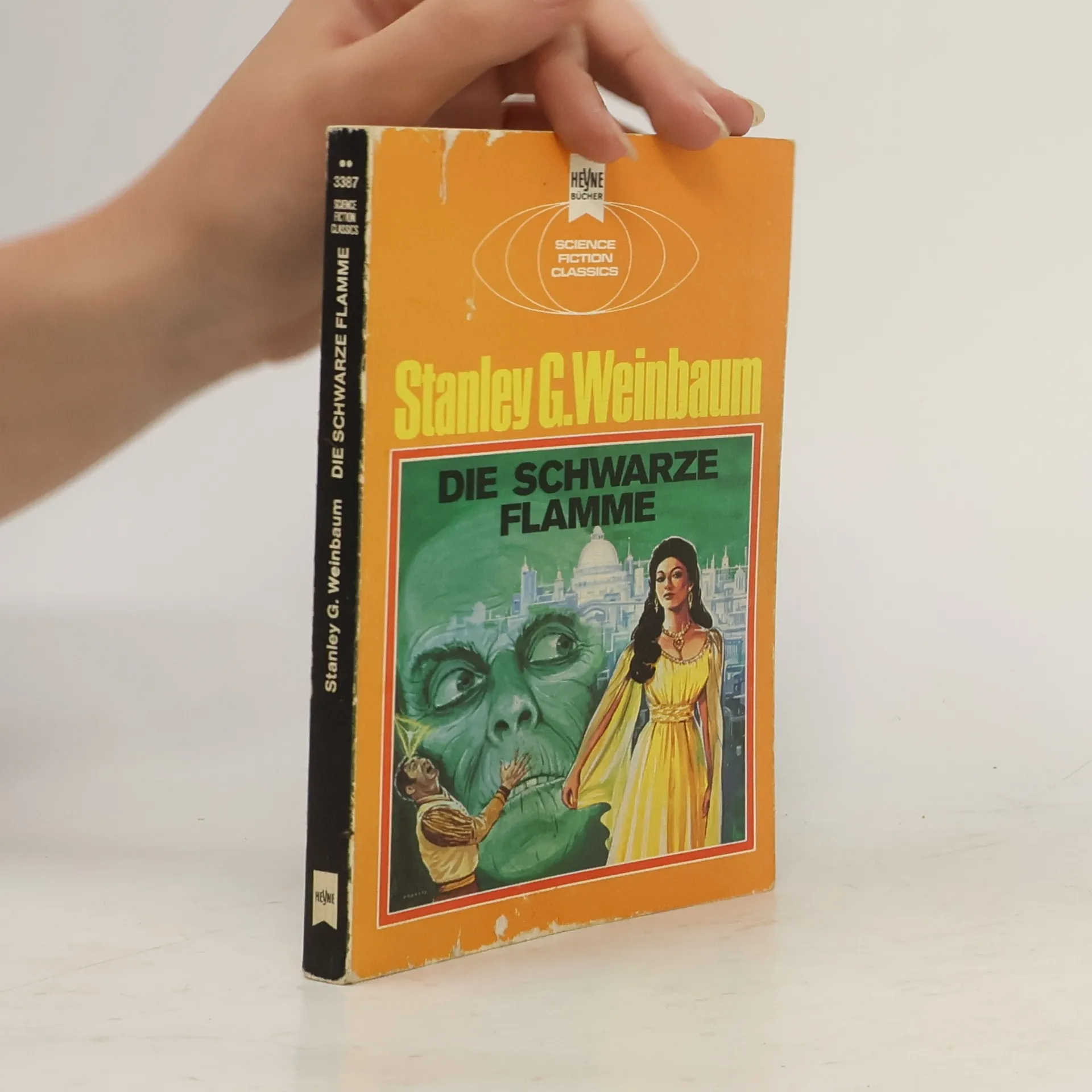
Alle sind ihr verfallen: der eiskalten Schönheit der „schwarzen Flamme“ – der junge Athlet aus dem Bergland ebenso wie der wiederauferstandene, vor Jahrtausenden zum Tode verurteilte Totschläger. Die grünäugige, schwarzhaarige Margot ist die Schwester des Diktators, der das Geheimnis der Unsterblichkeit bewahrt. Sie ist das belebende Element an der Spitze eines Staatswesens, das aus den Ruinen einer zerstörten Welt gewachsen ist. Aber es gärt. Vorbereitungen zu einer Revolution sind im Gange, die Unzufriedenen in den unterdrückten Regionen verbünden sich mit den Mutanten, den lebenden Opfern der atomaren Katastrophe. Sie alle wissen, dass man den elektrischen Waffen des Militärs nicht mit Pfeil und Bogen entgegentreten kann, doch sie haben einen Trumpf in der Hand: die Fusionsbombe – und sie zögern nicht, das Inferno zu entfesseln.
Inhalt: Eine Mars-Odyssee (1934), Tal der Träume (1934), Das adaptive Ultimatum (1935), Parasitenplanet (1935), Pygmalions Brille (1935), Wandelnde Meere (1937), Die Welten von Wenn (1935), Der verrückte Mond (1935), Erlösungshügel (1936), Das Ideal (1935), Die Lotusesser (1935), Proteus-Insel (1936)
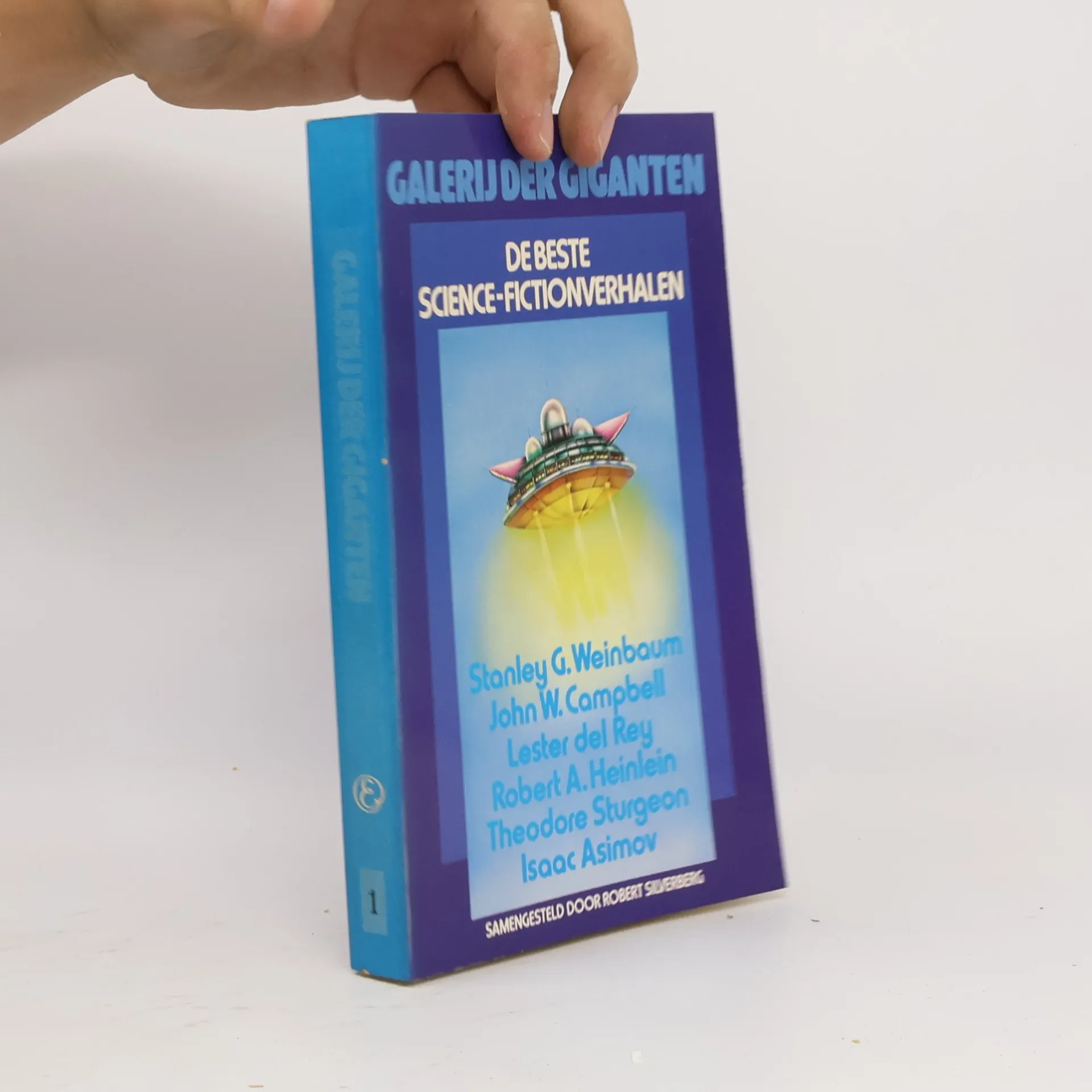
6 verhalen van beroemde SF-schrijvers: Stanley G. Weinbaum: Martiaanse odyssee (A martian odyssey, 1934) John W. Campbell Jr.: Schemertijd (Twilight, 1934) Lester del Rey: Helen van Alloyen (Helen O'Loy, 1938) Robert A. Heinlein: De weg zal rollen (The roads must roll, 1940) Theodore Sturgeon: De microcosmische God (Microcosmic God, 1941) Isaac Asimov: Wanneer de nacht valt (Nightfall, 1941)