Death, homosexuality and the spiritual emptiness of post-war Japan: these are the often shocking subjects which Mishima explores. The old world meets the new in this collection of fiction and drama by one of Japan's most celebrated writers. A husband prepares to commit hara-kiri in the name of patriotism; an ascetic struggles with temptation; and a businessman meets a past love in the streets of San Francisco. Violence colours the work of Mishima, as it did his life. But there is also delicate observation, pathos, humour and irony in these beautifully crafted tales. Contents: - Death in Midsummer - Three Million Yen - Thermos Flasks - The Priest of Shiga Temple and His Love - The Seven Bridges - Patriotism - Dōjōji - Onnagata - The Pearl - Swaddling Clothes
Edward Seidensticker Pořadí knih (chronologicky)
Edward George Seidensticker byl významným post-válečným vědcem, historikem a předním překladatelem klasické a současné japonské literatury. Jeho práce zpřístupnila japonské autory západnímu čtenářstvu. Seidensticker se zaměřoval na hluboké pochopení japonské kultury a její literární tradice. Jeho překlady jsou ceněny pro svou přesnost a literární kvalitu.

Snow Country
- 121 stránek
- 5 hodin čtení
Shimamura is tired of the bustling city. He takes the train through the snow to the mountains of the west coast of Japan to meet with a geisha he believes he loves. Beautiful and innocent, Komako is tightly bound by the rules of a rural geisha and lives a life of servitude and seclusion that is alien to Shimamura – their love offers no freedom to either of them. Snow Country is both delicate and subtle, reflecting in Kawabata's exact, lyrical writing the unspoken love and the understated passion of the young Japanese couple.
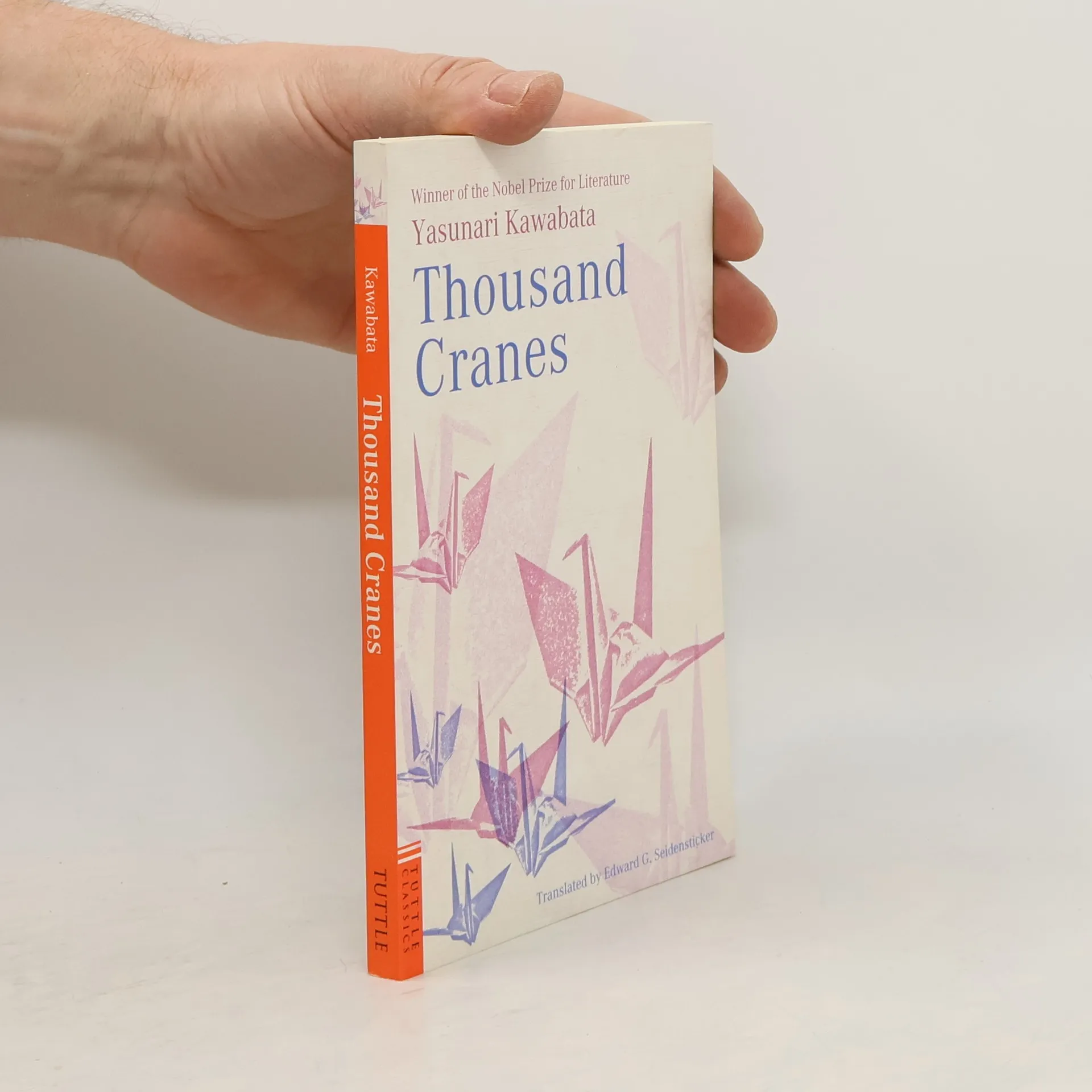
千羽鶴(英文版) - Thousand Cranes
- 147 stránek
- 6 hodin čtení
Thousand Cranes is a story of love given and love withheld. Set against the backdrop of Japan's traditional tea ceremony, it is a taut, highly dramatic novel gleaming with sudden passages of poetic beauty. In one of the book's strongest scenes, the two characters are symbolized by the two fine old China bowls, one female and one male, that sit before them. The novel opens with Kikuji on his way to a tea ceremony given by Chikako, one of his father's former mistresses. He is also on his way to act out the unfinished drama of his father's life. Kikuji's father had been a cultivated man, an art lover and a pleasure seeker. He had cast off one mistress, Chikako, but had loved another, Mrs Ota, until his death. Kikuji, like his father, tries to escape from Chikako, now masculine and meddlesome. Like his father, too, he is drawn to Mrs Ota, who has remained young, alluring and pliant even though her daughter, Fumiko, is only twenty years old. Kikuji's guilty passion for Mrs Ota and Fumiko's efforts to alter the family fate lead to the novel's stunning climax.
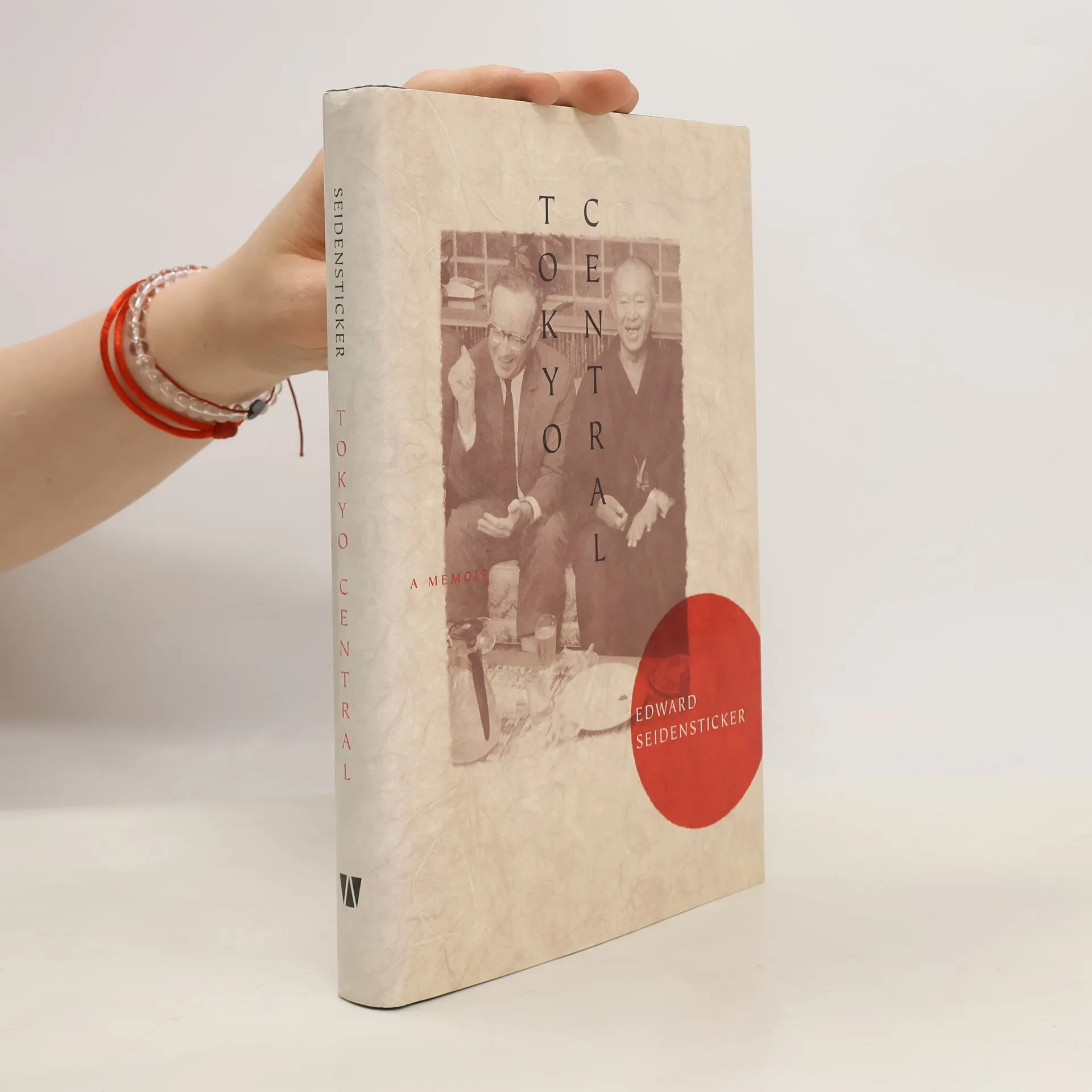
This memoir is by a translator who has introduced two generations of English-language audiences to the masterpieces of classical and modern Japanese literature. His patient rendering of novels ranging from the 11th-century Tale of Genji to works of such modern masters as Junichiro Tanizaki, Yukio Mishima and Nobel-Prize winner Yasunari Kawabata has earned him the National Book Award as well as the Order of the Rising Sun, Japan's highest honour for foreigners.
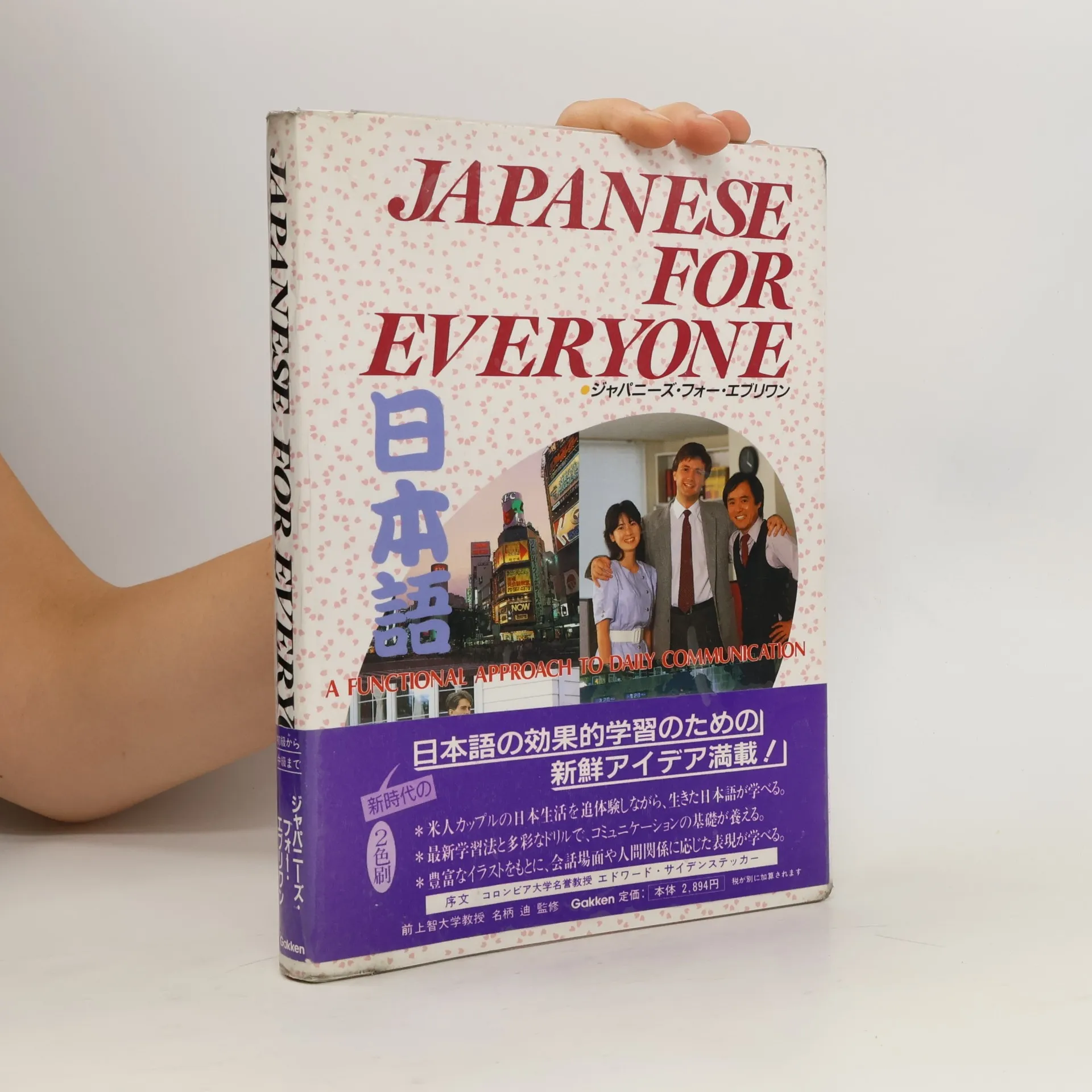
Japanese for Everyone Paperback – Import, 1000 by Gakken (Author)
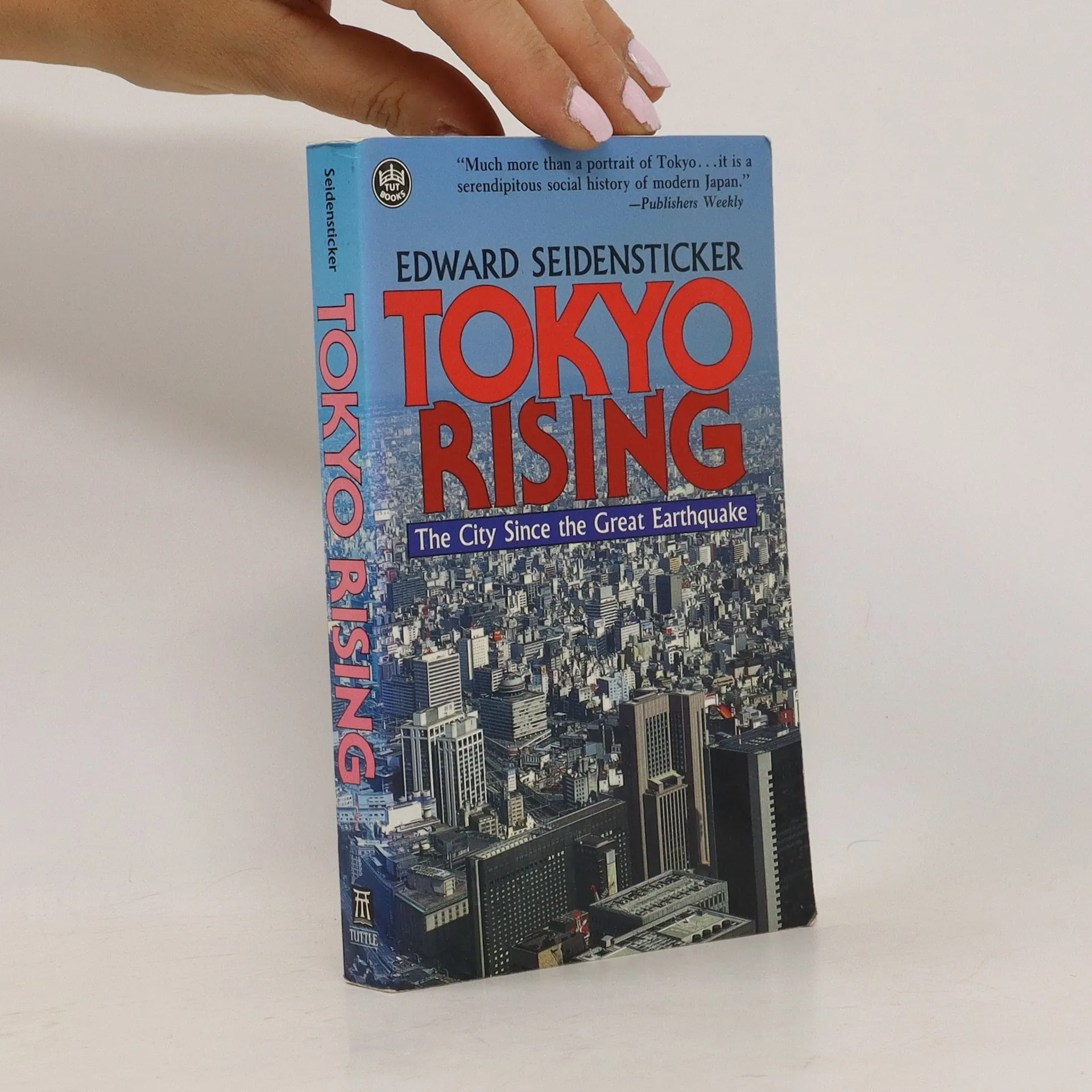
Tokyo Rising
- 378 stránek
- 14 hodin čtení
A continuation of the author's history of Tokyo explains how the city recovered from both a major earthquake and Allied bombing raids in World War II
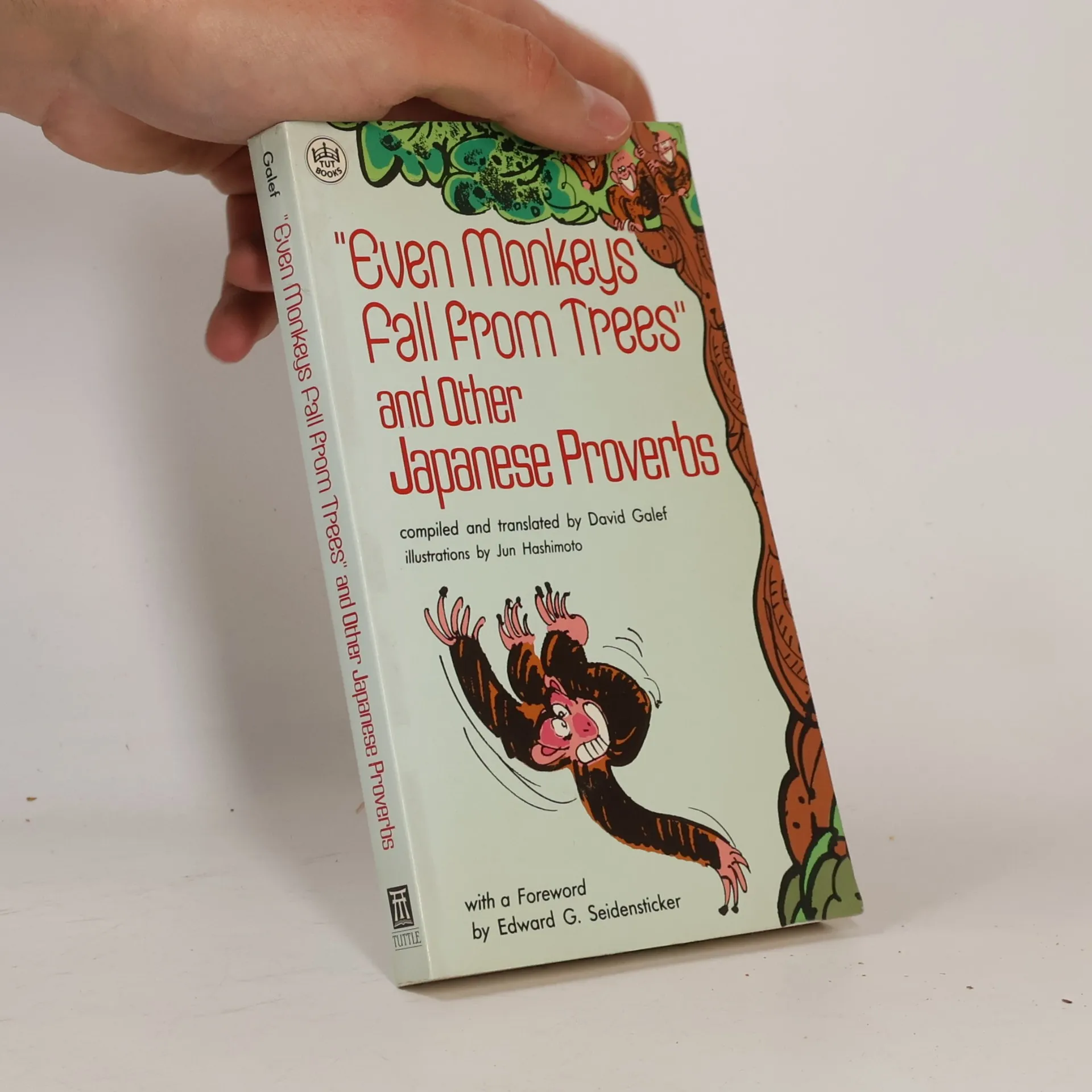
100 of the most common sayings are collected here with their English equivalents. Each proverb is given in Japanese script and in romanized form with a delightful illustration.
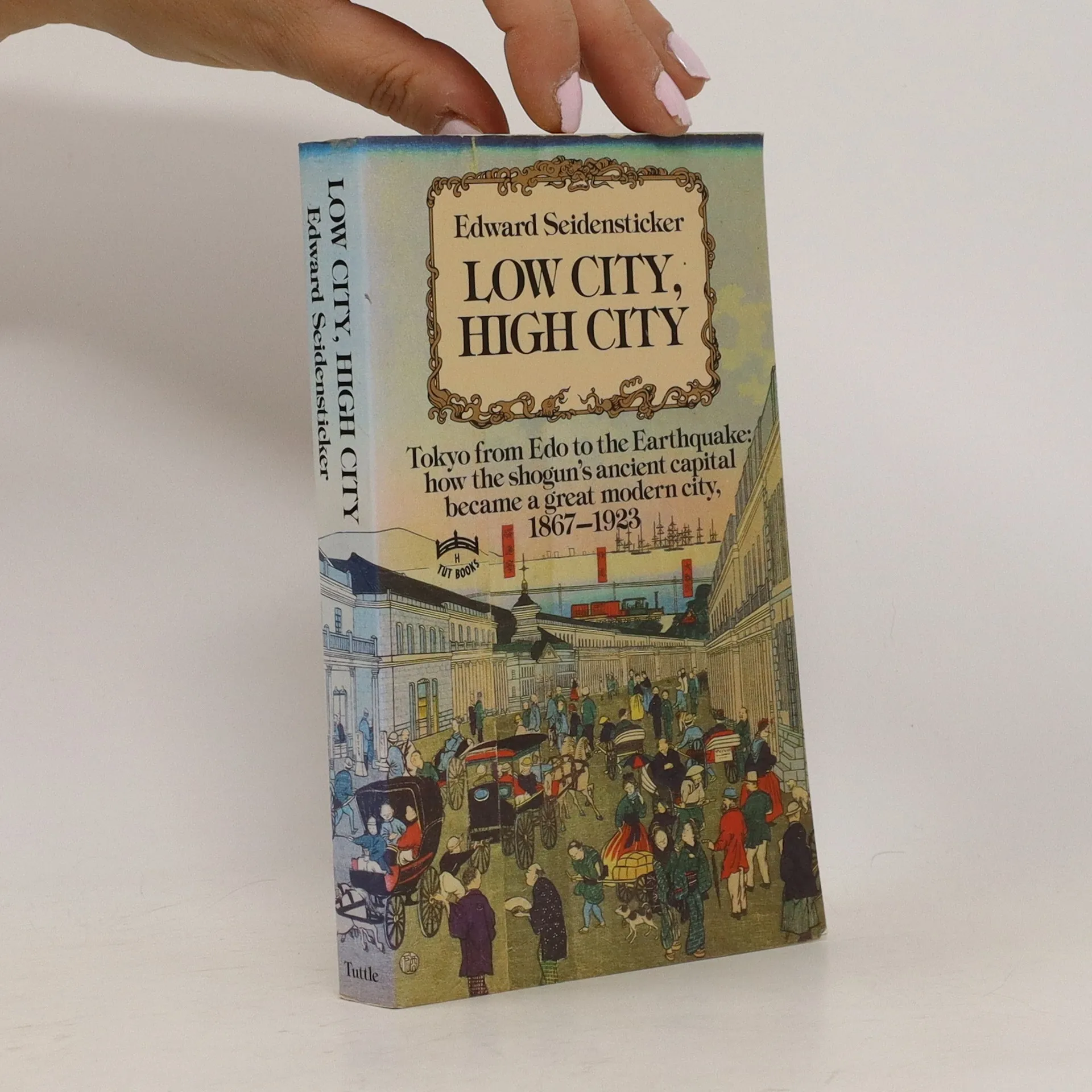
Low City, High City
- 302 stránek
- 11 hodin čtení
Certain conjunctions of time and place exert a special fascination--Paris in the twenties, turn-of-the-century Vienna, Weimar Berlin. Tokyo in the years between the Meiji Restoration and the Earthquake of 1923 is one of these. Until 1867 the city was called Edo--it was the shogun's capital, the biggest city in a country almost completely closed to the outside world for two and a half centuries. Then, helter-skelter, it became a modern metropolis brimming with Western fads, ideas, and technologies, exuberantly inventing and imitating even as it yearned for the past it was destroying. East and West met here as never before--or since.
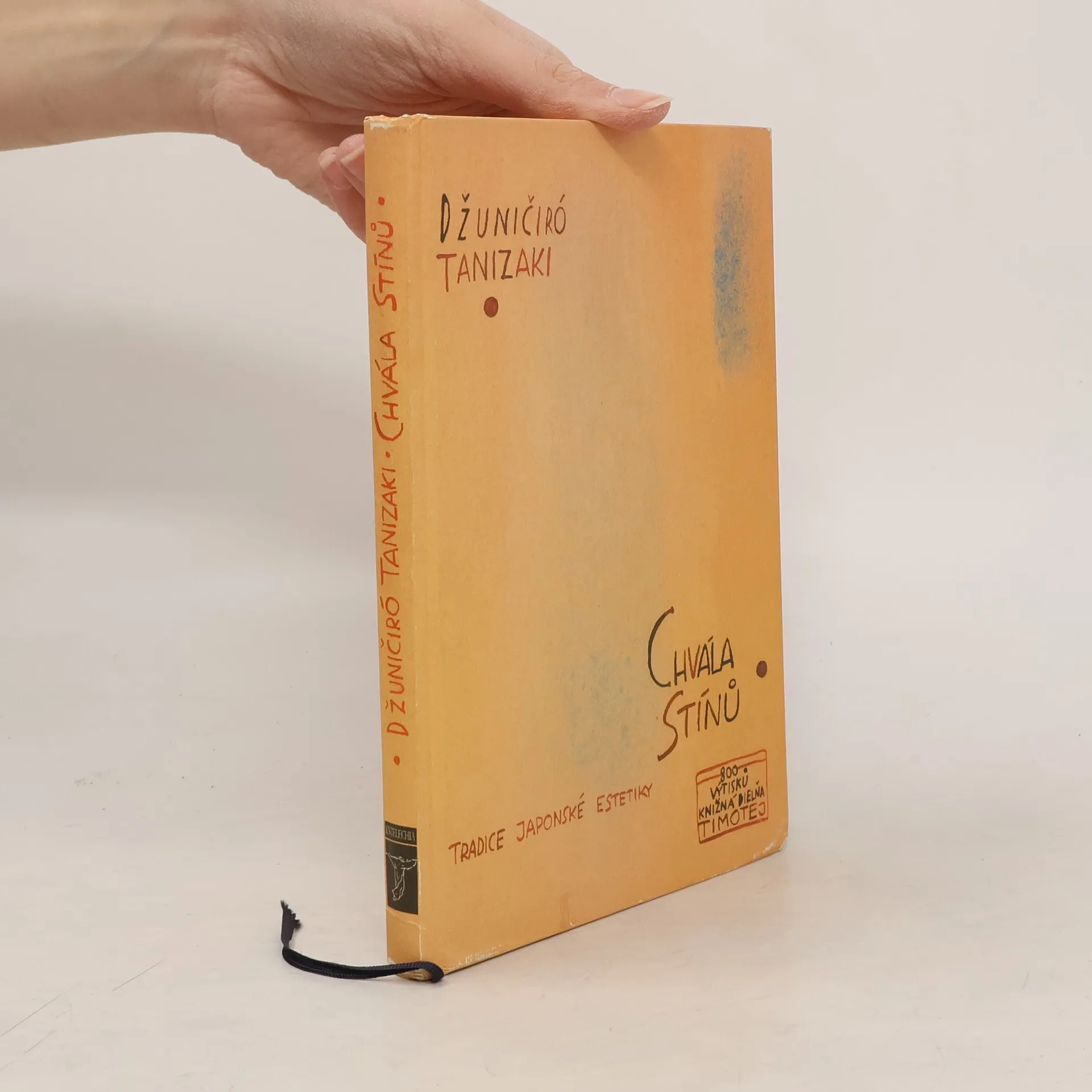
Chvála stínů
- 82 stránek
- 3 hodiny čtení
Japonský spisovatel se snaží nenásilným způsobem přiblížit západnímu čtenáři základní estetická hlediska japonské kultury. Staví do opozice západní tendenci k reprezentaci, čistotě, světlu a působení "navenek", japonský přístup se zaměřuje spíše "dovnitř" na sféru osobního a intimního, na jednoduchost. Jak název knihy naznačuje, důležitým prvkem pro japonské cítění je šerosvit, temnota. Většina objektů (ať už uměleckých nebo každodenních) je vytvářená pro šerá zákoutí, kde hraje důležitou roli hra stínů a podporuje meditativní naladění.
This Country Japan
- 350 stránek
- 13 hodin čtení
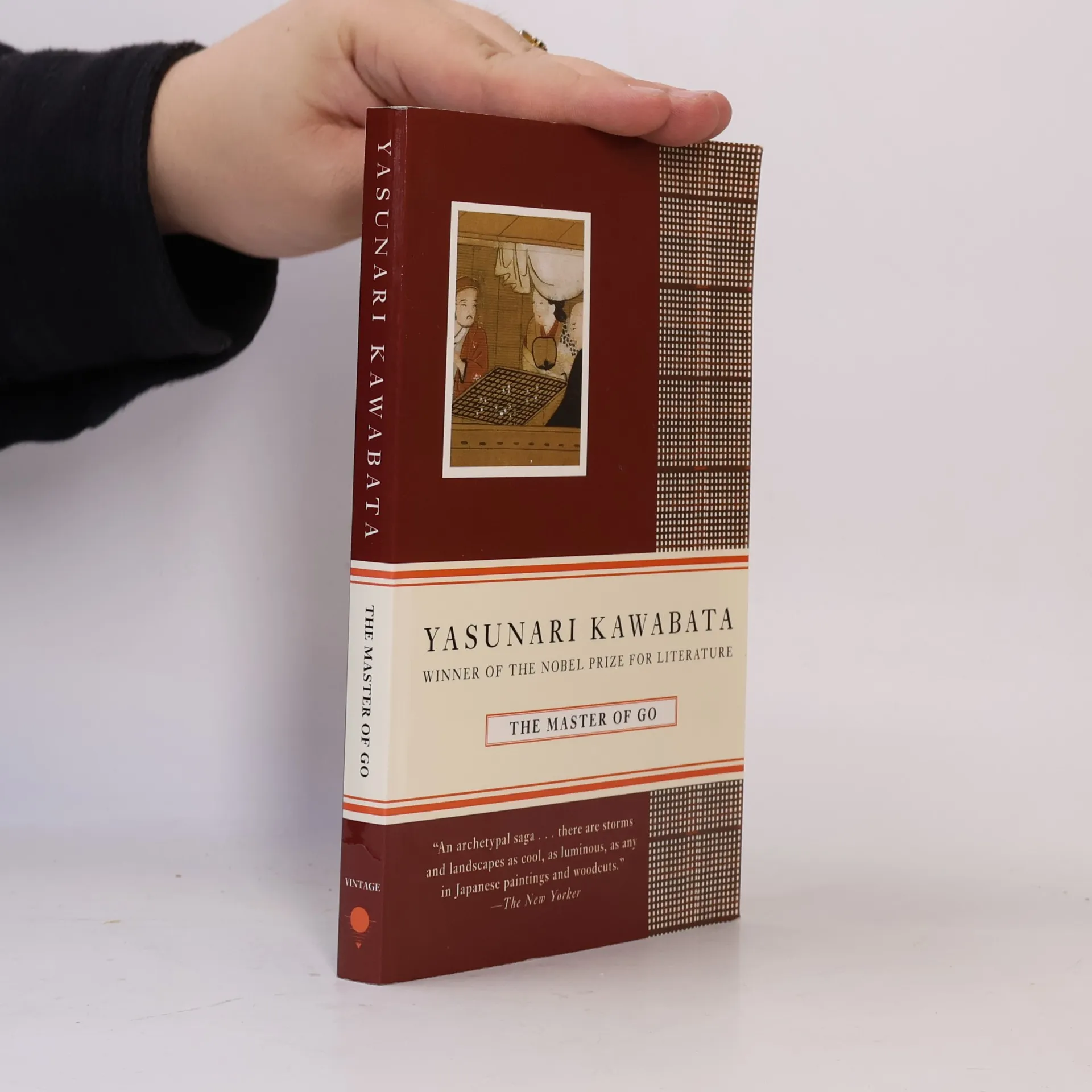
The Master of Go
- 208 stránek
- 8 hodin čtení
From the Nobel Prize-winning author and acclaimed writer of Thousand Cranes comes the luminous chronicle of a match of the Japanese game Go played between a master and a younger, more modern challenger that serves as a suspenseful elegy for an entire society.Go is a game of strategy in which two players attempt to surround each other’s black or white stones. Simple in its fundamentals, infinitely complex in its execution, Go is an essential expression of the Japanese spirit. And in his fictional chronicle of a match played between a revered and heretofore invincible Master and a younger, more modern challenger, Yasunari Kawabata captured the moment in which the immutable traditions of imperial Japan met the onslaught of the twentieth century.The competition between the Master of Go and his opponent, Otaké, is waged over several months and layered in ceremony. But beneath the game’s decorum lie tensions that consume not only the players themselves but their families and retainers—tensions that turn this particular contest into a duel that can only end in death. Luminous in its detail, both suspenseful and serene, The Master of Go is written with the poetic economy and psychological acumen that brought Kawabata the Nobel Prize for Literature.