

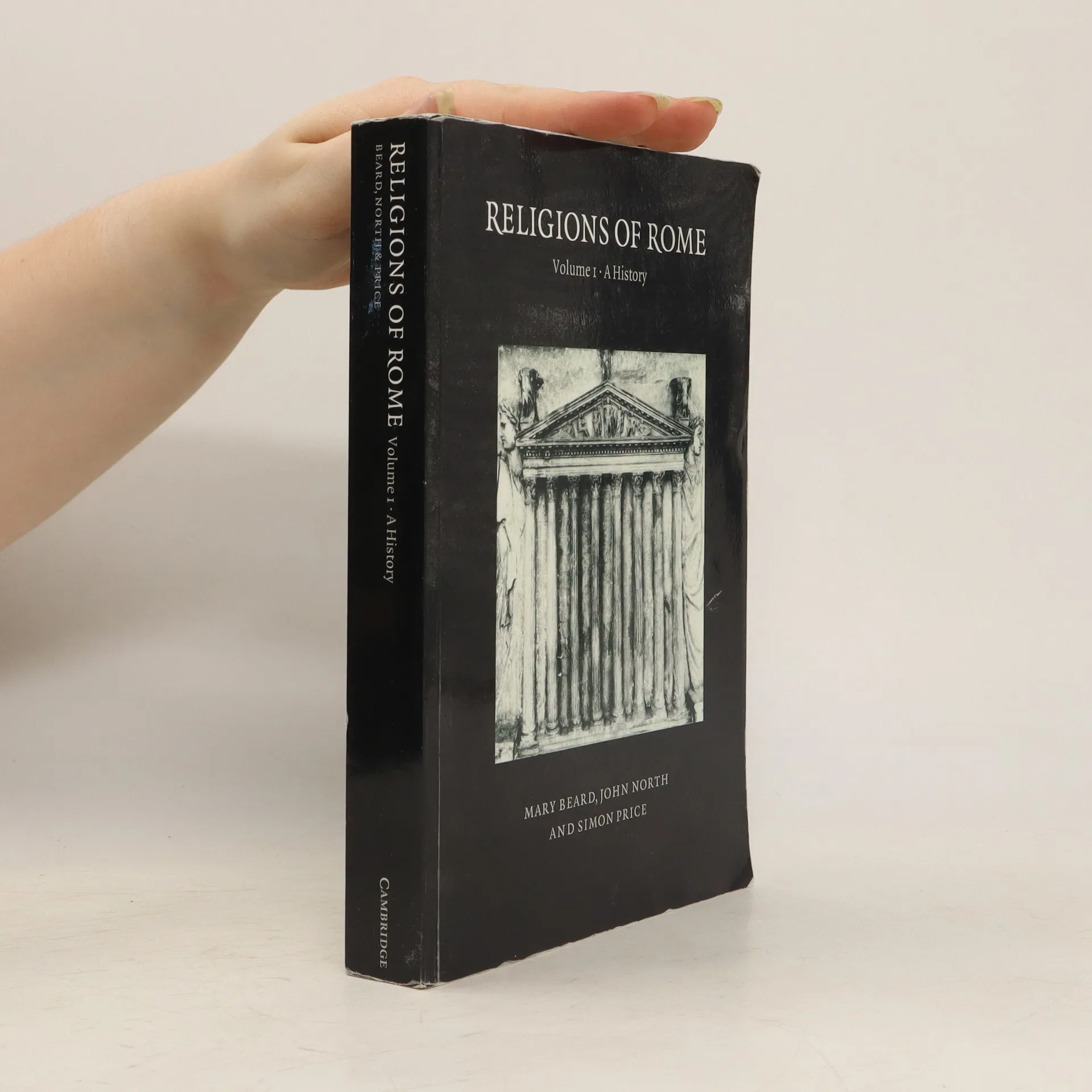
This book offers a radical survey of over a 1000 years of religious life, from the foundation of Rome to its rise to world empire & Xian conversion. It sets religion in its full cultural context, between the primitive hamlet of the 8th century BCE & the cosmopolitan, multicultural society of the 1st centuries of the Xian era. A companion volume, Religions of Rome, Vol 2: A Sourcebook, sets out a wide range of documents, illustrating the religious life in the Roman world.Acknowledgements Preface Conventions & abbreviations Maps 1 Early Rome 2 Imperial triumph & religious change 3 Religion in the late Republic 4 The place of religion: Rome in the early Empire 5 The boundaries of Roman religion 6 The religions of imperial Rome 7 Roman religion & Roman Empire 8 Roman religion & Christian emperors: 4th & 5th centuries Bibliography Details of maps & illustrations Index
S R F Price Knihy
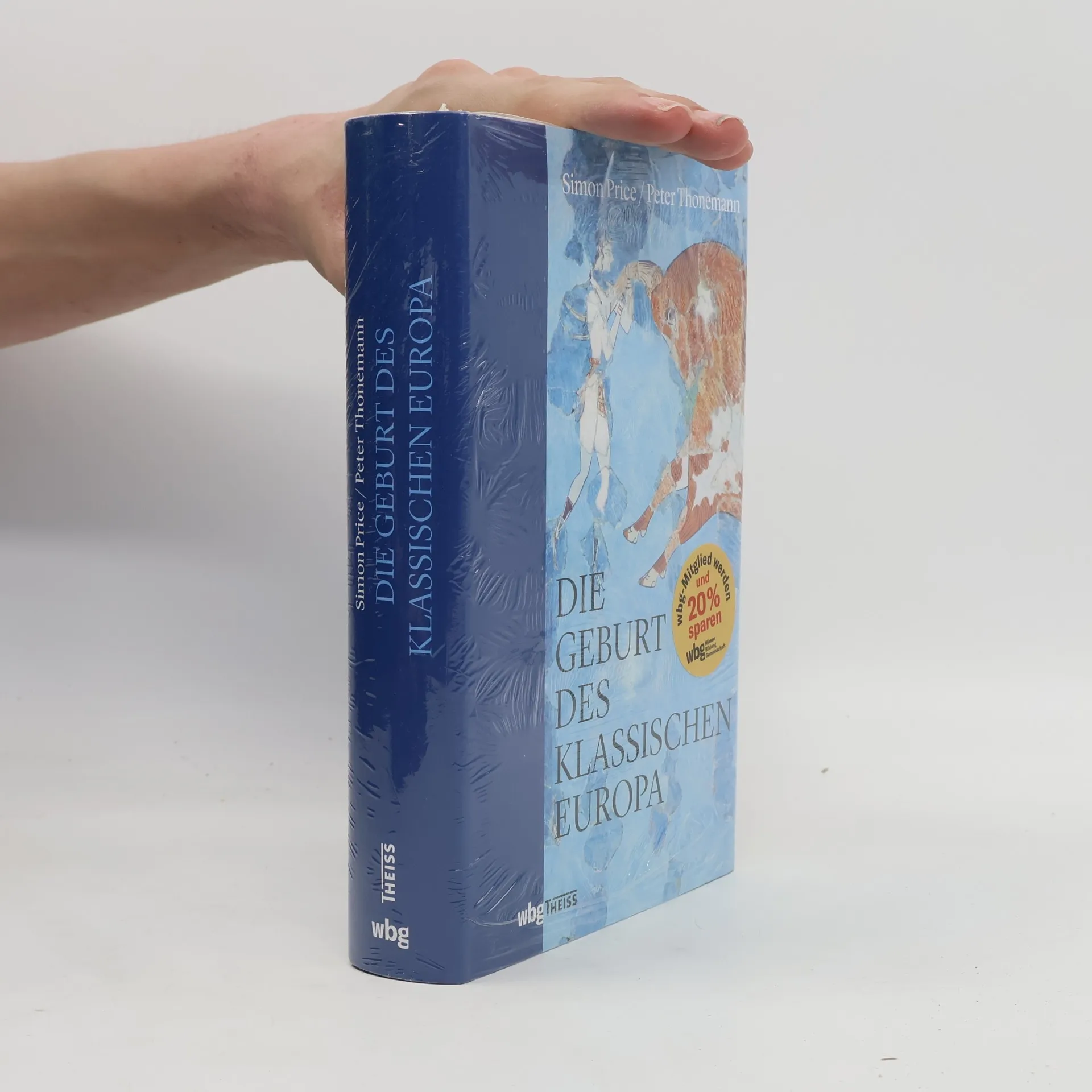
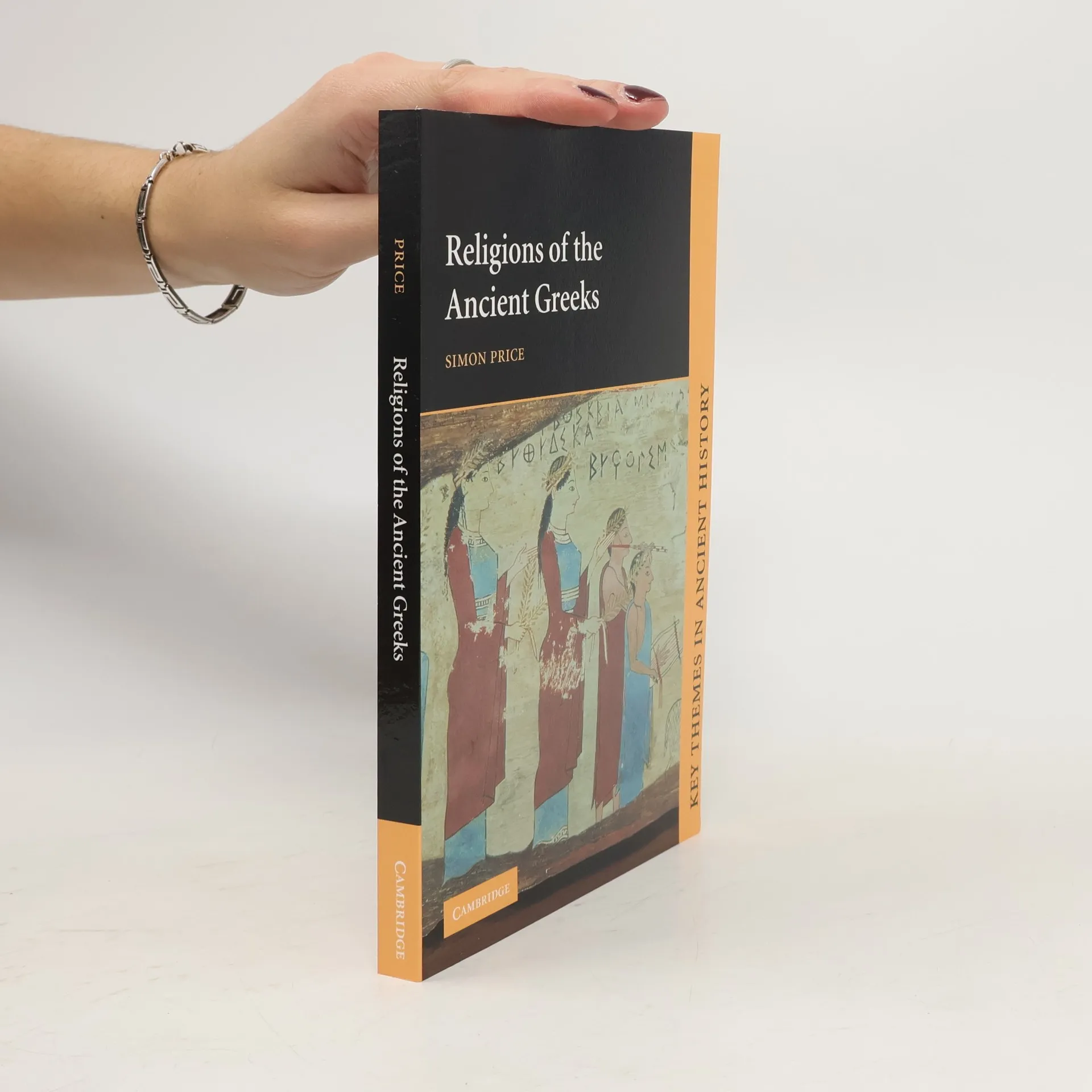
This 1999 book is about the religious life of the Greeks from the eighth century BC to the fifth century AD, looked at in the context of a variety of different cities and periods. Simon Price does not describe some abstract and self-contained system of religion or myths but examines local practices and ideas in the light of general Greek ideas, relating them for example, to gender roles and to cultural and political life (including Attic tragedy and the trial of Socrates). He also lays emphasis on the reactions to Greek religions of ancient thinkers - Greek, Roman, Jewish and Christian. The evidence drawn on is of all kinds: literary texts, which are translated throughout; inscriptions, including an appendix of newly translated Greek inscriptions; and archaeology, which is highlighted in the numerous illustrations.
Der Altmeister Simon Price (der leider 2011 bereits viel zu früh verstarb) und der aufstrebende Jungstar Peter Thonemann, beide University of Oxford, bieten in ihrem großen Buch beides: Einerseits eine klassische, chronologische Gesamtdarstellung der griechisch-römischen antiken Welt. Andererseits brechen sie diese klassische Form der Darstellung radikal, indem sie durch drei das gesamte Buch durchziehende Grundprinzipien unser Antikenbild auf den Kopf stellen: Sie interpretieren die Ereignisse aus der Vorstellung der Zeit und dem zeitgenössischen Geschichtsbild; sie betonen als Fokus der damaligen Wahrnehmung die regionale und kommunale Perspektive; und sie reflektieren immer mit, was das antike Europa für unseren Kontinent heute bedeutet. So entsteht eine klassische, umfassende Darstellung für jeden an der Antike Interessierten, und gleichzeitig eine lebendige, moderne Analyse. Wer sich für die Wurzeln unseres Europa interessiert, kommt an diesem Werk nicht vorbei.