

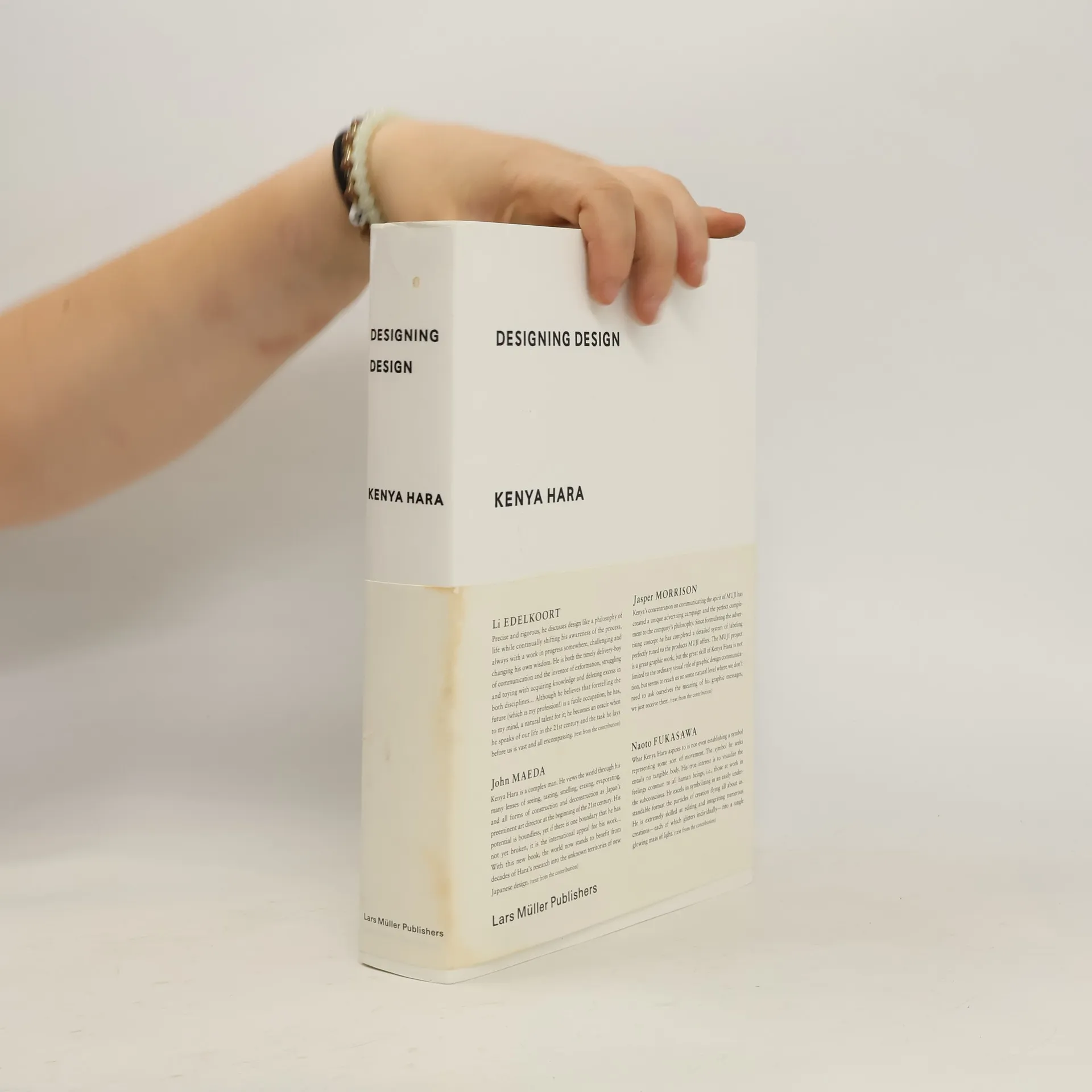
Representing a new generation of designers in Japan, Kenya Hara (born 1958) pays tribute to his mentors, using long overlooked Japanese icons and images in much of his work. In “Designing Design”, he impresses upon the reader the importance of “emptiness” in both the visual and philosophical traditions of Japan, and its application to design, made visible by means of numerous examples from his own work: Hara for instance designed the opening and closing ceremony programs for the Nagano Winter Olympic Games 1998. In 2001, he enrolled as a board member for the Japanese label MUJI and has considerably moulded the identity of this successful corporation as communication and design advisor ever since. Kenya Hara, alongside Naoto Fukasawa one of the leading design personalities in Japan, has also called attention to himself with exhibitions such as “Re-Design: The Daily Products of the 21st Century” of 2000.
Kenya Hara Knihy
Kenya Hara je vlivný japonský grafický designér a kurátor, známý svým minimalistickým přístupem a hlubokým propojením s japonskou estetikou. Jeho práce zdůrazňuje koncept „prázdnoty“, který promítá do designu a vytváří tak vizuálně i filozoficky podmanivé zážitky. Hara vede designovou strategii značky Muji a jeho vliv sahá od sportovních akcí až po módní průmysl. Jeho přístup k designu, který klade důraz na jednoduchost a smysluplnost, z něj činí klíčovou postavu v současném designovém myšlení.


White
- 64 stránek
- 3 hodiny čtení
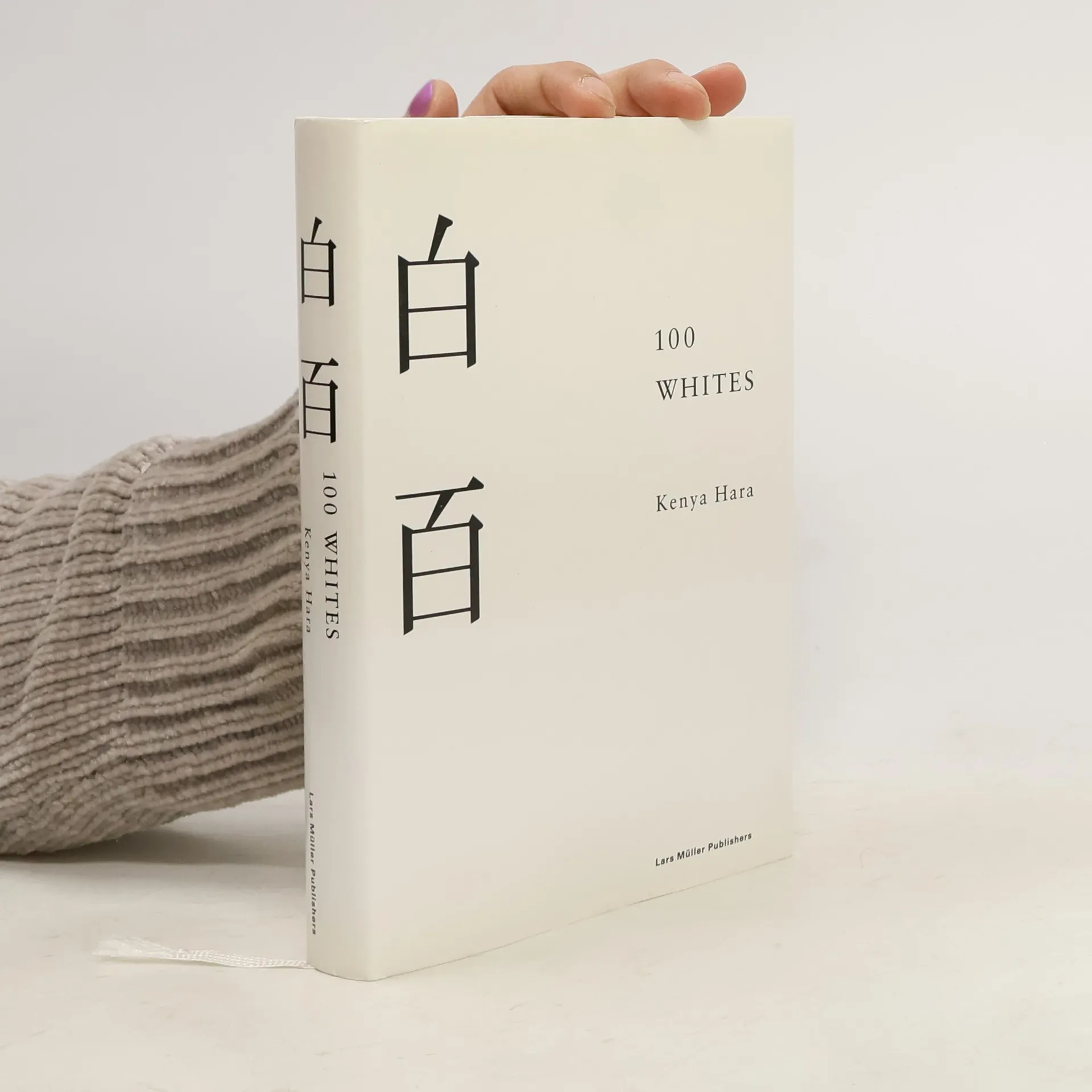
The latest publication by designer Kenya Hara following his acclaimed Designing Design. White is not a book about color. It is rather the author's attempt to explore the essence of "white," which he sees as being closely related to the origin of Japanese aesthetics--symbolizing simplicity and subtlety. The central concepts discussed are emptiness and the absolute void. Kenya Hara also sees his work as a designer as a pure form of communication. Good communication has the distinction of being able to listen to each other, rather than to press one's opinion onto the opponent. Kenya Hara compares this form of communication with an "empty container." In visual communication, there are equally signals whose signification is limited, as well as signals or symbols such as the cross or the red circle on the Japanese flag, which--like an "empty container"--permit every signification and do not limit imagination. It is not only the fact that the Japanese character for white forms a radical of the character for emptiness that has prompted him to closely associate the color white with the state of emptiness. This book offers a personal insight into the philosophy of the successful designer and author of Designing Design.
Kenya Hara inspires with his exceptional design, showcasing his work as Muji's art director and his ethereal exhibition designs. "Draw" offers a rare glimpse into his creative process, from initial sketches to confident designs, advocating for a return to analog methods in design. It's a compelling resource for aspiring designers.
100 Whites
- 216 stránek
- 8 hodin čtení
Highlighting the universal importance of the color white in culture