This book aims at the unquestioned colloquial use of the term 'failed states'
and its idea that they are now the primary threat to international peace and
security. The book will be of interest to academic researchers in
international relations and comparative politics, as well as to a broader
audience.
Otherness and Power: Michael Jackson and His Media Critics is an innovative study of the cultural impact of Michael Jackson. Jackson had millions of ardent fans around the world, but from the early days of his adult career many in the media mocked and reviled him. How did such divergent attitudes come about? This book examines the origins and psychological underpinnings of the media's hostility by closely analyzing some of the most harshly critical writings about Jackson. While racism and discomfort with Jackson's "otherness" have previously been recognized as the elements that fueled media criticisms, Susan Woodward reveals another important factor: the perception that Jackson was extraordinarily powerful, in ways that went beyond celebrity and wealth. Through research and careful analysis, Woodward explores the ways in which Jackson's power was seen, the largely unconscious response to his power, the functions of the media's criticisms and the origins of the perceptions of Jackson's power.
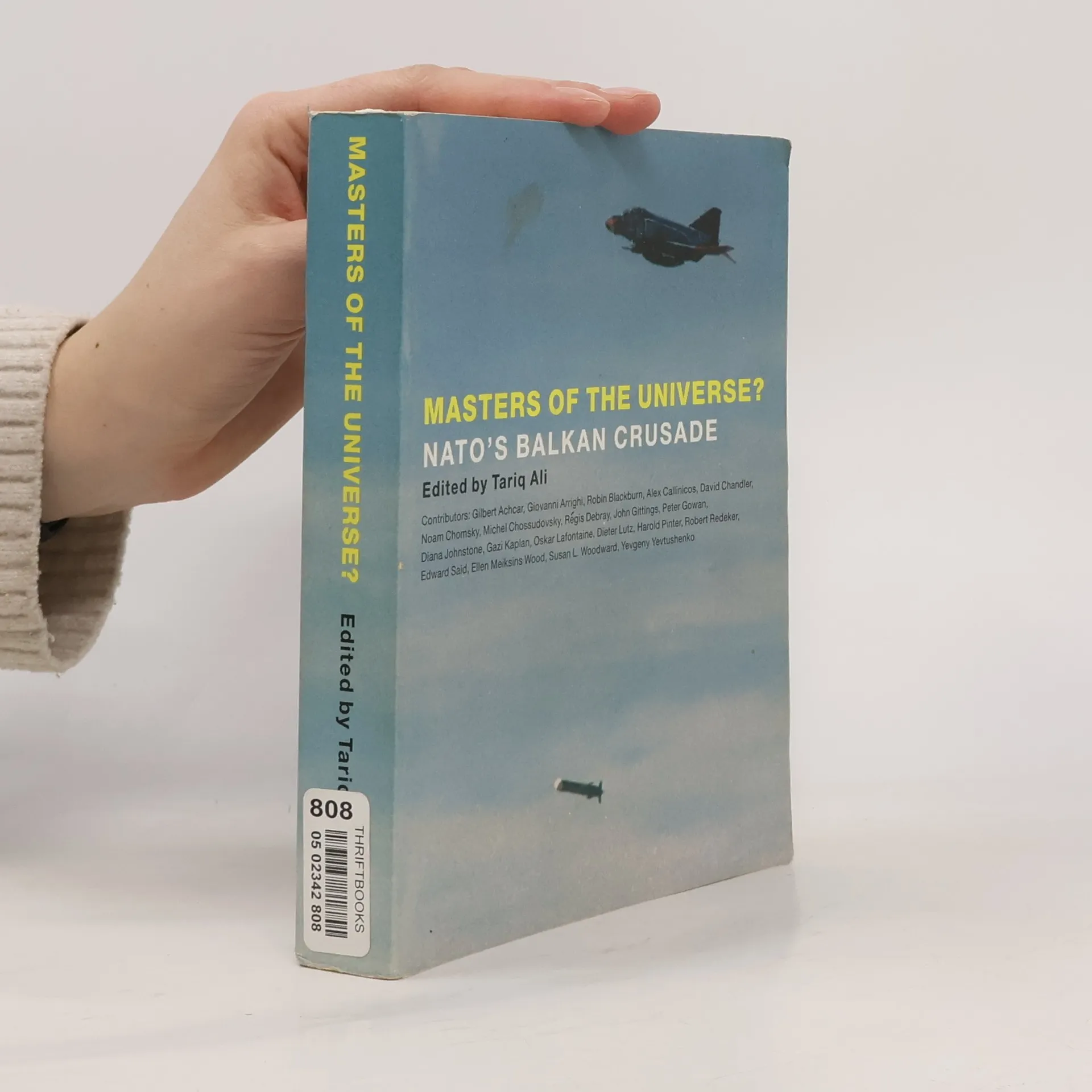
NATO’s war on Yugoslavia in the spring of 1999 was unleashed in the name of democracy and human rights. This view was challenged by the world’s three largest countries, India, China and Russia, who saw the bombing of Serbia and Kosovo as a naked attempt to assert US dominance in an unstable world.In the West, media networks were joined by substantial sectors of left/liberal opinion in supporting the war. Nonetheless, a wide variety of figures emerged to challenge the prevailing consensus. Their work, gathered here for the first time, forms a collection of key statements and anti-war writings from some of democracy’s most eloquent dissidents—Noam Chomsky, Harold Pinter, Edward Said and many others—who provide carefully researched examinations of the real motives for the US action, dissections and critiques of the ideology of ‘humanitarian warfare’, and chartings of the unnecessary tragedy of a region laid to waste in the pursuance of Great Power politics.This reader presents some of the most important texts on NATO’s Balkan crusade and forms a major intervention in the debate on global geo-political strategy after the Cold War.
Yugoslavia was well positioned at the end of the cold war to make a successful
transition to a market economy and westernization. Yet two years later, the
country had ceased to exist, and devastating local wars were being waged to
create new states.