

Do Vánoc stíháš objednat ještě 3 dny a 15 hodin. 
Knihobot

Edward Chancellor

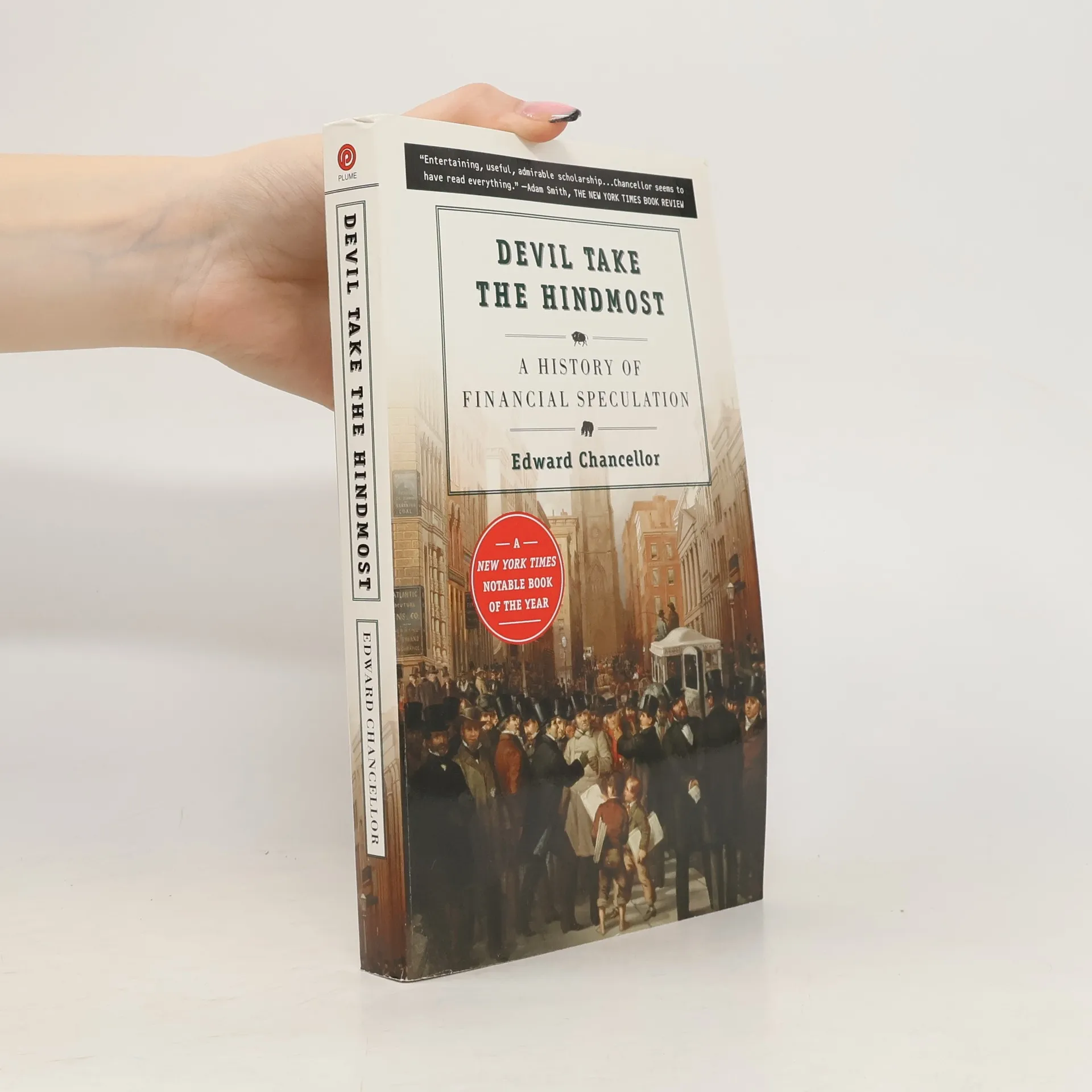
    Devil Take the Hindmost: A History of Financial Speculation
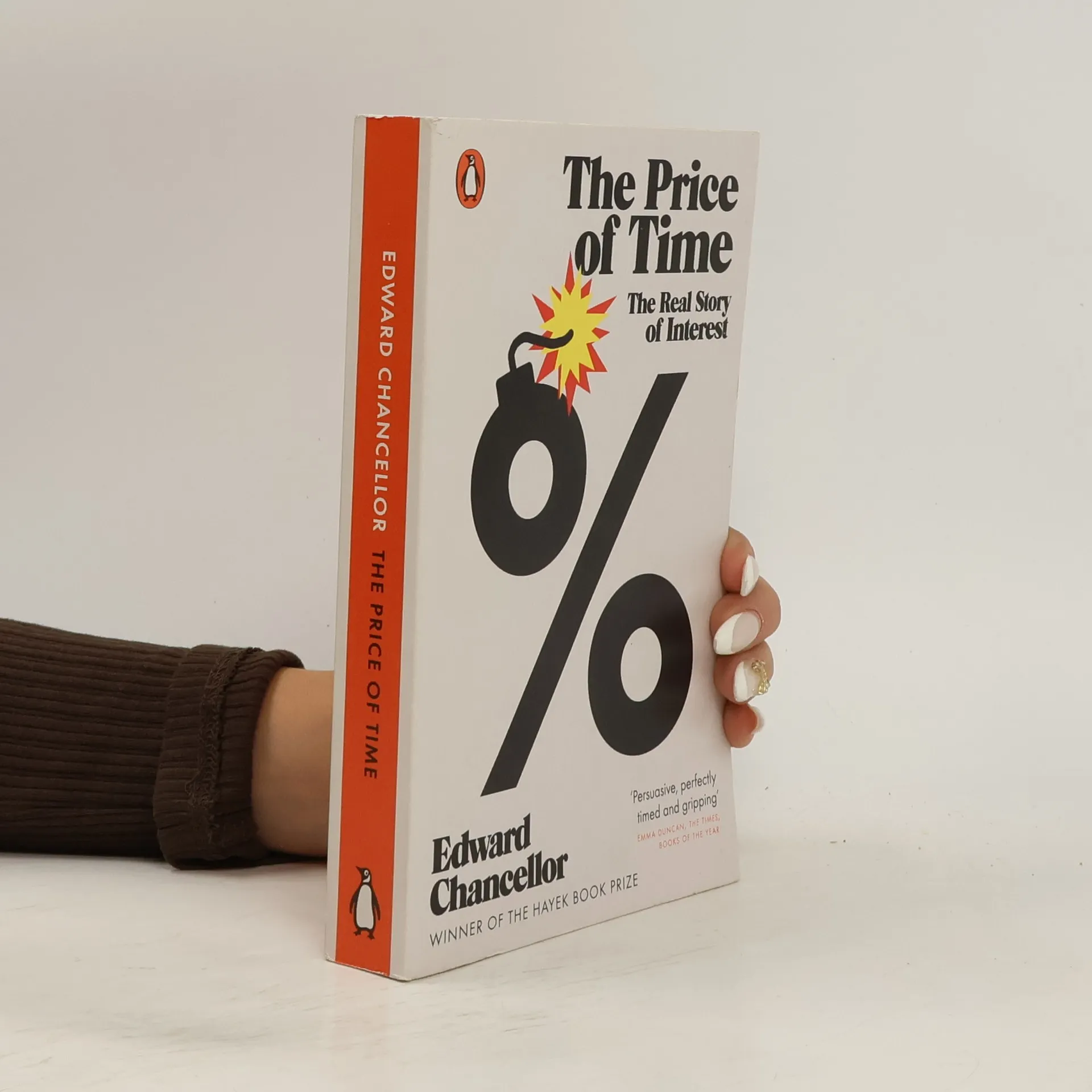
    The Price of Time
    • A comprehensive and relevant history of interest from a leading financial writer explains our current global financial position and its origins. For at least five millennia, people have borrowed and lent at interest, a practice once viewed as exploitative in the ancient world, often leading to debt bondage. However, as capitalism emerged in the late Middle Ages, the condemnation of interest softened, recognizing it as a necessary incentive for lenders to provide capital. Interest serves vital functions: it encourages saving, helps value precious assets like houses and financial securities, and allows for risk pricing. Economic activities unfold over time, making interest not just the "price of money" but more accurately the "price of time," reflecting its scarcity and value. In the early twenty-first century, interest rates have plummeted, a consequence of easy money following the 2007/2008 financial crisis. This has led to asset price bubbles, reduced productivity growth, discouraged savings, increased inequality, and compelled yield-starved investors to assume excessive risks. The financial world now faces significant challenges, and the author elucidates the historical context and essential role of interest in capital allocation and pricing.

      The Price of Time
    • A lively, original, and challenging history of stock market speculation from the 17th century to present day.Is your investment in that new Internet stock a sign of stock market savvy or an act of peculiarly American speculative folly? How has the psychology of investing changed—and not changed—over the last five hundred years?In Devil Take the Hindmost , Edward Chancellor traces the origins of the speculative spirit back to ancient Rome and chronicles its revival in the modern world: from the tulip scandal of 1630s Holland, to “stockjobbing” in London's Exchange Alley, to the infamous South Sea Bubble of 1720, which prompted Sir Isaac Newton to comment, “I can calculate the motion of heavenly bodies, but not the madness of people.”Here are brokers underwriting risks that included highway robbery and the “assurance of female chastity”; credit notes and lottery tickets circulating as money; wise and unwise investors from Alexander Pope and Benjamin Disraeli to Ivan Boesky and Hillary Rodham Clinton.From the Gilded Age to the Roaring Twenties, from the nineteenth century railway mania to the crash of 1929, from junk bonds and the Japanese bubble economy to the day-traders of the Information Era, Devil Take the Hindmost tells a fascinating story of human dreams and folly through the ages.

      Devil Take the Hindmost: A History of Financial Speculation