



Více o knize
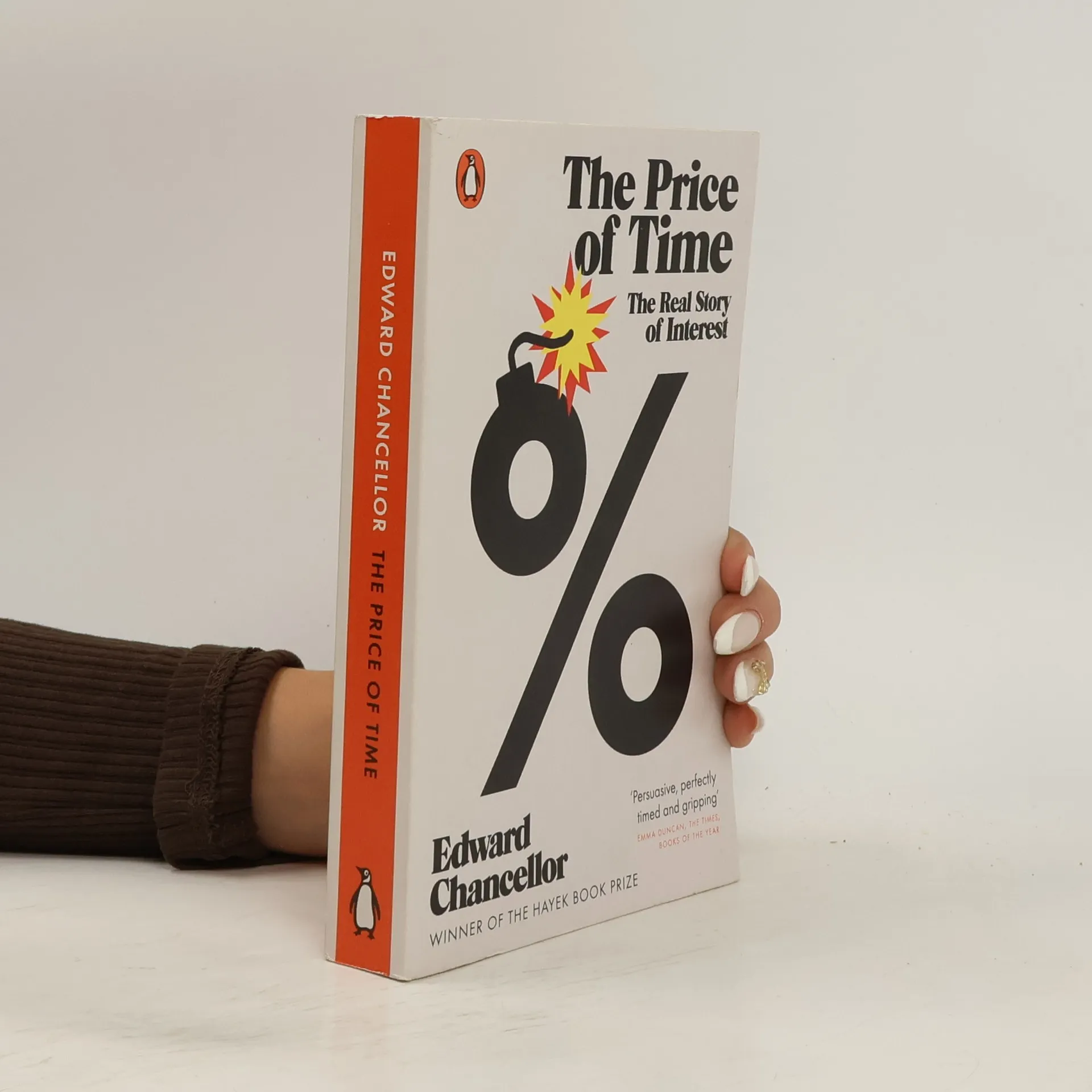
The first book of the next crisis.*Winner of the 2023 Hayek Book Prize**Longlisted for the 2022 Financial Times Business Book of the Year Award* All economic and financial activities occur across time, with interest serving as the coordinating mechanism. The narrative of capitalism unfolds through the costs individuals, companies, and nations incur to borrow money. Edward Chancellor traces the history of interest from ancient Mesopotamia to contemporary global credit booms. While high interest rates are often viewed as detrimental, Chancellor argues that easy money leads to financial instability. He examines the present context of historically low interest rates, including the emergence of negative rates in Europe and Japan, and their role in fostering economic insecurity and financial fragility. Chancellor highlights that extremely low rates contribute to asset price inflation, weak economic growth, rising inequality, and the crisis of zombie companies and pensions in the West. Meanwhile, easy money in China has fueled a massive real estate bubble and unprecedented credit expansion. As the global financial system approaches another crisis, understanding the dynamics of interest is crucial for navigating future challenges.

Nákup knihy
The Price of Time, Edward Chancellor
- Jazyk

- Rok vydání
- 2023
- Vazba
- (měkká)
Doručení
Platební metody
Tady nám chybí tvá recenze.
- Titul
- The Price of Time
- Jazyk
- anglicky
- Autoři
- Edward Chancellor
- Vydavatel
- Penguin Books Ltd (UK)
- Rok vydání
- 2023
- Vazba
- měkká
- Počet stran
- 432
- ISBN10
- 1802060154
- ISBN13
- 9781802060157
- Série
- Kategorie
- Štítky
- Historické téma, Byznys, Politika, Dárky pro dědu, Finance, Peníze
- Hodnocení
- 4,15 z 5
- Anotace
- The first book of the next crisis.*Winner of the 2023 Hayek Book Prize**Longlisted for the 2022 Financial Times Business Book of the Year Award* All economic and financial activities occur across time, with interest serving as the coordinating mechanism. The narrative of capitalism unfolds through the costs individuals, companies, and nations incur to borrow money. Edward Chancellor traces the history of interest from ancient Mesopotamia to contemporary global credit booms. While high interest rates are often viewed as detrimental, Chancellor argues that easy money leads to financial instability. He examines the present context of historically low interest rates, including the emergence of negative rates in Europe and Japan, and their role in fostering economic insecurity and financial fragility. Chancellor highlights that extremely low rates contribute to asset price inflation, weak economic growth, rising inequality, and the crisis of zombie companies and pensions in the West. Meanwhile, easy money in China has fueled a massive real estate bubble and unprecedented credit expansion. As the global financial system approaches another crisis, understanding the dynamics of interest is crucial for navigating future challenges.