

Do Vánoc stíháš objednat ještě 1 den a 1 hodina. 
Knihobot

Samuel Moyn

    14. únor 1972

    Samuel Moyn je profesorem práva a historie na Harvardově univerzitě. Jeho práce se zabývá historií a budoucností lidských práv, zkoumá jejich původ, vývoj a současné výzvy. Moyn analyzuje, jak se koncept lidských práv stal dominantním ideálem 20. století, a zároveň kriticky hodnotí jeho omezení a možnosti. Jeho psaní nabízí hluboký vhled do jedné z nejzásadnějších politických a morálních myšlenek naší doby.

    Der Liberalismus gegen sich selbst
    Liberalism Against Itself. Cold War Intellectuals and the Making of our Times
    Humane
    Hermann Cohen - Writings on Neo-Kantianism and Jewish Philosophy
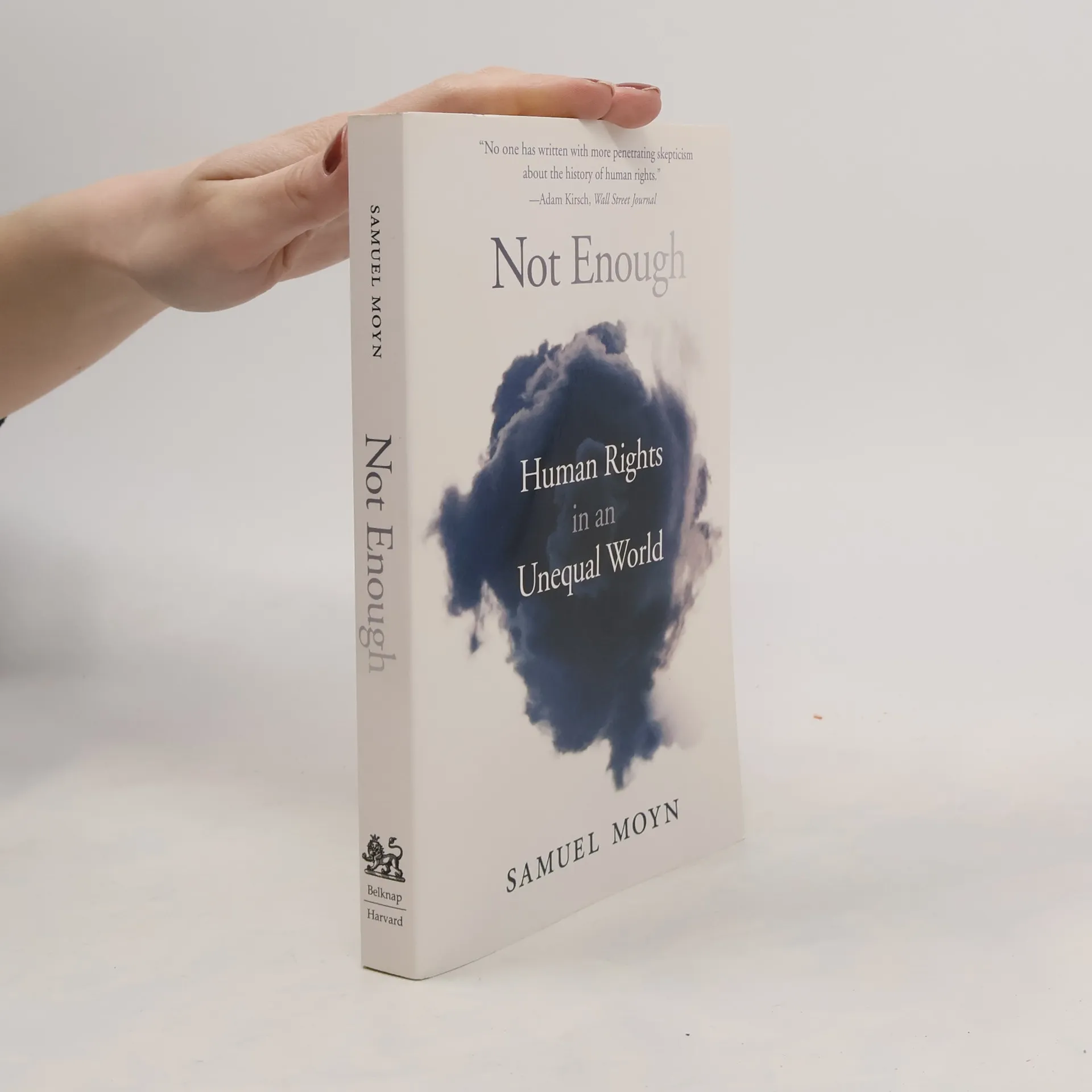
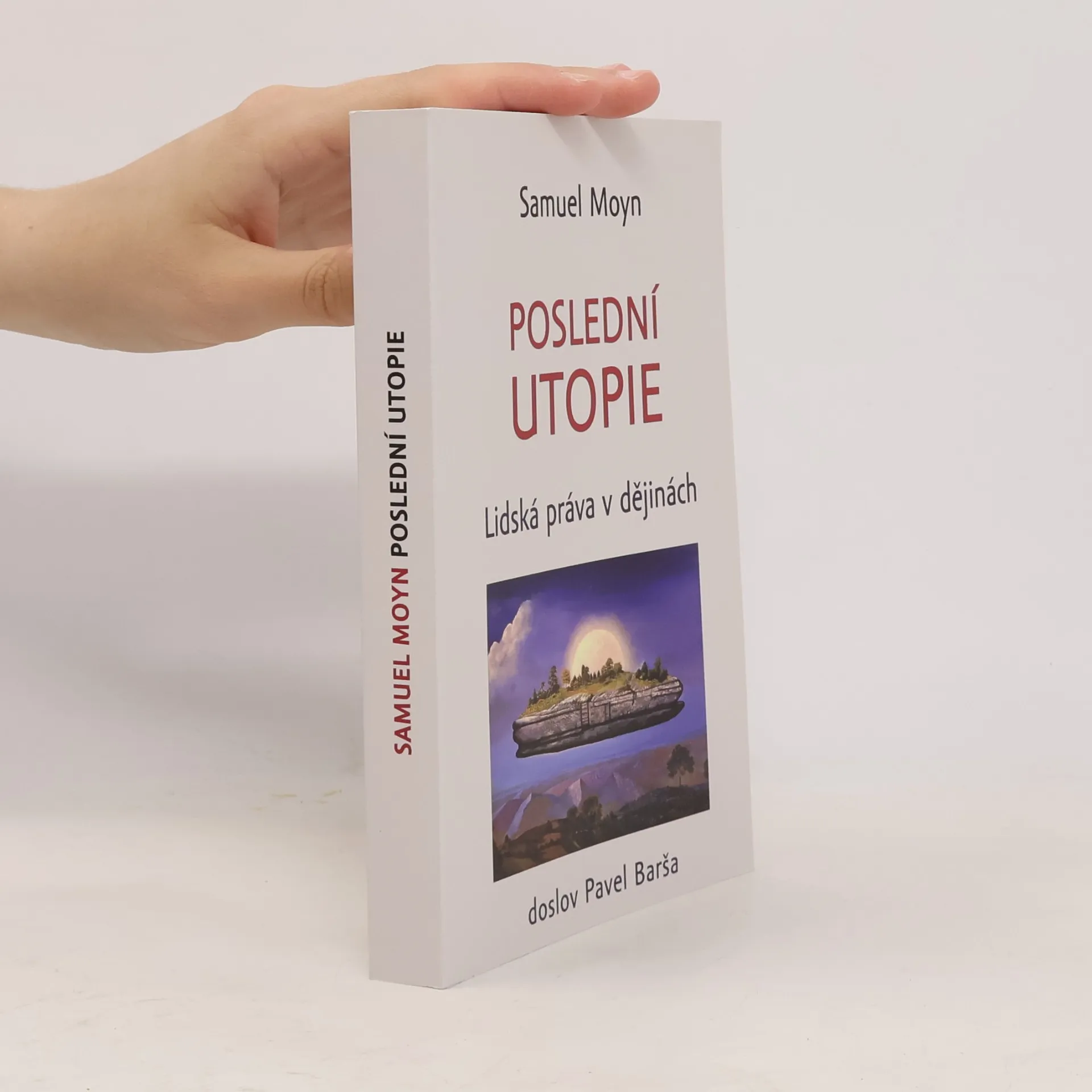
    Poslední utopie - Lidská práva v dějinách
    • Pojem „lidská práva“ se stal nedílnou součástí politické diskuse a veřejného prostoru. O něm hovoří akademici, novináři, aktivisté a politici, avšak existují zkreslené představy o jeho vzniku a kořenech. Moynova kniha se zaměřuje na to, že kořeny lidských práv nelze hledat v minulosti ani je chápat jako vyvrcholení univerzálních dějin lidstva. Autor vyvrací tezi, že filozofické počátky lidských práv sahají k přirozenému právu stoiků a křesťanů, či že politické kořeny leží v Americké a Francouzské revoluci. Mýtus je také představa, že lidská práva vznikla v roce 1948 jako reakce na holocaust. Skutečnost je taková, že hnutí za lidská práva, jak ho známe dnes, se objevilo až v sedmdesátých letech 20. století jako postrevoluční utopie, která zaplnila prázdné místo po revolučních utopiích. Pavel Barša uvádí, že lidská práva nevznikla z vítězství revolucí, ale na jejich troskách. Mezi faktory, které přispěly k jejich vzniku, patřil krach socialistické utopie a změna priorit americké zahraniční politiky, zejména za prezidentství Jimmyho Cartera. Historické podmínky a kontext, v němž lidskoprávní boom nastal, ovlivňují ideu lidských práv a relativizují její nárok na univerzální platnost.

      Poslední utopie - Lidská práva v dějinách
    • "Hermann Cohen (1842-1918) was among the most accomplished Jewish philosophers of modern times. This newly translated collection of his writings illuminates his achievements for student readers and rectifies lapses in his intellectual reception by prior generations"--

      Hermann Cohen - Writings on Neo-Kantianism and Jewish Philosophy
    • How the case to abolish conflict failed and heralded the era of 'forever wars'.

      Humane
    • The Cold War roots of liberalism's present crisis "[A] daring new book."--Becca Rothfeld, Washington Post "A fascinating and combative intellectual history."--Gideon Rachman, Financial Times By the middle of the twentieth century, many liberals looked glumly at the world modernity had brought about, with its devastating wars, rising totalitarianism, and permanent nuclear terror. They concluded that, far from offering a solution to these problems, the ideals of the Enlightenment, including emancipation and equality, had instead created them. The historian of political thought Samuel Moyn argues that the liberal intellectuals of the Cold War era--among them Isaiah Berlin, Gertrude Himmelfarb, Karl Popper, Judith Shklar, and Lionel Trilling--transformed liberalism but left a disastrous legacy for our time. In his iconoclastic style, Moyn outlines how Cold War liberals redefined the ideals of their movement and renounced the moral core of the Enlightenment for a more dangerous philosophy: preserving individual liberty at all costs. In denouncing this stance, as well as the recent nostalgia for Cold War liberalism as a means to counter illiberal values, Moyn presents a timely call for a new emancipatory and egalitarian liberal philosophy--a path to undoing the damage of the Cold War and to ensuring the survival of liberalism.

      Liberalism Against Itself. Cold War Intellectuals and the Making of our Times
    • Der Liberalismus gegen sich selbst

      Intellektuelle im Kalten Krieg und die Entstehung der Gegenwart | Die historischen Ursachen der Krise des Liberalismus

      • 303 stránek
      • 11 hodin čtení

      Im Kontext des 20. Jahrhunderts analysiert Samuel Moyn, wie Liberale angesichts der modernen Herausforderungen wie Kriege und Totalitarismen die Ideale der Aufklärung in Frage stellten. Er beleuchtet, wie bedeutende Denker während des Kalten Krieges den Liberalismus umformten und damit ein problematisches Erbe schufen. Das Buch regt zur Reflexion über die Auswirkungen dieser Transformation an und hat in der angelsächsischen Welt eine lebhafte Debatte entfacht. Moyns Argumentation bietet neue Perspektiven auf die Verbindung zwischen Liberalismus und zeitgenössischen Krisen.

      Der Liberalismus gegen sich selbst