

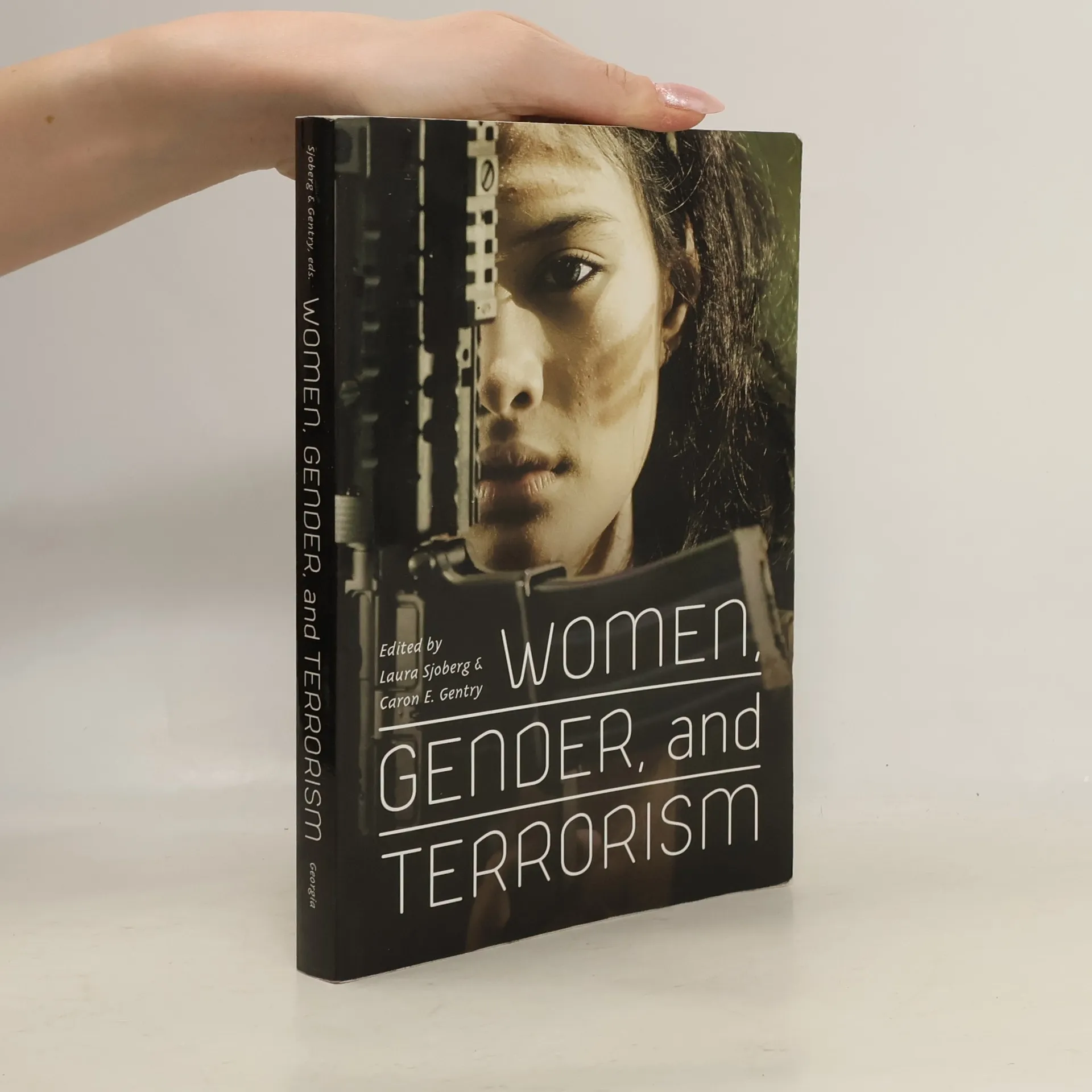
Studies in Security and International Affairs: Women, Gender, and Terrorism
- 250 stránek
- 9 hodin čtení
In the last decade, there has been a notable increase in women's involvement in terrorism, prompting an examination of their relationship with this phenomenon against the backdrop of political, gender, racial, and cultural dynamics. Historically, women terrorists were rarely acknowledged, but in the new millennium, they have taken on significant roles in acts such as suicide bombings and hostage-taking across various regions, including Palestine, Iraq, and Chechnya. Despite growing media and scholarly attention, analyses of women, gender, and terrorism remain limited and often perpetuate stereotypes regarding women's motivations and capabilities. The first section of this volume provides an overview of women's roles in contemporary terrorism, alongside a historical chapter on their involvement in Islamic political conflicts. The following section offers empirical and theoretical insights into terrorist movements in Chechnya, Kashmir, Palestine, and Sri Lanka. The third section focuses on women's participation in al Qaeda, critically examining media portrayals and academic representations. The conclusion suggests avenues for further exploration of gender and terrorism, informed by the contributions throughout the volume. Collectively, the authors enhance our understanding of terrorism, a complex and troubling aspect of modern society.